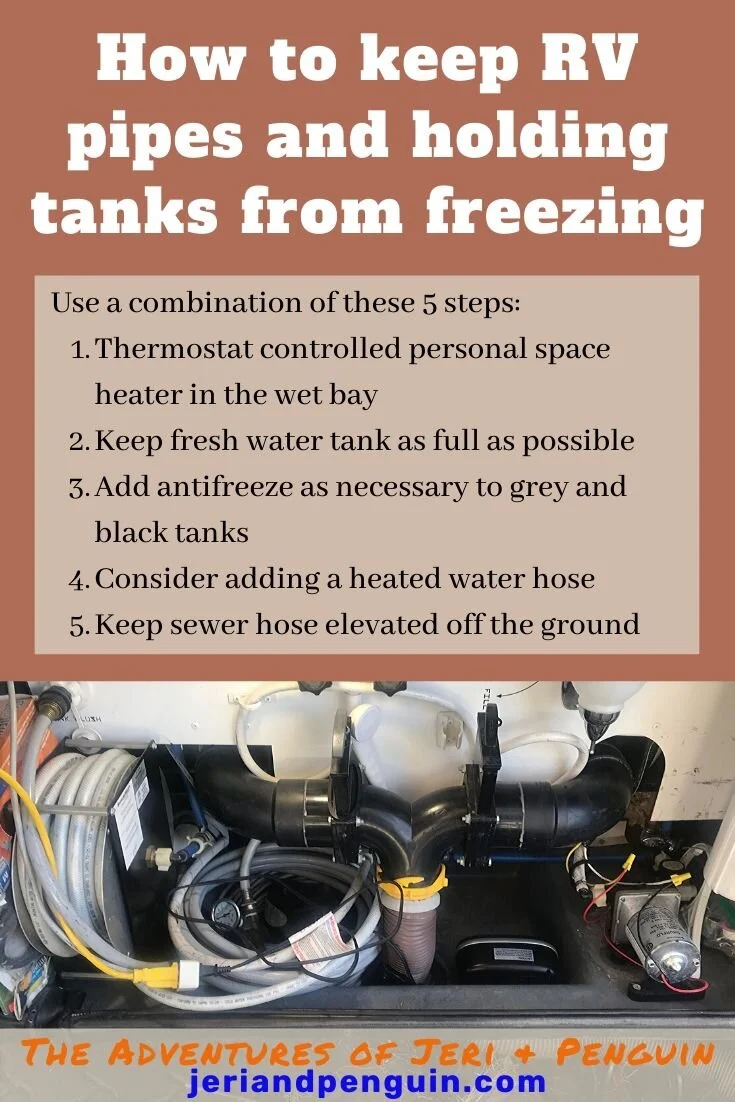
How to Keep RV Pipes from Freezing While Camping
When camping in cold weather, the best way to keep RV pipes from freezing is to combine insulation, heating, and water management. Use foam pipe insulation or heated water hoses to protect exposed pipes, keep your RV’s internal temperature above freezing, and let faucets drip slightly to keep water moving.
Also, consider using RV skirting and heated storage bays to add extra warmth. These steps greatly reduce the risk of frozen or burst pipes during winter camping.
Why Rv Pipes Freeze (and Why It Matters)
When temperatures drop below 32°F (0°C), water inside RV pipes can freeze. Frozen water expands, which puts pressure on the pipes. If the pressure becomes too much, pipes can crack or burst. This can mean costly repairs and ruined camping trips. Even a small crack can leak gallons of water, causing damage to floors, cabinets, and electrical systems.
RV pipes are more vulnerable than home plumbing. They’re often outside or run through unheated areas. Many RVs use flexible plastic pipes, which don’t handle freezing well. Understanding these risks shows why prevention is so important for winter camping.
How to Keep Food Cold While Camping for a Week? 6 Pro Hacks for Week-Long Cold Storage
The Most Effective Ways To Prevent Rv Pipe Freezing
1. Insulate All Exposed Pipes
The first line of defense is pipe insulation. Foam sleeves are cheap and easy to install. Wrap these around any visible pipes under your RV, inside storage bays, and near the water hookup. For extra cold, add heat tape under the insulation. This combination keeps heat in and cold out.
Don’t forget short pipe sections, elbows, or connections. These spots freeze fastest. Use weatherproof tape to seal gaps.
2. Use Heated Water Hoses
A heated water hose is different from regular hoses. It has a built-in heating element that keeps water from freezing, even in sub-zero weather. These hoses plug into a standard outlet and are safe for drinking water.
Heated hoses work best for the water supply line from the campground spigot to your RV. Make sure to connect both ends tightly and keep the hose off the ground when possible.
3. Keep Your Rv Warm Inside
Your RV’s internal temperature is key. Use your furnace or space heaters to keep the inside above 40°F (4°C). Open cabinets and bathroom doors to let warm air reach hidden pipes. If your RV has a basement or underbelly, keep that area heated too.
For extra protection, use a small fan to circulate air in tight spaces. Watch your propane supply, since RV furnaces use a lot of fuel in cold weather.
4. Let Faucets Drip
Moving water is harder to freeze. Letting your faucets drip slowly can prevent ice blockages. Open both hot and cold lines a little bit. If you have a kitchen, bathroom, and shower, let all drip, especially overnight when it’s coldest.
This method uses more water, so make sure your holding tanks can handle the extra. In some campgrounds, you may need to check local rules about water use.
5. Skirt Your Rv
RV skirting is a barrier that goes around the bottom edge of your RV. It blocks cold wind and traps warm air underneath. Skirting can be made from foam board, vinyl, or special skirting kits.
With skirting, the whole underbelly stays warmer, which protects pipes, tanks, and valves. Even homemade skirting (like bales of hay or insulated tarps) is better than nothing if you’re camping short-term.
6. Heat Tape For Critical Sections
Heat tape is an electric heating cable you wrap around pipes. It’s especially useful for problem areas, like the sewer outlet or the freshwater line. Choose tape with a built-in thermostat for safety.
Plug heat tape into a GFCI outlet and cover with insulation. Never overlap heat tape on itself, as this can cause overheating.
7. Heated Storage Bays
If your RV has heated storage or utility bays, use them. These are compartments with built-in heat, sometimes from furnace ducts or electric pads. They keep water tanks, pump, and pipes above freezing.
If your bays aren’t heated, consider adding a 12V heating pad or a small ceramic heater (only if it’s safe and dry). Always monitor heaters for safety.
8. Use Tank Heaters And Pads
Tank heating pads stick to the bottom of your fresh, gray, or black water tanks. They use electricity to keep water from freezing solid. Many modern RVs come with these pads already installed.
If not, you can add aftermarket pads. Make sure they’re the right size and wattage for your tanks. Only use tank heaters rated for your specific RV and climate.
9. Empty Tanks Regularly
Don’t leave your gray and black tanks full during freezing weather. Water in tanks can freeze, expand, and crack the plastic. Drain tanks often, and keep valves closed except when dumping.
For fresh water, only fill your tank as needed. This reduces the amount of water that can freeze if something goes wrong.
10. Use Antifreeze For Drains (when Not In Use)
If you won’t be using your RV for a few days, pour a little RV antifreeze down each drain. This protects P-traps and pipes from freezing. Only use non-toxic, RV-safe antifreeze (never automotive types).
This step is helpful for showers, sinks, and toilets. Always follow local rules for dumping and disposal.
How To Keep A Cooler Cold While Camping? Secret Of My Cooler at 34°F for a 4-Day Trip

How To Insulate And Heat: Practical Steps
There’s no single magic solution—combining several methods works best. Here’s a hands-on approach:
- Buy foam pipe insulation and cut it to fit every exposed pipe.
- Wrap heat tape on the most at-risk sections (like water hookup and sewer hose).
- Use zip ties or tape to secure insulation.
- Check seals around storage bays and repair any gaps.
- Place a thermometer in the underbelly to monitor temperature.
- Set your RV furnace to at least 40°F, even when you’re out.
- Skirt your RV as soon as you set up camp in cold weather.
By layering these techniques, you create several barriers against the cold.
Real-world Example: Rv Camping In Colorado
Imagine camping near Rocky Mountain National Park in January. Night temperatures often reach 10°F (-12°C) or lower. RVers who don’t prepare often wake up to no water or, worse, burst pipes.
One experienced camper used foam pipe wrap, heated hoses, a furnace set to 50°F, and RV skirting. They also let faucets drip at night. The result? No frozen pipes—even after a week of below-freezing weather.
Another camper skipped skirting and didn’t insulate their sewer hose. Their gray tank valve froze, making it impossible to dump waste until a warm spell.
Common Mistakes To Avoid
- Ignoring small pipe sections: Even a short exposed pipe can freeze and burst.
- Using regular garden hoses: These freeze quickly and can split open.
- Turning off the furnace to save propane: This lets interior pipes freeze overnight.
- Leaving tank valves open: Slow-moving waste can freeze in the valve and hose.
- Using automotive antifreeze: This is toxic and not safe for RV plumbing.
Comparing Popular Methods For Pipe Protection
Here’s a simple comparison of the most common ways to prevent frozen RV pipes:
| Method | Cost | Setup Time | Best For |
|---|---|---|---|
| Foam Pipe Insulation | Low | Quick | All RVs, moderate cold |
| Heated Water Hose | Medium | Easy | Full hookups, sub-freezing temps |
| RV Skirting | Medium-High | Moderate | Long-term, deep cold |
| Letting Faucets Drip | Low | None | Short-term, mild freezes |
| Tank Heaters | High | Moderate | Extreme cold, frequent use |
Extra Tips Most Beginners Miss
- Check weather daily: Sudden cold snaps happen. Adjust your setup if a storm is coming.
- Monitor propane and electricity: Running out means losing heat fast. Always have backup fuel or power.
- Protect your water pump: This is often in a cold bay—add insulation or a small heat source.
- Use remote temperature sensors: Place them in the underbelly or near pipes for early warnings.
- Seal all RV gaps: Cold air sneaks in through holes for wires, plumbing, or around slides. Use spray foam or weatherstripping to close them.
Table: How Cold Affects Rv Pipe Freezing Time
How quickly RV pipes freeze depends on many factors. Here’s an estimate based on temperature and pipe exposure:
| Outside Temperature | Insulated Pipes | Uninsulated Pipes |
|---|---|---|
| 32°F (0°C) | Unlikely to freeze | Freezes in 12-24 hours |
| 20°F (-6°C) | May freeze in 24-48 hours | Freezes in 6-8 hours |
| 10°F (-12°C) | May freeze in 12-24 hours | Freezes in 2-4 hours |
| 0°F (-18°C) | Risk after 6-12 hours | Freezes in 1-2 hours |
Note: Wind, humidity, and pipe material also affect freezing times.

What If Pipes Freeze Anyway?
If you open a faucet and no water comes out, a pipe may be frozen. First, turn off the water supply to avoid leaks. Use a hair dryer or space heater to gently warm the suspected area. Never use a blowtorch or open flame.
Thaw pipes slowly and check for leaks as they warm.
If you notice water dripping under your RV or a sudden loss of pressure, you may have a broken pipe. Shut off all water and seek professional help.
When Should You Winterize Instead?
If you plan to leave your RV unused during winter or expect severe cold for weeks, full winterization is safer. This means draining all water and adding non-toxic RV antifreeze to lines and tanks. It’s the most reliable way to avoid freeze damage when you’re not camping.
For a full winterization guide, see resources like RV Travel.
Frequently Asked Questions
What Temperature Will Rv Pipes Freeze?
RV pipes can freeze when temperatures drop below 32°F (0°C), especially if they are uninsulated or exposed to wind. Unprotected pipes may freeze in just a few hours if it’s very cold.
Can I Use A Space Heater In My Rv’s Storage Bays?
Yes, you can use a small electric heater in a storage bay if it’s dry and safe. Never leave it unattended or place near flammable materials.
How Much Water Should I Let Drip To Prevent Freezing?
A slow, steady drip from each faucet is enough. Both hot and cold water lines should be open slightly, especially overnight.
Is Rv Antifreeze Safe To Put In Fresh Water Tanks?
No, RV antifreeze is only for drains and waste lines unless you are winterizing and won’t be drinking the water. Never drink water from a tank treated with antifreeze.
What’s The Best Way To Thaw Frozen Rv Pipes?
Use a hair dryer, heat gun (on low), or small heater to gently warm frozen pipes. Avoid open flames or high heat, which can damage pipes or cause fires.
Keeping your RV pipes from freezing takes planning, but it’s worth the effort for a safe, comfortable winter camping trip. With the right steps, you can enjoy the beauty of cold-weather camping without costly surprises.