
How to Keep Bread Fresh While Camping: 9 Simple Tricks That Actually Work
Why Bread Goes Stale Fast While Camping (And Why Campsites Make It Worse)
To keep bread fresh while camping, you must battle heat, humidity, and cramped storage. Campsites ruin bread because temperature swings cause moisture to leave the crust or pool inside bags. I’ve found that damp air and direct sun speed up staling or mold. Managing this microclimate is the only way to avoid opening a bag of soggy, ruined rolls on your second morning.
On a damp Sunday morning in the Pyrenees, I learned this the hard way. I opened my supply bin only to find my dinner rolls were chewy on one side and wet on the other. It was a total mess! The campsite air had turned my breakfast into a sponge. I felt so frustrated wasting food, but it taught me that nature is very tough on soft grains.
What Causes Bread to Go Stale in Camp Conditions
In my experience, these four factors are the main culprits:
- Moisture Loss: Water evaporates from the crumb, leaving it dry and hard.
- Bag Condensation: Plastic bags trap “sweat” when the sun hits them, making bread soggy.
- Heat Exposure: Storing food in a hot tent or car acts like a second oven.
- Airflow: Too much wind dries out your loaf until it feels like a brick.
Common Outdoor Bread Enemies
I always watch out for these “bread killers” when I set up camp:
- Direct Sun: Never leave your backpack in the sun; the heat inside ruins bread fast.
- Damp Coolers: Putting bread near melting ice without a sealed bin is a recipe for mush.
- Heavy Gear: I once put my cast-iron pan on top of my buns. They were flat for the rest of the trip!
- Cold Nights: Fast temperature drops cause starch to harden quickly.
Stale vs. Moldy: When to Toss It
It is important to know the difference so you stay safe:
- Stale Bread: This is just dry and firm. It is safe to eat and great for toast.
- Moldy Bread: If you see green spots or smell something sour, throw it out immediately.
Where Can You Legally Camp for Free: Top Spots and Tips
Choose the Right Bread Before You Even Leave Home
Picking the right loaf is the best way to keep bread fresh while camping for the whole weekend. I used to bring fancy, soft brioche, but it would turn into a sad, squashed mess by Saturday. Now, I stick to dense breads like sourdough or rye. These sturdy types hold their shape and stay tasty even after a bumpy drive or a humid night.
Best Bread Types for Camping
These are my top picks for any outdoor trip:
- Sourdough Boule: The natural acidity helps it stay fresh for days.
- Rye Bread: Very dense and hard to crush.
- Tortillas: These are my favorite! They take up zero space and never go stale.
- Bagels: They are tough and great for high-energy breakfasts.
- Ciabatta Rolls: The thick crust acts like a natural shield.
Bread Types That Spoil Quickly Outdoors
I usually avoid these unless I plan to eat them the first hour:
- Soft White Bread: It turns into a ball of dough if it gets even slightly squashed.
- Brioche Buns: The high butter content makes them get greasy in the heat.
- Milk Bread: This spoils much faster than water-based breads.
Matching Your Bread to Your Trip Length
I plan my menu based on how long I will be away from a kitchen:
- Overnight Trip: Go ahead and bring that fresh bakery loaf.
- 2–3 Days: Sourdough or bagels will be your best friends.
- 4+ Days: I only use vacuum-packed flatbreads or tortillas for long hauls. They stay perfect for a week!
Store Bread Properly at Camp to Lock In Freshness
To keep bread fresh while camping, you must balance airflow and block moisture. You also need to stop it from getting smashed. I use a simple cloth sack inside a hard plastic bin. This stops the bread from sweating. Trust me, tossing a loose bag into a cooler is a bad idea. It will leave you with a damp, flat mess for breakfast!
On a windy coastal holiday trip last May, I made a huge mistake. I tossed my bread loose near the ice chest. The next morning, I reached for a slice. I pulled out a soggy, flattened lump. It even smelled faintly of fish! It was so sad, but I definitely learned my lesson.
Best Containers for Camping Bread Storage
Choosing the right box makes a 100% difference in texture. Here is what I actually use:
- Bread Boxes: Great if you have an RV with counter space.
- Hard Plastic Bins: These are my favorite. They stop heavy gear from crushing your food.
- Silicone Bags: These are nice and reusable, but leave them slightly open for air.
- Cloth Sacks: Put a cloth bag inside a sealed tub. It works like magic!
Plastic Bag vs. Paper Bag vs. Cloth Bag
Not all bags work the same in the wild. Here is the truth about them:
- Plastic Bags: These trap moisture. Your bread will sweat and mold quickly.
- Paper Bags: These let too much air in. Your loaf will dry out in a day.
- Cloth Bags: These are the clear winner. They balance airflow perfectly and keep crusts nice.
Where to Keep Bread at the Campsite
Location matters just as much as the container. I always put my bread here:
- Shaded Storage Bins: Keep it out of direct sunlight.
- Insulated Pantry Boxes: A dry box keeps the temperature steady.
- Away from the Stove: Heat makes bread sweat in its bag.
- Never on the Tent Floor: Bugs and damp ground will ruin it overnight!
Keep Bread Fresh in Hot Weather Without Refrigerating It
The trick to keep bread fresh while camping in hot weather is shade, not cold air. Never put your bread in a fridge or cooler. Cold air actually makes the starch harden six times faster! Instead, wrap your loaf in a dry linen towel. Then, store it in an insulated dry box under a shady tree or table.
During a hot August beach weekend right here in Catalonia, I learned this the hard way. The sun was blazing by noon. I panicked and threw my sandwich rolls into the cooler with the ice packs. By dinner time, my rolls felt like heavy rocks! I almost broke a tooth. Now, I know that cool, dry shade is much better than a wet cooler.
Smart Heat Protection Tips
When the sun beats down, I use these simple tricks:
- Find Deep Shade: I move my food bin under a thick tree or a tarp.
- Wrap It Up: I wrap the loaf in a clean linen towel to soak up extra humidity.
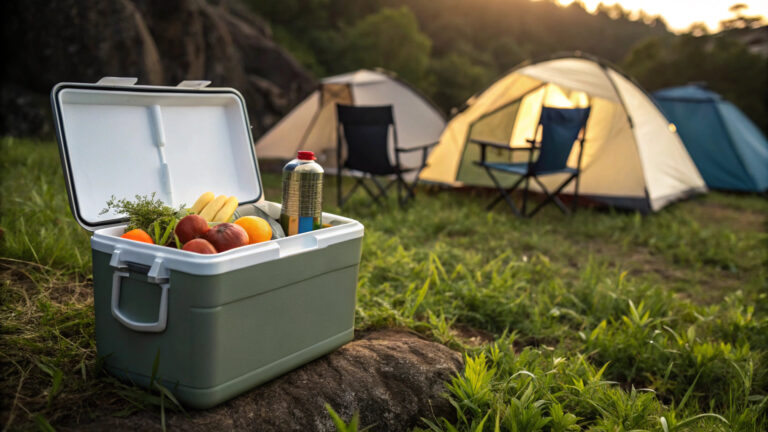
- Use a Dry Box: I use a thick, empty cooler with zero ice. It acts like a cool, dark cave.
Avoid These Hot-Weather Bread Mistakes
Please do not ruin your lunch by doing these things:
- The Hot Car: Never leave bread in a parked car. It will bake inside the bag.
- The Camp Stove: Do not store your food box near your cooking fire.
- Trapping Heat: If you warm bread up, let it cool completely before sealing the bag again.
Prevent Bread From Getting Crushed in Backpacks and Camp Boxes
To keep bread fresh while camping, you must protect its shape. A flat loaf is useless for making good sandwiches. Always pack your bread on the very top of your gear. Use rigid plastic boxes to shield soft buns from heavy items. If you just toss it in, your food will end up completely flat and dense by lunchtime.
During a weekend hike in the Rocky Mountains last spring, I made a silly mistake. I packed my soft sandwich loaf right under a heavy cast-iron pan. When I opened my bag on Saturday, my lunch looked like a flat pancake! It was so sad and gummy. It felt like my lunch lost a wrestling match with my cookware. Now, I know that keeping the texture fluffy matters just as much as stopping moisture.
Packing Strategies That Protect Shape
I use these simple rules to keep my food safe and soft:
- Top-Layer Only: Never put anything heavier than a paper napkin on top of your loaf.
- Use Rigid Boxes: A cheap, hard plastic container works perfectly as a shield.
- Separate the Cans: Keep heavy soup cans far away from your soft baked goods.
Best Bread for Backpack Camping
When space in your bag is tight, skip the fluffy stuff. I bring these instead:
- Tortillas: These are flat already, so you cannot crush them at all!
- Bagels: They are tough, dense, and handle bumps very well on the trail.
- English Muffins: These stay round and fit neatly into small backpack pockets.
- Compact Flatbreads: Pita bread is a great space-saving choice for tight bags.
Where Can I Camp on the Beach in Oregon? The Complete Coastal Camping Guide
Refresh Slightly Stale Bread at the Campsite
You can easily refresh slightly stale bread at the campsite using water and heat. Just splash a few drops of water on the dry crust. Next, wrap the loaf loosely in foil. Finally, warm it near the hot campfire coals for five minutes. This fast trick brings back a soft texture and makes your whole camp smell amazing.
I tried this trick on a freezing October morning in the woods. My bagels felt like hard bricks. I added a little water, wrapped them up, and set them near the glowing fire. Ten minutes later, I opened the hot foil. The sweet smell of warm crust mixed with the wood smoke was pure heaven! My stomach growled instantly, and my friends ate every single bite.
Campfire Bread Revival Method
This is my exact process for saving a dry, chewy loaf:
- Dampen the Crust: Flick a tiny bit of clean drinking water on the outside.
- Wrap in Foil: Seal it loosely to trap the hot steam inside.
- Heat Near Embers: Place it near the hot coals for 5 to 10 minutes. Do not put it right in the tall flames!
Pan Reheating on a Camp Stove
If you do not have a wood fire, your gas cooking stove works perfectly too:
- Low Heat: Turn your skillet down to a very low flame.
- Use a Lid: Cover your pan briefly to trap the warm moisture.
- Flip Once: Turn the slices over so they get warm and soft on both sides.
When Bread Cannot Be Saved
Sometimes, you just have to throw the food away. Look for these strict warning signs:
- Visible Mold Spots: If you see any fuzzy green or white dots, toss it out right away.
- Sour Odor: Fresh yeast smells good. A sharp, bad, fermented smell means it is rotten.
- Sticky Texture: If the inside crumb feels wet and slimy, it is not safe to eat.
Use Leftover Bread Creatively So Nothing Goes to Waste
You try hard to keep bread fresh while camping. Still, some slices will get dry. Do not throw them away! Stale bread makes the best camp meals. Dry crumbs soak up butter and eggs perfectly. Turning old loaves into tasty French toast saves money. It also stops camp food waste. I always plan a leftover bread meal for my very last day.
On my last trip, we woke up to a cold Sunday morning. My loaf of bread was too hard for normal sandwiches. I refused to toss it out in the trash. I chopped it up and soaked it in two fresh eggs. Then, I cooked French toast over the hot fire. The sweet smell of butter mixed with the crisp pine air. My friends ate every single piece and even asked for more!
Easy Leftover Bread Camping Recipes
Dry bread cooks up so well over a fire. I love making these simple meals:
- Campfire Garlic Toast: Rub dry slices with garlic and heat on a grill grate.
- Skillet Croutons: Chop bread, toss in oil, and fry until they crunch.
- French Toast Sticks: Cut thick slices and cook them in a hot buttered pan.
- Bread Pudding: Wrap sweet milk, eggs, and bread chunks in foil and bake near coals.
Breadcrumb Hacks at Camp
If the bread is too hard to bite, crush it up! Here is how I use crumbs:
- Soup Topping: Toss them into hot tomato soup for a nice crunch.
- Burger Binder: Mix them into raw meat to hold your campfire burgers together.
- Fish Coating: Use them to fry up the fresh fish you just caught.
Essential Bread Freshness Packing Checklist for Every Trip
A quick packing list is the best way to keep bread fresh while camping. You need a clean cloth sack. You also need a hard plastic bin and thick foil. Cutting your loaves at home saves you time and tent space. A fast 10-second check each morning stops mold from ruining your entire food supply.
I used to just throw a plastic bag into my car trunk. That always ended in squashed food and a bad mood. Now, I spend five quick minutes prepping in my kitchen. It cuts my trip food waste down to exactly zero. Honestly, there is nothing worse than driving three hours just to eat wet, soggy toast in the woods!
Must-Pack Bread Storage Essentials
I never leave my house without these four basic items:
- Cloth Bread Bag: This lets the food breathe.
- Hard Container: A plastic box stops heavy gear from crushing your lunch.
- Zip-Top Bags: I bring one or two backups just in case it rains hard.
- Foil Roll: I use this to wrap dry bread before I heat it near the fire.
Pre-Trip Bread Prep Steps
Do this at home on Friday night to save you stress on Saturday:
- Slice Loaves Early: It is very hard to cut straight slices on a wobbly camp table.
- Freeze Extra Portions: If your trip is a full week, freeze half the bread first.
- Label by Meal: Write the day on the bag so you eat the oldest bread first.
Quick Freshness Check Each Morning
When you wake up, take 10 seconds to look at your food box:
- Check the Texture: Poke the loaf. Is it a soft sponge or a hard rock?
- Look for Condensation: If you see water drops inside the bag, open it to air out.
- Smell for Spoilage: Sniff the crust. If it smells sour like vinegar, throw it away fast!