How to Keep Your Dog Cool in the Summer Camping? 5 Red Flags Your Dog Is Overheating At The Campground
Why Dogs Overheat Faster While Camping
Dogs overheat faster while camping because they cannot sweat through their skin like humans. Instead, they rely on panting and releasing heat through their paws. When exposed to direct sun, hot trails, or stuffy tents, their core body temperature can spike to dangerous levels in just 15 minutes. Knowing how their cooling system works helps you stop heat stress before it ruins your trip.
I learned this the hard way on a sticky August weekend at a state park. We were about a mile into a dirt trail. I was sweating through my shirt, but I was fine. My dog, Buster, was not. He started panting like a freight train and dragging his paws. I completely forgot he was hiking in a permanent fur coat. The air was warm, but the ground was an oven.
How Dogs Regulate Temperature
It helps to know exactly what is happening inside your dog’s body when the sun beats down.
- Panting vs. Sweating: We sweat to cool down. As sweat dries, it pulls heat away from us. Dogs only sweat a tiny bit through their paw pads. Mostly, they pant. They breathe in cool air and breathe out hot air and moisture. It works, but it takes a lot of effort.
- Heat absorption from ground surfaces: Dogs are much closer to the ground than we are. On an 85-degree day, sand or packed dirt can easily reach over 100 degrees. They absorb all that heat straight up into their chest and belly.
- Role of fur thickness and breed: A thick double coat traps heat. Flat-faced dogs, like Pugs or Bulldogs, have a much harder time. Their short noses make panting less effective. Normal dog body temperature is between 101 and 102.5 degrees. If it hits 104, you are in the danger zone.
Common Risk Factors While Camping
Camping throws a lot of sneaky heat traps at your dog. Watch out for these three things:
- Humidity + still air: Panting only works if the moisture from their mouth can evaporate. If the air is thick and humid, panting stops working. It is like trying to dry off in a steam room.
- Dark tents and poor ventilation: Tents are basically plastic greenhouses. A dark tent in the sun can be 10 to 15 degrees hotter than the air outside.
- Overexertion during hikes: Dogs want to please us. They will chase frisbees, bark at squirrels, and follow you up a mountain even if they feel sick. They do not know when to quit, so you have to make that choice for them.
How To Choose the Right Campsite (Shade Matters More Than Views)
Choosing the right campsite is the best way to keep your dog cool. A spot with deep shade, nice breezes, and close water is much safer than a sunny site with a great view. Trees block the sun and can drop the ground heat by up to 20 degrees. Setting up a cool basecamp gives your dog a safe spot to rest all day.
A few years ago, I booked a cliffside campsite for the Fourth of July weekend. It had zero trees, but the sunrise view was amazing. I felt like a genius. By noon, my dog and I were hiding in the tiny, dark shadow cast by my car. We were both miserable. Now, I will gladly trade a sweeping canyon view for a boring group of pine trees.
What to Look for in a Dog-Friendly Campsite
When you book a spot or pull up to the woods, hunt for these features:
- Tree coverage or natural shade: Look for thick, leafy trees. Pine trees are okay, but large oaks or maples block way more sun.
- Access to fresh water (lake, stream): If your campsite is near a cold creek, you hit the jackpot. A quick dip in cold water drops a dog’s body temperature fast.
- Breeze or elevation: Camp a little higher up if you can. Even a light, steady breeze makes a hot day feel much better.
What to Avoid
Skip campsites that trap heat. Here is what you should run away from:
- Rocky or heat-retaining ground: Large rocks, asphalt pads, and dark sand soak up the sun all day. They keep radiating heat long after the sun goes down.
- Tight, enclosed camping areas: Sites blocked in by tall bushes or hillsides get zero wind. The air gets stale and heavy.
- Campsites with no midday shade: A spot might look shady at 9 AM, but check the angle. Make sure the sun will not blast your tent right at 2 PM when the day is at its hottest.
Keep Your Dog Hydrated (More Than You Think They Need)
To keep your dog cool while camping in the summer, you must focus on hydration. A normal dog needs about one ounce of water per pound of body weight each day. On hot camping trips, that amount can easily double. I offer my dog fresh water every 20 minutes on the trail. Do not wait for them to beg. If they are panting hard, they are already losing too much fluid.
Last July, I took my dog, Buster, to a dry pine forest for a long weekend. The air was so hot and dry that my own lips cracked by noon. Buster seemed fine at first, just sniffing around the dusty dirt trail. But when I checked his mouth, his gums felt exactly like sticky tape. That was a big wake-up call for me. Dogs will not always tell you they are thirsty. You have to be the boss of the water bottle.
Smart Hydration Tips
Getting a distracted dog to drink at camp can be tough. Here is what works for us:
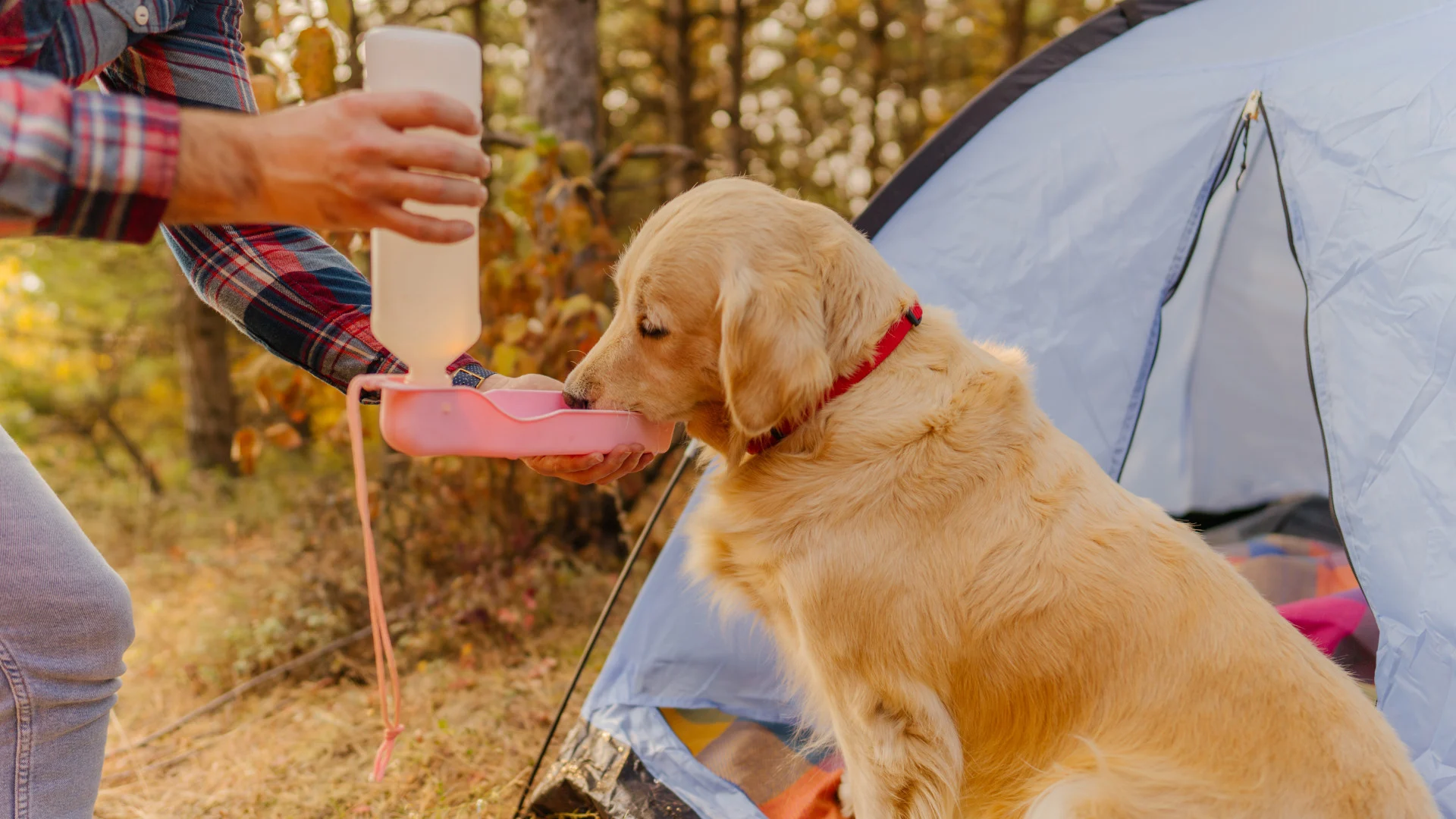
- Carry collapsible bowls: I clip a bright blue silicone bowl right to my belt. If it is easy to reach, I use it more often.
- Add water to kibble: Dogs lose a lot of moisture when they pant. I pour warm water over Buster’s dry food to make a thick, wet soup. He laps up the extra water without even knowing it.
- Offer small, frequent drinks: Letting a hot dog gulp a huge bowl of water can make them sick to their stomach. I give Buster a few laps of water, take a short break, and then offer it again.
Signs of Dehydration
You need to spot the warning signs fast. Check your dog often for these red flags:
- Dry nose and gums: Run your finger gently along their gums. They should feel slick and wet, not tacky or dry.
- Lethargy: If your dog lags behind on the trail or just wants to sleep all day, they might be running on empty.
- Sunken eyes: When a dog lacks water, their eyes can look dull and sink slightly back into their head.
Create a Cool Resting Area at Camp
You must build a cool resting area at camp to protect your dog from the hot sun. A good setup blocks the harsh light and lets the breeze blow through. Hiding in a stuffy, dark tent will just make them hotter. I always hang a simple tarp between two trees. This easy trick can drop the ground heat by ten to fifteen degrees.
During a Labor Day trip near the lake, the midday sun was just baking our campsite. The bare dirt was actually hot to the touch. I had to laugh when I caught Buster digging a deep hole right under the picnic table just to find some cool soil. But honestly, I felt bad. He was miserable and panting heavily. I grabbed some rope and an old green tarp from the trunk of my car. It looked a bit messy, but it cast a huge, cool shadow. Buster fell asleep under it in five minutes.
Easy Shade Solutions
You do not need fancy or expensive gear to make good shade. Keep it simple:
- Tarp shelters: String a flat tarp up high. This blocks the sun but lets the wind cool the air underneath.
- Reflective blankets: Try tying a silver emergency blanket over your dog’s crate. The shiny side bounces the hot sun rays right back up into the sky.
- Portable dog tents: These pop-up mesh tents are great for the beach, but they can be bulky to pack in a small car.
Cooling Surfaces That Help
A shady spot is good, but a cold bed is much better. Try these ideas:
- Elevated dog beds: These beds sit off the hot ground on short legs. The cool air flows right under your dog’s belly.
- Cooling mats: These flat, tough mats have a special gel inside. They stay cool to the touch without needing an ice chest.
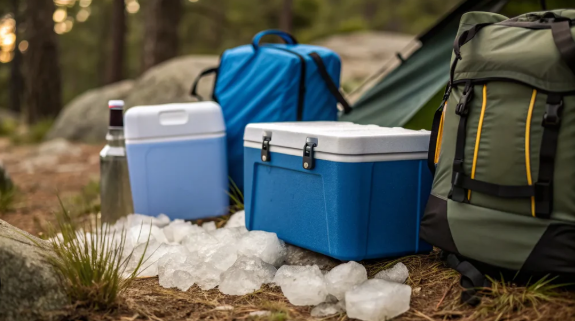
- Damp towels: If you are in a pinch, wet a clean towel with cold water from your cooler. Wring it out well and lay it on the dirt for a quick, cool spot to rest.
Adjust Your Activity Schedule (Think Sunrise and Sunset)
Adjusting your activity schedule means moving hikes to the cool early morning and relaxing in the shade during the hot afternoon. Dogs overheat fast when the midday sun bakes the dirt trail. By hiking at sunrise and taking short evening walks, you keep your dog safe from the heat. This makes the camping trip much more fun for both of you.
During a Memorial Day weekend trip to the mountains, I made a rookie mistake. I tried to take my dog, Buster, on a two-mile hike right at 1 PM. It was 85 degrees out. Within ten minutes, he was panting so hard his whole body shook. I felt terrible. We turned around, and we spent the rest of the day napping under a big oak tree. The next morning, we hit the trail at 6 AM. The air was a crisp 65 degrees, the grass was wet with dew, and Buster had the time of his life sniffing every single rock.
Ideal Daily Routine While Camping
You can still have a great time if you plan your day right. Here is the schedule that works best for us:
- Morning: active hikes. Get out there before 9 AM. The ground is still cool, and the air feels fresh.
- Afternoon: rest and shade. This is downtime. We hang out under our camp tarp, read a book, and let the dogs sleep through the hottest part of the day.
- Evening: light activity. Around sunset, we take a slow, easy stroll around the campground to stretch our legs before bed.
Activities to Avoid in Heat
Some games are just too risky when the sun is high. Skip these until the weather cools down:
- Long hikes during peak sun. Hiking between 10 AM and 4 PM is just asking for trouble.
- Fetch on hot ground. Sprinting back and forth spikes a dog’s heart rate and body heat very fast.
- Running on exposed trails. Trails with zero trees offer no escape from the blazing sun.
Use Water to Your Advantage (But Safely)
Using water to your advantage is the fastest way to drop your dog’s body heat at camp. Letting them swim in a cold creek or wiping their paws with a wet cloth pulls heat right out of their system. Just make sure the water is clean. Always watch them closely so they do not swallow too much water while playing.
Last summer, we camped near a shallow, rocky river. Buster loves water. He charged right in, splashing muddy water all over my clean shorts. I could not even be mad; it was too funny. The cold water cooled his belly instantly. But I had to play lifeguard. He gets so excited that he forgets to take breaks. He will just keep swimming until his legs give out. I have to physically call him out of the water to make him rest.
Safe Water Play Tips
Water is great, but you have to be smart about it. Keep these rules in mind:
- Supervise at all times. Never let your dog swim alone. Keep your eyes on them just like you would a kid.
- Avoid strong currents. Fast rivers can sweep a tired dog away in seconds. Stick to calm pools or shallow lake edges.
- Rinse off after swimming. Lake water can hold itchy bugs and bad bacteria. I always pour a jug of clean water over Buster’s coat when he gets out.
Cooling Tricks Without Swimming
If you do not have a lake nearby, you can still use water to beat the heat:
- Wet paws and belly. Dogs cool down from the bottom up. Rub a wet towel on their paw pads and bare tummy.
- Use a spray bottle. I keep a cheap plastic spray bottle in my cooler. A fine mist of cold water feels amazing on their face and chest.
- Damp bandanas. Soak a cloth bandana in ice water, wring it out, and tie it loosely around your dog’s neck.
How to Keep Food Cold While Camping for a Week? 6 Pro Hacks for Week-Long Cold Storage
Watch for Signs of Overheating (And Act Fast)
You must watch for signs of overheating to catch heat stress early. Look out for heavy panting, thick drool, and clumsy walking. Heat exhaustion hits dogs very fast. If your dog acts tired or confused on a hot summer day, you must stop moving right away. Finding deep shade and cooling them down fast can save their life.
I had a major scare on a sunny Fourth of July camping trip. We were just walking from our tent to the camp store. Suddenly, Buster’s tongue was hanging out extra far. The spit falling from his mouth looked like thick glue, not normal water. My heart started pounding in my chest. He stumbled slightly on a tree root. I scooped him up, ran to the shade of the camp office, and grabbed a cold bottle of water. I learned that day that you cannot waste a single second when a dog gets too hot.
Early Warning Signs
Keep a close eye on your dog’s face and body language. Watch out for these scary signs:
- Excessive panting. Normal panting is fine. But if it sounds harsh, loud, or frantic, they are too hot.
- Drooling or thick saliva. If your dog’s spit turns pale, foamy, or sticky like syrup, they are drying out inside.
- Weakness or confusion. If they trip over their own feet, stare into space, or refuse to walk, they are in danger.
What to Do Immediately
If you see those warning signs, stop everything. Take these exact steps right away:
- Move to shade. Get them out of the direct sun immediately. Find a tree, a tent canopy, or even the shadow of your car.
- Offer water (small amounts). Let them drink, but do not let them chug a whole bowl. Chugging can make them throw up.
- Cool with wet cloths (not ice). Put cool, wet rags on their neck, armpits, and groin. Never use freezing ice. Ice shocks their system and traps the heat inside.
Pack Smart Gear for Hot Weather Camping
Packing smart gear for hot weather camping means bringing lightweight tools that drop your dog’s body heat quickly. You do not need to buy the whole pet store. Focus on essentials like a simple shade tarp, collapsible water bowls, and a wet cooling vest. These few right items save space in your car and keep your dog safe when temperatures climb past 85 degrees.
Last Labor Day weekend, my car was stuffed to the roof for a lake trip. I packed four different dog toys, but I totally forgot my dog Buster’s cooling vest. We paid the price. He spent the afternoon panting heavily in the thick, still air. I felt awful and ended up fanning him with a paper plate for two hours. Now, I stick to a very strict, simple packing list for summer trips.
Must-Have Cooling Gear
The best gear is gear you actually use. Here are the items that go in my bag every single time:
- Collapsible water bowls: I buy the cheap silicone ones. They clip right to my belt loop. They hold two cups of water and weigh almost nothing.
- Cooling vests or bandanas: You soak these in cold water and wring them out. The wet fabric pulls heat right off your dog’s chest and neck.
- Portable shade tarp: A plain nylon tarp is a lifesaver. It blocks the harsh sun rays and sets up in five minutes between two pine trees.
Nice-to-Have Extras
If you have extra room in your car, these small items make a tough trip much better:
- Dog-safe sunscreen: Dogs with pink noses or thin fur get sunburns easily. A quick swipe of dog-safe sunscreen stops peeling skin.
- Paw protection balm: This thick wax forms a nice barrier. It stops rough rocks and hot sand from drying out their paw pads.
- Battery-powered fan: I clip a small, quiet fan right to Buster’s travel crate. It keeps the stale, humid air moving around him while he sleeps.
Protect Your Dog’s Paws from Hot Surfaces
You must protect your dog’s paws from hot surfaces. Keep them off sun-baked rocks, dark dirt, and asphalt during peak heat. Dog paw pads are tough, but they burn easily. If the ground hits 125 degrees, paw pads can blister in just sixty seconds. Always test the dirt yourself, walk in the cool shade, and use protective dog booties if necessary.
Two summers ago, we camped near some beautiful red rock canyons. The rocks looked amazing, but they felt like a hot skillet by noon. I saw another hiker’s dog doing a painful little dance, quickly picking up its feet. The poor guy’s pads were bright pink. The smell of hot dust and baked pine needles instantly made me panic. I scooped Buster right up into my arms. It was a heavy walk back, but his paws were safe.
How to Check Ground Temperature
You do not need a fancy thermometer to check the trail. Just use your own hands.
- 5-second hand test: Press the back of your bare hand firmly against the dirt or rock. If you cannot hold it there for five straight seconds, it is way too hot for your dog.
- Observe your dog’s behavior: Watch how they walk. If they pull toward patches of grass, lift their paws fast, or constantly lick their feet at camp, they are hurting.
Prevention Tips
Keeping paws safe is mostly about good timing and smart choices.
- Walk on grass or shaded paths: Soft, damp grass is nature’s cooling mat. Always choose a shady, tree-lined dirt path over a wide-open gravel road.
- Use dog booties if needed: If you must walk on hot ground, put tiny shoes on your dog. Look for booties with thick rubber soles and breathable mesh tops.
- Avoid peak heat hours: The easiest fix is just to wait. Skip all long walks between 11 AM and 4 PM. The ground cools down fast once the sun starts to set.
Feed Light and Smart During Hot Weather
To feed your dog safely during hot summer camping trips, serve smaller meals in the early morning and late evening. Heavy meals digest slowly. This actually raises your dog’s core body heat. When air temperatures hit 85 degrees, dogs naturally eat about fifteen percent less food. Giving them wet food instead of dry kibble also adds needed water to keep them cool.
Last August, I took my dog, Buster, on a weekend trip to a coastal state park. The air smelled like hot pine needles and salt. By noon, the breeze stopped and it was incredibly sticky. I poured his usual giant scoop of lunch kibble. He just stared at the bowl, let out a huge sigh, and dropped his chin onto his paws. I had to laugh. He looked at me like I was crazy for offering him dry crackers in an oven. I learned my lesson right there. Hot dogs just do not want a heavy meal.
Feeding Tips for Summer Camping
You can easily change how you feed your dog at camp. Try these simple tricks to keep their stomach happy:
- Smaller, more frequent meals: Cut their normal meals in half. Feed them once at dawn and once at dusk when the camp air is cool.
- Wet food for hydration: Swap some dry kibble for canned wet food. Wet food is mostly water, so it hydrates them while they eat.
- Avoid high-fat treats: Skip the rich hot dogs and fatty cheese slices. High fat takes too much energy to digest and creates extra body heat.
Plan for Emergencies (Because Things Happen)
Planning for emergencies keeps your dog safe if heat exhaustion strikes while camping. You must pack a pet first-aid kit, carry backup water, and map the route to the closest vet. Heat stroke can damage organs in just fifteen minutes. Always have your safety plan printed on real paper, because cell phones rarely work in the deep woods.
During a Memorial Day trip in the mountains, my phone said “No Service” for three straight days. A camper next to us had a Golden Retriever who suddenly collapsed from the heat. The owner was in a blind panic. I felt a cold sweat on my own neck just watching them scramble. Nobody had a signal to search for a vet. We finally used a dusty paper map from my glovebox to find a town twenty miles away. That huge scare changed how I pack forever.
Emergency Essentials
Do not leave home without these lifesavers stored in your car. They are cheap and take up almost no space:
- Dog first-aid kit: Buy a kit with basic gauze, medical tape, and an instant cold pack to drop their heat quickly.
- Emergency contacts: Write down the address and phone number of the nearest emergency vet on a piece of bright paper. Keep it on your dash.
- Backup water supply: I always keep two extra plastic gallons of fresh water in my trunk. You never know when a camp water pipe might break.
When to Seek Help
You cannot fix severe heat stroke at camp. If you see these signs, you must pack up and drive to a vet fast:
- Persistent vomiting: Throwing up once might just be an upset tummy. If they throw up their water over and over, they need a doctor.
- Collapse or seizures: If your dog falls over, cannot stand up, or starts shaking badly, their brain is getting too hot. Go immediately.
- Extreme lethargy: If they will not lift their head for a favorite toy or do not react to their own name, they are in real danger.
What temperature is too hot to take a dog camping?
Anything over 85 degrees Fahrenheit is risky for dogs. When the air gets this hot, the ground gets much hotter. If the humidity is also high, your dog cannot cool down by panting. I usually cancel or change my trip if the forecast calls for 90 degrees or more.
How can I cool my dog down fast at camp?
Move them into deep shade right away and wet their paws and belly with cool water. Offer them small sips of fresh water to drink. Do not use freezing ice, because it shocks their system and traps the heat inside. A wet towel rubbed on their chest works best.
Is it safe for my dog to sleep in a tent during summer?
Yes, but only at night when the air is cool. Never leave your dog inside a closed tent during the day. Tents act like plastic greenhouses and trap the hot sun. Keep the tent mesh windows unzipped at night so a nice breeze can blow through.
Do cooling mats actually work for dogs outdoors?
Yes, they work very well. Good cooling mats use a special gel that stays cold without needing an ice chest. I put one under our camp tarp on the dirt, and my dog falls right asleep on it. Just keep the mat out of direct sunlight so it stays cool to the touch.
How much water should my dog drink while camping?
A dog needs at least two ounces of water per pound of body weight on hot days. This is double what they drink at home. I offer my dog fresh water every twenty minutes on the trail. Do not wait for them to look thirsty before you pull out the water bowl.