What to Pack for Camping in a Cabin? Here’s the List That Saves Every Trip
Camping in a cabin is a perfect way to enjoy nature while still having some comforts. It’s not quite a tent, but it’s not a hotel either. I remember my first cabin trip—excited, but not sure what to bring. I packed too much of some things and forgot others that would have made my stay so much easier.
Over the years, I’ve learned what truly matters. In this guide, I’ll walk you through everything you need for a smooth, fun, and cozy cabin camping experience.
Why Cabin Camping Is Unique
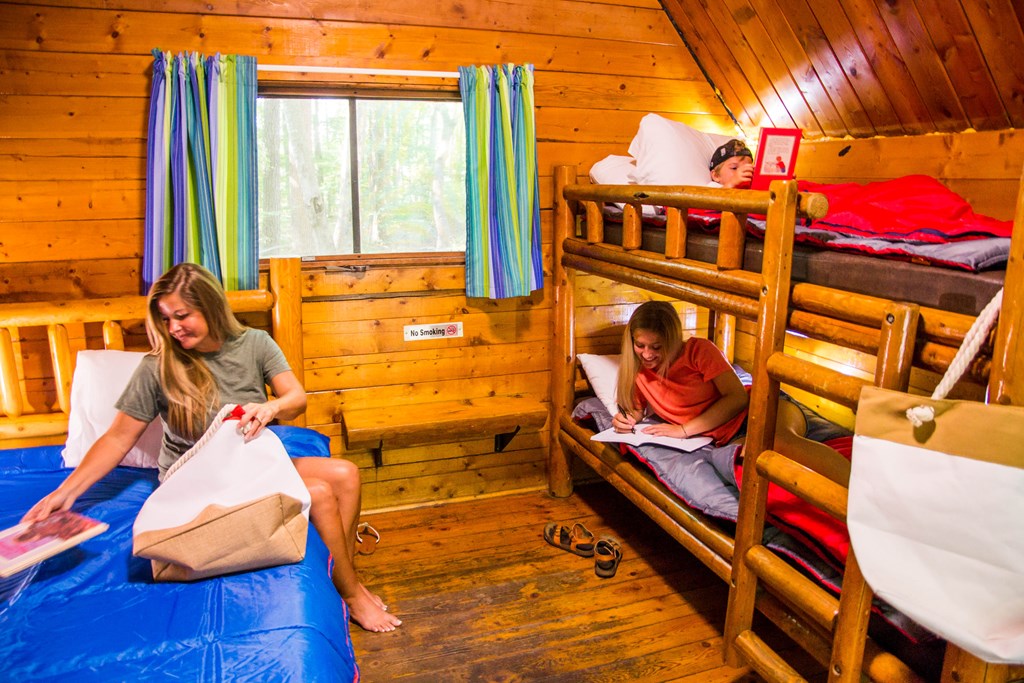
Cabin camping sits right between roughing it and luxury travel. You get walls, a roof, and sometimes even a bathroom, but you won’t have hotel staff or room service. Most cabins are in scenic, quiet areas—forests, lakesides, or mountains. You’ll probably cook, sleep, and relax away from city noise.
But don’t let the walls fool you; you still need to pack wisely.
Two things surprise most people: First, many cabins are more basic than you expect. Second, the weather can change quickly, and you might be farther from a store than you think. Packing the right items can make all the difference. Let’s break it down so nothing gets missed.
Clothing: Comfort, Weather, And Layers
It’s tempting to pack light for a cabin, but weather and activities demand smart choices. Here’s what works best for me:
- Base layers: Think of thermal shirts and leggings, especially if it’s cold. Even summer nights can get chilly.
- Comfortable pants and shorts: Cabin floors can be cold, so I bring cozy joggers and jeans for evenings, plus a pair of shorts for warmer days.
- T-shirts and long sleeves: I usually bring more tops than bottoms. Layers help you adjust as the day changes.
- Sweatshirt or fleece jacket: Even with a heater, mornings and nights can be brisk.
- Waterproof jacket or rain poncho: Weather in the woods is unpredictable. A light, packable rain jacket has saved me many times.
- Socks and underwear: I always pack extras. Wet feet can ruin a trip.
- Sleepwear: Cabin beds can feel cold, so I bring soft pajamas or thermal sleepwear.
- Hat and gloves: For spring or fall trips, these small items make a big difference.
- Swimsuit: If there’s a lake or hot tub nearby, you’ll want it.
Non-obvious tip: Even if the cabin has heat, power outages happen. Always have something warm to sleep in.

Footwear: Traction, Warmth, And Dryness
Cabin floors are often wooden, cold, or even dirty. Outside, you’ll walk on gravel, wet grass, or mud. Here’s what I bring every time:
- Hiking boots or trail shoes: For walks and exploring.
- Slip-on shoes or sandals: For quick trips to the bathroom or porch.
- Warm slippers: Nothing beats cozy feet inside the cabin.
- Water shoes: If you’re near a river or lake, these are helpful.
Insider’s note: I used to skip slippers, but after stepping on cold floors at midnight, I never forget them now.
Sleeping Gear: Getting A Good Night’s Rest
Many cabins provide beds, but the bedding can be thin or scratchy. Some only have foam mats. For a comfortable sleep, I always bring:
- Sleeping bag or personal blanket: Even if sheets are provided, I prefer my own bedding.
- Pillow: Cabin pillows can be flat or musty. A travel pillow works if space is tight.
- Extra blanket: For layering on cold nights.
- Earplugs and eye mask: If you’re a light sleeper, you’ll appreciate these. Cabins can be noisy with wildlife or creaky walls.
Pro tip: If you have allergies, bring a pillowcase from home. It’s an easy way to avoid musty smells.
Food And Cooking: Be Prepared, Not Overloaded
Cooking in a cabin can be fun, but kitchens are often limited. Some have just a fire pit or a microwave, others a full stove. Before you go, check what’s available. Here’s what I usually pack:
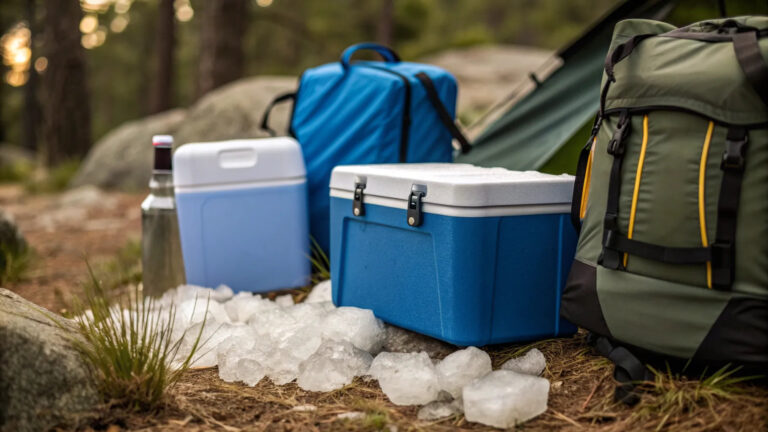
- Portable cooler: For items that need to stay cold.
- Reusable water bottle: Many cabins have potable water, but not all. Sometimes, I bring extra jugs.
- Snacks: Nuts, dried fruit, granola bars—things that travel well.
- Simple meals: Pasta, rice, canned soup, and instant oatmeal are easy. If there’s a grill, I bring burgers, veggies, or sausages.
- Cooking oil, salt, and pepper: Cabins rarely supply seasonings.
- Coffee or tea: Plus a way to make it—French press, pour-over, or instant.
- Cooking gear: A small pot, pan, spatula, and tongs. I once camped in a cabin with no utensils—never again.
- Plates, bowls, cups, and cutlery: Lightweight, reusable ones are best.
- Dish soap and sponge: A few cabins have them, but most don’t.
- Trash bags: For cleanup, especially in wildlife areas.
Practical advice: Pre-chopping veggies and marinating meats at home saves time and avoids mess.
What to Pack for Camping on the Beach (The Only Checklist You’ll Actually Need)
Sample Meal Plan For A 2-day Cabin Stay
| Meal | Day 1 | Day 2 |
|---|---|---|
| Breakfast | Oatmeal, fruit, coffee | Eggs, toast, tea |
| Lunch | Sandwiches, chips | Wraps, trail mix |
| Dinner | Grilled chicken, rice, veggies | Pasta with sauce, salad |
| Snacks | Granola bars, apples | Popcorn, cookies |
Kitchen Supplies: Bring Just Enough
Many cabins have some kitchen gear, but it’s rarely complete. Here’s my go-to list:
- Sharp knife: Cabin knives are usually dull.
- Cutting board: For food prep.
- Can opener: Easy to forget, but essential if you pack canned food.
- Lighter or matches: For a stove, grill, or campfire.
- Aluminum foil: Great for cooking and cleanup.
- Paper towels: For spills and napkins.
One time, I forgot a can opener and ended up using a pocket knife—never again.
Personal Hygiene: Stay Fresh, Even In The Woods
Even cabins with bathrooms can be basic. Sometimes you get a shower, sometimes only a toilet. Here’s what I always pack:
- Toothbrush, toothpaste, floss
- Soap and shampoo: Travel sizes work best.
- Towel and washcloth: Quick-dry towels are light and pack easily.
- Deodorant
- Brush or comb
- Sunscreen and bug spray: I never skip these, even in cooler weather.
- Hand sanitizer
- Toilet paper: Some cabins don’t restock.
- Feminine hygiene products: Plan for more days than you expect, just in case.
- First aid kit: Include band-aids, antiseptic, tweezers, painkillers, and allergy meds.
Common mistake: Forgetting that well water can be hard on your hair or skin—bring moisturizer or conditioner if you’re sensitive.
Cabin Comforts: Make It Feel Like Home
Cabins can be bare. A few small items can make your stay more relaxing:
- Favorite pillow or blanket: For comfort.
- Books or magazines: For quiet evenings.
- Playing cards or games: For group fun.
- Portable speaker: For music (keep it low to respect nature and neighbors).
- Reading light or headlamp: Cabins often have dim lighting.
- Phone charger and power bank: Not all cabins have outlets in every room.
Hidden gem: I bring a lavender sachet for my pillow. It masks musty smells and helps me sleep.
Outdoor Gear: Enjoy Nature Safely
Even if you spend most time inside, cabin camping is about being outdoors. A little gear makes it much better:
- Backpack or daypack: For hikes or walks.
- Binoculars: Birdwatching or seeing distant views.
- Map and compass: GPS can fail in remote areas.
- Flashlight or headlamp: Night walks, bathroom trips.
- Extra batteries
- Multi-tool or pocket knife
- Sunscreen and bug spray: Worth repeating; ticks and sunburn can ruin a trip.
- Waterproof dry bag: For electronics or valuables if you’re near water.
Beginner tip: A basic first aid kit should always be in your backpack, not just the cabin.
Tech And Power: Stay Connected—or Not
Some people want to unplug, others need a phone for safety. Here’s how I balance both:
- Cell phone and charger: For emergencies and photos.
- Portable power bank: Outlets can be limited.
- Camera: If you want better photos than your phone can manage.
- Watch or clock: Many cabins have no clocks.
- Small lantern: For lighting up larger spaces.
Unexpected lesson: I once camped in a cabin with no cell signal but with Wi-Fi. Check ahead if you need to stay in touch.
Weather Protection: Be Ready For Anything
Cabins are sturdy, but weather still matters. Here’s what I keep handy:
- Rain gear: Waterproof jacket, hat, pack cover.
- Warm layers: Even in summer, mountain cabins get cold.
- Sun hat and sunglasses
- Gloves and scarf: For fall or spring trips.
- Umbrella: For walks to the restroom or car.
Non-obvious insight: If your cabin has a wood stove, check if firewood is included—sometimes you have to buy it separately.
Entertainment: Make The Most Of Your Evenings
Nature is wonderful, but evenings can get long, especially if it rains. Here’s how I stay entertained:
- Board games or card games: Easy to pack, fun for groups.
- Books or e-reader: For solo time.
- Sketchbook or journal: I like to record my thoughts or sketch nature.
- Download movies or podcasts: In case there’s no internet.
Personal favorite: Star gazing. I always bring a simple star chart or an app—cabins usually have very dark skies.
Cleaning Up: Leave No Trace
A clean cabin is part of the adventure. I always bring:
- Trash bags: For all garbage, especially in bear country.
- Disinfectant wipes: For quick cleaning.
- Paper towels
- Small broom or dustpan: Some cabins have them, but I bring a travel-size one just in case.
- Laundry bag: To keep dirty clothes separate.
Important tip: Never leave food or trash outside—animals will find it, and you could get fined.
What To Wear When Camping In The Summer? Avoid Sunburn, Sweat & Bug Bites
Kids And Pets: Special Packing Needs
If you’re bringing kids or pets, a few extras are essential.
For Kids
- Favorite snacks and drinks
- Toys and games
- Child-sized sleeping bag or blanket
- Bug spray and sunscreen for kids
- Child-safe flashlight
- Rain boots and extra clothes
For Pets
- Leash and collar
- Pet bed or blanket
- Food and water bowls
- Extra towels for muddy paws
- Waste bags
- Copy of vaccination records (some parks require this)
Personal story: I once forgot my dog’s favorite toy. He whined all night. Now, his favorite things always go in the bag first.
Safety And Emergency Supplies
Cabins are safe, but emergencies happen. I always carry:
- First aid kit: Bandages, antiseptic, tweezers, pain relievers, allergy meds.
- Flashlight and extra batteries
- Whistle: For signaling if you get lost.
- Emergency blanket
- List of emergency contacts
- Fire extinguisher: If the cabin doesn’t have one, ask for it.
Rarely known: Not all cabins have smoke detectors—bring a small battery-powered one if you’re staying somewhere remote.
Essential Packing Comparison
To help you balance comfort and space, here’s a simple comparison of “must-have” versus “nice-to-have” items for cabin camping.
| Must-Have Items | Nice-to-Have Items |
|---|---|
| Sleeping bag or bedding | Extra pillow |
| Weather-appropriate clothing | Books and games |
| Food and water | Portable speaker |
| First aid kit | Binoculars |
| Rain jacket | Journal or sketchbook |
| Flashlight/headlamp | Camera |
| Cooking supplies | Slippers |
Cabin Camping Packing Mistakes To Avoid
Over the years, I’ve made a few mistakes. Here’s what I wish I’d known sooner:
- Don’t trust cabin listings blindly. Some promise “fully stocked kitchens” but only have a pan and two forks.
- Don’t overpack clothing. Focus on layers and weather, not style.
- Don’t forget small comforts. A book, favorite mug, or pillow can make a huge difference.
- Don’t leave essentials behind. Always double-check your food, bedding, and first aid before leaving home.
- Don’t ignore the weather forecast. Pack for possible rain or cold, even if it looks sunny now.
What to Look for When Buying a Camper (A Real-World, No-Regrets Guide)
Packing For Different Seasons
The time of year changes what you need. Here’s how I adjust my packing:
Spring
- Pack for rain and mud.
- Bring bug spray—mosquitoes wake up early.
Summer
- Bring sun protection, swimsuits, and light layers.
- Add extra water and fans if the cabin isn’t air-conditioned.
Fall
- Layer up for cold mornings.
- Gloves, hat, and extra blankets are musts.
Winter
- Bring a sleeping bag rated for low temps.
- Portable heater (if safe and allowed) and extra socks.
Key detail: Always check if the cabin has heat or air conditioning. Don’t assume.
Packing Checklist For Cabin Camping
Here’s a summary checklist you can use to make sure nothing gets missed:
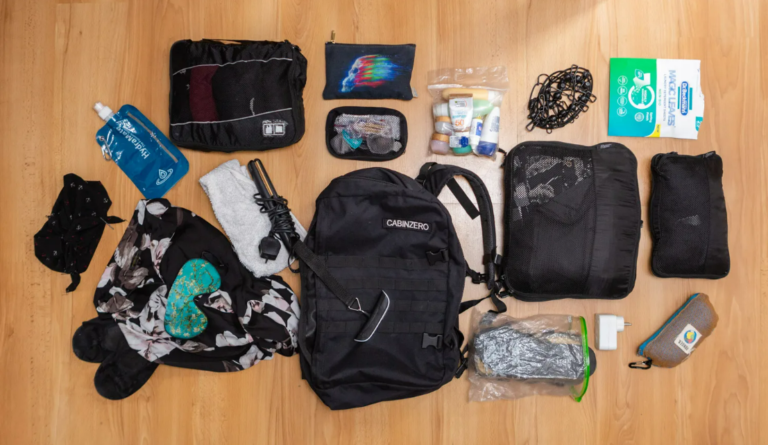
- Weather-appropriate clothing (layers, rain gear, warm hat)
- Comfortable shoes, boots, slippers
- Sleeping bag, pillow, extra blanket
- Personal toiletries, towel, soap
- Food and snacks, cooler, water bottle
- Cooking gear, utensils, plates, cups
- First aid kit, medication
- Flashlight, batteries, phone charger
- Games, books, entertainment
- Trash bags, cleaning supplies
- Outdoor gear (backpack, map, compass)
- Kids’ and pets’ gear (if needed)
- Emergency supplies
Print this or save it on your phone for your next trip.
Bonus Tips For A Great Cabin Camping Experience
- Arrive before dark. Setting up and getting comfortable is much easier in daylight.
- Check the cabin’s amenities list. Not all cabins have Wi-Fi, air conditioning, or even indoor plumbing.
- Bring cash. Some remote areas have no card readers or ATMs.
- Respect quiet hours and rules. Cabin areas are usually shared with other guests or wildlife.
- Leave the cabin cleaner than you found it. It’s good manners—and often required.
For more detailed packing tips, the National Park Service has a helpful guide on cabin camping preparation.
Frequently Asked Questions
What Should I Pack For A Winter Cabin Camping Trip?
Pack warm layers, a sleeping bag rated for low temperatures, insulated boots, gloves, a hat, and a portable heater if allowed. Bring plenty of food, as winter weather can cause delays, and don’t forget a flashlight and extra batteries.
Are Bed Linens Usually Provided In Cabins?
Not always. Some cabins have only a mattress or basic bedding. It’s safest to bring your own sleeping bag, sheets, and pillow. Check with your cabin host before packing.
How Can I Keep Food Safe From Animals In A Cabin?
Store all food in sealed containers inside the cabin, never outside. Use the refrigerator if available. Take all trash out at night or keep it in a secure bin. Never leave food scraps or packaging outside.
Do I Need To Bring Cleaning Supplies?
Yes. Many cabins only provide a broom or nothing at all. Bring trash bags, paper towels, disinfectant wipes, and dish soap to keep the space tidy and to avoid extra cleaning fees.
What If The Cabin Has No Running Water?
Bring enough water for drinking, cooking, and washing—at least one gallon per person per day. Wet wipes and hand sanitizer help when showers aren’t available. Some campgrounds have communal water spigots nearby.
—
Cabin camping is about relaxing, reconnecting with nature, and making memories. With the right packing, you’ll enjoy the adventure instead of wishing you’d brought just one more thing. Every trip teaches me something new, but with this guide, you’re well on your way to a cozy, fun, and stress-free cabin stay.
Happy camping!