How To Keep A Cooler Cold While Camping? Secret Of My Cooler at 34°F for a 4-Day Trip
Pre-chill your cooler, use block ice, keep it shaded, and open it rarely.
If you want to know how to keep a cooler cold while camping, you’re in the right place. I’ve guided trips from humid forests to scorching deserts and learned what actually works. In this deep, practical guide, I’ll show you how to keep a cooler cold while camping with smart prep, proven packing, and field-tested habits that protect both your food and your fun.
How Cold Escapes: The Basics You Need To Know
Keeping cold in is the same as keeping heat out. Heat sneaks in through the cooler’s walls, lid, drain, and every time you crack it open. Knowing this helps you fix the leaks.
- Conduction: Heat moves through thin walls and lids. Thicker insulation slows it down.
- Convection: Warm air rushes in when you open the lid. Fewer openings means less heat.
- Radiation: Sunlight warms the shell. Shade and reflective covers help.
- Air exchange: Empty space warms fast. Fill gaps to reduce warm air inside.
My rule in camp: treat your cooler like a fridge with a price on every open. If you want to master how to keep a cooler cold while camping, start by reducing these heat leaks.

Choose The Right Cooler For The Job
Not all coolers are equal. Pick gear that matches your trip length, group size, and climate.
- Rotomolded coolers: Thick insulation, tight gaskets, long ice life. Heavier and pricier, but worth it for multi-day heat.
- Standard hard coolers: Lighter and cheaper. Good for weekend trips if you pack smart.
- Soft coolers: Best for day use. They warm faster and lose cold when opened often.
- Key features that matter: Gasketed lid, sturdy latches, thick walls, light-colored shell, raised base, drain plug that seals tight.
If you camp often in hot places, invest once. I’ve pushed a 65-quart rotomolded cooler to hold ice for five days in desert shade by using solid prep and smart packing. That’s the core of how to keep a cooler cold while camping in real heat.
Pre-Trip Prep That Pays Off
Good prep beats buying more ice later. Do these the day before you head out.
- Pre-chill the cooler: Fill with frozen water jugs or bags of sacrificial ice for 12–24 hours, then dump and pack.
- Pre-chill food and drinks: Start everything cold. Freeze water bottles and some meals.
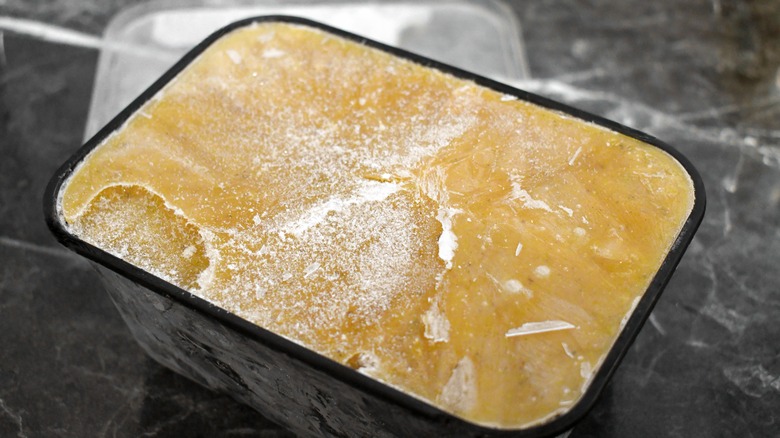
- Make block ice: Freeze water in loaf pans or milk jugs. Blocks melt slower than cubes.
- Portion and label: Use clear bins or bags so you grab fast and close the lid.
- Dry ice option: Works well with rotomolded coolers and vented lids. Handle with gloves. Never seal in airtight spaces due to gas buildup.
These habits are small but powerful. If someone asks how to keep a cooler cold while camping, this prep is my first answer.

Pack Your Cooler Like A Pro
The way you load the cooler decides how long it stays cold.
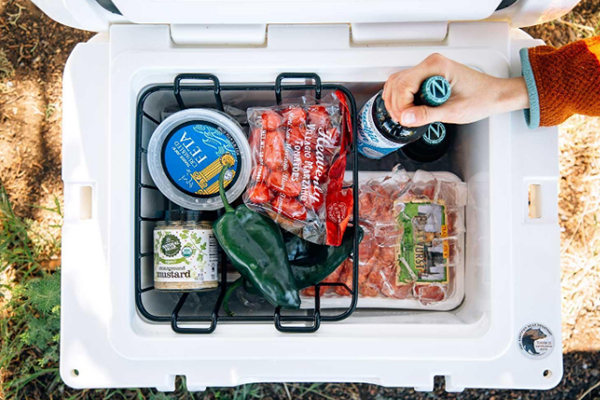
- Create layers: Block ice at the bottom, then raw meat in sealed bags, then dairy and prepared meals, then drinks on top.
- Fill gaps: Use frozen water bottles or small ice packs to remove air pockets.
- Use a basket: Keep perishables high and dry. Meltwater is fine, but you want food out of it.
- Color code or bin: Drinks in one bin, breakfast items in another. Fast grabs mean faster closes.
- Top it off: Add a final layer of ice or a reflective pad at the top, where heat enters most.
I pack two coolers on long trips. One “cold storage” that stays closed, and one “day cooler” for drinks. It’s my favorite way to keep food safe and is a big part of how to keep a cooler cold while camping with a group.
How To Hook Up Camper Sway Bars? (And How to Fix Your Bar Setup in 10 Minutes)
Ice Choices: What Actually Works
Not all cold sources are equal. Use a mix for best results.
- Block ice: Longest-lasting base layer.
- Cubed ice: Fills small gaps and chills drinks fast, but melts sooner.
- Frozen bottles: Dual use for drinking water and gap fillers. Less mess than loose ice.
- Gel packs: Reusable and neat. Great in the day cooler.
- Dry ice: Super cold. Keep it on top (cold sinks), wrap in paper, and ventilate.
Tip: Don’t add salt to your ice. It drops the freezing point, but you’ll melt ice faster and cool less overall. If your aim is how to keep a cooler cold while camping, go for big blocks plus a little cube ice.

In-Camp Habits That Keep It Cold
Once at camp, your daily routine decides how long your ice lasts.
- Park in shade: Use a tree, tarp, or reflective blanket. Move the cooler as the sun shifts.
- Lift it off hot ground: Use a mat or foam pad to reduce heat from below.
- Keep it closed: Plan “cooler runs.” Assign one person to grab what’s needed.
- Cover the lid: A damp towel under shade adds a bit of evaporative cooling.
- Face the drain uphill: Prevent warm water loss unless you choose to drain.
- Drain or not to drain: If you need max cold, keep the cold meltwater. If you need to keep food dry or add new ice, drain and top with fresh ice.
I set a small notepad on top of the cooler with what’s inside. That list alone cuts lid-open time in half and is a simple hack for how to keep a cooler cold while camping.

Different Climates, Different Tactics
Adjust your approach based on the weather.
- Desert heat and sun: Use double shade (tarp plus tree), white or reflective cover, and minimal opening. Pre-freeze more items.
- Humid forests: Mold loves wet gear. Keep lids clean and dry. Use sealed containers and drain when needed.
- Beach trips: Sand radiates heat. Elevate the cooler and use a reflective windshield sunshade as a wrap.
- Bear country: Use bear boxes or approved containers. Scent-proof bags help. Do not store in your tent.
In all cases, how to keep a cooler cold while camping comes down to shade, smart packing, and fewer openings.
Why is My Camper AC Leaking Inside? 10 Common Culprits & Quick Fixes
Food Safety: Cold Enough To Be Safe
Cold protects more than comfort. It protects health.
- Target temperature: 40°F or below for perishable foods.
- Use a thermometer: Keep one in the cooler. Check morning and evening.
- Danger zone: 40–140°F. Limit exposure. If in doubt, throw it out.
- Raw meat rules: Double-bag, keep on the bottom, and use a separate prep area.
- Meal plan: Eat highly perishable foods first. Save frozen soups or stews for later days.
Food safety guidance agrees: steady cold is key. If you want a clear plan for how to keep a cooler cold while camping, track the temp and build meals around what stays coldest longest.
Gear Checklist And Smart Hacks
A few cheap add-ons can double your ice life.
- Must-haves: Cooler thermometer, reflective blanket or windshield sunshade, foam pad, extra ice or frozen bottles, leakproof bins, towel for the lid, marker and tape for labels.
- DIY cooler jacket: Wrap with a reflective sunshade and secure with bungees. It blocks sun and heat.
- Quick-chill tube: Make a small ice bag bundle for the top layer where heat enters.
- Drink discipline: Keep drinks in a separate day cooler. Warm cans kill ice fast.
- Night reset: Move cooler to the coldest spot at night and air it out briefly if humidity built up.
These simple tools are my secret sauce for how to keep a cooler cold while camping without spending a fortune.
Mistakes To Avoid
Learn from the missteps I made when I started.
- Packing room-temp groceries: Warm food melts ice fast.
- Leaving air gaps: Empty space equals warm air.
- Parking in the sun: Even for an hour, it adds heat.
- Over-checking: Opening the lid for one drink at a time.
- Ignoring the drain: Letting warm water in without a plan to replace ice.
- Mixing raw and ready-to-eat: Safety risk and more lid time finding things.
Avoid these and you’re already ahead on how to keep a cooler cold while camping.
Frequently Asked Questions Of How To Keep A Cooler Cold While Camping
How much ice do I need for a weekend trip?
Plan for a 2:1 ice-to-food ratio by volume for hot weather. Use block ice for the base and cubes to fill gaps.
Should I drain the water as the ice melts?
If you can add new ice, drain to keep temperatures low and food dry. If ice is limited, keep the cold meltwater to maintain a stable cold bath.
Is dry ice safe in a cooler?
Yes, with care. Wear gloves, wrap it, and vent the cooler so gas can escape; never store in a closed car or tent.
What is the best way to organize food in the cooler?
Layer by need and safety: blocks on bottom, raw meat, then dairy and meals, then drinks. Use bins and labels to reduce how long the lid stays open.
How do I pre-chill a cooler if I don’t have space at home?
Buy a cheap bag of ice the day before, seal the lid, and dump it before packing. Even 4–6 hours of pre-chill helps a lot.
Can I refreeze bottles during the trip?
If you have access to a freezer, yes. Otherwise, keep them near the coldest zones to act like mini blocks and drink them as they thaw.
Does adding salt to ice make my cooler colder?
It makes a colder slush but melts ice faster and reduces overall life. For camping, it’s not worth the trade-off.
Conclusion
You now have a complete plan for how to keep a cooler cold while camping: pre-chill everything, pack in layers, protect from sun, open it less, and track the temperature. Use blocks for staying power, cubes for quick chill, and smart shade for steady results. Try one or two tips on your next trip, then add more as you dial in your system.
Ready to camp colder and safer? Put these steps to work this weekend, share your results, and subscribe for more field-tested camping guides.