How to Make a Generator Quiet for Camping: Ways to Make Your Generator Dead Silent
Camping is a great way to connect with nature, but a noisy generator can ruin the peaceful experience. Many campers rely on generators for electricity, but the loud hum can disturb sleep, annoy neighbors, and even scare away wildlife. Thankfully, there are smart ways to make your generator much quieter.
In this guide, you’ll learn practical steps, expert tips, and what beginners often miss when trying to quiet a generator for camping.
How To Make A Generator Quiet For Camping
To make a generator quiet for camping, use a combination of methods: choose a quiet generator, place it far from your campsite, use a sound deflector, build a soundproof box, set it on a soft surface, maintain it well, and consider using extra mufflers or noise-reducing accessories. Each step lowers noise in a different way.
Let’s break down the best methods to quiet your generator and how you can apply them easily, even if you’re new to camping or using generators.
Choose A Quiet Generator Model
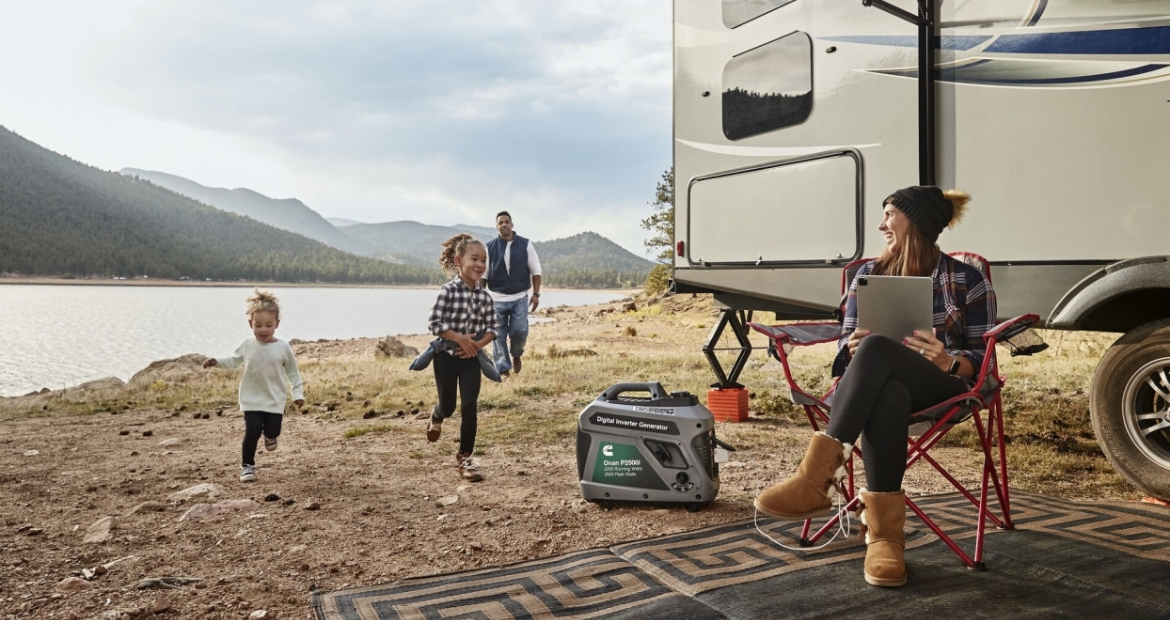
The simplest way to cut noise is to start with a quiet generator. Inverter generators are much quieter than traditional open-frame types. Some models run at around 50-60 decibels (dB), which is about the noise level of a normal conversation.
| Generator Type | Average Noise Level (dB at 23 ft) |
|---|---|
| Traditional Portable Generator | 70-90 dB |
| Inverter Generator | 50-65 dB |
| Solar Generator | 0 dB |
Pro tip: Look for generators labeled as “quiet” or “inverter.” Brands like Honda, Yamaha, and Champion are popular for low noise.
Position Your Generator Wisely
Distance is your friend when it comes to noise. Sound gets much quieter as you move away from the source. Placing your generator at least 20-30 feet from your campsite will make a big difference.
- Set the generator downwind of your tent or RV, so noise travels away.
- Avoid placing it near hard surfaces like rocks or walls, which reflect sound back.
- If possible, place it behind natural barriers (trees, hills) to block noise.
Insight: Every time you double the distance from a noise source, the perceived noise drops by about 6 dB. So, even a few extra feet make a real difference.
Use A Sound Deflector
A sound deflector is a simple way to redirect generator noise. You can make one by placing objects around the generator to block and absorb sound.
- Use plywood sheets, coolers, or even a stack of firewood.
- Angle the deflectors so noise goes away from your campsite.
- Leave enough space for airflow to prevent overheating.
| Material | Noise Reduction | Ease of Use |
|---|---|---|
| Plywood | Moderate | Easy |
| Firewood Stack | Low | Very Easy |
| Commercial Sound Barriers | High | Medium |
Practical example: Set up two plywood boards in a “V” shape, with the open end facing away from camp. This can cut noise by 5-8 dB.
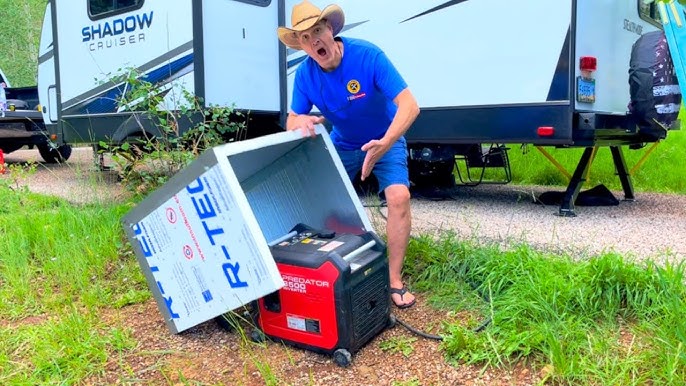
Build A Soundproof Generator Box
Building a soundproof box is an effective way to keep the noise down. This is a wooden or metal box lined with sound-absorbing material.
Steps to build a soundproof box:
- Measure your generator and add 6 inches on all sides for airflow.
- Build a box using plywood or MDF boards.
- Line the inside with acoustic foam or moving blankets.
- Cut holes for air intake and exhaust—install vents or fans if needed.
- Place the generator inside and close the lid.
Warning: Never seal the box completely. Generators need fresh air to run and to prevent overheating. Always allow for exhaust and cooling.
Non-obvious insight: Many campers forget to line the air intake and exhaust holes with acoustic material. Adding foam around these areas cuts noise leaks significantly.
Place The Generator On A Soft Surface
Putting your generator on soft ground absorbs vibrations and reduces noise. Hard surfaces like concrete or wood make the sound louder.
- Use grass, dirt, or sand if possible.
- If you must use a hard surface, place a thick rubber mat, foam pad, or even a folded blanket under the generator.
Expert tip: Anti-vibration pads (sold for washing machines) can cut low-frequency noise by up to 50%.
Add An Extra Muffler Or Silencer
Some generators allow you to add a secondary muffler to the exhaust. This works like a car muffler, cutting engine sound.
- Check your generator’s manual to see if this is possible.
- Universal mufflers are sold online, but installation may require drilling or welding.
- Always point the exhaust away from your campsite.
Important: Not all mufflers fit every generator. Double-check compatibility before buying.
Keep The Generator Well-maintained
A poorly maintained generator is usually louder. Dirty spark plugs, old oil, or loose parts can increase noise.
- Change oil and air filters regularly.
- Tighten bolts and screws.
- Clean the spark arrestor and exhaust pipe.
Beginner mistake: Ignoring small rattles. Even a loose heat shield can make the generator twice as loud.
Use Extension Cords To Increase Distance
A long, heavy-duty extension cord lets you place the generator further from your campsite without losing power.
- Use cords rated for outdoor use and the wattage of your generator.
- 50-foot or 100-foot cords are common for camping.
Safety reminder: Roll out the entire cord to prevent overheating. Never use a damaged or undersized cord.
Try Generator Tents Or Canopies
Generator tents are special covers designed to reduce noise and protect from rain.
- Made from waterproof and sound-absorbing material.
- Allow for airflow and exhaust.
- Reduce noise by 5-7 dB in most cases.
Note: Never use a regular camping tent or tarp for this. It’s not safe and can cause overheating.
Place Barriers Between The Generator And Camp
Setting up barriers between your generator and campsite helps block sound.
- Use your car, a stack of coolers, or even camping chairs as a wall.
- Combine this with other methods for better results.
Advanced tip: Use two barriers (one close to the generator, one close to camp) for layered noise reduction.
Consider Alternative Power Sources
If noise is a major problem, consider solar panels or battery packs. These are silent and great for charging small devices.
- Solar generators are 100% quiet, but power output is limited.
- For high-power needs, combine solar with a generator and use the generator only when necessary.
For more about alternative power, check out U.S. Department of Energy.
Compare Noise Reduction Methods
Here’s a quick comparison of the most effective methods:
| Method | Noise Reduction (Approx dB) | Cost | Difficulty |
|---|---|---|---|
| Quiet Generator Model | 15-30 | High | Easy |
| Soundproof Box | 10-20 | Medium | Medium |
| Sound Deflector | 5-8 | Low | Easy |
| Extra Muffler | 5-12 | Medium | Medium |
| Soft Surface/Pad | 2-5 | Low | Easy |
| Generator Tent | 5-7 | Medium | Easy |
Common Mistakes When Trying To Quiet A Generator
Many campers make small mistakes that can actually make their generator louder or even unsafe. Be careful to avoid these:
- Blocking air vents: Overheating is a risk if airflow is blocked by soundproofing.
- Using the wrong materials: Flammable materials can catch fire from hot exhaust.
- Ignoring maintenance: Worn parts or loose bolts increase vibration and noise.
- Underestimating distance: Keeping the generator too close out of convenience makes noise worse for everyone.
What Beginners Miss About Generator Noise
Two things often surprise first-time campers:
- Low-frequency noise travels further. Even if you block high-pitched sounds, the deep “hum” can travel for hundreds of feet. Focus on absorbing vibrations and using barriers.
- Weather affects noise. On still nights, sound travels further. Wind and rain can help mask noise, but clear, calm air lets it carry.
Frequently Asked Questions
How Quiet Should A Generator Be For Camping?
Most campgrounds recommend generators under 65 dB at 23 feet. Quieter is always better—aim for 50-60 dB if possible.
Can I Use A Regular Generator At A National Park?
Some parks only allow generators during certain hours or ban loud models. Always check local rules, as fines can be high for breaking quiet hours.
Is It Safe To Run A Generator All Night?
It’s not recommended. Even quiet generators need supervision to avoid overheating, fuel spills, or carbon monoxide buildup. Use battery packs for overnight power.
Will A Soundproof Box Overheat My Generator?
Not if you design it correctly. Always include large vents and, if possible, a small fan. Monitor temperature the first few uses to be sure.
Are Solar Generators Really Powerful Enough For Camping?
For small devices (phones, lights, laptops), yes. But for air conditioners, microwaves, or power tools, you’ll need a gas generator or a big battery bank.
Keeping your generator quiet is not just about comfort—it’s about respecting nature and your fellow campers. With the right combination of smart placement, barriers, maintenance, and noise-reducing gear, you can enjoy the convenience of electricity without losing the sounds of the wild.
Try a few of these tips on your next trip, and you—and your neighbors—will sleep better under the stars.