Why is My Camper AC Leaking Inside? 10 Common Culprits & Quick Fixes
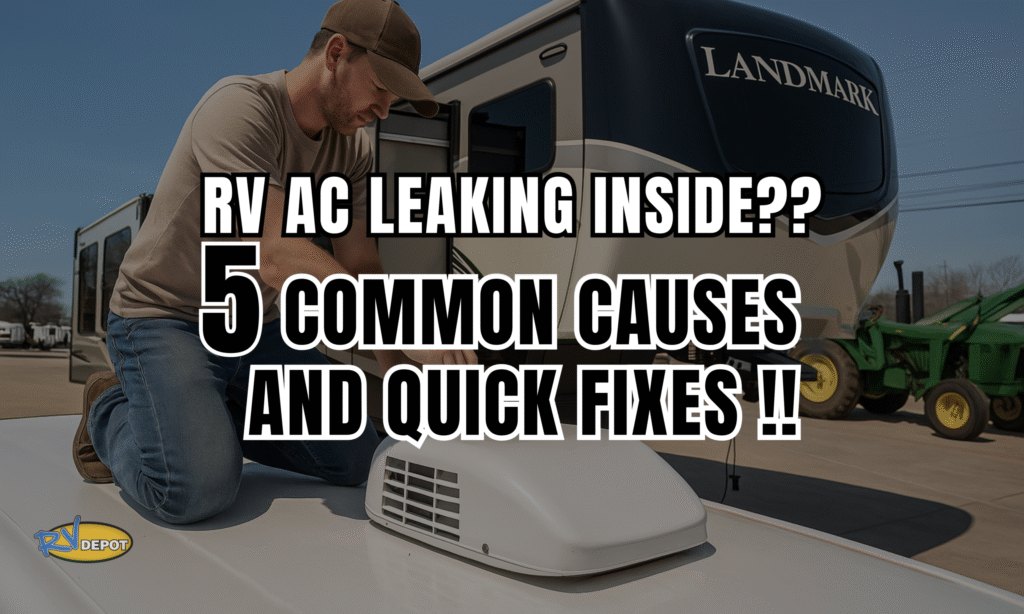
Most leaks are due to condensation not draining as it should, or from blockages, broken seals, or installation issues. Sometimes, the cause is simple—like a clogged drain pan. Other times, it’s a sign of a more serious problem, such as a damaged evaporator coil or poor camper leveling.
Knowing how to spot and fix these issues can save you time, money, and stress on your next trip. Let’s look at the main reasons your camper AC might be leaking inside, how to troubleshoot, and what you can do to prevent leaks in the future.
The Most Common Reasons Your Camper Ac Leaks Inside
The main reason your camper AC leaks inside is because condensation water that should drain outside is instead finding its way into your living space. Here are the most frequent causes:
1. Clogged Drain Pan Or Drain Line
The drain pan collects water that drips off the AC’s evaporator coils. If dirt, dust, or mold blocks the drain hole or line, water can overflow inside your camper.
2. Improper Camper Leveling
If your camper isn’t parked level, gravity can’t move water toward the drain. This causes water to spill out of the AC unit and into the interior.
3. Damaged Or Disconnected Drain Line
The drain line can crack, loosen, or disconnect from vibrations or road bumps. If this happens, water leaks inside instead of draining outside.
4. Dirty Or Blocked Air Filter
A dirty filter reduces airflow, which can cause the coils to freeze. When the ice melts, the drain pan can overflow, leading to leaks.
5. Faulty Ac Gasket Or Seals
The gasket is a rubber seal between the AC unit and the camper roof. If it’s compressed, cracked, or installed wrong, rainwater or condensation can seep inside.
6. Frozen Evaporator Coils
If the coils freeze (often from poor airflow or low refrigerant), the melting ice can overwhelm the drain system, resulting in leaks.
7. Damaged Or Rusted Drain Pan
Over time, metal drain pans can rust through or crack, allowing water to escape into the camper’s ceiling or walls.
8. Improper Ac Installation
Incorrect installation can lead to poor drainage, pinched drain lines, or failed seals, all of which cause leaks.
9. High Humidity Or Extreme Use
Running the AC non-stop in humid weather creates more condensation than usual. Sometimes the drain system can’t keep up, especially if it’s not cleaned regularly.
10. Roof Damage Around The Ac
Water can enter if the camper’s roof is cracked near the AC unit, especially during rain.
Let’s explore each of these causes, how to recognize them, and what you can do to fix and prevent leaks.
How To Diagnose The Cause Of Your Camper Ac Leak
Directly diagnosing why your camper AC is leaking inside starts with a simple inspection:
- Check for visible water trails, stains, or puddles around the AC unit.
- Open the interior AC cover and look for standing water in the drain pan.
- Inspect the air filter and evaporator coils for dirt or frost.
- Look for water dripping from the roof AC unit to the inside (not outside).
Once you see where the water is coming from, you can narrow down the cause:
- If water collects even when it hasn’t rained, condensation is most likely the problem.
- If leaks happen only after rain, suspect roof or gasket issues.
- If the AC is running but not cooling well, a dirty filter or frozen coil could be the culprit.
A step-by-step approach helps you find and fix the source of the leak faster.
How to Keep a Cooler Cold While Camping: 11 Simple Tricks That Actually Work
Clogged Drain Pan Or Drain Line
A clogged drain pan or drain line is the most common reason for camper AC leaks inside. As the air conditioner removes humidity, water drips into the pan and should exit through a small drain line. Dust, pollen, and mold can quickly block these narrow passages. When blocked, water backs up and spills out into your camper’s ceiling or walls.
How To Check And Clear A Clogged Drain
- Turn off the AC and disconnect power.
- Remove the interior AC cover.
- Locate the drain pan—look for standing water.
- Use a wet/dry vacuum or a flexible wire to clear the drain hole and line.
- Pour a small amount of water into the pan to check if it now drains freely.
Non-obvious insight: Even a small blockage can cause a big leak, especially if you’re parked off-level. Regularly cleaning the drain pan can prevent most leaks before they start.
Improper Camper Leveling
The AC’s drainage relies on gravity. If your camper is not level, water won’t flow correctly toward the drain opening. Instead, it can pool at the low side, eventually overflowing into your living space.
How To Fix Leveling Issues
- Use a bubble level tool on your camper floor.
- Adjust stabilizer jacks or leveling blocks until the camper is level side-to-side and front-to-back.
- Recheck drainage from the AC after leveling—sometimes, water starts draining out right away.
Beginner mistake: Many RVers overlook leveling for short stays or when parked on what looks like flat ground. Even a slight tilt can cause drainage problems.
Damaged Or Disconnected Drain Line
Road vibrations, age, or poor installation can cause the drain line to crack or disconnect. When this happens, the water has nowhere to go except inside your camper.
Inspecting And Repairing The Drain Line
- Remove the interior AC cover.
- Trace the drain line from the pan to the exit point.
- Check for cracks, loose fittings, or missing sections.
- Reattach, replace, or seal as needed (use waterproof tape or silicone for small cracks).
A simple, regular check of the drain line can save you costly water damage later.
Dirty Or Blocked Air Filter
A dirty air filter restricts airflow, causing the AC coils to get too cold and sometimes freeze. When the ice melts, the drain pan can overflow and leak inside.
How To Clean Or Replace Your Ac Filter
- Turn off the AC.
- Remove the filter (usually behind the interior cover).
- Wash with mild soap and water; let dry completely.
- Replace if torn or worn out.
Practical tip: Clean your filter every two weeks during heavy use. You’ll improve AC efficiency and reduce the chance of leaks.
Faulty Ac Gasket Or Seals
The AC gasket is a thick rubber seal between the air conditioner and your camper’s roof. If the gasket is compressed too much, cracked, or incorrectly installed, water can leak in. This is especially common after driving on rough roads or after years of sun exposure.
How To Check And Fix The Gasket
- Inspect the gasket from inside or on the roof (only if safe to do so).
- Look for visible cracks, flattening, or gaps.
- Tighten mounting bolts evenly to compress the gasket just enough to seal but not flatten it.
- Replace the gasket if damaged.
Non-obvious insight: Over-tightening the bolts can actually cause leaks by flattening the gasket and making it less effective.
Frozen Evaporator Coils
Frozen coils often happen because of low refrigerant, a dirty filter, or blocked vents. When the ice melts, it can overwhelm the drain pan, creating leaks inside.
Signs Of Frozen Coils
- Weak airflow from the AC vents.
- Ice or frost visible on the coils when you remove the cover.
- Water leaking after the AC has been off for a while.
What To Do
- Turn off the AC and let the ice melt completely.
- Clean the filter and check for blocked vents.
- If the problem returns, have a professional check for refrigerant leaks or airflow issues.
Damaged Or Rusted Drain Pan
Older campers may have a metal drain pan that rusts or cracks over time. Even a small hole can let water escape into the ceiling or walls.
How To Inspect And Repair
- Remove the AC cover.
- Look for rust spots, cracks, or holes.
- Small holes can be patched with waterproof epoxy.
- Larger damage means the pan should be replaced.
Practical tip: If your pan is plastic and cracked, replacement is the safest long-term fix.
Improper Ac Installation
If your AC unit was installed incorrectly, it can cause ongoing leaks. Common mistakes include pinched drain lines, uneven mounting, or missing sealant.
Signs Of Bad Installation
- Leaks that appear right after a new AC is installed.
- Water dripping even when the drain line is clear.
- Gasket not evenly compressed.
How To Fix
- Have an experienced RV technician inspect the installation.
- Re-mount and reseal as needed.
High Humidity Or Extreme Ac Use
In very humid climates, your AC creates more condensation than usual. If you run the AC constantly, the system can become overwhelmed, especially if the drain pan is small or dirty.
What To Watch For
- Water leaks only during extreme humidity or long AC use.
- Drain pan fills up faster than it can empty.
How To Manage
- Clean the drain pan and line more often in humid weather.
- Take short breaks from running the AC to let water drain away.
Non-obvious insight: Upgrading to a larger drain pan or a dual-drain system can help in extreme climates.
Where Is the VIN Number on a Pop Up Camper? Complete Location Guide for Every Camper Owner
Roof Damage Around The Ac
Cracks or gaps in the camper’s roof near the AC unit can let rainwater in. This is common in older campers or after hitting low-hanging branches.
How To Check And Seal Roof Damage
- Inspect the roof for cracks, soft spots, or old sealant.
- Use a non-silicone RV roof sealant to repair cracks.
- Check around the AC base and other roof fixtures.
Data point: According to RV maintenance surveys, over 30% of roof leaks start around AC units and roof vents.

How To Prevent Camper Ac Leaks
Preventing leaks is easier than fixing them once they happen. Here’s how you can keep your camper dry and your AC running smoothly:
- Clean the drain pan and line every month, especially during heavy use.
- Replace or clean the air filter regularly.
- Check and tighten the AC gasket at least once a year.
- Level your camper before running the AC.
- Inspect the roof and sealant around the AC every spring and fall.
- Schedule professional AC maintenance every two years.
How Camper Ac Drainage Works (simplified)
Understanding how your AC’s drainage system should work helps you spot problems faster.
| Component | Function | Common Problem |
|---|---|---|
| Evaporator Coil | Cools air, creates condensation | Freezing, dirt buildup |
| Drain Pan | Catches condensation water | Clogs, rust, cracks |
| Drain Line | Moves water outside | Clogs, disconnection |
| AC Gasket | Seals unit to roof | Compression, cracks |
If any part fails, water will not leave your camper as it should.
Comparison: Common Causes Of Camper Ac Leaks
To help you troubleshoot, here’s a quick comparison of symptoms and likely causes:
| Leak Situation | Most Likely Cause | How to Check |
|---|---|---|
| Leak during AC use (no rain) | Clogged drain, dirty filter | Inspect pan, drain line, filter |
| Leak only after rain | Bad gasket, roof crack | Check gasket, roof sealant |
| Leak after AC has been off | Frozen coils melting | Check for ice on coils |
| Leak at front or back of AC | Camper not level | Use a bubble level, re-level |
When To Call A Professional
While most leaks have simple causes, you should call a certified RV technician if:
- You see significant water damage to ceilings or walls.
- AC performance drops, with weak airflow or short cycling.
- You suspect refrigerant leaks (never attempt to refill refrigerant yourself).
- The AC was recently installed or replaced and leaks immediately.
Professional help is especially important for electrical issues, complex repairs, or if you’re unsure about climbing onto your roof.
Real-world Examples And Stories
Many RV owners have shared their experiences with AC leaks:
- Example 1: A couple noticed damp spots on their camper ceiling after a long drive. They found the drain line had shaken loose during travel. Tightening the line and adding a zip tie fixed the problem.
- Example 2: One family’s AC leaked every time it rained. The real cause was a worn AC gasket, which had flattened after years in the sun. Replacing the gasket stopped the leak, and they checked all other roof seals at the same time.
- Example 3: Another RVer’s AC leaked only in very humid weather. Cleaning the drain pan and installing a small secondary drain line solved the overflow problem.
These stories show that most AC leaks can be fixed with simple tools and regular maintenance.
Common Mistakes To Avoid
- Ignoring small leaks. Even a tiny drip can lead to mold, rot, or expensive repairs.
- Over-tightening the AC gasket. This compresses the seal and makes leaks more likely.
- Using household caulk or silicone. These products don’t flex with your camper and can crack, letting water in.
- Skipping filter cleaning. A blocked filter can start a chain reaction of problems, from frozen coils to water leaks.
- Assuming the leak is from rain. Many leaks are from condensation, not weather.
Maintenance Schedule For Leak-free Camper Ac
Regular care keeps leaks away and your AC running well. Here’s a suggested schedule:
| Task | How Often | Notes |
|---|---|---|
| Clean drain pan and line | Monthly | More often in humid weather |
| Clean/replace air filter | Every 2-4 weeks | During frequent use |
| Check AC gasket | Twice a year | Before and after travel season |
| Inspect roof sealant | Every 6 months | Check after storms or impacts |
| Professional inspection | Every 2 years | For refrigerant and deep cleaning |
Set reminders on your phone or calendar to keep up with this routine.
Additional Tips For Keeping Your Camper Dry
- Use dehumidifiers or moisture absorbers inside during humid months.
- Make sure all roof seams are sealed and not cracked.
- Avoid parking under trees where debris might clog your AC.
- Store your camper with the AC covered to prevent weather damage.
- Run the AC for short periods every few weeks, even during off-season, to keep parts moving and spot leaks early.
Where To Find More Help
For deeper technical advice and diagrams, the RV owner’s manual and trusted forums can be helpful. If you need more technical detail about AC mechanics or want to see step-by-step videos, check out resources like RV Travel.
Frequently Asked Questions
Why Does My Camper Ac Leak Only When It Rains?
This usually means a bad AC gasket or roof sealant problem. Rainwater is finding its way inside because the rubber seal under the AC is cracked, compressed, or not tight enough. Check and replace the gasket, and reseal any roof cracks.
Can I Use Bleach To Clean My Ac Drain Pan?
You can use a small amount of diluted bleach to clean mold from the drain pan, but rinse thoroughly with water afterward. Never use straight bleach, as it can damage plastic parts and harm your AC’s components.
How Do I Know If My Ac Drain Line Is Clogged?
If you see standing water in the drain pan or water dripping inside the camper, the drain line may be clogged. You can try blowing compressed air through the line or using a flexible brush to clear debris.
Should I Run My Ac Fan Or Compressor To Dry Out Leaks?
Running just the fan (not the compressor) can help dry out moisture inside your AC after a leak. This helps evaporate any leftover water, but you must fix the underlying cause to stop new leaks.
Is Ac Leaking Inside My Camper Dangerous?
Yes, water leaks can damage insulation, wiring, and wood, leading to mold or rot. Over time, this can make your camper unsafe or lower its value. Always fix leaks as soon as you notice them.
Solving a camper AC leak is all about understanding how your system works, staying on top of maintenance, and knowing when to ask for help. With regular checks and a bit of care, you can enjoy cool, dry air wherever your adventure takes you.