When Camping Outdoors Do Raccoons Attack Tents: Safety Tips
When camping outdoors, raccoons rarely attack tents; food smells draw them at night.
If you’re asking when camping outdoors do raccoons attack tents, you’re in the right place. I’ve guided and camped across dozens of parks and forests, from national parks to small county campgrounds. I’ve seen how raccoons behave around tents, coolers, and messy sites. This guide shares field-tested tips, real examples, and science-backed advice so you can sleep easy.
Understanding Raccoon Behavior Around Campsites
Raccoons are curious, smart, and mostly nocturnal. They use touch and smell to find food. Thin tent fabric is not a barrier if it hides a snack.
They are not out to fight you. They want calories with the least risk. When food is easy, they return. When camping outdoors do raccoons attack tents is really a food-access question, not an aggression one.
Their paws work like hands. They can unzip, unlatch, and pry lids. If a tent smells like jerky or toothpaste, they may paw, bite, or claw at it. That is how holes happen, and why food in tents is a bad idea.
From park rangers to wildlife biologists, the advice is the same. Never feed raccoons, keep a clean camp, and lock away all scented items. That simple plan prevents most issues.
How to Pick a Camper Door Lock: Easy Steps for Beginners
When camping outdoors do raccoons attack tents? Real risks and scenarios
People often ask, when camping outdoors do raccoons attack tents, and what causes it? True attacks on people in tents are rare. Most “attacks” are raids for food. If a raccoon smells snacks, it may test the tent wall. If it learns there is no payoff, it moves on.
Here are the main scenarios:
- Food in the tent. This is the number one trigger. If you store bars, snacks, pet food, or trash in a tent, you raise risk.
- Food-conditioned animals. In busy campgrounds, raccoons that were fed by people lose fear. They push harder. This is when tent pawing and chewing rise.
- Sickness or injury. A sick raccoon can act odd. Rabies is rare but serious. Keep distance from any animal that is slow, aggressive, or out in daylight.
- Poor campsite hygiene. Grease on picnic tables, food scraps, and open coolers send a loud signal.
The honest answer to when camping outdoors do raccoons attack tents is this. They go for tents only when tents mean food. If you remove food smells, the tent is just fabric. In my groups, the only tent damage I have seen came on nights when someone hid trail mix inside “just for later.”
If you still wonder when camping outdoors do raccoons attack tents in quiet backcountry sites, the risk is lower. They are less used to people, and your clean habits matter more. But the rules do not change.
How to Raccoon-Proof Your Campsite and Tent
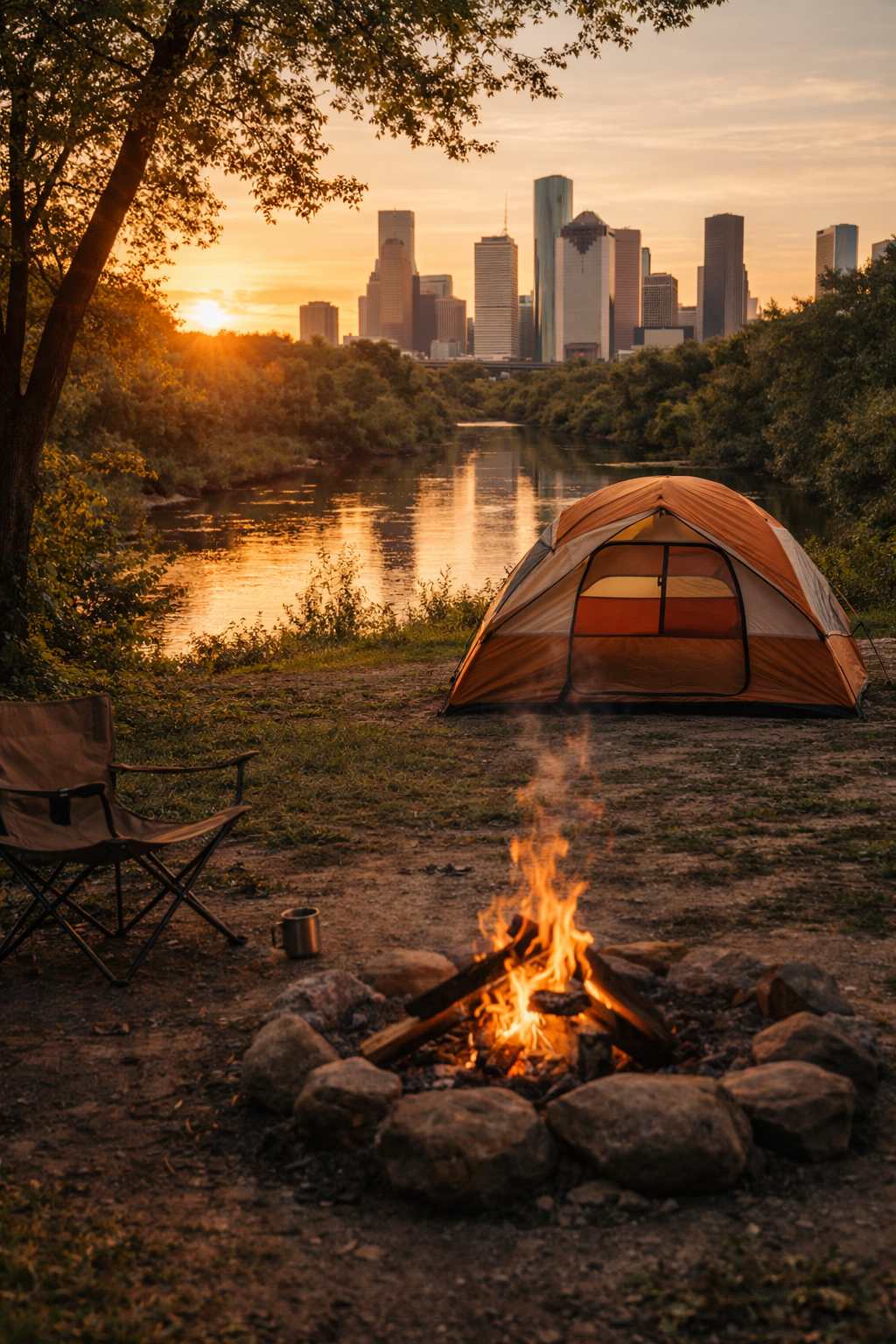
Keep it simple. Make food hard to reach and smells hard to track. That is how you answer when camping outdoors do raccoons attack tents with a confident “almost never.”
Do this every time:
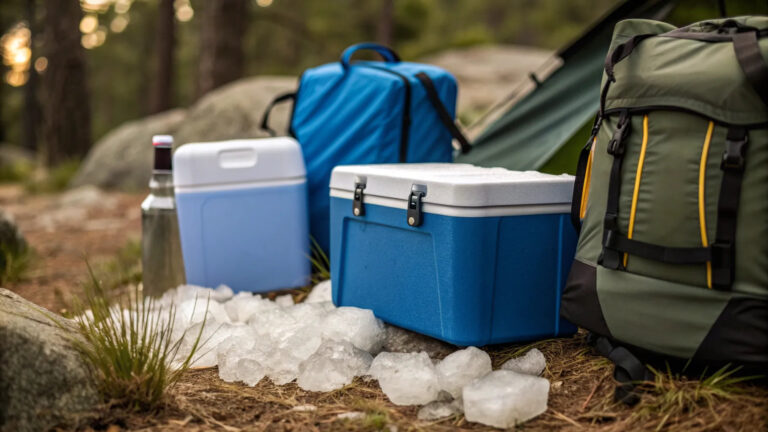
- Store all food and scented items. Use metal bear boxes, a car trunk, or certified bear canisters. Include snacks, trash, cookware, spices, toothpaste, deodorant, and baby wipes.
- Use odor-resistant bags. Layer smelly items in odor-proof liners inside a hard container.
- Set a kitchen triangle. Cook, eat, and wash 100 feet from your tent. Change out of “cooking clothes” before bed.
- Clean like a pro. Wipe the table, strain and scatter gray water far from camp, and pack out trash daily.
- Lock down coolers. Use latches or straps. Raccoons can open simple lids.
- Light and noise. A bright headlamp, firm voice, and a soft clatter (pots tapping) deter most raccoons.
- Pet control. Keep pets leashed. Do not leave bowls out. Pet food draws nocturnal visitors.
- Choose your site with care. Avoid spots with fresh tracks, overturned bins, or clear raccoon runs.
Field note: On a humid July trip, our neighbor camp had gummies in the tent. At 1 a.m., we heard soft scratching. A quick light flash, firm “Go!” and the raccoon walked off. Their gummies did not. They learned fast. Since then, they never store food in the tent, and they sleep better.
How to Move a Camper Trailer by Hand? Moving a 3,000lb Camper Alone?
What To Do If a Raccoon Approaches Your Tent
Stay calm. Do not unzip fast or corner the animal. A trapped raccoon may lash out.
Try this sequence:
- Turn on a bright light. Speak in a firm, even voice. Clap once or twice.
- If it keeps coming, step out with space. Keep the tent at your back. Make yourself look tall.
- Remove the reward. Put food in a locker or car right away.
- Do not throw food to “distract.” That trains problem behavior.
- If there is contact, wash any bite or scratch with soap and water right away. Seek medical care and call local wildlife or park staff.
When camping outdoors do raccoons attack tents is less about force and more about habits. Your calm response and clean site end most visits in under a minute.
Signs of Raccoon Activity and How to Respond
You can read the ground for clues. Raccoon tracks show five long toes like tiny hands. Scat often has berry seeds or shell bits. Look for tipped cans, scratched coolers, and small holes near food.
If you spot signs:
- Tighten food storage now. Do not wait for dark.
- Wipe surfaces to cut scent trails.
- Set motion lights near, not in, the tent zone.
- Brief your group. No food or scented items in sleeping bags or pockets.
When camping outdoors do raccoons attack tents in spots with clear sign? The odds go up only if you leave a reward. Remove the prize, and they move on.
Myths and Facts About Raccoons and Tents
Let’s clear common myths that fuel worry.
Myth: Raccoons are aggressive and will attack tents at night.
Fact: They are bold, not bloodthirsty. Most tent damage is food-driven. Keep food out, and problems drop.
Myth: A zipper is safe enough.
Fact: Raccoons can unzip simple pulls. Use containers and do not rely on fabric or zips to secure food.
Myth: A little snack in the tent is fine in bad weather.
Fact: It only takes one food lesson to teach a raccoon to test tents. That raises risk for everyone nearby.
Myth: Noise always works.
Fact: It helps, but a food-conditioned animal may test you. Pair noise with clean storage and no reward.
People ask me all the time: when camping outdoors do raccoons attack tents? The fact is, they test tents when tents smell like food. Change the smells, change the outcome.
Frequently Asked Questions of when camping outdoors do raccoons attack tents
Do raccoons actually break into tents?
It happens, but it’s rare and usually about food. If a tent holds snacks or smells like cooking, a raccoon may paw or chew at it.
What smell keeps raccoons away from my campsite?
Strong cleanliness beats any scent trick. Store food well, wipe grease, and place trash in sealed containers; that is what works.
Is it safe to sleep if raccoons are near my tent?
Yes, if food and scents are stored away from the tent. Keep calm, use a light if needed, and do not feed or approach them.
Can raccoons carry rabies?
They can, especially in some regions. Avoid contact, keep pets vaccinated, and seek medical care if bitten or scratched.
How do I store food so raccoons will not bother my tent?
Use bear boxes, car trunks, or certified canisters. Double-bag smelly items and keep all food, trash, and toiletries out of the tent.
Conclusion
Raccoons are problem-solvers, not monsters. They test what pays. If you remove the payoff, they leave your shelter alone. So, when camping outdoors do raccoons attack tents becomes a non-issue when you store food right and keep camp clean.
Pack odor-proof bags, use proper lockers or canisters, and never eat in your tent. Do this tonight and you will sleep better under the stars. Want more trail-tested tips? Subscribe for new guides, or drop your questions in the comments.