What To Take Camping To Keep Bugs Away? Pro Tips
Pack EPA repellents, permethrin-treated gear, bug-proof shelter, and clean camp habits.
Bugs can turn a great campout into a long, itchy night. I’ve guided trips in mosquito and tick hot zones for years, and I’ve tested what works in real life. Below, you’ll get a clear, complete guide to what to take camping to keep bugs away, plus pro tips on setup, clothing, and safe use. Read on to camp bite-free with simple steps and proven tools.
Understand the bugs you’ll meet
Different bugs call for different tools. Mosquitoes swarm near still water at dawn and dusk. Black flies love shade and moving water. Midges and no-see-ums slip through wide mesh. Ticks wait on tall grass and brush, then crawl up legs. Ants and wasps come for food and sweet drinks.
Warm, humid air boosts bug activity. Dark colors, sweat, and scents help them find you. Your breath releases carbon dioxide, which draws mosquitoes from far away. Once you know their habits, you can block them with the right gear and smart camp setup. If you wonder what to take camping to keep bugs away, start by matching your kit to the bugs in your area.

Repellents that work: what to pack
If you ask what to take camping to keep bugs away, start with a proven repellent. The CDC and EPA recognize a few actives that protect well when used as directed.
- DEET 20 to 30 percent Good all-around for mosquitoes. Use 30 to 50 percent where ticks are common. Protection often lasts 6 to 8 hours. Avoid over-application.
- Picaridin 20 percent Low odor, fabric friendly, and strong on mosquitoes and ticks. Often my top pick for kids and adults.
- Oil of Lemon Eucalyptus, also known as PMD, around 30 percent A plant-based option with solid mosquito protection. Do not use on kids under 3 years.
- IR3535 Common in some lotions. Works on mosquitoes. Reapply more often.
Permethrin 0.5 percent is not for skin. It treats clothing and gear. It repels and kills ticks and mosquitoes on contact. Spray on clothes and let it dry. It can last several washes.
How to apply
- Put sunscreen on first, then repellent.
- Spray or rub on exposed skin and cuffs. Do not soak skin.
- Keep it off eyes, lips, and cuts. Wash hands after use.
- Reapply per label. Sweat, rain, and bugs may force an earlier top-up.
These products are widely tested and EPA-registered. That means quality control and safety rules guide their labels.
When Camping Outdoors Do Raccoons Attack Tents: Safety Tips
Clothing and treated gear
When planning what to take camping to keep bugs away, your clothes are your first shield. Cover up with breathable long sleeves and pants. Choose tight weaves and light colors to spot ticks fast. Tuck pants into socks. Add a wide-brim hat.
Boost your setup with permethrin-treated items. Treat pants, socks, shirts, and hats. Focus on cuffs, waist, and socks where ticks climb. Let items dry fully before packing. Factory-treated gear can stay effective through dozens of washes. A head net over a brim hat is a small, high-impact add. I always carry one for dusk at the lake.
Pro tip from the field I wear thin merino socks under thicker ones. Ticks get trapped on the outer layer, and I spot them fast.
Camp setup and shelter strategy
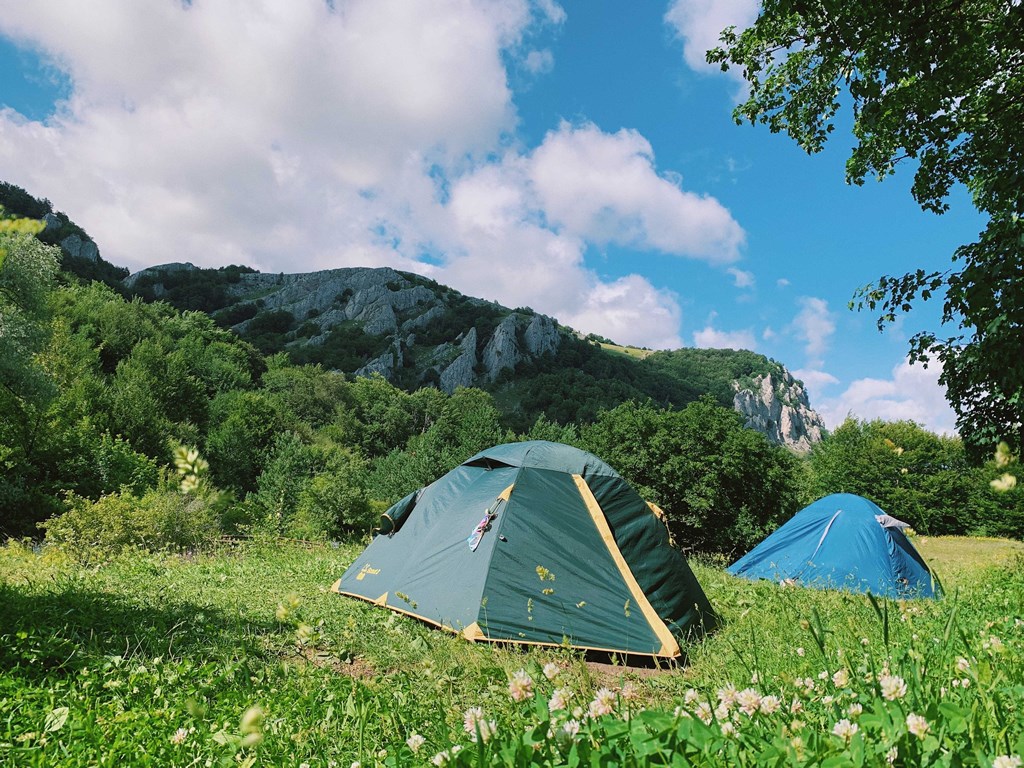
If you are choosing what to take camping to keep bugs away, also think where you pitch your tent. Site choice matters more than people think.
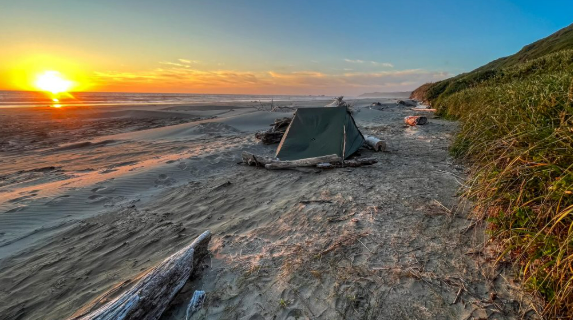
- Camp on breezy, open ground, not in dense brush.
- Avoid low, damp areas and still water.
- Face your door to the wind when you can.
Use a tent with fine mesh. Look for no-see-um mesh if you camp near swamps or coasts. Add a screen room for cooking and cards. Keep zippers shut. Do a sweep before bed to catch hitchhikers inside the tent. A small battery fan helps. Airflow makes it hard for mosquitoes to land.

Food, scent, and camp hygiene
Another key part of what to take camping to keep bugs away is what you leave behind. Food smells draw in ants, wasps, and even flies.
- Use sealed bins and odor-proof bags.
- Clean dishes right away. Pack a small scrub pad and a drop of unscented soap.
- Pack out all trash each night or store in a bear box or car.
- Keep gray water 200 feet from camp. Strain it and scatter it.
Go unscented with soap, deodorant, and wipes. Floral or sweet scents pull insects in. Store sweaty clothes in a dry bag, not in the tent.
Fire, light, and smoke tools
Smoke helps a bit, but do not rely on it alone. A steady campfire can reduce bites near the circle. A portable spatial repellent like a Thermacell can create a small protective zone around chairs or a table. Many models use allethrin or metofluthrin mats. Use them outdoors with airflow and follow the label.
Aim headlamps down and use red mode when moving. White and blue light draw flying insects. Warm or yellow bulbs on camp lights attract fewer bugs. A small USB fan by your chair makes landings harder.
Natural options, myths, and when to skip them
If you prefer plant-based ideas for what to take camping to keep bugs away, go in with clear limits. Some essential oils can help for short windows, but they fade fast.
- Citronella candles Can reduce landings near the flame, but wind kills their effect.
- OLE, known as PMD, is the only plant-based active with strong support. Use repellent-grade PMD, not pure oil.
- Cedar chips, coffee grounds, and dryer sheets have weak or no evidence.
Skip wristband-only repellents. They do not protect the whole body. Ultrasonic gadgets and vitamin B are myths. Garlic does not stop mosquitoes, but it may stop your tent mates.
How to Make a Generator Quiet for Camping: Ways to Make Your Generator Dead Silent
Kids, pets, and sensitive skin
You can still solve what to take camping to keep bugs away when kids and pets join. Use gentler actives and good coverage.
- Kids Use up to 30 percent DEET or 20 percent picaridin. Avoid OLE under 3 years. Do not spray hands. An adult should apply.
- Sensitive skin Try picaridin lotion or IR3535. Patch test on the forearm.
- Pets Do not use human repellents on pets. Permethrin products are toxic to cats when wet. Once dry on fabric, they are safe to handle. Check pets for ticks twice a day. Ask your vet about tick preventives.
Carry child-size head nets and long sleeves. A fitted bug jacket can be a game changer in heavy hatch seasons.
Field-tested packing checklist
This quick list solves what to take camping to keep bugs away on any trip. Pack based on season and bug load.
Repellents and treatments
- DEET 20 to 30 percent or picaridin 20 percent
- PMD-based repellent for a plant-derived option
- Permethrin 0.5 percent spray for clothing and gear
- After-bite wipes and hydrocortisone 1 percent
Clothing and wearables
- Long-sleeve shirt and long pants with tight weave
- Light colors, breathable fabrics
- Two pairs of socks and gaiters
- Head net and brim hat
- Bug jacket for peak season
Shelter and camp
- Tent with no-see-um mesh
- Screen room or bug net shelter
- Small USB fan and power bank
- Thermacell unit with extra mats and fuel
- Seam sealer and repair kit
Hygiene and storage
- Unscented soap, wipes, and trash bags
- Odor-proof bags or sealed bins
- Quick-dry towel to wipe sweat
Safety and first aid
- Fine-tip tweezers for ticks
- Antihistamines, sting wipes, and cold pack
- EpiPen if prescribed
- Hand sanitizer and bandages
Troubleshooting and first aid for bites and stings
Even with the best plan for what to take camping to keep bugs away, bites happen. Clean the area with soap and water. Use a cold compress to reduce swelling. Apply hydrocortisone or calamine for itch. Oral antihistamines help with larger reactions.
Remove ticks fast with fine tweezers. Grip close to the skin and pull straight out. Clean the area. Watch for rash, fever, or aches in the next weeks. Seek care if you notice symptoms. For known severe sting allergies, keep two epinephrine auto-injectors and tell your group where they are.
Frequently Asked Questions
What is the best repellent for both mosquitoes and ticks?
Picaridin 20 percent and DEET 30 percent both work well on mosquitoes and ticks. Choose based on skin feel, odor, and fabric needs.
How do I use permethrin safely on clothing?
Spray on clean clothes outdoors, let them dry fully, and do not apply to skin. Treated items protect for several washes.
Do citronella candles really work?
They help a little in still air and close range. In wind or open sites, their effect drops fast.
Are natural repellents as strong as DEET?
Most are not. PMD, the refined oil of lemon eucalyptus, is the one plant-based active with strong support.
What should I do if I find a tick on me?
Remove it right away with tweezers, clean the bite, and note the date. Watch for a rash or flu-like symptoms and seek care if they appear.
Conclusion
A bug-free camp is not luck. It is a simple system. Pack a proven skin repellent, treat your clothes, choose a breezy site, and lock down food and scents. Add a head net, a fan, and a Thermacell for tough spots. With the right plan, you will spend evenings by the fire, not slapping at your neck.
Use this checklist on your next trip and see the difference. If this guide helped, share it with your camping crew, subscribe for more field-tested tips, or drop your own tricks in the comments.