Where Can I Camp on the Beach in Oregon? The Complete Coastal Camping Guide
Where Can You Legally Camp on Oregon Beaches?
You can legally camp on Oregon beaches, but most true beachfront camping happens near the sand, not on it. State parks keep tents off the dunes to protect nesting birds and keep campers safe from high tides. The best spots are nestled just behind the beach. You get a safe, flat site, but you still hear the ocean roar all night long.
What Oregon Beach Camping Actually Means
I remember my first coastal road trip. I thought I could just drop my tent right by the waves. A friendly park ranger quickly burst my bubble. Before you pack your car for a weekend trip, let us clear up what beach camping really means here.
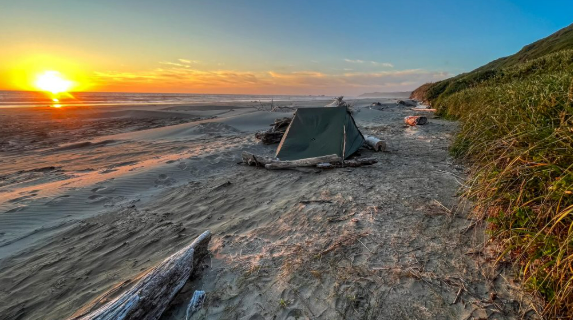
- Camping directly on sand: This is quite rare. You will find it mostly in very remote spots. Honestly, expect blowing sand in your eyes and a damp sleeping bag.
- Camping adjacent to beach access: This is my favorite way to camp. You park at a spot like Nehalem Bay. A quick two-minute walk over a sandy path puts your toes right in the cold surf.
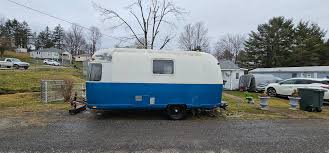
- RV camping near the shoreline: Perfect if you hate sleeping on the ground. RV parks offer paved pads. You skip the wet dirt and enjoy the views from a warm bed.
Oregon State Parks manage most of the 362 miles of coast. They ban random overnight tent camping in most spots. Why? Tides rise fast here. Last year, I saw a camper almost lose his boots to a sneaker wave. Plus, keeping off the sand protects the fragile dune grass that holds the beach together.
Oregon Coast Camping Rules You Need to Know
Oregon has a famous Beach Bill. It makes the whole shoreline open to the public. But “open to the public” does not mean “free outdoor hotel.” Here are the rules you need to know.
- Public beach access laws: You can walk almost anywhere. But you cannot sleep everywhere.
- Where dispersed beach camping is prohibited: You cannot camp on the sand within city limits. You also cannot camp in sight of state parks. Always look for posted signs before you unpack.
- Permit requirements: Some remote coastal zones need a special permit. Always check the local Forest Service alerts before you go.
- Campfire restrictions: I love the smell of a warm driftwood fire. But you must keep fires far away from driftwood piles and dune grass. Always check for summer burn bans. I once brought hot dogs for a July 4th weekend trip, only to find a strict fire ban. We ate cold sandwiches instead!
What To Use To Seal A Camper Roof: Best Way to Seal a Camper Roof (Fast & Leak‑Proof)
Where Are the Best Beach Camping Spots in Oregon?
The best beach camping spots in Oregon are found near Cannon Beach, Cape Lookout, Beverly Beach, Harris Beach, and South Beach State Park. These iconic spots offer something for everyone. Some give you foggy, dramatic views in October. Others buzz with happy families on sunny July weekends. They are deeply loved by locals, so you should always try to book early!
Northern Oregon Coast Beach Campgrounds
The north coast is green, misty, and rugged. It holds some of my favorite memories.
- Fort Stevens State Park Campground: This park is massive. It has over 400 campsites. I spent a Saturday biking the 9 miles of paved trails. You can even walk right up to the rusty skeleton of a real shipwreck on the beach!
- Nehalem Bay State Park: This park sits on a sandy spit. The pine trees smell amazing in the damp morning air.
- Wright’s for Camping: Want to see the famous Haystack Rock? This is a quiet, family-run spot right near Cannon Beach.
- Sunset Bay: The water here is actually calm. It is a rare, protected cove where you can swim safely.
Central Oregon Coast Favorites
The central coast is my go-to choice for quick weekend escapes.
- Cape Lookout State Park: I stayed here last fall. You camp on a sand spit with the ocean on one side and a bay on the other. It feels very wild and secluded.
- Beverly Beach State Park: You walk under a cool, echoing highway bridge to reach the sand. It is a top spot for finding sea glass after a storm.
- South Beach State Park: This park is huge and flat. It sits just south of Newport and has over 200 tent sites.
- Tillicum Beach Campground: This is a rare coastal gem. A few lucky sites sit right on a small bluff looking over the water.
Southern Oregon Coast Top Picks
The south coast is warmer. It features huge rocks poking straight out of the sea.
- Harris Beach State Park: The sea stacks here are huge. I sat on the beach with a warm coffee and watched seals play in the surf for hours.
- Humbug Mountain State Park: This spot is tucked right behind a tall mountain. It blocked the harsh ocean wind nicely during my last stay.
- Bullards Beach State Park: Located near Bandon. It is known for its cool historic lighthouse and miles of wide, flat sand.
Best Campgrounds by Camping Style
Not every camping trip is the same. Here is how I match the spot to the trip vibe.
- Best for tent campers: Cape Lookout. It feels deeply tucked away in the misty, quiet woods.
- Best for RV travelers: Fort Stevens. The paved pull-through sites are massive and very easy to back into.
- Best for families: South Beach. The flat, paved paths are perfect for kids riding small bikes.
- Best for quiet couples: Humbug Mountain. It is far less crowded and feels very cozy and romantic.
Is Camping Directly on the Sand Legal in Oregon?
Camping directly on the sand in Oregon is mostly illegal, but a few remote spots allow it. If you want to sleep right by the surf, you have to find specific primitive zones. It sounds deeply romantic to sleep steps from the ocean. However, you must follow strict rules to protect wildlife. You also need to keep yourself safe from fast tides and harsh winds.
This is where your big dreams meet reality. You picture drifting off to sleep with the waves just twenty feet away. But honestly? After one windy night of getting cold sand in my socks, I learned a quick lesson. I woke up freezing, with grit in my teeth. I quickly decided that a cozy tent behind a dune is a much smarter choice for romance.
Limited Areas Where Sand-Near Camping May Be Allowed
I once spent a whole Friday looking for a legal spot right on the beach. They are hard to find, but they do exist.
- Siuslaw National Forest zones: Some wild zones right next to the beach allow overnight stays.
- Remote kayak spots: A few boat-in areas let you pitch a tent on the shore.
- Seasonal rules: Many spots close completely in the spring and summer. This keeps people away from snowy plover birds while they nest in the sand.
Risks of Direct Sand Camping
I love the ocean, but the open beach is a very harsh place to sleep. Here is what I learned the hard way.
- Fast tides: The ocean sneaks up on you in the dark. A rising tide can easily wash your tent and gear away.
- Crazy wind exposure: The open coastal wind will flatten a cheap tent in minutes.
- Ruined gear: Fine, wet sand got stuck in my tent zippers on day two of a trip. It completely broke the zipper.
- Wildlife zones: You do not want to stumble on bird nests in the dark.
How to Verify Legal Overnight Access
Never just guess. Fines are heavy, and park rangers patrol the sands often.
- Check with a ranger: I always call the local ranger station before I leave my house.
- Read park maps: Oregon State Park maps clearly show where you can and cannot go.
- Look for alerts: Check forest service websites for fresh rules or dry-weather fire bans.
When Is the Safest Time to Reserve Your Oregon Beach Campsite?
The absolute safest way to plan an Oregon beach camping trip is to book your spot early. Summer weekends, Memorial Day, and whale-watching seasons fill up incredibly fast. I highly recommend booking three to six months in advance. Spontaneous trips sound very fun. But driving for hours in the dark only to find full campgrounds will quickly ruin your weekend.
Last August, I tried to wing it. I packed my car on a Friday after work and drove to the coast. I checked every park from Astoria down to Brookings. Every single park was 100% full. I ended up sleeping in my car at a noisy rest stop. Do not be like me. Even wet spring breaks book up fast. Locals know the deep joy of drinking hot cocoa in a dry tent while watching a dark storm roll in.
When to Book Oregon Beach Campsites
Timing is everything on the coast. Here is my exact booking schedule.
- Summer trips: You must book 3 to 6 months ahead. The best sites vanish in minutes online.
- Spring and fall: This shoulder season is a bit easier. But you still need to book a few weeks out.
- Holiday weekends: Labor Day and Memorial Day are fully packed. Book the exact second the window opens.
Reservation Platforms to Use
You need to know exactly where to look to grab a spot.
- Oregon State Parks system: This is the main website. It opens rolling spots exactly 6 months in advance.
- Recreation.gov: Use this site for federal spots, like the national forest camps.
- Private sites: If the state parks are full, look for private RV parks and camps. They cost a bit more, but they save your trip.
First-Come, First-Served Options
If you missed the booking window, you still have a tiny bit of hope.
- Small forest camps: Some small spots deep in the woods do not take bookings at all. You just show up early and claim a spot.
- Overflow sites: In the late fall or early spring, some big parks open extra spots for people who just drive up. But do not count on this in July!
What To Take In A Cabin: Don’t Leave Home Without These Essentials
When Is the Best Time to Camp on Oregon Beaches?
The absolute best time to camp on Oregon beaches is between late August and early October. The crazy summer winds finally calm down. The thick, cold fog lifts to show clear blue skies. June trips often mean gray skies and chilly days. But early fall gives you warm sand, perfect sunsets, and far fewer crowds fighting for a spot.
My friends always think June will be sunny and hot. I have to laugh. Locals joke that summer does not actually start until July 5th. I once froze in a damp sleeping bag over a foggy Memorial Day weekend. The salty mist just soaked right through my tent. Now, I always plan my trips for September. The weather is just so much better.
Seasonal Camping Breakdown
Here is what you can really expect during each season on the coast.
- Spring: You will see bright wildflowers blooming. But expect sudden, heavy rain showers. Bring a good raincoat.
- Summer: This is peak season. It is warmer, but the wind can be fierce. Parks are packed with kids and large RVs.
- Fall: This is my absolute favorite time. It is the perfect weather sweet spot. The winds die down, and the golden hour light is stunning.
- Winter: It is very cold and wet. But it is thrilling for wild storm watching. Just make sure your car heater works!
Oregon Coastal Weather Realities
You cannot trust a simple weather app out here. The coast has a mind of its own.
- Wind chill near the shore: A sunny 65-degree day easily feels like 50 degrees when the ocean wind hits you.
- Night temperature drops: Even in late July, the night air cools off fast. It often hits the low 50s. I always wear a warm beanie to sleep.
- Fog patterns: The north coast stays foggy much longer. The south coast burns off the morning grayness much faster.
What Gear Do You Actually Need for Oregon Beach Camping?
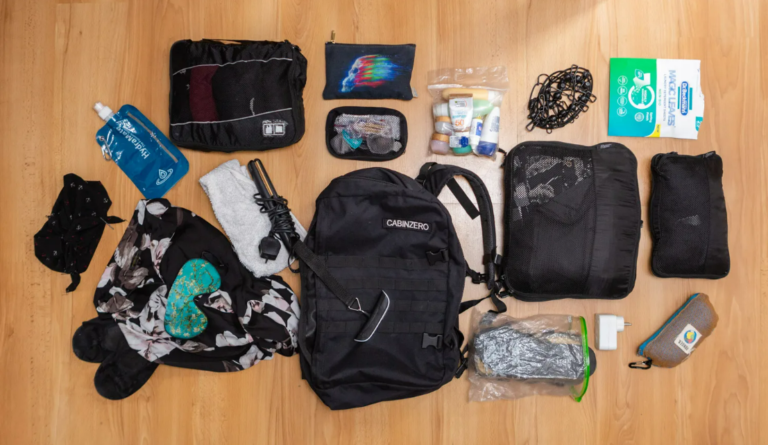
To survive Oregon beach camping, you must bring tough gear that blocks wind and water. You do not need fancy luxury items. You need a strong tent with a full rainfly and heavy-duty sand stakes. The coastal wind will snap cheap tent poles in minutes. You must pack smart to stay warm and dry all night long.
I learned this the hard way. I brought a cheap, pop-up tent on a weekend trip to Cape Lookout. A massive gust of wind hit the beach at 2 a.m. The tent collapsed right on my face! I spent the rest of the night shivering in my car seat. Now, I focus purely on rugged, wind-resistant gear.
Essential Oregon Beach Camping Packing List
Do not leave home without these items. They will save your trip.
- Waterproof tent: Get one with a full rainfly that goes all the way down to the ground.
- Sand stakes: Normal metal pegs will pull right out of loose sand. You need thick, long stakes to hold your gear down.
- Insulated sleeping pad: The cold ground will suck the heat right out of your body.
- Layered coastal clothing: Bring a fleece jacket, a windbreaker, and thick wool socks.
- Waterproof boots: Wet sand and cold morning dew will ruin soft canvas sneakers very fast.
Nice-to-Have Comfort Items
Once you have the basics, these extras make camp life much better.
- Portable windbreak shelter: Setting up a small fabric wall makes cooking on a camp stove so much easier.
- Camp chairs with a low profile: Chairs that sit low to the ground keep you out of the worst wind gusts.
- Dry bags for electronics: I use these to keep my phone and camera safe from the sticky, salty mist.
Food Storage and Wildlife Safety
You are sharing the beach with some very sneaky locals. You have to guard your meals.
- Gull-proof food handling: Never leave chips on a picnic table. Seagulls will swoop down and steal them in one second flat.
- Raccoon precautions: Raccoons are incredibly smart. I once watched a fat raccoon unzip a soft cooler to steal my hot dogs. Always lock your food in your car at night.
- Ice chest storage tips: Keep your hard cooler latched tight. Shade is very limited on the sand, so cover your cooler with a thick blanket to keep the ice frozen.
How Should Families, Solo Travelers, and RVers Choose a Site?
Picking the right Oregon beach campsite depends on your travel style. Families need safe play areas and close bathrooms. Solo travelers often seek quiet, hidden tent sites with good security. RV campers must look for paved, level spots with full hookups and wide turns. I learned the hard way that picking the wrong site will quickly ruin a fun coastal weekend.
I once took my young nephews camping for a three-day weekend. I picked a beautiful, highly remote spot. It was a huge mistake! We had to walk a half-mile just to reach the toilet. The kids were cranky, and I was stressed out. Now, I always match the park to the people.
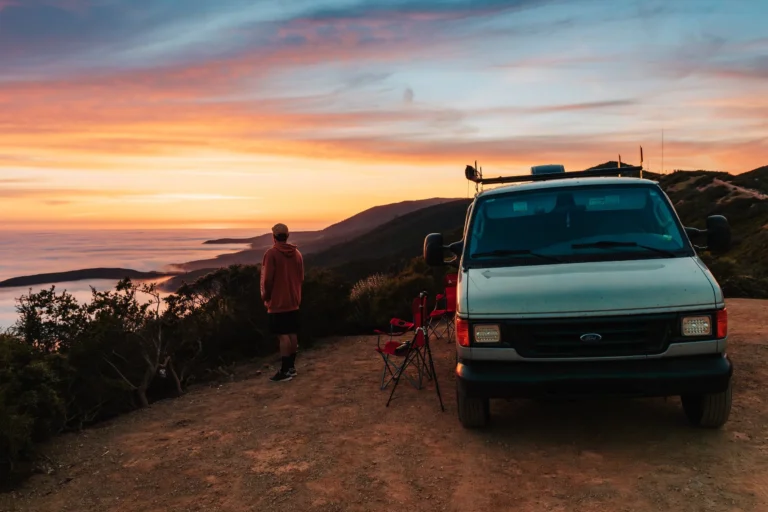
RV folks face totally different issues. My friend parked his cool new van facing the ocean wind last Labor Day. His windshield was covered in a thick, sticky layer of salt spray by the next morning! He spent an hour cleaning it just to drive home.
Best Sites for Families with Kids
- Close restroom access: Trust me, you really want flush toilets nearby when a toddler wakes up at 3 a.m.
- Playground-friendly parks: Parks with big play structures save the day when the open beach gets too cold and windy.
- Safe swimming proximity: Look for calm, protected coves. The open ocean has harsh waves and scary rip currents.
Best for Solo Campers
- Secure, well-reviewed campgrounds: I sleep so much better in my tent knowing a friendly camp host is right nearby.
- Ranger-patrolled parks: Safety is key when you travel alone. I always pick busy, well-staffed state parks for my solo trips.
Best for RV and Van Campers
How Can You Camp Responsibly on Oregon’s Beaches?
Responsible beach camping in Oregon requires strict care for the coast. You must protect fragile sand dunes by staying on marked paths. You have to respect local wildlife by giving seals and nesting birds plenty of space. Finally, you must pack out every single piece of trash. Good campers always leave the beautiful shoreline much cleaner than they originally found it.
The coast looks very wild and tough. But the ecosystem is actually very fragile. I once watched a guy drive his heavy truck right over a steep sand dune. He crushed years of deep beach grass growth in just ten seconds. It made me so sad and mad. We have a strict duty to protect this amazing place. I always bring an extra grocery bag on my Sunday morning beach walks. I usually pick up at least two pounds of plastic waste left behind by careless people.
Leave No Trace on Oregon Beaches
- Pack out all trash: Strong winds blow loose food wrappers into the sea very fast. Keep your trash bags tied tight.
- Avoid dune trampling: The deep dune grass roots hold the whole beach together. Please never step on them.
- Stay on marked access trails: Use the wooden boardwalk paths. They keep your ankles safe and protect the soft sand.
Wildlife Protection Guidelines
- Shorebird nesting awareness: Rare snowy plovers lay tiny eggs right on the open sand. Watch your step closely in the spring!
- Seal and sea lion distance rules: If a wild seal looks right at you, you are way too close. Back up quickly and quietly.
- No feeding wildlife: Do not ever feed the seagulls. They will mob your picnic table and steal your lunch.
Campfire Responsibility
- Check burn bans daily: I always ask the park ranger about fire rules. Dry summer winds cause massive brush fires very fast.
- Use designated fire rings only: Never burn old wood in the dry beach grass. Stick to the safe, thick metal fire rings.
Where Should You Camp on the Oregon Coast?
Choosing where to camp on the beach in Oregon really depends on your exact travel style. Do you want easy town access or a totally wild escape? The best campsite matches your specific needs for hot showers, ocean views, and paved roads. I have learned that picking the right spot takes a little honest planning before you pack.
Some folks want to walk to a Cannon Beach coffee shop in just five minutes. Others want to sit on a foggy, remote bluff for three days. They want to hear nothing but crashing waves and their own tent zipper flapping in the loud wind. I once forced a very remote, wild trip on my wife during a rainy Columbus Day weekend. We were freezing cold and really just wanted a warm latte! Now, I pick the spot based on what we truly want out of the weekend.
Quick Decision Guide by Travel Goal
Here is my quick cheat sheet to help you find your perfect spot.
- For scenic iconic views: Go to the northern coast near Cannon Beach. I love waking up and seeing the massive Haystack Rock right away. It is pure magic.
- For quiet remote escape: Head down to the southern coast past Bandon. The crowds thin out fast here. I once saw zero people for two whole days. It was just me, the salty air, and a few loud seagulls.
- For easy family vacations: Pick South Beach State Park. It is flat, safe, and very easy. They have over 200 campsites. Kids can ride their bikes safely on the paved loops all day long.
- For budget camping trips: Look for small Forest Service sites tucked in the trees. They usually cost maybe 15 to 20 dollars a night. You save good money, but you do skip the fancy flush toilets.
Questions to Ask Before Booking
Before you hit the shiny book button online, ask yourself these four simple questions. They will save you from a major headache.
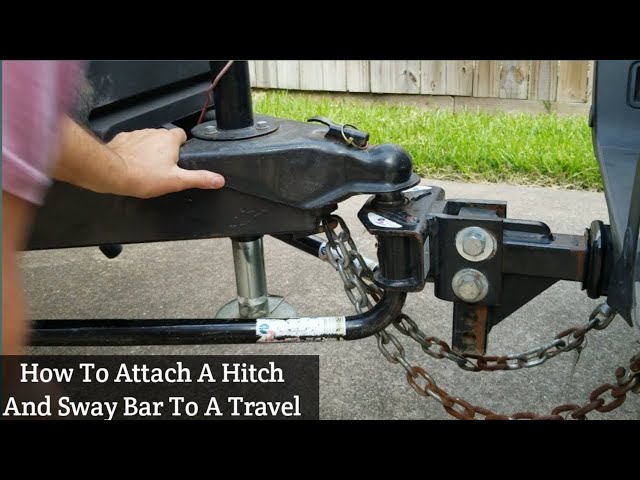
- Tent or RV?: State parks list exact pad lengths online. If you have a heavy 30-foot travel trailer, do not try to squeeze into a tiny tent site. I watched a guy get his rig stuck deep in the mud trying to do this last summer.
- Need showers?: Getting sticky salt spray off your skin feels so amazing after a long day. Big state parks usually have great hot showers. Smaller spots might just have a cold water hose.
- Walking distance to beach?: Look at the park map scale very closely. Sometimes “ocean view” actually means you are sitting up on a high cliff. You might have to hike down a steep, one-mile trail just to touch the water.
- Pet-friendly required?: Check the specific dog rules. Most Oregon beaches love dogs. However, some areas ban them in the spring to protect tiny bird nests. My golden retriever loves digging deep holes in the wet sand, so I always check the park website first.
Frequently Asked Questions About Beach Camping in Oregon
If you are planning your first Oregon coast camping trip, these are the questions almost everyone asks before loading the car with damp towels, propane stoves, and too many hoodies. Oregon’s beach rules can be surprisingly specific, so getting these basics clear first saves hassle later—and possibly a midnight visit from a ranger.
Can You Camp Directly on the Beach in Oregon?
In most places, no—you cannot legally pitch a tent directly on the open sand of Oregon beaches unless the area specifically allows it. Most overnight camping must happen in designated campgrounds, state parks, or approved nearby coastal camping zones behind dunes or near beach access points.
Is Free Beach Camping Allowed on the Oregon Coast?
Free camping directly on Oregon beaches is generally not allowed, but some national forest and dispersed camping areas near the coast may offer no-fee options. These are usually inland from the shoreline rather than on the sand itself, and rules vary by land agency.
What Is the Best Oregon Beach for Tent Camping?
Cape Lookout State Park is widely considered one of the best Oregon beach tent camping spots because it offers scenic beach access, sheltered campsites, clean facilities, and easy dune trails. Harris Beach and Beverly Beach are also top favorites for tent campers.
Do You Need Reservations for Oregon Beach Campgrounds?
Yes, reservations are strongly recommended, especially during summer, holiday weekends, and fall coastal travel season. Popular campgrounds like Fort Stevens and South Beach often book out months in advance, particularly for beachfront-adjacent sites.
Can You Sleep in a Van Overnight on Oregon Beaches?
Sleeping overnight in a van directly on Oregon beaches is usually prohibited unless you are parked in a legal campground, RV park, or designated overnight parking area. Beach parking lots often ban overnight stays, and enforcement can be strict in tourist areas.
Are Campfires Allowed on Oregon Beaches?
Campfires are allowed on many Oregon beaches only when there are no active burn bans and local rules permit them. Fires must stay below the high tide line, away from driftwood piles, and fully extinguished before leaving.
What Time of Year Is Best for Beach Camping in Oregon?
The best time for Oregon beach camping is typically September through early October, when weather is milder, crowds thin out, and winds are calmer. Summer is popular too, but campgrounds are busier and reservations are harder to get.
Are Dogs Allowed at Oregon Beach Campgrounds?
Yes, many Oregon beach campgrounds allow dogs, provided they stay leashed and under control. Most state parks are pet-friendly, though some beach wildlife zones restrict dog access during nesting seasons.
Which Oregon Beach Campgrounds Are Best for Families?
South Beach State Park, Beverly Beach State Park, and Nehalem Bay State Park are excellent for families because they combine easy beach access, restrooms, showers, spacious campsites, and kid-friendly amenities.
How Close Can You Camp to the Ocean in Oregon?
In most Oregon campgrounds, you can camp very near the ocean—often just a short walk over dunes or along beach trails—but rarely right on the shoreline itself. Direct beachfront tent camping is uncommon because of erosion, tides, and environmental protections.