How to Pick a Camper Door Lock: Easy Steps for Beginners
The right camper door lock is essential for your safety and peace of mind. The best camper door lock is secure, weather-resistant, and easy to use. If you want to protect your camper and belongings, you must consider the lock type, material quality, installation process, and compatibility with your camper door. Let’s break down exactly how you can pick the perfect lock, step by step, and answer the most important questions campers ask.
What Should You Look For In A Camper Door Lock?
When picking a camper door lock, focus on these key factors:
- Security Level: The lock must be strong enough to resist break-ins.
- Weather Resistance: It should withstand rain, snow, and sun.
- Ease of Use: You need quick access, but thieves should not.
- Compatibility: The lock must fit your door and match your camper’s thickness.
- Installation: Choose a lock you can install yourself, or check if professional help is needed.
- Durability: Look for locks made from zinc alloy, stainless steel, or high-grade plastic.
- Key System: Decide if you want a traditional key, keypad, or smart lock.
Many beginner campers overlook compatibility. Even the best lock won’t work if it doesn’t fit your door. Another common mistake is ignoring weather resistance—locks can rust or jam if not built for outdoor use.
How Do Different Camper Door Lock Types Compare?
There are several types of camper door locks. Each type has its own strengths and weaknesses. Here’s a quick comparison:
| Lock Type | Security | Weather Resistance | Ease of Use | Price Range |
|---|---|---|---|---|
| Deadbolt | High | Good | Medium | $35–$80 |
| Latch Lock | Medium | Fair | Easy | $15–$40 |
| Keypad Lock | High | Excellent | Easy | $60–$180 |
| Smart Lock | High | Excellent | Very Easy | $120–$350 |
- Deadbolt locks are tough and reliable but may require more effort to install.
- Latch locks are simple and cheap but easier to force open.
- Keypad locks let you use codes instead of keys, ideal for families.
- Smart locks offer remote access and alerts, but need batteries and cost more.
Most campers choose deadbolt or keypad locks. Smart locks are gaining popularity, especially among tech-savvy travelers.
How to Make a Generator Quiet for Camping: Ways to Make Your Generator Dead Silent
Why Does Material Quality Matter In Camper Door Locks?
Material is critical for both security and durability. Locks made from stainless steel or zinc alloy resist corrosion and are harder to break. Avoid locks with weak plastic parts, as they can crack in extreme weather.
Let’s compare popular materials:
| Material | Strength | Weather Resistance | Longevity |
|---|---|---|---|
| Stainless Steel | Excellent | Excellent | 10+ years |
| Zinc Alloy | Good | Good | 8+ years |
| Plastic | Poor | Fair | 3–5 years |
Stainless steel locks are ideal for campers who travel in harsh climates. Zinc alloy is a good balance between price and strength. Plastic locks should only be used indoors or as temporary solutions.
How Can You Make Sure A Camper Door Lock Fits Your Door?
Before buying, measure your door carefully. Check:
- Door thickness: Most locks fit doors between 1–2 inches thick.
- Cut-out size: If replacing a lock, measure the hole in your door.
- Handle placement: Some locks include handles, so make sure they line up.
If you’re unsure, bring your old lock or door measurements to the store. Some brands offer adjustable locks that fit a wider range of sizes. Never force a lock into place—it can damage your door and weaken security.
What Are The Steps To Install A Camper Door Lock?
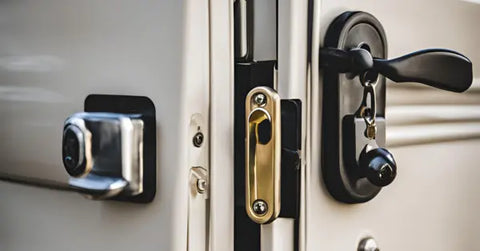
Installing a camper door lock is usually a DIY job. Here’s a step-by-step guide:
- Remove the old lock: Unscrew the old lock and gently pull it out.
- Clean the area: Wipe away dust and debris.
- Check the fit: Place the new lock in the cut-out to make sure it fits.
- Secure the lock: Insert the lock, align the screws, and tighten.
- Test the lock: Try locking and unlocking to check smooth operation.
- Seal edges: If needed, add weatherproofing strips around the lock.
Most locks come with instructions. If you buy a keypad or smart lock, follow the programming steps. Some locks require batteries—always check before you hit the road.
Here’s an example: I once installed a keypad lock on my camper. The process took about 20 minutes and needed only a screwdriver. The hardest part was lining up the screws; patience is key.
Which Features Should You Consider For Extra Security?
Advanced features can greatly improve security. Look for:
- Anti-pick pins: These make it harder for thieves to pick the lock.
- Reinforced strike plates: Adds strength to the door frame.
- Alarm integration: Some locks connect to alarms or cameras.
- Auto-locking: Locks itself after a set time, useful if you forget.
- Multiple keys/codes: Useful for families or groups.
Many beginners ignore strike plates. Upgrading this small part can boost security more than changing the lock itself.
What Are Common Mistakes When Picking Camper Door Locks?
Avoid these errors:
- Ignoring compatibility: Not all locks fit all doors.
- Choosing cheap materials: Weak locks break or rust quickly.
- Skipping weatherproofing: Rain and dust can jam locks.
- Not considering installation: Some locks need professional help.
- Buying without reviews: Always check what other campers say.
Another mistake is forgetting about spare keys. If you lose your only key on the road, you’re stuck. Always keep a spare in a safe place.
How Do Price And Warranty Affect Your Choice?
Price matters, but don’t go for the cheapest lock. Cheap locks may save money today, but cost you more if they fail. Most good locks cost between $35 and $150.
Warranty is important. Choose locks with at least a 1-year warranty. Some brands offer up to 5 years. A longer warranty usually means better quality.
Here’s a quick price and warranty comparison:
| Lock Type | Average Price | Typical Warranty |
|---|---|---|
| Deadbolt | $35–$80 | 1–3 years |
| Keypad | $60–$180 | 1–5 years |
| Smart Lock | $120–$350 | 2–5 years |
Always read the fine print. Some warranties cover only parts, not labor.
How Can You Check If A Camper Door Lock Is Reliable?
Reliability depends on brand reputation, user reviews, and certifications. Look for locks tested by ANSI or BHMA standards. These show the lock has been tested for security and durability.
Read reviews from real campers. If many users report jamming or break-ins, skip that lock. Brands like RVLock, Trimark, and Fastec are well-known for quality.
For detailed info about lock standards, check Wikipedia.
How Should You Maintain Your Camper Door Lock?
Maintenance keeps your lock working smoothly. Here’s what you should do:
- Lubricate: Use graphite or silicone spray every 6 months.
- Clean: Wipe away dirt and salt if you travel near the ocean.
- Check batteries: For keypad or smart locks, replace batteries annually.
- Inspect screws: Tighten loose screws to keep the lock stable.
Never use oil-based lubricants—they attract dirt and can clog your lock. If your lock jams often, replace it before it fails completely.
Frequently Asked Questions
How Do I Know If My Camper Door Lock Is Secure Enough?
Check if your lock has anti-pick features, is made from metal, and fits tightly in the door. Deadbolts and keypad locks are usually more secure than simple latch locks.
Can I Install A Camper Door Lock Myself?
Yes, most locks can be installed with basic tools. Follow the instructions, and make sure the lock fits your door. If you’re unsure, ask a professional or experienced camper for help.
What’s The Best Lock For Extreme Weather Camping?
Locks made from stainless steel or zinc alloy are best. Choose locks with weatherproof seals and avoid plastic parts, which crack in cold or heat.
How Often Should I Replace My Camper Door Lock?
If you notice rust, jamming, or loose parts, replace your lock immediately. Otherwise, most locks last 5–10 years if maintained well.
Are Smart Locks Worth It For Campers?
Smart locks offer remote access and alerts, which are great for families or tech lovers. They cost more and need batteries but can increase security and convenience.
Picking the right camper door lock is not just about security—it’s about comfort and peace of mind. Take the time to measure your door, choose strong materials, and consider advanced features. A reliable lock lets you relax and enjoy your travels, knowing your camper is safe.
With careful planning, you’ll find the lock that fits your needs and keeps your adventures worry-free.