Are 12V Electric Blankets Any Good?: Pros, Cons & Picks
Yes—12V electric blankets are good for safe, efficient warmth on the go.
If you camp, commute, or live vanlife, you have wondered, Are 12V electric blankets any good? I have tested them on road trips, in a truck cab, and in a tent. This guide shares clear answers, real numbers, and field tips. You will learn how they work, when they shine, and where they fall short.
What Is a 12V Electric Blanket and How It Works
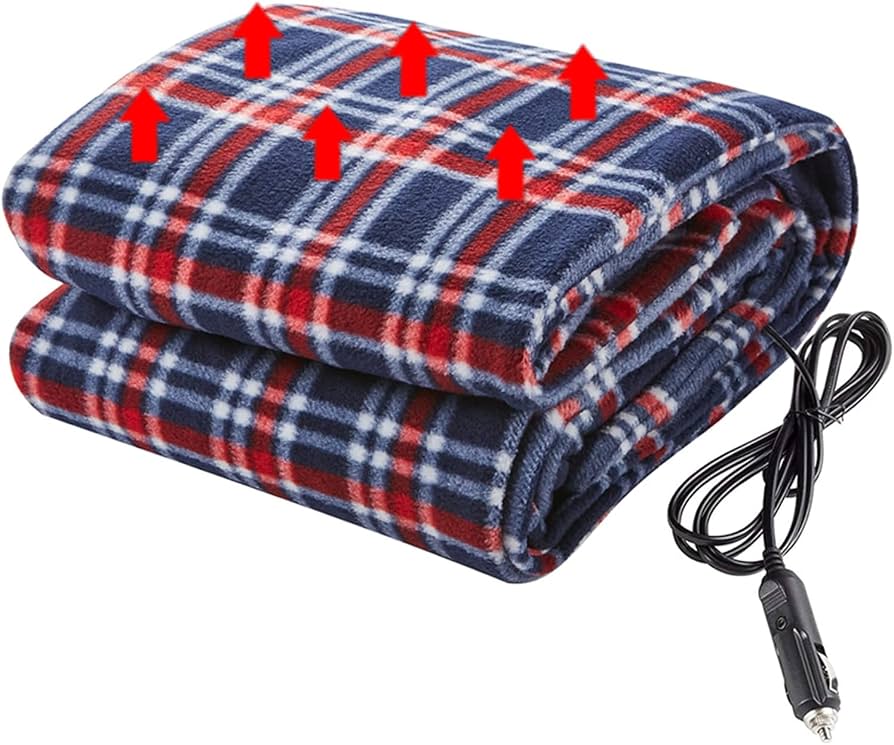
A 12V electric blanket is a low‑voltage heated throw or pad. It runs from a car socket, RV, or portable power station. It uses a resistive wire grid to turn DC power into gentle heat.
Most models draw 2 to 8 amps at 12 volts. That equals 24 to 96 watts. A controller sets heat levels and often includes a timer. Many units have overheat sensors. This keeps surface temps stable and safe.
Heat feels best when the blanket touches you or traps air. Use it inside a sleeping bag or over your lap. Preheating your seat or bed for 10 to 15 minutes helps a lot.
Are 12V Electric Blankets Any Good? Pros and Cons
People ask, Are 12V electric blankets any good? For targeted heat in cars and tents, they are. They excel when you need personal warmth, not to heat a whole cabin.
Pros:
- Low power use compared to space heaters. Great for batteries.
- Fast comfort on cold seats and in sleeping bags.
- Safer than fuel heaters. No fumes and lower surface heat.
- Direct DC power. No inverter losses in a vehicle or RV.
- Light, packable, and easy to store in an emergency kit.
Cons:
- Not as hot as 120V blankets. They give gentle heat.
- Heat can feel uneven if the blanket bunches.
- Car sockets are often limited to 10 amps.
- Cheap cords and plugs can fail with rough use.
- They warm you, not the whole room or RV.
If you drive, camp, or RV, Are 12V electric blankets any good? The short answer is yes when you use them right. Match the blanket to your power source, and set real goals. Think personal heat, not space heat.
What To Take Camping To Keep Bugs Away? Pro Tips
Real‑World Performance: Heat, Power, and Run Time
Power draw:
- Typical draw is 3 to 6 amps. That is 36 to 72 watts.
- High settings can hit 7 to 8 amps. Check the fuse rating.
Run time examples:
- A 300 Wh power station can run a 50 W blanket for about 5 hours.
- A 500 Wh unit can run it for about 9 to 10 hours.
- A 12V starter battery should not be drained for heat. You can get stranded.
Heat feel:
- Expect a surface temp around 100 to 120°F on high in still air.
- In wind or open cabins, it feels cooler. Trap the heat under a coat or quilt.
My tests:
- In a van at 28°F, a 60 W fleece throw on medium kept me cozy. It drew about 4.5 amps. I preheated for 15 minutes. Then I cycled low and medium to save power.
- In a tent, I sandwiched the blanket inside a sleeping bag. Warm-up took 10 minutes. That beat any pad-only solution for quick comfort.
So, Are 12V electric blankets any good for real‑world use? Yes, when you value close-contact warmth and power savings. They are not room heaters, and that is the point.

Safety, Care, and Best Practices
Safety first:
- Use a model with overheat protection and a timer.
- Do not fold or crush the heating area while on.
- Keep cords straight and free of pinch points.
- Never sleep with it on high for hours unattended.
- Be careful with pets. Claws and chewing can damage wires.
Power safety:
- Many vehicle sockets are fused at 10 amps. Know your limit.
- Do not run long periods on a starter battery with the engine off.
- Use a deep‑cycle battery or a power station for parked use.
Care tips:
- Spot clean or use a removable cover, if included.
- Air dry flat. Do not twist the wires.
- Coil the cord loosely. Hard bends cause breaks.
If you follow these rules, Are 12V electric blankets any good for safe daily use? Yes, they can be, with basic care and common sense.

Buying Guide: Features That Matter
Key features to check:
- Output and draw. Look for 36 to 72 W for balance of heat and run time.
- Heat settings. At least three levels plus a 30 to 60 minute timer.
- Material and size. Fleece or sherpa for softness and insulation.
- Cord length. Aim for 6 to 8 feet plus an extension to reach the back seat.
- Plug type. 12V car plug or hardwire pigtails. Quality connectors matter.
- Safety marks. Look for testing by a recognized lab.
- Warranty. At least one year is a good signal of build quality.
Before you buy, ask yourself, Are 12V electric blankets any good for my exact use? Match size, draw, and controls to your power and climate. The right fit is what makes them shine.
Best Uses and Who Benefits Most
Great matches:
- Daily commuters. Warm up fast without blasting the whole cabin.
- Truckers. Night rest with low draw on an auxiliary battery.
- Car campers and vanlifers. Preheat a bag or add spot heat to a bunk.
- RVers. Save propane and battery by warming people, not air.
- Emergency kits. Stay warm while stuck in winter traffic.
Smart tactics:
- Preheat seats and bedding for 10 to 15 minutes.
- Sandwich the blanket inside layers to trap heat.
- Run medium, then cycle to low to save watts.
In these cases, Are 12V electric blankets any good? Yes, they deliver fast comfort at a tiny energy cost.
When Camping Outdoors Do Raccoons Attack Tents: Safety Tips
Setup and Power: Wiring and Battery Basics
Connections:
- Most use a 12V car plug. Make sure it fits snug.
- For heavy use, consider a fused hardwire lead to the battery.
- Use a quality splitter if you must share a socket. Cheap ones overheat.
Battery basics:
- Amps times 12 equals watts. Watts times hours equals Wh used.
- Keep starter batteries above 80 percent for safe starts.
- Deep‑cycle or lithium power stations work best for parked heat.
Efficiency tips:
- Use the DC output of a power station. Skip the inverter.
- Insulate under and over the blanket to reduce losses.
- Lower the setting once you feel warm.
Used with proper wiring, Are 12V electric blankets any good for off‑grid heat? Yes, and they beat most other options on watt‑for‑warmth.
Troubleshooting and Common Mistakes
Common issues and fixes:
- No heat. Check the plug fuse, socket power, and controller connection.
- Uneven heat. Lay the blanket flat and avoid tight folds.
- Auto shutoff. Many timers stop at 30 to 60 minutes. Restart or set a longer cycle if available.
- Battery drain. Use low or medium, and switch off when warm.
Avoid these mistakes:
- Running on high while the engine is off for hours.
- Using damaged cords or frayed plugs.
- Expecting it to heat a whole cabin.
Used with care, Are 12V electric blankets any good over the long term? Yes. Treat the wiring kindly and they can last many seasons.
Frequently Asked Questions
Do 12V blankets get hot enough for winter camping?
Most 12V blankets reach about 100 to 120°F on high. They feel warmest when trapped under a quilt or inside a sleeping bag.
Can a 12V blanket drain my car battery?
Yes, if you run it with the engine off for long periods. Use a deep‑cycle battery or a power station when parked.
Is a 12V blanket better than a propane heater?
It is safer and uses no fuel, but it warms people, not spaces. For room heat, use a safe space heater with proper ventilation.
Can I use a 12V blanket with a power station?
Yes, and it is efficient. Use the DC output, check the 10A limit, and estimate run time from watt‑hours.
Are 12V electric blankets safe for overnight use?
They can be safe on low with a timer and overheat protection. Follow the manual, keep it flat, and avoid crushing the wires.
Conclusion
A 12V electric blanket is a small, smart heat tool. It shines when you want fast, focused warmth with very little power. It is not a space heater, and that is why it works so well in cars, tents, and RVs.
If you still wonder, Are 12V electric blankets any good, think about your use. For commuters, road trippers, and campers, the answer is yes. Pick the right size and power draw, use safe wiring, and layer for best results.
Ready to stay warm for less power? Try one on your next trip, compare settings, and share your take. Subscribe for more gear tests, or leave a comment with your setup and results.