Where Can You Legally Camp for Free: Top Spots and Tips
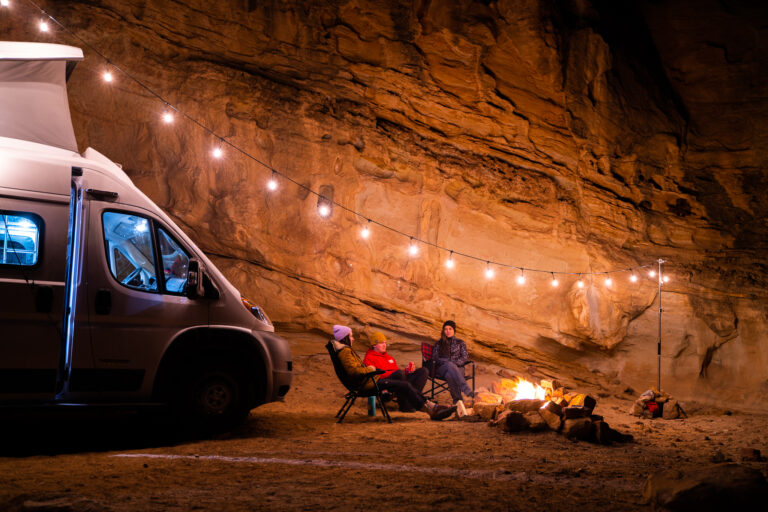
Camping is more than just a way to save money on travel. For many, it’s the best way to experience wild places, meet new people, and discover a sense of freedom you can’t get in a hotel. But what if you could enjoy all of this without paying a single cent for your campsite? As a professional camper who’s spent years on the road, I can tell you—free camping is not only possible, it’s one of the most rewarding ways to explore. But it’s not always as simple as pitching a tent wherever you want. Laws, local rules, and land ownership can be confusing. This guide will explain exactly where you can legally camp for free, what you need to know to stay out of trouble, and how to get the most from your wild camping adventures.
Understanding Free Camping: What Does “legal” Mean?
Before you pack your gear, it’s smart to understand what “legal” free camping means. In most countries, land is either public (owned by the government, like national parks or forests) or private (owned by a person or business). Most legal free camping happens on public land, but even here, rules vary. Some lands allow dispersed camping (camping outside of developed campgrounds), while others restrict it to specific areas or don’t allow it at all.
Illegal camping—also called “trespassing” or “stealth camping”—can get you fined, ticketed, or even arrested. Always look for posted signs and check official websites for the latest rules. Remember, camping for free is a privilege, not a right, so respect the places you visit.
Where You Can Legally Camp For Free In The United States
The U. S. is one of the best countries for free, legal camping, thanks to millions of acres of public land managed by different agencies. Here’s where you can go and what you need to know.
Bureau Of Land Management (blm) Land
BLM manages over 245 million acres, mostly in the western U.S. You can camp almost anywhere on BLM land for up to 14 days in a 28-day period, unless posted otherwise. These sites are called dispersed camping areas—no toilets, water, or trash bins, but plenty of solitude.
Tips for BLM camping:
- Use existing campsites if possible to protect the land.
- Pack out all your trash.
- Follow fire restrictions, which change often.
- Some popular BLM areas require permits—check before you go.
Example: The Alabama Hills near Lone Pine, California, are famous for free BLM camping with stunning views.
National Forests And Grasslands
U.S. National Forests offer huge opportunities for free camping. Dispersed camping is allowed in most forests, but each has unique rules. Usually, you must camp at least 100 feet from water and not within developed recreation areas.
Key things to remember:
- Stay less than 14 days in one spot.
- Don’t block roads or gates.
- Some forests close areas seasonally for wildlife or fire safety.
Example: The Pike National Forest in Colorado is a favorite for campers who want to stay near Denver without paying campground fees.
Wildlife Management Areas (wma)
Some state-managed lands allow free camping, especially in the Midwest and South. These are often more rustic than national forests and may be open only during certain seasons (like hunting season).
Always check: Many WMAs require a free permit, even if they don’t charge for camping.
National Grasslands
Less popular than forests but just as wild, National Grasslands allow dispersed camping. These open spaces are great for solitude and stargazing.
Pro tip: Grasslands can be windy with little shade. Bring extra stakes and sun protection.
State Forests And State Trust Lands
Some states, like Michigan and New York, allow free camping in state forests. Rules differ, so always check the state’s Department of Natural Resources website.
Non-obvious insight: In some states, you need a special “recreation permit” (usually cheap or free) to camp on state trust lands.
Rest Areas, Travel Centers, And Truck Stops
While not “campgrounds,” many highway rest areas allow overnight parking for sleeping in your vehicle. This is legal in some states, but not all, and usually only for 8–12 hours.
- Truck stops like Love’s, Pilot, and TA often allow overnight stays—ask inside and buy something to be polite.
- Walmart parking lots sometimes allow overnight RV or car camping, but always ask the store manager first.
Free City And County Parks
Some small towns offer free camping in local parks to attract travelers. Amenities can range from a simple picnic table to water and restrooms.
- Example: Many towns in North Dakota and Kansas allow free camping for 1–3 nights.
National Scenic And Historic Trails
Hiking long-distance trails like the Appalachian Trail or Pacific Crest Trail? You can camp for free along most of the trail, as long as you follow posted rules.
Important: Some sections cross private land or have strict regulations—always check your route.
Where Can I Camp on the Beach in Oregon? The Complete Coastal Camping Guide
Where You Can Legally Camp For Free In Canada
Canada is a camper’s dream, with endless wild spaces. The rules are similar to the U. S. , but with a few key differences.
Crown Land
About 89% of Canada is Crown land (public land). Residents of Canada can camp for free on most Crown land for up to 21 days in one place.
- Non-residents may need to buy a Crown Land Camping Permit in Ontario and some other provinces.
- Not all Crown land is open—some is leased or used for other purposes.
Provincial Forests
Many provinces allow free camping in provincial forests. Rules vary by province.
- Saskatchewan and Manitoba are especially good for this.
- Watch for fire bans and wildlife warnings.
Rest Stops And Recreation Sites
Some Canadian rest stops allow overnight parking, but not camping with tents.
Recreation sites (especially in British Columbia) often allow free or low-cost camping, usually with basic facilities.
Free Camping In National Parks (rare)
Most national parks in Canada charge for camping, but a few backcountry sites are free if you hike in and get a permit.
Where You Can Legally Camp For Free In Europe
Europe is more crowded, but free camping is still possible if you know where to look.
“right To Roam” Countries
Some countries have a legal tradition called “right to roam” or “everyman’s right.” This means you can camp on most public or uncultivated private land for one night.
Countries with strong rights:
- Sweden (Allemansrätten): Camp almost anywhere outside towns, for one or two nights.
- Norway and Finland: Similar rules to Sweden.
- Scotland: Most land is open for wild camping, except farmland and private gardens.
Forests And Mountain Areas
In places like Spain, France, and Germany, wild camping is usually illegal, but some forests and mountains allow it if you stay out of sight and leave no trace.
- In France, bivouacking (camping for one night, sunset to sunrise) is often allowed in national parks.
- In Switzerland, wild camping is allowed above the tree line.
Free Aires And Stellplätze
Many European countries have free motorhome parking areas (called “aires” in France, “stellplätze” in Germany). These are legal and sometimes have basic services.
Tip: These are for self-contained vehicles, not tents.
Municipal Camping Spots
Some small towns offer free or nearly free camping areas for travelers, especially in Eastern Europe.
Where You Can Legally Camp For Free In Australia And New Zealand
Both countries are famous for road trips and wild camping, but rules are strict near cities and tourist areas.
State Forests And Public Land
You can camp for free in many state forests and some public lands.
- In Queensland and New South Wales, there are dozens of free campgrounds.
- In Victoria, dispersed camping is allowed in many state forests.
Rest Areas And Roadside Pullouts
Both countries allow overnight parking at some rest stops and roadside pullouts, especially in rural areas.
- Signs will say if overnight stays are allowed.
- Usually for 24 hours only.
Freedom Camping In New Zealand
Freedom camping is legal in many places, but you must follow local rules.
- Self-contained vehicles (with a toilet and waste tanks) are allowed in more places.
- Fines for camping illegally can be high—always check for signs.
National Parks (backcountry)
Some remote parks allow free camping if you hike in and follow “leave no trace” rules.
Where You Can Legally Camp For Free In Other Regions
South America
In countries like Argentina and Chile, wild camping is widely accepted in rural areas, especially Patagonia. Stay away from cities and ask locals for advice.
Africa
Many African countries allow wild camping outside cities, but it’s important to check safety and local customs. In South Africa, forestry land sometimes allows free camping with permission.
Asia
Free camping is rare in Asia, but possible in Mongolia (almost anywhere) and parts of Central Asia.
What to Use to Seal a Camper Roof: Top RV Sealants That Actually Work
How To Find Free Campsites: Tools And Strategies
Free camping is easier if you use the right tools. Here are resources that professional campers rely on:
- Campendium (U.S.): Reviews, GPS coordinates, and maps for free campsites.
- IOverlander: User-generated database with global campsites, including wild spots.
- FreeCampsites.net: U.S.-focused, with detailed descriptions and directions.
- Park4Night: Popular in Europe, lists free and cheap overnight parking for vehicles.
- Local ranger stations: Always a great source for up-to-date info.
Most of these platforms let you filter for tent, RV, or van camping. Always read recent reviews—things change fast!
Key Rules For Legal Free Camping
If you want to camp for free without problems, you must understand and follow a few universal rules.
Stay Limits
Almost all public lands have maximum stay limits, usually 14–21 days in one spot. This stops people from “living” on free land. Move at least several miles before setting up again.
Leave No Trace
Free camping means you’re responsible for everything—especially waste. The Leave No Trace principles are not just polite—they’re often required by law.
- Pack out all trash, including toilet paper.
- Use a portable toilet, or bury waste at least 6 inches deep, 200 feet from water.
- Don’t build fire rings unless allowed, and keep fires small.
Respect Signs And Closures
Never camp where signs say “No Camping,” “Private Property,” or “Area Closed. ” These are enforced, and rangers check popular spots often.
Fire Safety
Wildfires are a huge risk. Know the local fire risk level. In many places, campfires are banned in summer or during droughts.
Quiet Hours And Behavior
Even if you’re alone, keep noise down and don’t disturb wildlife or other campers.
What To Watch Out For: Common Mistakes
Many new campers get into trouble by making the same mistakes. Here’s what to avoid:
- Assuming all public land is open: Some parks, monuments, and wildlife refuges ban camping outside of designated sites.
- Not checking for recent changes: Rules change quickly due to fires, floods, or overuse. Always check the latest info.
- Leaving trash or damaging land: This is the fastest way for free spots to be closed forever.
- Camping too close to water: Most areas require you to be 100–200 feet from lakes and rivers to protect wildlife.
- Relying on old information: Free spots come and go. Use current apps and talk to locals or rangers.
Comparing Free Camping Options
Here’s a quick comparison of the main types of free legal camping in the U. S. to help you choose what fits your style.
| Type of Land | Allowed Camping Methods | Max Stay (Typical) | Facilities |
|---|---|---|---|
| BLM Land | Tent, RV, Van | 14 days | None |
| National Forest | Tent, RV, Van | 14 days | None |
| Rest Area | Car, Van, RV | 8–12 hours | Toilets, Parking |
| City Park | Tent, Car, Van | 1–3 nights | Varies |
Legal Free Camping In Europe: Country Comparison
Wild camping rules are very different across Europe. Here’s a summary of the most camper-friendly countries.
| Country | Wild Camping Allowed? | Key Restrictions |
|---|---|---|
| Sweden | Yes | 1-2 nights, not near homes |
| Norway | Yes | 1-2 nights, not cultivated land |
| Scotland | Yes | Not on farmland, respect privacy |
| France | Partial | Bivouac only, some parks |
| Germany | No (except forests) | Ask landowner, use shelters |
How To Camp For Free Responsibly
Camping for free comes with extra responsibility. Here’s how you can keep these places open for everyone.
- Always leave the site cleaner than you found it.
- Share your spot only if there’s space, and never crowd other campers.
- Report problems (like trash dumping or illegal fires) to rangers.
- If you’re not sure, ask locals or authorities—it shows respect.

When Free Isn’t Legal: What To Do
If you’re stuck and can’t find legal free camping, consider these options:
- Ask a landowner: Many farmers or rural homeowners will let you camp for a night if you ask politely.
- Use paid sites for a night: Sometimes, a cheap campground is worth it for safety or facilities.
- Look for “Boondockers Welcome” or “WarmShowers” hosts: These networks connect campers with people offering a free spot on their property.
Don’t risk a fine or trouble just to save a few dollars. Sometimes “almost free” is better than getting a knock on your window at 2 a. m.
Practical Tips From A Professional Camper
Let me share a few things that beginners often overlook:
- Water access: Free sites rarely have water. Always carry extra, and know how to filter wild water if needed.
- Cell service: Many free spots are far from cell towers. Download offline maps and let someone know your route.
- Weather: Free camping usually means less shelter. Check the forecast, especially for wind and flash floods.
- Arrival time: Arrive early to find a good spot. Free sites are first-come, first-served.
- Back-up plan: Always have a second site in mind in case your first choice is full or closed.
And here’s a non-obvious trick: if you see a ranger, introduce yourself and ask for tips. Most are happy to recommend hidden gems and update you on rules.

Frequently Asked Questions
How Do I Know If A Site Is Legal For Free Camping?
Check for signs, look up the land manager’s website, or use trusted apps like iOverlander. If you’re ever in doubt, ask a ranger or local official.
Can I Camp For Free With A Tent, Or Do I Need A Vehicle?
Most free camping areas on public land allow both tents and vehicles. Rest stops and some parking lots usually only allow sleeping in vehicles, not pitching a tent.
Is It Safe To Camp For Free In Remote Areas?
Generally, yes—but take normal precautions. Let someone know your plans, check local wildlife risks, and trust your instincts. Most free camping problems are from weather, not people.
What Is The Difference Between Dispersed Camping And Stealth Camping?
Dispersed camping means camping in allowed spots on public land, following all rules. Stealth camping is hiding your camp in areas where camping is not clearly allowed or is illegal.
Where Can I Get More Information About Free Camping Regulations?
Always start with official websites, like the BLM, National Forest Service, or local parks department. For global info and user reviews, check out Campendium.
Camping for free opens a world of adventure—if you do it right. Plan ahead, respect the land, and you’ll discover some of the most beautiful campsites on earth, all without touching your wallet. Happy camping!