How To Keep Warm When Camping: 11 Proven Ways to Sleep Cozy
Layer smart, insulate below, stay dry, eat well, and vent moisture.
Cold nights can ruin a trip, but staying cozy is simple once you know the basics. In this guide on how to keep warm when camping, I combine field-tested tips with science you can trust. I’ve slept out in snow, fog, and high wind, and I’ll show you what works, what fails, and why. If you want a clear, friendly, and complete plan for how to keep warm when camping, you’re in the right place.
The simple science of staying warm outside
Your body loses heat four ways: conduction, convection, radiation, and evaporation. Stop those, and you stay warm. That is the core of how to keep warm when camping.
Conduction is heat sucked from you into cold ground. Fight it with high R-value sleeping pads and dry layers. Convection is moving air pulling heat off your body. Block wind with a shell and smart campsite choice.
Radiation is heat your body gives off to the night sky. Trap it with puffy layers and a good bag. Evaporation is cooling from sweat and damp gear. Vent your layers and keep things dry to stay ahead.
5 Best Collapsible Water Container For Camping: Tested and Rated
Clothing that works: how to keep warm when camping
When people ask how to keep warm when camping, I start with clothing. Dress like an onion, not a marshmallow. Use layers you can add or strip fast.
- Base layer: Choose wool or synthetic. Aim to stay dry, not sweaty.
- Mid layer: Fleece or light puffy for steady heat. Carry two in real cold.
- Shell: Windproof and water-resistant. Vent zips matter more than fabric buzzwords.
- Accessories: Warm hat, neck gaiter, liner gloves under mitts, and dry socks.
- Footwear: Room for toes to wiggle. Tight boots = cold feet.
Pro tip from a sleet-soaked hike: carry a dry camp base layer in a zip bag. Change as soon as you reach camp. Dry skin plus dry fabric is instant comfort.
Build a warm sleep system for real rest
Your bed is the engine of how to keep warm when camping at night. Do not skimp here. A warm bag on a cold pad still feels cold.
- Sleeping pad: Check R-value. Aim for R 4+ for shoulder seasons, R 5–7 for winter. Stack a foam pad under an air pad to boost R and puncture safety.
- Sleeping bag or quilt: Use EN/ISO ratings. Pick a comfort rating 10–15°F below the forecast low. Down packs small; synthetic handles moisture better.
- Liners and clothing: A liner can add 5–10°F. Sleep in dry, light layers. Overdressing can restrict loft and trap sweat.
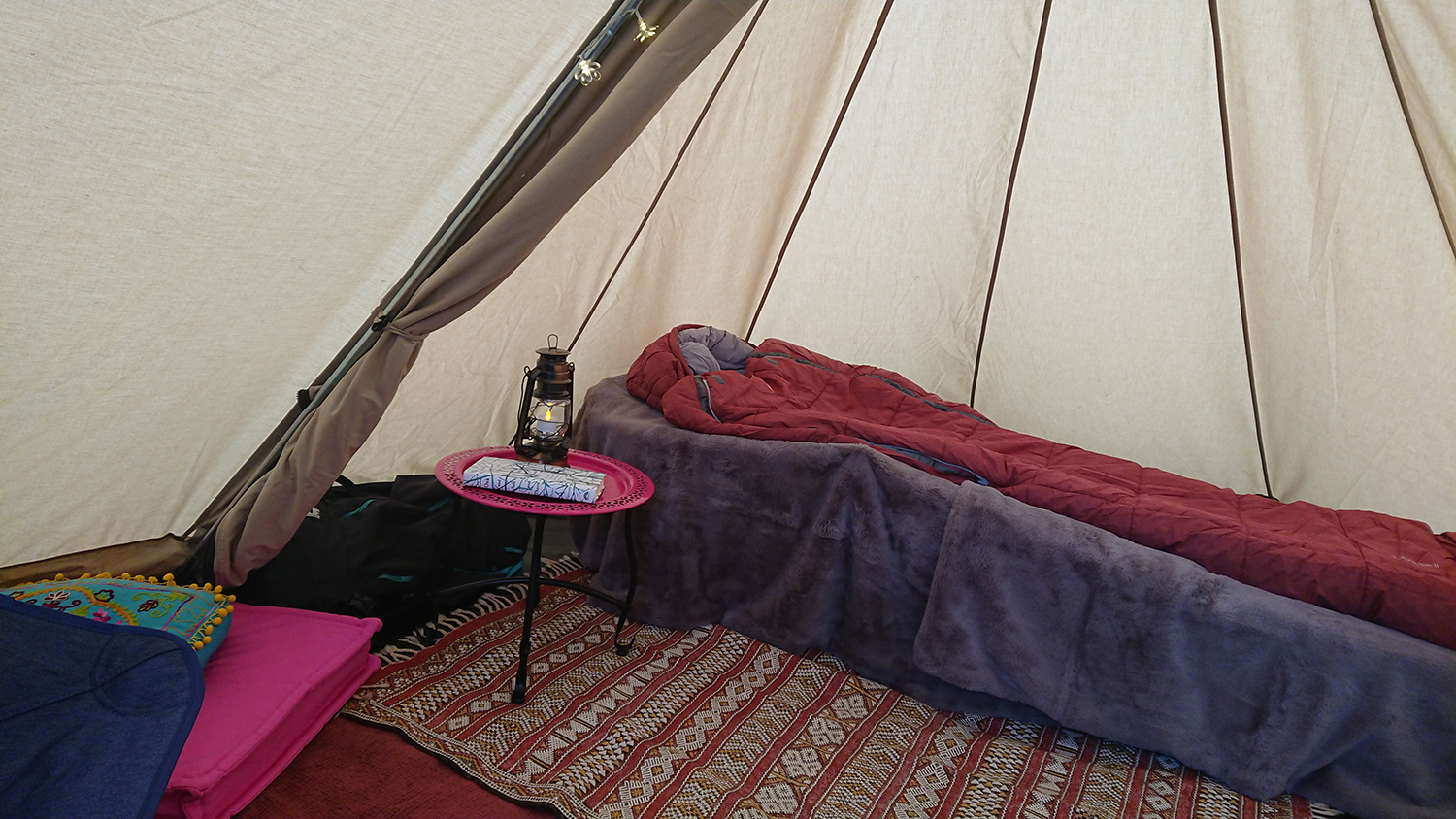
- Head and foot hacks: Wear a thin beanie. Slip down booties or thick socks on dry feet. Fill a hard bottle with hot water, seal tight, and place near your core or feet.
- Tent matters: A double-wall tent reduces drafts and condensation. Stake and guy-out to keep fabric from touching your bag.
Lesson from a -5°F ridge bivy: if your back is cold, it’s your pad, not your bag. Upgrade the pad first, always.
Smart campsite and shelter setup
Good site choice is “free warmth.” It is a quiet way to master how to keep warm when camping without extra weight.
- Pick a spot out of the wind. Use trees, boulders, or a natural berm as a wind break.
- Avoid valley bottoms where cold air pools at night. Mid-slope is often warmer.
- Keep your tent entrance away from the breeze. Guy-out lines tight to reduce flapping and drafts.
- In snow, stamp a platform and let it set before pitching. Build a small snow wall if winds are strong.
A simple line I use: if the trees lean one way, face your tent the other. Small choices add up to big comfort.
Fuel your furnace: food, hydration, timing
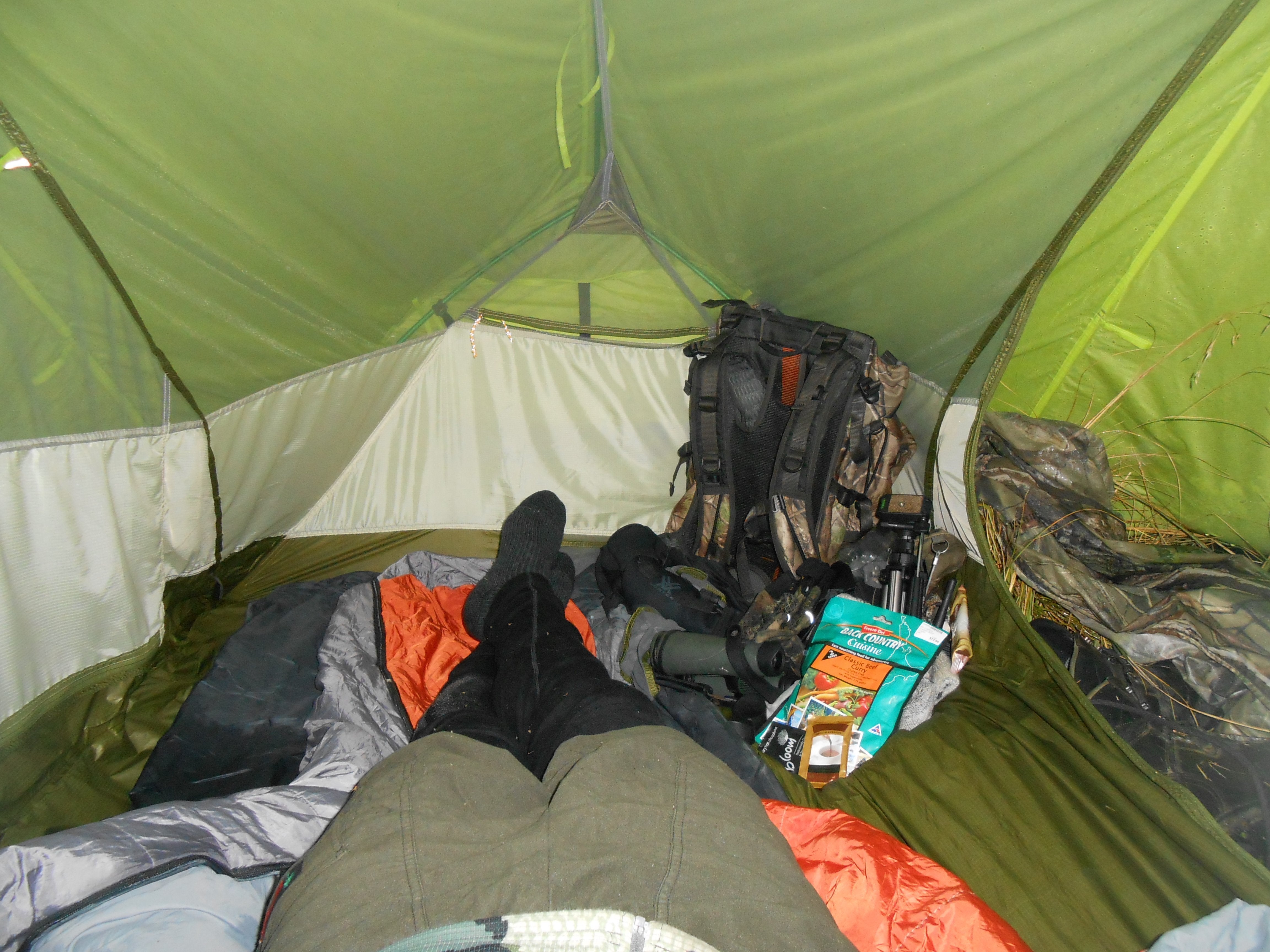
Your body is a heater, and food is the fuel. This is a big part of how to keep warm when camping, yet it is missed by many.
- Eat a warm, balanced dinner with carbs, fat, and protein. Fat burns slow through the night.
- Have a pre-bed snack. A small, fatty bite helps steady heat.
- Sip warm drinks, but not gallons. Overhydrating means cold bathroom trips.
- Skip alcohol before bed. It makes you feel warm but drops core heat later.
I once swapped a cold protein bar for a hot cocoa with a spoon of nut butter. Night and day difference in warmth and sleep.
Fire and safe heat sources
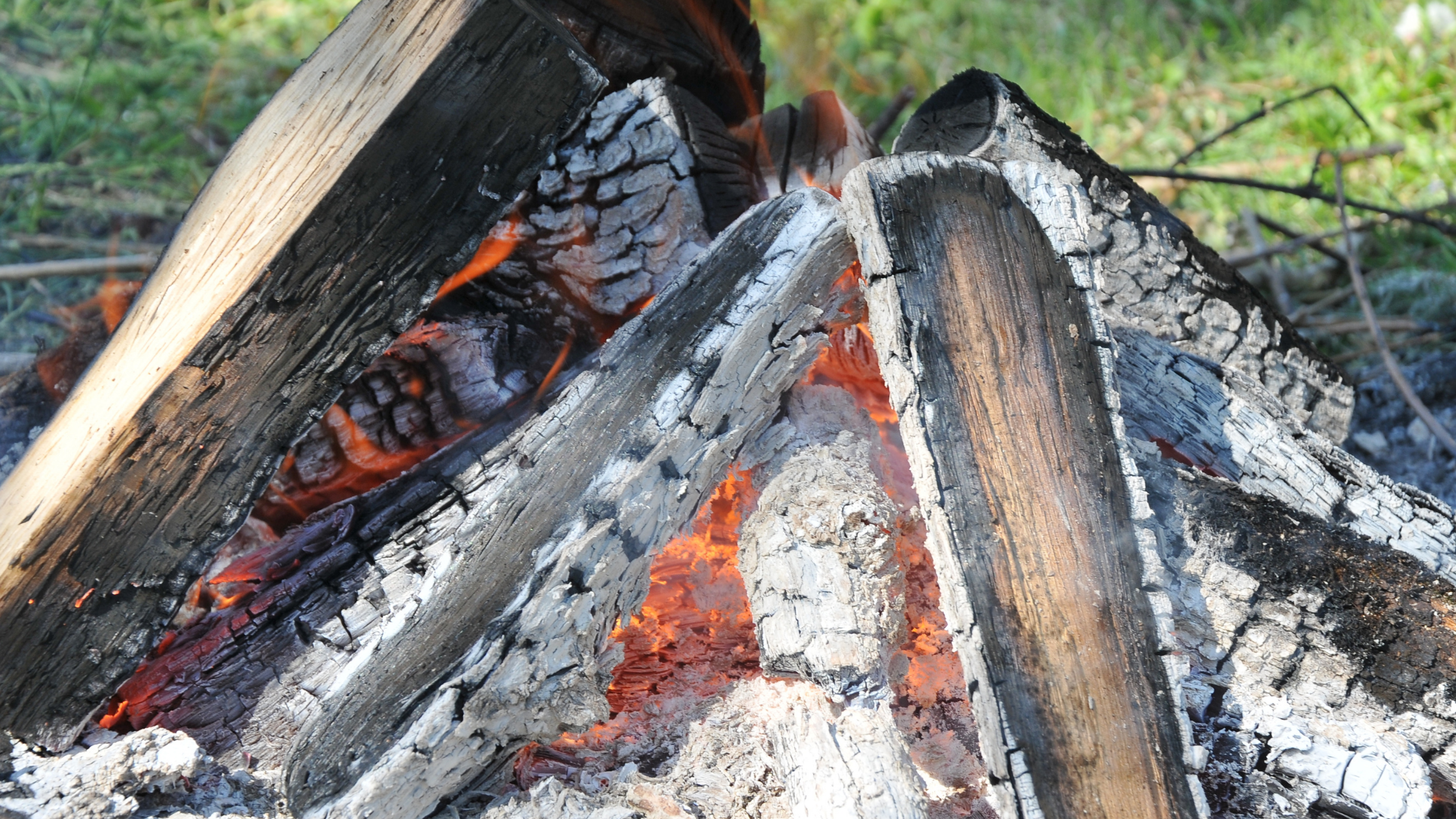
Fire is comfort and morale, but it is not a plan by itself. Use it well and safely.
- Build a small, efficient fire. Sit close, use a reflective wall of logs or a rock to bounce heat back.
- Dry damp socks or gloves near, not over, the flame. Slow and steady wins here.
- Heaters in tents can be risky. If you use one designed for camping, ventilate well and add a CO alarm. Never run open flames in a tent.
- Hot water bottle trick: safer, lighter, and proven.
Safety note: Carbon monoxide is silent and deadly. Ventilate any shelter where heat is used.
Master moisture and ventilation
Moisture steals heat fast. Managing it is core to how to keep warm when camping.
- Vent your shell while hiking to dump sweat. Damp layers equal cold later.
- In the tent, crack vents to reduce condensation. Less frost means a drier, warmer bag.
- Sleep socks are for sleeping only. Keep them dry in a zip bag.
- If you get wet, change as soon as you can. Warmth follows dry fabric.
Question I get a lot: Should I breathe into my sleeping bag? Short answer: no. You’ll load it with moisture and kill the loft.

Move right: quick routines to build heat
A little movement before bed helps. This is an easy win for how to keep warm when camping.
- Do light exercises: brisk walk, air squats, or a few jumping jacks. Stop before you sweat.
- Warm core first: a warm torso helps hands and feet.
- Keep a “grab-and-go” layer by your pillow. If you wake cold, add it fast.
Morning routine I love: put tomorrow’s socks in your bag overnight, then slip them on warm at dawn.
Special situations and regional tips
Different trips need different moves. Adjust your plan to nail how to keep warm when camping in any place.
- Wet cold (coastal, rainy): Choose synthetic or treated down. Pack spare base layers and a pack liner.
- Dry cold (mountain, desert): Down excels. Watch wind chill and hydrate more than you think.
- High altitude: Eat more and pace slower. Night temps swing hard.
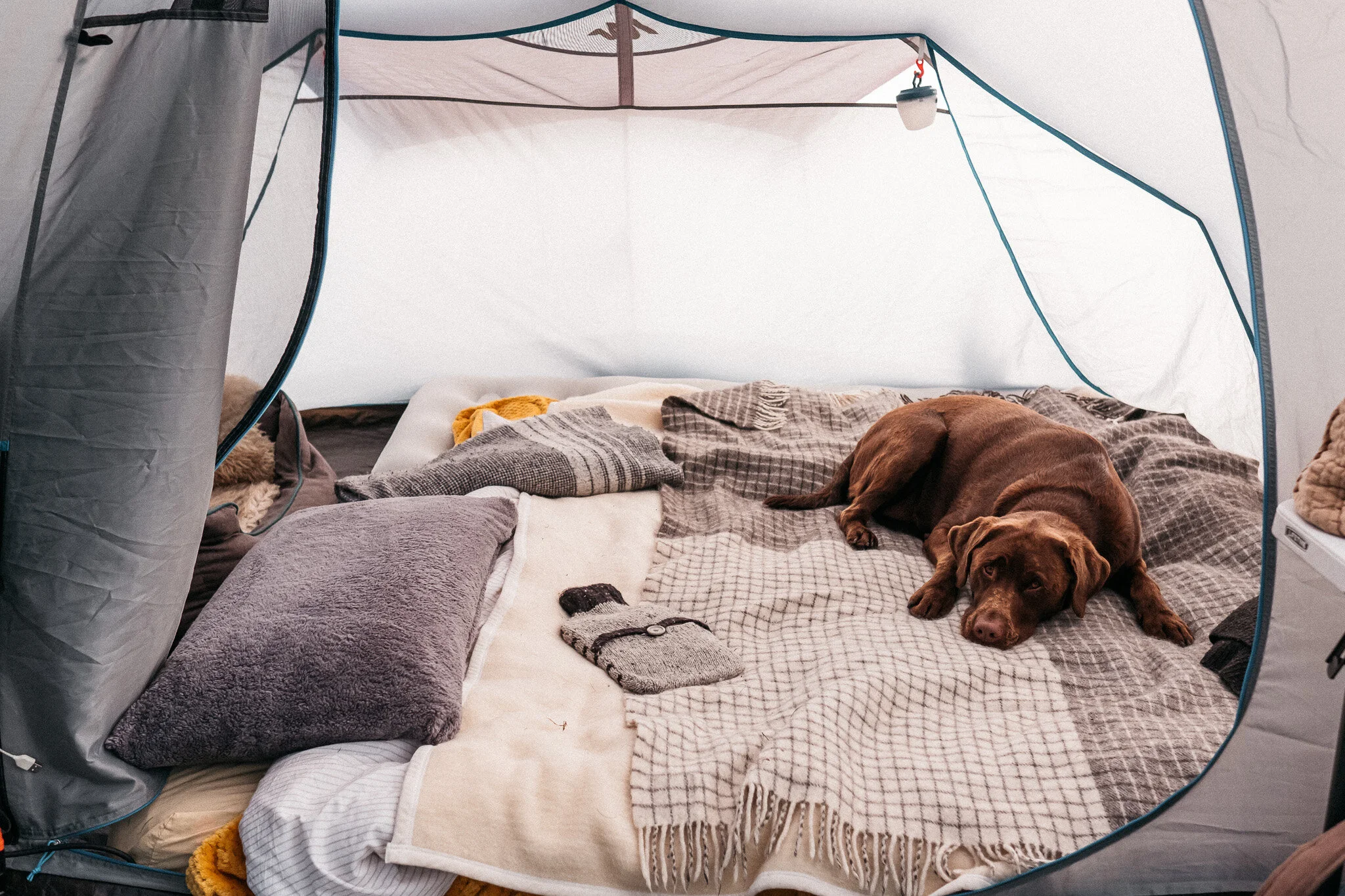
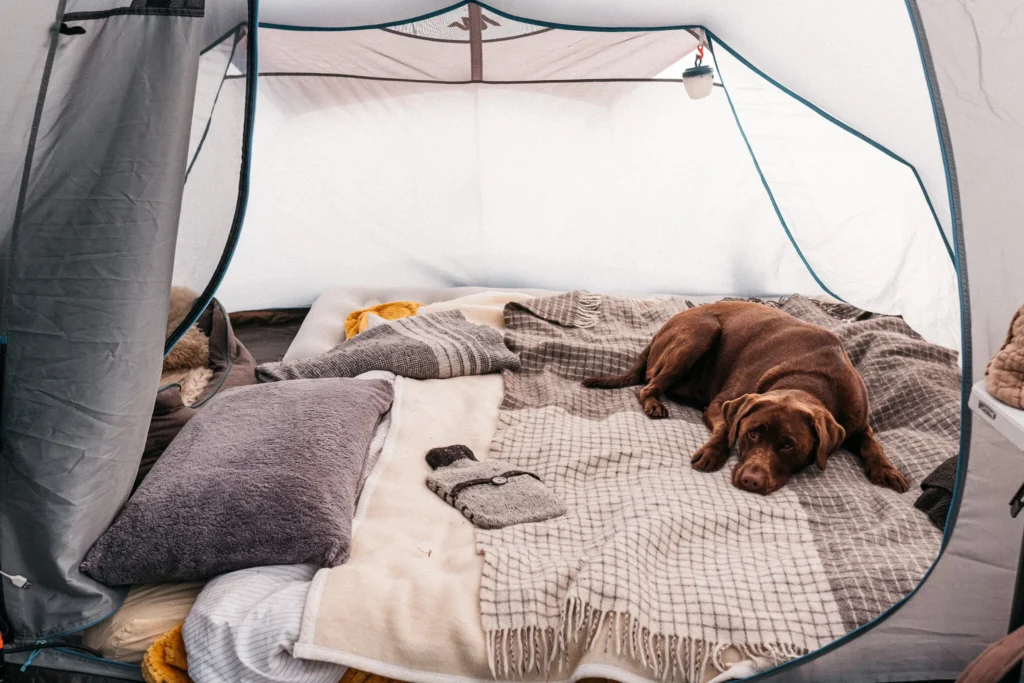
- With kids or dogs: Extra insulation and snacks. Warm water bottle wrapped in a towel near feet or in a pet-safe spot.
I carry a micro towel to wipe frost off the tent each dawn. It keeps my bag drier for the next night.
Field-tested checklist: how to keep warm when camping
Pack and prep with this tight list. It is my go-to on every cold trip.
- Sleep system: R 5+ pad stack, bag at least 10°F below low, liner, beanie.
- Clothing: Dry camp base, puffy jacket, wind shell, mitts, warm socks, down booties.
- Food and drink: Hot dinner, cocoa, pre-bed snack, insulated bottle.
- Camp setup: Wind break, mid-slope site, tight guy lines, tent vents cracked.
- Safety: Headlamp handy, CO-aware mindset, hot water bottle, repair kit for pad.
- Habits: Vent while hiking, change to dry fast, light warm-up before bed.
If you remember only one thing about how to keep warm when camping, make it this: insulate under you more than over you.
Common mistakes I learned to avoid
Years of shoulder-season trips taught me what not to do. These slip-ups make a warm night turn cold.
- Overdressing in the bag. You compress loft and sweat. Wear light, dry layers instead.
- Skipping the second pad. The ground always wins if your R-value is low.
- Eating too little. Your body needs fuel to heat you all night.
- Camping in a wind tunnel. A tiny move behind a bush can save 10°F of wind chill.
- Sleeping in damp socks. Switch to a dry, bag-only pair.
On a blustery November night, I forgot to vent my tent. I woke to icy walls and a damp bag. Two inches of open vent solved it the next night.
Frequently Asked Questions of how to keep warm when camping
What is the fastest way to warm up in a sleeping bag?
Do light exercise, then get straight into the bag to trap that heat. Add a hot water bottle near your core or feet for an extra boost.
How many layers should I wear to bed?
Usually one light base layer plus socks and a beanie is enough. If you are still cold, add a thin mid layer, not a bulky coat.
Do I need two sleeping pads in winter?
Often yes, because most heat loss is to the ground. Stack a closed-cell foam under an insulated air pad to raise total R-value.
Is down or synthetic better in wet conditions?
Synthetic stays warmer when damp and dries faster. Treated down helps, but you still need weather-aware habits and dry storage.
Does eating before bed really help?
Yes. A small, fatty snack gives slow-burn fuel that keeps your core warm. Warm drinks help too, but avoid alcohol.
Can I safely use a heater in my tent?
Use only heaters made for camping, and keep vents open. Add a carbon monoxide alarm and never sleep with open flames.
Conclusion
Keeping cozy outside is not magic. It is a simple plan you can repeat: smart layers, a high R-value pad stack, a bag rated for the cold, dry habits, good food, and a vented shelter. Follow these steps and you will master how to keep warm when camping, night after night.
Pack with intent, test your setup at home, then refine it on your next trip. If this helped, share it with a camp buddy, subscribe for more field guides, or drop your best cold-night tip in the comments.