A Complete Guide On Power Station For Camping: Portable Power Solution
The right power station can turn a rough night in the woods into a calm, cozy retreat. It keeps your phone alive, your fridge cold, your lights bright, and your coffee hot. And it does this without noise or fumes. But choosing the best camping power station can feel like picking a new language. Watts, watt-hours, inverters, surge power, LiFePO4—what does it all mean?
This guide breaks it down in simple terms. You’ll learn how much power you need, what size battery to buy, how long it lasts, and how to charge it with solar. We’ll walk through real devices like CPAPs, fridges, laptops, fans, lights, and more. By the end, you’ll know exactly what to look for and what to skip—so you can plan the perfect trip and stay powered the whole way.
What Is a Power Station for Camping?
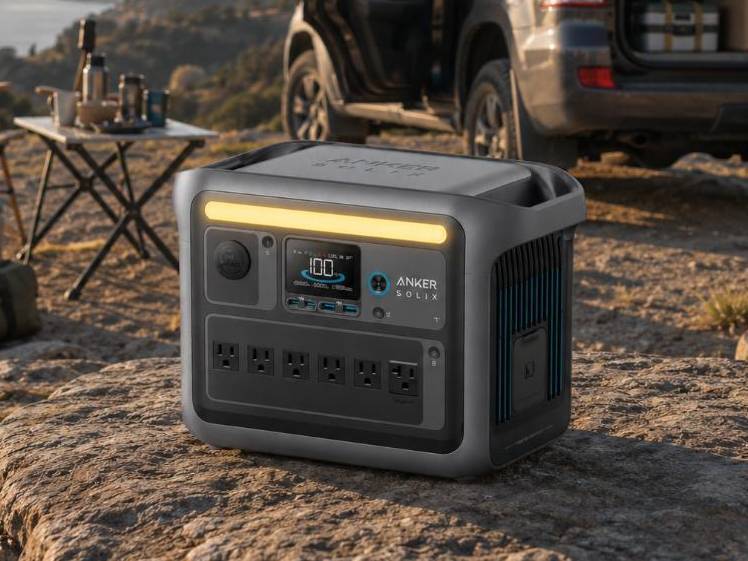
A camping power station is a portable battery with built-in outlets. Think of it as a quiet, rechargeable generator. It stores energy (measured in watt-hours) and lets you plug in phones, laptops, lights, fridges, and even some kitchen gear. Most models include AC outlets, USB ports, and 12V DC outputs. Many also support solar charging, so you can run off the sun during longer trips.
Unlike gas generators, portable power stations are silent and fume-free. You can use them inside a tent or car (with proper ventilation for devices), and they won’t disturb your campsite. They’re great for tent camping, car camping, van life, festivals, tailgates, and emergency backup.
People sometimes call them “battery generators” or “solar generators.” The “solar” part just means you can charge them with solar panels. There’s no internal combustion engine. It’s a rechargeable battery in a rugged box, with a smart inverter and safety systems built in.
How a Portable Power Station Works
Inside a power station, a big rechargeable battery stores energy. A battery management system (BMS) keeps it safe by controlling temperature, voltage, and current. The inverter turns the battery’s DC (direct current) into AC (alternating current) so you can plug in standard household devices. You also get direct DC outputs like 12V car sockets and USB-C PD for fast charging phones and laptops.
You charge the station with AC wall power, a 12V car socket, or solar panels. The display or app shows input watts, output watts, and remaining capacity. It’s a simple loop: charge it, use it, then recharge.

Power Station vs Solar Generator
A “solar generator” is a marketing term for a power station paired with solar panels. The core unit is still a power station. The difference is the bundle: with solar panels, you can recharge off-grid during the day. Without panels, you just have the battery and ports.
If you plan multi-day camping without access to outlets or your car, consider adding portable solar. If most trips are short or near power, a power station alone may be enough.
Power Station vs Gas Generator for Camping
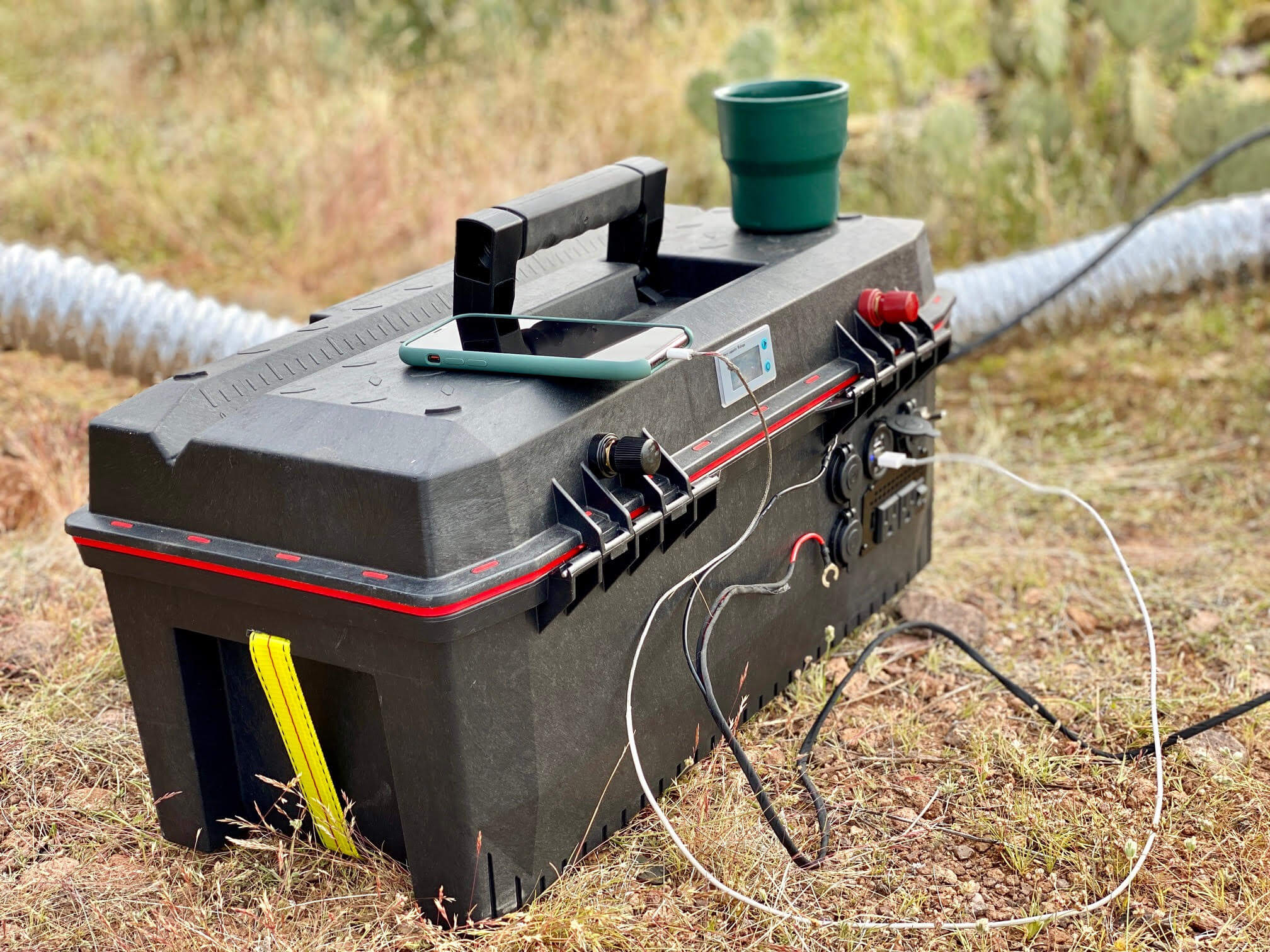
Gas generators make lots of power but are loud, smelly, and banned in many campgrounds. They need fuel and can’t be used inside tents or vehicles. Portable power stations are quiet, safer indoors, and easier to carry. They’re perfect for phones, lights, small fridges, fans, laptops, and CPAP machines.
If you need to run high-watt tools or heat appliances for long stretches, gas may still win. But for most campers, battery power is cleaner, quieter, and simpler.
How Much Power Do You Need for Camping?
Start with your gear. Make a short list of everything you want to run. Add the watts and how long you’ll use each item. Phones and lights sip power. Fridges, fans, and laptops use more. Kettles and coffee makers spike hard but run for only a few minutes. Heaters pull too much for most power stations and drain your battery fast.
Your goal is to estimate daily watt-hours. That’s your “energy budget.” A solo camper might use 150–300Wh/day. A couple with a fridge might use 300–600Wh/day. A family with laptops, lights, fans, and a fridge may need 600–1,200Wh/day.
Battery size is in watt-hours (Wh). If you plan a two-day weekend and use 400Wh/day, you need at least 800Wh. Add a buffer of 20–30% for weather, inverter losses, and surprises.
The 10 Best Camping Fridge for Van Life, Overlanding, and Car Camping
Make a Camping Power Budget
- List your devices.
- Note their watt draw (W).
- Estimate hours of use per day.
- Multiply W x hours = Wh/day for each item.
- Add them up for a daily total.
- Add 20–30% safety margin.
Example:
- LED lantern: 5W x 5 hours = 25Wh
- Phone: 12Wh/day
- Laptop: 60W x 2 hours = 120Wh
- 12V fridge: ~300Wh/day
Total: ~457Wh/day. Add 25% = ~571Wh/day.
Watt-Hours vs Watts
- Watts (W): how fast a device consumes power.
- Watt-hours (Wh): how much energy is used over time.
- Battery capacity is in Wh.
- Inverter size is in watts (how much power it can output at once).
A 500Wh battery can, in theory, power a 50W device for 10 hours. In real life, expect 80–90% of stated capacity due to losses.
How to Calculate Your Camping Battery Size
- Add up daily Wh.
- Multiply by number of days.
- Add 20–30% safety buffer.
- If you’ll use solar, subtract expected daily solar input from your daily use.
If you estimate 600Wh/day for 2 days: 600 x 2 = 1,200Wh. Add 25% = 1,500Wh. A 1,500Wh station gives breathing room if you lack solar.
Small, Medium, and Large Camping Power Stations
- Small (200–400Wh): Phones, lights, cameras, small fans, one laptop charge. Great for one-night or ultralight trips near the car.
- Medium (500–1,000Wh): Add a 12V fridge, more laptop time, more lights. Ideal for weekends or small families.
- Large (1,200–2,000Wh+): Multi-day trips with a fridge, laptops, and comfort gear. Good for off-grid basecamps and RV/van use.
What Size Power Station Is Best for Camping?
Match the size to your trip. One-night tent camping with only phones and lights? A 300–500Wh unit will feel roomy. Weekend car camping with a fridge, laptop time, and lights? Aim for 700–1,200Wh. Family trips with fans, fridge, laptops, and longer stays? Look at 1,200–2,000Wh, plus solar for sunny sites.
Inverter size matters too. For basic camping, 300–600W continuous is often enough. If you plan to use a coffee maker or kettle, you may need 1,000–1,500W continuous. But remember: high-watt kitchen gear drains batteries fast. Use sparingly.
Best Capacity for One-Night Camping
- 300–500Wh covers phones, lights, a fan, and a laptop.
- Skip AC when possible. Use USB and 12V for better efficiency.
- If you bring a small 12V fridge, aim for 500Wh minimum.
Best Capacity for Weekend Camping
- 700–1,000Wh supports a fridge (300–500Wh/day), phones, lights, and laptops.
- With sunny weather and a 100–200W solar panel, you can extend runtime.
Best Capacity for Family Camping
- 1,200–2,000Wh handles a fridge, 2+ laptops, lights, and fans.
- Consider 200–400W of solar to stay topped up on longer trips.
When You Actually Need 1,500Wh or More
- Running a fridge plus laptops for multiple days.
- Cloudy trips with little solar.
- Powering higher-draw gear like kettles or CPAP with humidifiers.
- Sharing power with a group.
What Can a Camping Power Station Run?
A camping power station can handle most small electronics, plus some kitchen gear. The trick is to watch both watts and watt-hours. Steady, low-watt devices (lights, fans, phones) are easy on the battery. Appliances with heating elements (kettles, coffee makers) use a lot, but for short bursts. High-watt heaters are generally not a good match for battery power.
If your device’s watt draw is under the inverter limit and your total daily Wh fits your battery size, you’re good. Here’s what most campers run and how to plan it.
Phones and Tablets
- Power draw: 5–20Wh per full charge.
- Use USB-A or USB-C PD for best efficiency.
- Tip: Turn on airplane mode at night to save power.
Cameras and Drone Batteries
- Camera batteries: 5–15Wh each.
- Drone batteries: 20–60Wh each.
- Charge during daytime while solar is active if possible.
LED Camping Lights
- LED lantern: 3–10W.
- String lights: 2–8W.
- 5 hours/night ≈ 15–50Wh. Very efficient.
Portable Fans
- Small USB fan: 2–10W.
- 8 hours/night ≈ 16–80Wh.
- Great for summer nights.
Laptops
- 45–65W while working; 15–30W while light use.
- 2 hours of heavy work ≈ 90–130Wh.
- Use USB-C PD to avoid inverter losses.
Portable Refrigerators
- Typical draw: 30–60W when the compressor runs.
- Daily total: 200–500Wh depending on size and heat.
- 12V DC is more efficient than AC through the inverter.
CPAP Machines
- 20–50W average without humidifier.
- 50–100W with heated humidifier.
- 8 hours/night ≈ 160–800Wh depending on settings.
Electric Blankets
- 40–100W on low to medium.
- 4 hours ≈ 160–400Wh.
- Use sparingly or only to pre-warm your sleeping bag.
Coffee Makers
- 600–1,200W while brewing.
- 5 minutes ≈ 50–100Wh.
- Choose pour-over or Moka pot to save battery.
Electric Kettles
- 800–1,500W while heating.
- 4 minutes ≈ 60–100Wh for 1–2 cups.
- Insulated kettle saves repeat boils.
Heaters and Other High-Wattage Appliances
- Space heaters: 1,000–1,500W.
- Not practical on battery for long. Drains fast.
- Use sleeping bags, layers, and hot water bottles instead.
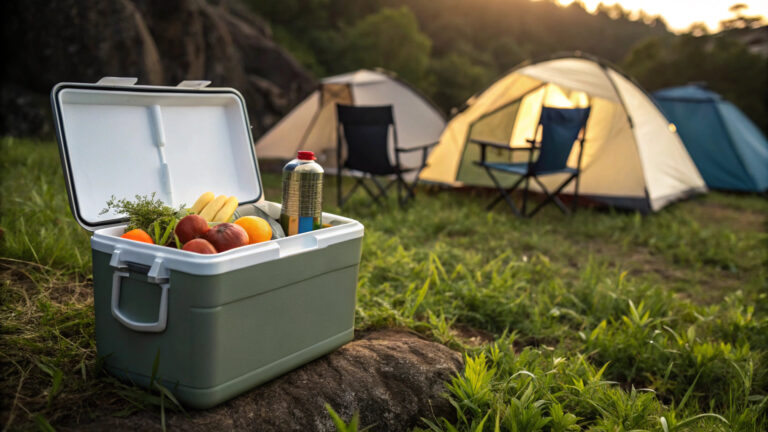
Power Station for Camping With a Fridge or Cooler
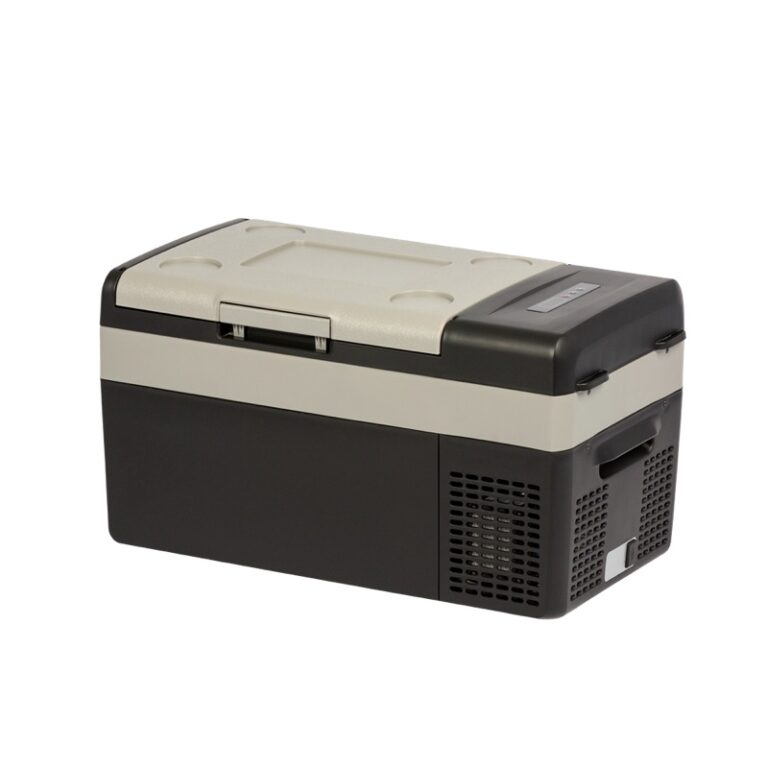
A 12V portable fridge is a game-changer. It keeps food safe without melting ice. But it needs steady power. Plan ahead so your power station can run it day and night. The daily draw depends on size, ambient heat, set temperature, and how often you open the lid.
Electric coolers (thermoelectric) draw less power up front but cannot get as cold as compressor fridges. They also run almost nonstop, which may end up using more energy over time. Compressor fridges cycle on and off and are usually more efficient overall.
How Many Wh Does a Camping Fridge Use?
- Small 25–35L compressor fridge: 200–400Wh/day in mild weather.
- Larger 45–60L fridge: 300–600Wh/day.
- In hot weather, add 25–50% more.
12V Fridge vs Electric Cooler
- 12V compressor fridge: Cools to refrigerator temps. Cycles on/off. More efficient in most cases.
- Thermoelectric cooler: Maintains a set difference from ambient temp. Often runs nonstop. Uses 40–80W continuously, which can be 1,000–1,900Wh/day—too high for small batteries.
Factors That Increase Fridge Power Use
- High ambient temperature.
- Direct sun on the fridge.
- Warm food loaded in all at once.
- Frequent lid opening.
- Poor ventilation around the compressor.
How to Extend Fridge Runtime
- Pre-chill food and the fridge at home.
- Keep the fridge in the shade and ventilated.
- Use an insulated cover.
- Set temp to 36–40°F (2–4°C) unless you really need lower.
- Add solar to recover daytime use.
Power Station for Camping With a CPAP
A CPAP can run smoothly from a portable power station, but plan your battery size. Your total draw depends on your machine’s settings and whether you use the heated humidifier. Running off DC (with the right cable/adapter) is more efficient than using the AC inverter.
Before leaving, test your setup at home. Check how many watt-hours one night uses with your settings. That way, there are no surprises at the campsite.
How Many Wh Does a CPAP Need?
- Without heated humidifier: 20–50W average. 8 hours ≈ 160–400Wh.
- With heated humidifier: 50–100W average. 8 hours ≈ 400–800Wh.
- Pressures and mask leak rates also affect draw.
CPAP With Heated Humidifier
The humidifier is the big power user. If you need it, plan a bigger battery. Consider turning the humidity down or only using it part of the night. A heat moisture exchanger (HME) can help reduce power use while keeping comfort.
AC vs DC CPAP Power
Using the CPAP’s DC adapter avoids inverter losses. That saves 5–15% of energy. Many CPAP brands sell DC power kits. Check your manual for voltage and compatible cables.
How Many Nights Can a Power Station Run a CPAP?
- 500Wh battery: 1–2 nights without humidifier, 0.5–1 night with humidifier.
- 1,000Wh battery: 2–4 nights without, 1–2 nights with.
- Add solar to extend stays.
What to Check Before a Camping Trip
- Test runtime at home.
- Bring the right DC cable.
- Pack a spare mask seal.
- Pre-charge the power station to 100%.
- Confirm your inverter size if using AC.
Solar Charging for Camping Power Stations
Solar keeps you going off-grid. A portable panel captures sunlight and feeds energy to your power station. The amount you harvest depends on panel wattage, angle, time of day, weather, and your latitude. Many campers find 100–200W of solar is enough to offset phones, lights, and a 12V fridge for a small group.
Plan for imperfect sun. Expect 50–80% of the panel’s rated watts in real use. Build a daily charging habit: set up panels right after breakfast and move them a few times to track the sun.
How Solar Charging Works
Solar panels turn sunlight into DC power. A charge controller optimizes that power and feeds it into your battery. Many power stations have built-in MPPT controllers for better efficiency, especially in variable light. You plug the panel into the station’s solar input using the correct connector (often Anderson, XT60, or 8mm).
How Many Solar Panels Do You Need?
- Small setups: One 100W panel can support light use and trickle charge a medium battery.
- Fridge users: 200–300W helps cover daily fridge draw plus other devices.
- Larger groups: 300–400W or more keeps a 1,200–2,000Wh station healthy.
Solar Panel Wattage vs Power Station Capacity
You can pair a small panel with a big battery, but it will charge slowly. For daily top-ups, panel watts should be matched to your daily use, not just battery size. If you use 400Wh/day, a 200W panel in good sun might replace most of that.
How Long Does Solar Charging Take?
Rough rule:
Charge time (hours) ≈ Battery Wh ÷ (Panel W × 0.6 to 0.8).
Example: 1,000Wh battery with a 200W panel: 1,000 ÷ (200 × 0.7) ≈ 7.1 hours in ideal sun. Real days often mean longer due to clouds and angle.
Portable Solar Panels for Camping
Folding solar panels are light and easy to pack. They set up fast and store small. Rigid panels are cheaper per watt but bulkier. For car camping, a folding 200W panel hits a sweet spot for weight and output.
Monocrystalline vs Other Solar Panel Types
Monocrystalline panels are more efficient and great in low light. Polycrystalline is cheaper but less efficient. Thin-film is flexible and light but often less efficient and less durable. For camping, high-quality monocrystalline panels are the go-to.
Solar Charging in Cloudy Weather
Expect 10–40% of rated output on overcast days. Use more panel wattage or plan extra battery capacity. Keep panels clean and angled right to squeeze out every watt.
How to Position Solar Panels at a Campsite
- Face south in the Northern Hemisphere, north in the Southern.
- Tilt to roughly your latitude, adjust as the sun moves.
- Avoid shade from trees and tents.
- Reposition every 1–2 hours for best results.
How Long Does a Camping Power Station Last?
Runtime depends on your device draw, battery size, and system efficiency. A simple way to estimate is to divide usable battery Wh by device watts. But remember losses from the inverter and DC conversion. Real-world results are often 10–20% lower than the math.
If you plan for 80% usable capacity and avoid running high-watt devices for long, your battery will go further. Solar can refill the tank during the day if you plan it well.
Simple Runtime Formula
Runtime (hours) ≈ (Battery Wh × 0.8) ÷ Device W.
Example: 500Wh battery, 50W device: (500 × 0.8) ÷ 50 = 8 hours.
Use 0.85–0.9 for DC loads, 0.75–0.85 for AC loads.
Why Real Runtime Is Lower
- Inverter losses for AC devices.
- Standby drain from the power station.
- Temperature effects on battery.
- Higher power spikes that reduce efficiency.
Example Runtime Calculations
- 12V fridge averaging 25W over a day: 500Wh battery lasts ≈ (500 × 0.85) ÷ 25 ≈ 17 hours. With cycling and nighttime temp drops, real life may be longer.
- Laptop at 45W for 2 hours/day: about 90Wh/day. On a 1,000Wh station, that’s an easy load for a long trip.
How to Make Your Battery Last Longer
- Use DC outputs when possible.
- Turn off unused ports and the inverter.
- Lower screen brightness on laptops and phones.
- Keep the battery in a moderate temperature range.
- Add solar to refill during the day.
Battery Chemistry: LiFePO4 vs Lithium-Ion
Not all batteries are the same. Two common chemistries dominate portable power stations: LiFePO4 (lithium iron phosphate) and NMC/NCA (lithium-ion). Each has trade-offs in weight, cycle life, cost, and cold-weather behavior.
For camping, many users prefer LiFePO4 for safety and longevity. Others pick lithium-ion for lighter weight at the same capacity. Here’s how they differ.
What Is a LiFePO4 Battery?
LiFePO4 (LFP) is known for long cycle life and thermal stability. It often delivers 2,500–3,500+ cycles to 80% capacity, with some brands claiming even more. It’s heavier per Wh than lithium-ion but safer and longer lasting.
What Is a Lithium-Ion Battery?
Lithium-ion (NMC/NCA) is lighter and packs more energy per pound. Cycle life is often 500–1,000+ to 80% capacity. It performs well in cold but needs careful battery management to stay safe.
LiFePO4 vs Lithium-Ion for Camping
- LiFePO4: Great for frequent use, long-term ownership, and hot climates. Heavier but robust.
- Lithium-ion: Lighter and compact. Good if you carry it often and do not deep-cycle daily.
Why Battery Cycle Life Matters
Cycle life is how many full charge/discharge cycles you get before capacity drops. If you camp often or plan to use your station for years, LiFePO4’s long cycle life can save money over time.
What Inverter Size Do You Need for Camping?
The inverter is the heart of AC output. It has a continuous watt rating and a surge rating. Continuous is the steady power it can deliver. Surge handles brief spikes when devices start up.
Pick an inverter that fits your highest planned load, plus a margin. If your coffee maker is 900W, a 1,000–1,200W inverter is wise. If you only power laptops and lights, 300–600W is enough.
Continuous Wattage Explained
This is the steady AC power the inverter can supply. If your gear totals 250W while running, a 300–500W inverter covers it. Check all devices you may use at once.
Surge Wattage Explained
Motors and compressors spike when they start. The surge rating handles that burst. For example, a 60W fridge might need 300–600W for a second or two. Make sure the inverter’s surge spec can handle your peak needs.
Pure Sine Wave Inverter
A pure sine wave outputs clean AC power like the grid. It works with sensitive electronics, fridges, some medical devices, and many chargers. It’s the best choice for camping.
Modified Sine Wave Inverter
Cheaper but rougher on electronics. Some devices buzz, run hot, or won’t start. Avoid for fridges, CPAPs, and laptops.
Why Pure Sine Wave Matters for Sensitive Electronics
It protects chargers, reduces heat, and ensures devices work as designed. If you plan to run CPAPs, fridges, or laptops, pure sine wave is a must-have.
Power Station Ports and Outputs to Look For
The right ports make camping easier. You want enough plugs in the right places with the right power. Look for USB-C PD for fast laptop charging, 12V DC for fridges, and AC outlets for occasional needs. Check the total number and spacing of outlets, too.
Also, confirm the solar input range and connector type. Adapters add flexibility, but native support is best.
AC Outlets
- For household plugs.
- Check continuous and surge wattage.
- Fewer is fine if you rely on DC and USB most of the time.
USB-A Ports
- Great for phones, headlamps, and lights.
- Look for Quick Charge support on at least one port.
USB-C PD Ports
- Key for modern laptops, tablets, and fast phone charging.
- 60–100W PD is ideal for laptops.
12V DC Output
- Best for compressor fridges and some lights.
- More efficient than using AC.
- Check for regulated 12V to avoid dropouts.
Car Socket
- Standard 12V cigarette lighter port.
- Works with many camping accessories and fridges.
Wireless Charging
- Handy for phones at night.
- Saves cable clutter.
Anderson or Solar Input Connections
- Secure, high-current connectors for solar.
- Check input voltage and max watts supported.
Number and Placement of Ports
- Space between AC outlets for bulky plugs.
- Front-facing USB for easy use in tents.
- Side or rear solar input to keep cables tidy.
How Heavy Should a Camping Power Station Be?
Weight grows with capacity. A 300Wh unit might weigh 7–10 lbs. A 1,000Wh unit could weigh 20–30 lbs, more if LiFePO4. Big 2,000Wh stations can hit 40–60 lbs. That’s fine for car camping but heavy to move far from your vehicle.
Plan for how far you’ll carry it. A good handle, balanced design, and a case with a strap help a lot.
Portable Power Station Weight by Capacity
- 200–400Wh: 5–12 lbs.
- 500–1,000Wh: 12–30 lbs.
- 1,200–2,000Wh: 25–60 lbs.
Handle Design
- Centered, padded handles are easier on the hands.
- Dual handles help with heavier units.
- Some have telescoping handles and wheels.
Carrying a Power Station From Car to Campsite
- Use a wagon or dolly for big units.
- Keep cables packed on top for quick setup.
- Plan placement before unloading to avoid extra trips.
Backpacking vs Car Camping
Power stations are for car camping, not backpacking. For trails, bring small power banks (10,000–20,000mAh) and tiny solar chargers if needed.
Best Features to Look for in a Camping Power Station
Look beyond capacity. Smart features make trips smoother and safer. Fast charging saves time at home or on the road. Solar support extends off-grid stays. Good displays and apps help you track usage. A low-power mode saves energy overnight.
Durability, a strong BMS, and a solid warranty build trust. For frequent campers, these features add real value.
Fast AC Charging
- 0–80% in 1–2 hours saves time.
- Useful when topping up at home or a lodge.
Solar Charging
- Built-in MPPT improves performance.
- Clear voltage and watt limits help with panel pairing.
Multiple Charging Methods
- AC wall, 12V car, and solar as standard.
- Some support USB-C input or generator charging.
LCD or App Monitoring
- Live input/output watts, time to empty/full, and battery percentage.
- App control lets you tweak settings from your chair.
Low-Power Mode
- Keeps low-watt devices from auto-shutoff.
- Great for small lights and sensors.
Pass-Through Charging
- Lets you charge the power station while powering devices.
- Useful during solar days.
Expandable Battery Support
- Add extra battery packs for long trips.
- Good for RVs or basecamps.
LED Emergency Light
- Handy built-in light for tents or power outages.
- Some include SOS and strobe modes.
Battery Management System
- Protects against overcharge, over-discharge, short circuits, and high temps.
- Essential for safety and longevity.
Warranty and Customer Support
- Look for 2+ years, longer for LiFePO4.
- Good support matters if something goes wrong mid-trip.
Is a Power Station Safe for Camping?
Yes—if you use it right. Power stations are safer than gas generators because they have no fumes and are quiet. You can use them indoors with care. Follow the manual, keep them dry, and avoid extreme heat or cold. Do not block vents. Use only approved cables.
Treat it like a laptop battery on a bigger scale. Respect heat, moisture, and proper charging.
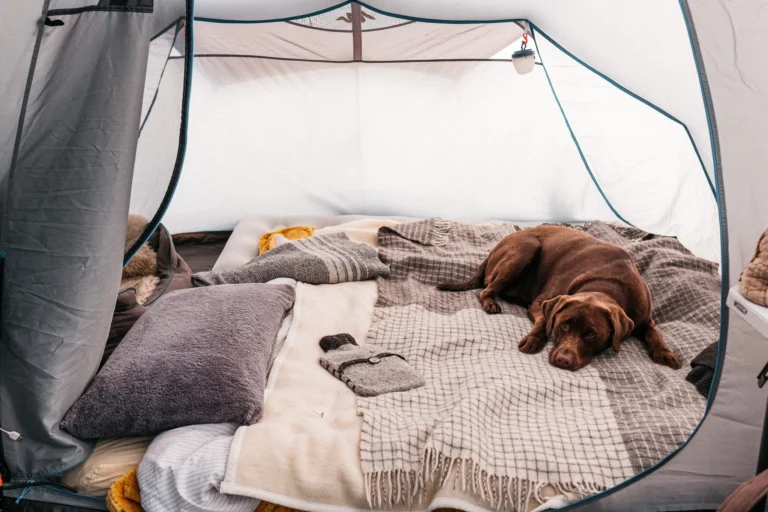
Can You Use a Power Station Inside a Tent?
Yes, as long as it stays ventilated, dry, and away from sleeping bags and clothing. Keep it on a flat, stable surface. Use DC for CPAPs and lights when possible to reduce heat from the inverter.
Can a Power Station Get Wet?
No. Keep it away from rain, puddles, and heavy dew. Use a dry bag or a covered table. Moisture can cause short circuits or damage.
Can You Charge It in the Rain?
Avoid charging in wet conditions. If you must, keep both the power station and charge ports protected under a canopy, and use weather-protected cable runs. Safety first.
Safe Placement at a Campsite
- Off the ground on a dry, stable surface.
- In the shade, with airflow around vents.
- Away from foot traffic to avoid trips and cable damage.
Protecting It From Heat and Cold
- Don’t leave in a hot car or direct sun.
- For cold nights, keep it inside the tent or insulated bag.
- Batteries work best at moderate temps.
Charging Safety
- Use the included or approved chargers and cables.
- Watch for unusual heat or smells.
- Unplug if anything feels wrong.
Signs of Battery Damage
- Swelling, cracking, or deformities.
- Burning smells or smoke.
- Suddenly dropping capacity.
If you see these, stop using it and contact support.
How to Use a Power Station Safely While Camping
A few habits go a long way. Pre-charge at home. Pack the right cables. Place the unit safely at camp. Turn off ports you’re not using. Keep cords tidy.
Think of it like water: budget your power for the day, top up when you can, and don’t waste it on leaks (standby loads).
Before Leaving Home
- Fully charge the power station.
- Update firmware if the app suggests it.
- Pack all cables: AC, car charger, DC cables, solar adapters.
- Test sensitive gear like CPAPs and fridges.
At the Campsite
- Place it in shade with airflow.
- Keep it dry and off the ground.
- Connect DC loads first for efficiency.
- Check the display to confirm normal operation.
During Charging
- Use approved cables and avoid tension on connectors.
- For solar, reposition panels every 1–2 hours.
- Watch input watts and battery temps.
Before Packing Up
- Power down outputs.
- Coil and secure cables.
- Wipe off dust and moisture.
- Store with 40–60% charge if not using soon.
How to Charge a Portable Power Station
You have four main ways: AC wall, 12V car, solar, and sometimes dual-input. Pick what fits your trip. For fast top-ups, AC is best. For road days, use the car. For off-grid stays, solar is king.
Always check the input limits and voltage range your power station supports.
AC Wall Charging
- Fastest and simplest.
- Many units go 0–80% in 1–2 hours.
- Good to top up at home or a lodge.
12V Car Charging
- Slower, but charges while you drive.
- Often 60–120W. Hours vary by battery size.
- Turn off high-draw devices when using car input.
Solar Charging
- Great for off-grid.
- Size panels to match your daily use.
- Use MPPT for better performance.
Dual or Combined Charging
- Some units accept AC + solar or dual MPPT inputs.
- Useful when you need a fast boost.
How to Plan a Multi-Day Charging Strategy
- Estimate daily Wh use and solar intake.
- Charge during peak sun.
- Save high-watt tasks for midday.
- Keep the battery above 20% when possible.
Power Station for Tent Camping vs Car Camping
Your setup changes by style. Tent campers carry less and value light gear. Car campers can bring bigger batteries, fridges, and more comfort items. For families, plan shared use: lights, fans, charging, and maybe a fridge.
For long stays, solar makes a big difference. Even 100–200W can stretch a weekend setup into a week.
Tent Camping Power Needs
- Focus on light, small devices: phones, headlamps, a fan, and a lantern.
- 300–700Wh is often enough for 1–2 nights.
- Keep it simple with USB-C and 12V.
Car Camping Power Needs
- Add a 12V fridge, laptops, and extra lighting.
- 700–1,200Wh feels flexible for weekends.
- Bring 100–200W solar to extend stays.
Family Camping Power Needs
- Multiple phones and tablets, maybe a CPAP.
- A fridge and fans help comfort.
- 1,200–2,000Wh and 200–400W of solar keep things smooth.
Long-Term Campsite Setup
- Consider expandable batteries.
- Add more panels for reliable daily charging.
- Organize cables and label ports for easy use.
Power Station for Camping in Cold Weather
Batteries hate cold. Expect reduced capacity and slower charging. Keep the power station inside the tent or a padded bag to stay warm. Avoid charging below freezing unless your unit supports low-temp charging.
Plan a bigger battery or reduce loads in winter. Warm your sleeping kit and use DC for devices to reduce losses.
How Cold Weather Affects Battery Capacity
- At 32°F (0°C), you may lose 10–20% capacity.
- At lower temps, loss grows.
- Efficiency drops, and voltage sag can trip safeties.
Can You Charge a Power Station Below Freezing?
Most batteries should not charge below 32°F (0°C). Some LiFePO4 units include low-temp charging heaters. Check your manual. If unsure, warm the unit before charging.
Keeping a Power Station Warm
- Store it inside your tent or sleeping area.
- Keep it off the ground.
- Use an insulated cover or wrap (but don’t block vents).
Winter Camping Battery Planning
- Add 20–30% extra capacity.
- Pre-charge everything at home.
- Limit high-watt devices.
- Use hot drinks and quality sleeping gear to avoid electric heat.
Common Mistakes When Buying a Power Station for Camping
Many buyers focus on the battery number and ignore the rest. But inverter size, port types, solar input, and weight all matter. Think about your real use. Will you carry it far? Will you run a fridge? Do you need to charge laptops fast?
Avoid these pitfalls and you’ll get a setup that fits your trips, not someone else’s.
Buying Too Little Battery Capacity
You’ll run out fast if you add a fridge or CPAP later. Plan for growth—buy for how you’ll camp six months from now.
Buying More Capacity Than You Need
Bigger is heavier and pricier. If you only camp one night with basic gear, a 500Wh unit may be perfect.
Ignoring Inverter Wattage
A 500Wh battery is useless if your 900W coffee maker can’t start. Match inverter size to your peak devices.
Forgetting Surge Requirements
Fridges and pumps need a power burst to start. Check surge watts are high enough.
Ignoring Weight
A 40-lb station is no fun to carry to a distant site. Consider a lighter model or a wagon.
Assuming Solar Charging Is Always Fast
Clouds, shade, and angle reduce output. Size panels for real-world use, not just the label.
Forgetting Cable Compatibility
Make sure your fridge, CPAP, and panels have matching plugs or adapters.
Using AC When DC Would Be More Efficient
USB-C and 12V DC save energy. Use them first and keep the inverter off unless needed.
How to Choose a Power Station for Camping
Follow a simple checklist. Start with your devices and daily Wh. Add a buffer. Pick an inverter that fits your peak needs. Choose a battery chemistry based on how often you’ll use it. Check charging options, weight, and support.
This process makes the decision easy, even if you’re new to power stations.
Step 1 — List Your Camping Devices
Phones, lights, laptop, fridge, CPAP, fans, camera, drone, kettle, coffee maker. Include everything you might use.
Step 2 — Calculate Daily Watt-Hours
Find each item’s watts and multiply by hours of use. Add them all. That’s your daily budget.
Step 3 — Add a Safety Margin
Add 20–30% for losses, weather, and surprises.
Step 4 — Choose Inverter Output
Pick continuous watts above your peak device load. Check surge rating for fridges or pumps.
Step 5 — Check Battery Chemistry
- LiFePO4 for long life and frequent trips.
- Lithium-ion for lighter weight and compact size.
Step 6 — Check Charging Options
Confirm AC speed, solar input watts and voltage, and 12V car support.
Step 7 — Check Weight and Portability
Make sure you can carry it from your car to camp. Look for good handles or wheels.
Step 8 — Check Weather and Temperature Ratings
Look for low-temp charging features if you camp in winter.
Step 9 — Check Warranty and Support
Aim for 2–5 years, longer for LiFePO4, and responsive US-based support if possible.
Best Power Station Capacity for Different Camping Trips
Every trip is different. Solo overnights are simple. Family weekends need more juice. Off-grid basecamps need both a big battery and solar. Use these quick presets as a starting point.
Adjust up or down based on your weather, fridge use, and how much you work from camp.
One-Night Solo Camping
- 300–500Wh.
- Phones, lights, a fan, and a laptop charge.
- No fridge or use a small cooler with ice.
Two-Day Weekend Camping
- 700–1,000Wh.
- Add a 12V fridge and more lights.
- Consider 100–200W solar.
Three-Day Family Camping
- 1,200–1,500Wh.
- Fridge, fans, laptops, and lights.
- 200–300W solar if sunny.
Off-Grid Camping
- 1,500–2,000Wh+.
- 300–400W solar or more.
- Expandable batteries help.
Festival Camping
- 500–1,000Wh.
- Phones, lights, fans, and small speakers.
- Solar optional if allowed and sunny.
Van and RV Camping
- 1,000–2,000Wh+, often with solar and alternator charging.
- Consider hard-mount solar and DC-to-DC charging.
Emergency Camping Backup
- 1,000Wh minimum if you rely on CPAP or need cold storage.
- Store charged and test quarterly.
How to Make a Power Station Last Longer While Camping
Small changes add up. Use DC, manage your loads, and take advantage of sunlight. Pre-cool your fridge and charge all devices before leaving home. Keep the station shaded and cool.
These habits can stretch a 500Wh unit into a weekend—or make a 1,500Wh unit feel bottomless.
Use DC Power When Possible
USB-C PD and 12V DC waste less power than AC. Your battery goes further.
Turn Off Unused Outputs
The inverter draws power even with no load. Turn AC off when not needed.
Pre-Charge Everything at Home
Phones, cameras, drones, and lights should start at 100%. Save your battery for later.
Pre-Cool Your Fridge
Run the fridge on wall power at home with your food inside. It will draw less at camp.
Use Low-Power LED Lighting
LEDs sip power and last all night. Avoid high-brightness settings unless needed.
Reduce Standby Loads
Some chargers and gadgets draw power even when “off.” Unplug them.
Use Solar During Peak Sunlight
Set up panels by 9–10 a.m. Reposition at lunch. Do high-drain tasks midday.
Real-World Camping Test: What to Track
A quick field test builds confidence. Set up at home or a one-night trip. Watch your power use. Note what drains the battery fastest. Adjust your plan before a long trip.
Track both input (solar or car) and output (your devices). You’ll see patterns fast.
Test Setup
- Charge your power station to 100%.
- Pack normal camping gear.
- If using solar, bring your panels and adapters.
What to Measure
- Output watts while using each device.
- Total Wh used per day.
- Solar input during peak hours.
Record Real-World Results
Write down how many Wh each major device uses. Use that to refine your battery choice or solar plan.
Day 1
- Run the fridge and lights as usual.
- Charge phones and test the laptop.
- Check end-of-day battery percentage.
Day 2
- Add or remove devices to see changes.
- Try moving panels more often and compare input.
Day 3
- Confirm a steady routine.
- Decide if you need more panels or a bigger battery.
Frequently Asked Questions About Power Stations for Camping
What size power station do I need for camping?
Add up your daily watt-hours, then add 20–30% for safety. For one night with phones, lights, and a laptop, 300–500Wh is plenty. For weekends with a 12V fridge, aim for 700–1,200Wh. For family trips with fans, a fridge, and multiple laptops, plan for 1,200–2,000Wh plus solar.
Is a 500Wh power station enough for camping?
Yes, for simple trips. It can handle phones, lights, a fan, and a laptop. If you add a 12V fridge, you may get about one day unless you have solar. For two days with a fridge, consider 700–1,000Wh.
Is a 1,000Wh power station enough for a weekend?
Usually yes. With a 12V fridge, lights, phones, and a couple of laptop hours, 1,000Wh feels great for 2–3 days—especially if you add a 100–200W solar panel in good sun.
Can a power station run a camping fridge?
Yes. A 25–45L compressor fridge uses 200–500Wh/day depending on weather and use. A 700–1,000Wh station can run it for a weekend. Solar helps on longer trips.
Can a power station run a CPAP all night?
Yes. Without a heated humidifier, many CPAPs use 160–400Wh per night. With humidifier, 400–800Wh. Use the DC power kit for better efficiency and plan your battery size accordingly.
Can I use a power station inside a tent?
Yes. Keep it dry, ventilated, and away from bedding. Use DC power first when possible. Never block vents.
Can you use a portable power station in the rain?
Do not expose it to rain. Keep it under cover, inside a tent vestibule, or in a dry bag. Wet electronics are dangerous.
How long does a power station last while camping?
It depends on your device load. Use the formula: runtime ≈ (battery Wh × 0.8) ÷ device W. Real results vary by temperature, inverter use, and device behavior. Solar can extend runtime.
Can solar panels charge a power station while camping?
Yes. With 100–400W of panels and good sun, you can refill a significant part of your daily use. Use built-in MPPT when possible, and reposition panels for better results.
How many solar panels do I need for a camping power station?
Match panels to daily use. For 300–600Wh/day, 200W of monocrystalline panels in good sun can replace much of that. For heavier loads or cloudy sites, go bigger.
Can I charge a power station from my car?
Yes. Most support 12V car charging at 60–120W. It’s slower than AC or solar but useful while driving between campsites.
Are portable power stations safe?
Yes, when used as directed. They have built-in protections. Keep them dry, away from heat, and use approved cables. Do not charge in the rain or block vents.
Are LiFePO4 power stations better for camping?
Often, yes. LiFePO4 has longer cycle life and strong safety. It’s heavier than lithium-ion, but many campers prefer the longevity and peace of mind.
Can I use a power station for electric cooking?
It’s possible but drains the battery fast. Kettles and coffee makers can work for short bursts. Avoid long cook times. Consider propane stoves or fire for meals.
Can a power station run a heater?
Not for long. Heaters pull 1,000–1,500W and will drain most batteries quickly. Use warm clothing, sleeping bags, and hot water bottles instead.
How do I store a portable power station between camping trips?
Store at 40–60% charge in a cool, dry place. Top off every 3–6 months. Keep it away from direct sun and heat. Check firmware and cables before your next trip.
Final Buying Checklist for a Camping Power Station
- Capacity: Does it cover your daily Wh plus a 20–30% margin?
- Inverter: Pure sine wave, with continuous and surge watts to match your peak needs.
- Ports: USB-C PD (60–100W), 12V regulated DC, enough AC outlets, and room for bulky plugs.
- Solar: Built-in MPPT, clear voltage/watt input limits, and compatible connectors.
- Charging: Fast AC, 12V car input, and pass-through support if you need it.
- Battery Chemistry: LiFePO4 for long life and safety, or lithium-ion for lighter weight.
- Weight and Size: Can you carry it from car to camp? Good handle or wheels?
- Display/App: Live input/output, time-to-empty, and controls for eco/low-power mode.
- Safety: Strong BMS, venting, and clear operating temperature range.
- Warranty: 2–5 years and responsive support.
- Extras: LED light, wireless charging, expandable batteries, and solid build quality.
With the right match, your camping power station becomes a quiet partner in every trip—keeping your food fresh, your devices charged, and your nights relaxed under the stars.