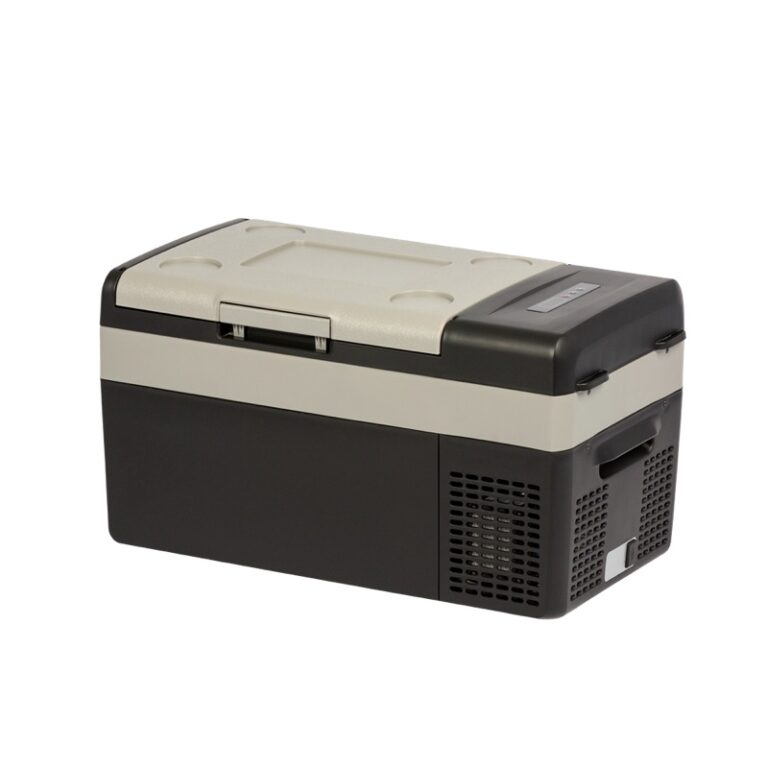
What Is Camper Fridge 3 Way? (How It Works & Pros/Cons)
A 3-way camper fridge is an absorption refrigerator designed for recreational vehicles that can operate using three different power sources: 12-volt DC battery power, AC mains electricity (110V/240V), and LPG (propane gas).
For anyone venturing out in a campervan, RV, or caravan, having reliable amenities is paramount. Among these, a functioning refrigerator is not just a convenience; it’s a necessity for preserving food and keeping beverages cool. While standard household refrigerators are designed for stable environments, the unique demands of mobile living call for specialized solutions. This is where the three-way camper fridge shines, offering unparalleled versatility and efficiency for life on the move.
The mechanics and benefits of a three-way fridge is key for any camper. These refrigerators, also known as absorption refrigerators, are designed to run on multiple power sources, adapting seamlessly to different situations encountered during travel. Whether you’re plugged into shore power at a campsite, running your vehicle’s engine, or enjoying off-grid living powered by a gas bottle, your fridge can keep your perishables fresh. This adaptability eliminates the worry of food spoilage and enhances the overall comfort and practicality of your mobile dwelling.
Key Takeaways
- A three-way camper fridge is a type of refrigerator that can operate on three different power sources: 12V DC (from a vehicle battery or solar), 240V AC (from shore power or a generator), and LPG/Propane gas.
- This multi-power capability makes them ideal for RVs, campervans, and caravans, offering flexibility for both connected and off-grid living.
- The primary advantage is their versatility, allowing continuous operation regardless of available power.
- They operate on an absorption cooling cycle, which is quiet and has fewer moving parts compared to compressor fridges, leading to greater durability.
- Key considerations include ventilation requirements, gas safety, and power consumption when running on 12V DC.
- Proper installation and maintenance are crucial for optimal performance and longevity.
What Exactly Is A Three-way Camper Fridge?
At its core, a three-way camper fridge is a specialized appliance designed for recreational vehicles and mobile homes. Its defining characteristic, as the name suggests, is its ability to run on three distinct power sources: 12-volt DC, 240-volt AC (or 110-volt AC in North America), and LPG (Liquefied Petroleum Gas), typically propane or butane. This unique functionality is achieved through a sophisticated absorption refrigeration system, rather than the compressor-based system found in most domestic refrigerators.
The absorption system relies on a chemical process involving ammonia, water, and hydrogen to create a cooling effect. Unlike compressor fridges that use mechanical energy to move refrigerant, the absorption cycle uses heat as its primary energy source. This heat can be supplied by any of the three power sources.
When running on gas, a burner heats the ammonia solution. When running on AC or DC power, an electric heating element performs the same function. This heat then drives a continuous cycle of evaporation and condensation within the fridge’s sealed system, drawing heat away from the interior and dissipating it outside.
The 10 Best Camping Fridge for Van Life, Overlanding, and Car Camping
The Three Power Sources Explained
Let’s break down each power source and how it’s typically utilized in a campervan or RV setting:
- 12V DC (Direct Current): This is the most common power source when you are driving or when your vehicle’s auxiliary battery system is active. It can be powered directly from your vehicle’s engine battery (via a split-charge system) or from a dedicated leisure battery bank, often charged by solar panels, a mains charger, or the vehicle’s alternator. Running on 12V DC is convenient for continuous cooling while on the move or when off-grid without gas. However, it’s important to note that 12V operation can be the most power-intensive and may drain your leisure batteries if not managed carefully or if charging sources are insufficient.
- 240V AC (Alternating Current): This is the standard household power you’ll find at caravan parks, campsites, or connected to a generator. When plugged into shore power, the fridge automatically switches to AC operation, drawing power from the mains supply. This is generally the most efficient mode of operation for the fridge, using less energy than the 12V DC mode for a similar cooling output. It’s the preferred mode when available, as it conserves your 12V battery capacity.
- LPG (Propane/Butane): This is the go-to power source for off-grid camping or when you want to conserve your battery power. The fridge connects to your campervan’s gas system, drawing propane or butane from a tank. An integrated igniter starts a small burner, which heats the refrigerant solution. Gas operation is highly efficient in terms of energy consumption, as a small amount of gas can provide many days of cooling. However, it requires careful installation and regular checks for gas leaks, and the cooling performance can sometimes be affected by ambient temperature or the level of gas in the tank.
How The Absorption Cooling Cycle Works
The magic behind the three-way fridge lies in its absorption refrigeration cycle. It’s a fascinating process that uses heat to drive a cooling effect without the need for a noisy compressor. Here’s a simplified breakdown:
- Heating: Heat is applied to a solution of ammonia and water in an evaporator. This heat can come from the gas burner or an electric heating element.
- Ammonia Evaporation: The heat causes the ammonia to vaporize. This ammonia vapor then rises.
- Condensation: The ammonia vapor travels to a condenser, where it releases heat to the outside air (hence the need for good ventilation at the back of the fridge) and condenses back into a liquid.
- Expansion: The liquid ammonia then passes through an expansion valve, where its pressure drops, causing it to become very cold.
- Absorption: This cold liquid ammonia flows into the main refrigerator cabinet, where it absorbs heat from the interior, cooling the food and drinks.
- Re-absorption: The now gaseous ammonia, having absorbed heat, travels back to the absorber, where it mixes with water and hydrogen. This mixture is then pumped back to the evaporator, and the cycle repeats.
The inclusion of hydrogen in the system is crucial. It keeps the ammonia pressure low, allowing it to evaporate at the low temperatures required for refrigeration, even when the fridge is not perfectly level.
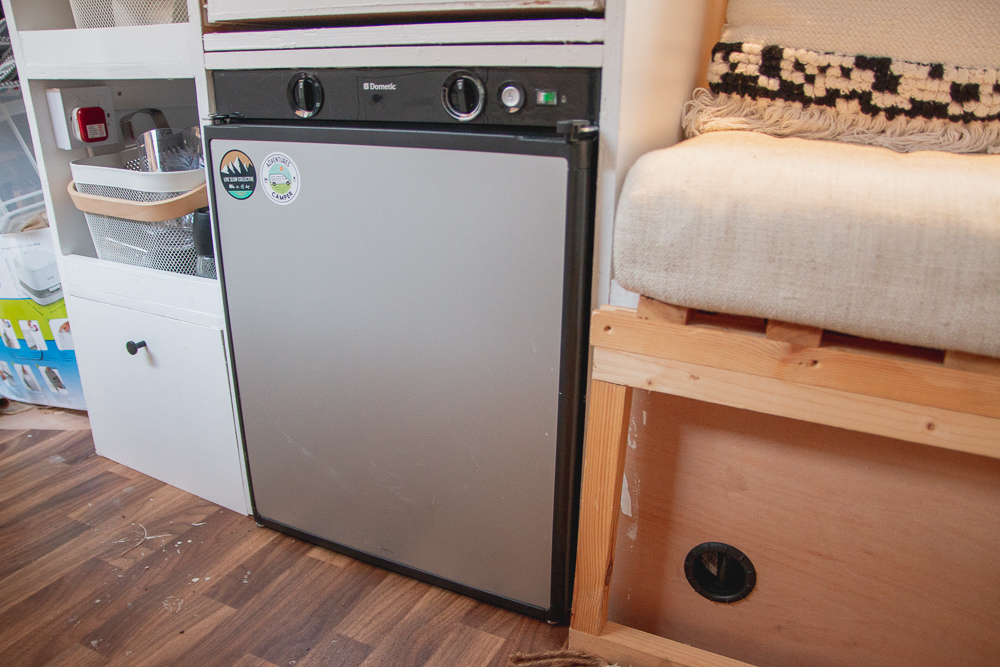
Advantages Of A Three-way Fridge For Campers
The unique design and functionality of three-way fridges offer a compelling set of advantages for anyone living or traveling in a recreational vehicle. Their adaptability and quiet operation make them a preferred choice over other refrigeration options for many.
Unmatched Versatility
The most significant advantage is undoubtedly the versatility. The ability to seamlessly switch between gas, 12V DC, and 240V AC power means your refrigerator will keep running regardless of your location or available power source.
- On the Road: Switch to 12V DC to keep your food cool using your vehicle’s battery system while driving.
- At a Campsite: Connect to the mains power (240V AC) for efficient cooling without draining your batteries.
- Off-Grid: Rely on your LPG bottle for continuous cooling when you’re away from powered sites.
This flexibility provides peace of mind, eliminating the common camper’s concern about food spoilage when power options are limited or uncertain.
Quiet Operation
Unlike compressor refrigerators, which can be quite noisy due to their mechanical components, absorption refrigerators are remarkably quiet. The only sound you might hear is a faint hum from the heating element or the occasional gurgle of the refrigerant. This is a major benefit in the confined space of a campervan or RV, where noise can significantly impact comfort and sleep quality.
Durability And Simplicity
The absorption cooling system has fewer moving parts compared to a compressor fridge. There’s no compressor motor to wear out. This inherent simplicity often translates to greater durability and a longer lifespan, especially in the vibration-prone environment of a moving vehicle. While they require specific maintenance, the core mechanism is robust.
Independent Operation (gas Mode)
The gas mode is a true lifesaver for off-grid adventurers. It allows you to maintain a cool environment for your food and drinks for extended periods without needing to run an engine, connect to shore power, or drain your battery bank. This is crucial for extended trips into remote areas where power sources are non-existent.
Better Performance On Gas And Mains Power
While 12V DC operation can be effective, it often draws a significant amount of current, which can strain your battery system. In contrast, running on LPG or 240V AC is generally more energy-efficient for achieving and maintaining a desired temperature. This means that when these power sources are available, they are often the preferred and more effective options for significant cooling.
Leveling Less Critical (with Hydrogen)
While all refrigerators perform best when level, the presence of hydrogen in the absorption system helps it to function reasonably well even when the vehicle is not perfectly horizontal. This is a practical advantage in the often uneven terrain where campers and RVs are parked.
However, extreme inclines can still impact performance, so aiming for a relatively level position is always recommended.
Understanding The Three-way Fridge: How It Differs
To truly appreciate the three-way camper fridge, it’s helpful to understand how it differs from the more common refrigerator types found in homes and some RVs. The primary distinction lies in the cooling mechanism and power source flexibility.
Absorption Vs. Compressor Refrigeration
The most significant difference is the cooling technology.
- Absorption Refrigerators (Three-Way): As detailed earlier, these use heat (from gas or electricity) to drive a chemical process that creates cold. They are quiet, have few moving parts, and can run on multiple power sources. Their efficiency can be somewhat dependent on ambient temperature and whether the unit is level.
- Compressor Refrigerators: These are similar to your home fridge. They use a compressor to pressurize a refrigerant gas, which then circulates through coils to cool the interior. They are generally more energy-efficient, especially on 12V DC, and their cooling performance is less affected by ambient temperature or leveling. However, they are noisier due to the compressor and have more mechanical parts that can wear out. Many modern RVs are now opting for high-efficiency 12V DC compressor fridges, especially those designed for extensive off-grid living.
Power Source Limitations Of Other Fridge Types
- Standard Household Fridge: Runs solely on 240V AC (or 110V AC). Completely unsuitable for mobile use without a substantial inverter and battery system, and even then, it’s not designed for the vibrations of travel.
- Standard 12V DC Fridge (Compressor Type): These are increasingly popular for RVs. They run exclusively on 12V DC power. While efficient on 12V, they require a robust battery system and charging capabilities (solar, alternator, shore power) to avoid draining batteries. They cannot run on gas or mains AC directly.
- Propane-Only RV Fridge: Some older or simpler RV fridges might be designed to run primarily on propane, with limited or no electric options.
The three-way fridge bridges the gap, offering the best of both worlds for many traditional RV users: the quiet, multi-fuel flexibility of absorption cooling.
Efficiency Considerations
When comparing efficiency, it’s not always a straightforward comparison.
- On 240V AC: Three-way fridges are generally quite efficient, comparable to many compressor fridges.
- On LPG: They are extremely efficient in terms of fuel consumption, with a standard gas bottle lasting weeks.
- On 12V DC: This is where three-way fridges are typically the least efficient. They draw a significant amount of amperage (often 10-15 amps) to power the heating element. This can quickly drain a leisure battery if not supplemented by a strong charging source. In contrast, 12V DC compressor fridges are designed for this power source and are significantly more efficient, drawing perhaps 2-5 amps.
This is why many experienced RVers recommend using the 240V AC or LPG modes whenever possible to preserve battery life, especially when not actively driving or charging.
Installation And Ventilation: Crucial For Performance
The proper installation of a three-way fridge is not just about making it fit; it’s about ensuring it can operate safely and efficiently. The absorption system, particularly the condenser coils, needs to dissipate heat effectively. This requires specific ventilation.
The Importance Of Proper Ventilation
Absorption fridges generate heat as a byproduct of the cooling process. This heat needs to be released to the outside air. If the fridge is not adequately ventilated, the coils will overheat, significantly reducing cooling efficiency and potentially causing the fridge to stop working altogether.
- External Venting: Three-way fridges require external vents, typically installed on the side of the vehicle. These vents allow air to circulate around the back of the fridge unit, where the condenser coils and burner assembly are located.
- Airflow: The design of the vents and the space behind the fridge is critical. Manufacturers specify minimum clearances that must be maintained. Obstructions or poorly designed ventilation can lead to the fridge working much harder and cooling less effectively.
- Thermodynamics: Good ventilation ensures that the hot air rising from the coils is replaced by cooler ambient air, creating a continuous airflow that carries heat away.
Installation Best Practices
- Secure Mounting: The fridge must be securely mounted to prevent movement during transit. This usually involves using brackets and ensuring the floor it sits on is strong and stable.
- Leveling: While hydrogen helps, the fridge should be installed as level as possible. Use shims if necessary to achieve a level installation.
- Gas Connection: If using the LPG mode, the gas line must be installed by a qualified professional, adhering to all safety regulations. This includes using the correct type of gas hose, ensuring leak-free connections, and installing an appropriate regulator.
- Electrical Connections: 12V and 240V connections must be made correctly, using appropriate gauge wiring for the 12V system to prevent voltage drop and fire hazards. Fuses or circuit breakers should be installed in the 12V circuit for safety.
- Ventilation Access: Ensure the external vents are not obstructed by anything (e.g., awnings, storage boxes) and that the vents themselves are clean and free of debris.
Pro Tip: Many installations include a small fan near the condenser coils. This fan can be wired to turn on when the fridge is operating on gas or 12V, actively drawing air through the vents to improve heat dissipation and enhance cooling performance, especially in hot weather.
Maintenance And Troubleshooting Common Issues
Like any appliance, a three-way fridge requires regular maintenance to ensure optimal performance and longevity. Understanding common issues and their solutions can save you a lot of hassle on your travels.
Routine Maintenance
- Clean the Condenser Coils and Vents: Regularly clean the external vents and the condenser coils at the back of the fridge. Dust, dirt, and debris can accumulate, hindering airflow and reducing efficiency. A soft brush or vacuum cleaner can be used for this.
- Check Gas Burner and Flue: Periodically inspect the gas burner for cleanliness and proper flame. Ensure the flue is clear of obstructions. A dirty burner can lead to incomplete combustion and reduced heating.
- Level Check: Before each trip and periodically during longer stays, check if the vehicle and fridge are still level.
- Electrical Connections: Inspect 12V and 240V connections for any signs of corrosion or loose wires.
- Door Seal: Ensure the door seal is clean and intact. A damaged or dirty seal will allow cold air to escape and warm air to enter, making the fridge work harder.
Common Problems And Solutions
Gas Safety Warning: If you smell gas or suspect a leak while troubleshooting the propane system, immediately turn off the main gas supply valve, extinguish all open flames, and ventilate the area.
A 3-way camper fridge (running on 12V, 240V/110V, or LPG) is notoriously sensitive to positioning and power delivery. The following breakdown covers the most common failures and their fixes.
1. Fridge Does Not Cool on 12V (DC)
- Possible Cause: The 12V heating element draws heavy current and only functions when the engine is running and the alternator is charging, often controlled by a relay (often the D+ terminal). If the vehicle ignition is off, it will drain the battery instantly, so fridges are designed not to run on 12V when parked. Alternatively, a fuse is blown.
- Solution: Verify that the engine is running and check the 12V fuses located at the fridge’s external access panel and your tow vehicle/camper’s fuse block.
- Verification: Check with a multimeter that 12V power is reaching the terminals at the back of the fridge only when the engine is running.
2. Fridge Does Not Cool on Gas (LPG)
- Possible Cause: Air trapped in the gas line after a tank change, a blocked burner jet, or a faulty igniter/thermocouple.
- Solution: Purge the gas lines by running another gas appliance (like a stove burner) first. Clean the tiny burner jet with compressed air (never poke it with a needle, as this enlarges the orifice).
- Verification: Look through the inspection port or mirror at the bottom exterior rear of the fridge to confirm a steady blue flame is burning.
3. Fridge Does Not Cool on Mains Electricity (AC)
- Possible Cause: No power at the outlet, a tripped circuit breaker, or a burned-out 240V/110V heating element.
- Solution: Plug a lamp into the same wall socket the fridge uses to confirm power. If the outlet works, test the resistance of the AC heating element with a multimeter; an infinite reading means the element has failed and needs replacement.
- Verification: The interior or control panel indicator light for AC power should be illuminated, and the boiler tube behind the fridge should become hot to the touch within 1 to 2 hours.
4. Fridge is Level But Still Won’t Cool on Any Source
- Possible Cause: The cooling unit (ammonia solution) has developed a blockage due to being operated significantly off-level, which crystallizes the sodium chromate inside the tubes.
- Solution: If the fridge has been tilted, turn it completely off, remove it, and flip it upside down for a few hours, then right-side up for a few hours to try and break up the crystal blockage. If this fails, the cooling unit must be replaced.
- Verification: Ensure the vehicle is parked on a relatively flat surface (within 3 degrees front-to-back and side-to-side) and check if the large metal cylinder (boiler) at the back gets hot.
Final verdict
A 3-way camper fridge is an exceptionally versatile, silent, and off-grid-friendly appliance that trades the mechanical compressor of a standard household fridge for a thermal absorption cycle, giving you the freedom to switch between 12V, AC mains, and propane depending on whether you are driving, plugged into shore power, or camping remotely.