Camper Freezer Cold But Not Fridge: 10 Hidden Reason
The freezer gets cold first; poor airflow or a bad thermistor keeps the fridge warm. If you are dealing with a camper freezer cold but not fridge, you are not alone. I have fixed this exact issue many times in the field and on my own rigs. In this guide, I break down why it happens, how to test the likely causes, and the smart fixes that last. Stick with me, and you will have a cool fridge, less food waste, and more time enjoying the road.
How RV fridges actually cool, and why the freezer gets cold first
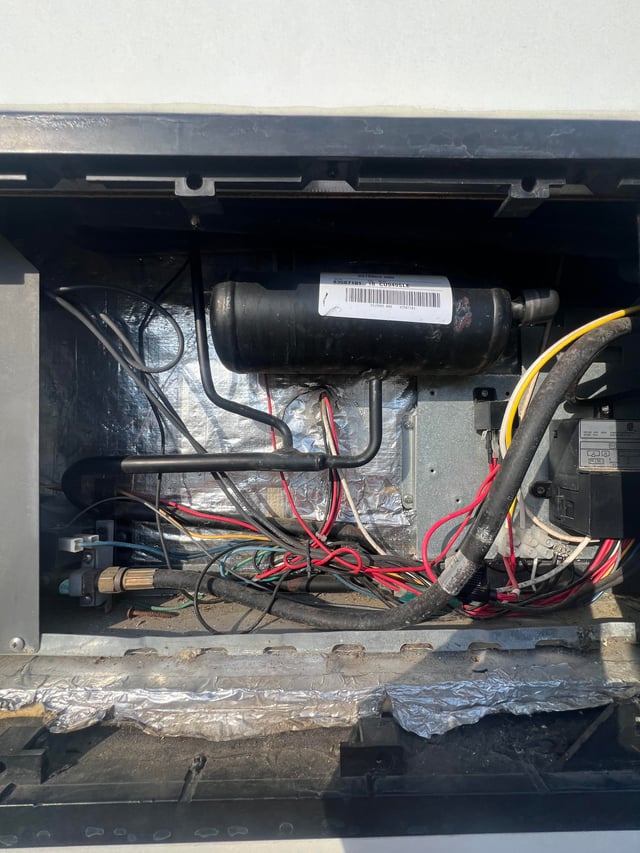
Most camper fridges use an absorption system. Heat drives a sealed mix of ammonia and water. The freezer plate gets the first shot of cold. The fridge side then cools by shared fins and natural airflow.
Some rigs use a compressor fridge. Cold air is pushed from an evaporator by a small fan. A damper controls how much cold air reaches the fridge box.
This is why the camper freezer cold but not fridge problem is common. The system can make cold, yet the lower box does not share it. Airflow, sensors, or controls block the handoff.

Symptoms checklist for camper freezer cold but not fridge
Run through these fast checks to confirm the pattern.
- Freezer below 20°F, fridge above 45°F after 12 hours.
- Frost on the freezer plate, but fins in the fridge are warm.
- Food near the back is cooler than food at the door.
- Fridge light works, but you hear no fan in compressor models.
- Unit cools on propane but not on electric, or the reverse.
- You smell ammonia or see yellow residue near the back vent.
These point to the classic camper freezer cold but not fridge issue and guide the fix.
The 10 Best Camping Fridge for Van Life, Overlanding, and Car Camping
Common causes and proven fixes
Use the list below to target the fastest wins first. I group these by how often I see them in the wild.
Blocked airflow inside the fridge box
Cold needs space to move. Overpacked shelves trap warm air.
- Leave a finger-width gap around the fins and walls.
- Add a small 12V fin fan kit to move air across the fins.
- Use a vented bin to keep produce from blocking the back wall.
Warm air leaks at the door
A bad gasket lets heat in all day.
- Do the dollar-bill test. Close a bill in the door. It should grip all around.
- Clean gaskets with mild soap. Warm them with a hair dryer to relax bends.
- Replace the seal if it is cracked or loose.
Dirty exterior vents and chimney
Hot air must escape out the roof or side vent.
- Pull the lower and upper vent covers.
- Vacuum dust, lint, and nests from the coils and flue.
- Make sure the top baffle is in place to force air past the coils.
- Add vent fans if you camp in hot spots or park in full sun.
Bad thermistor or wrong thermistor placement
The thermistor tells the board how cold the fins are. If it lies, the fridge warms.
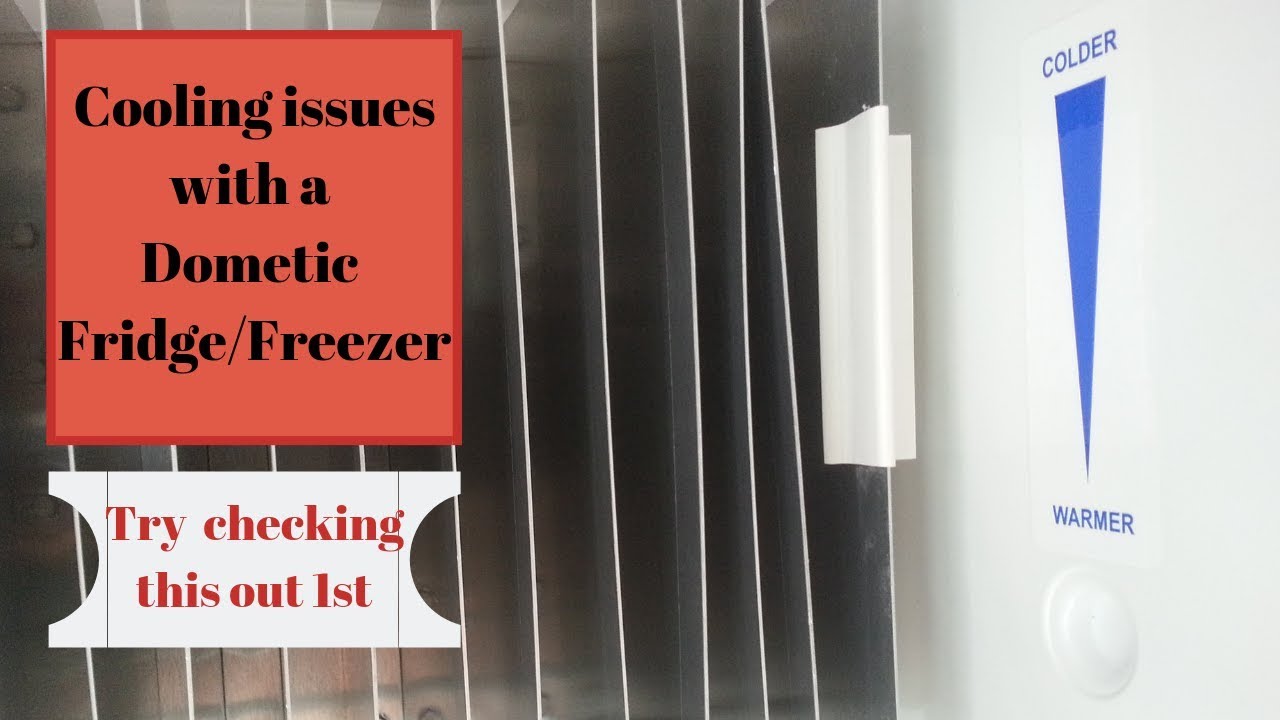
- Find the clip-on probe on the right fin. Middle height is best for most brands.
- Slide it up for colder, down for warmer. Start mid-fin.
- Test in ice water with a multimeter. The ohms should match the manual chart.
- Replace the thermistor if readings are off.
Evaporator or circulation fan not running
Compressor fridges need the fan. Some absorption units use helper fans too.
- Listen for a gentle fan sound with the door open.
- Check fuses and 12V supply. Many fans run only on DC.
- Replace noisy or stuck fans. They are cheap and easy to swap.
Stuck air damper or diverter
Cold air may not reach the lower box if the damper jams.
- Find the damper at the back of the fridge section.
- Move it by hand. If stuck or broken, replace the part.
- In some models, the control board drives the damper. Check for power.
Out-of-level absorption fridge
Absorption units must be close to level when running.
- Stay within about 3 degrees side to side and 6 degrees front to back.
- Use a small level on the freezer shelf. Adjust jacks or ramps as needed.
- Long runs out of level can damage the cooling unit. Avoid it.
Weak heat source: electric element or propane burner
Cold starts with heat in absorption fridges. Weak heat means weak cooling.
- On electric, check the heater element amperage. Compare to the spec tag.
- On propane, clean the burner, jet, and flue. The flame should be sharp and blue.
- If one mode cools better, you found the weak link.
Frost buildup on the fins
Frost is an insulator. It blocks cold transfer.
- Defrost fully. Turn off the fridge. Open doors. Set a fan inside.
- Do not chip ice with tools. Use warm air and patience.
- Dry the box and restart on max for 12 hours.
Hot weather and poor ventilation
High ambient heat makes the lower box struggle.
- Shade the wall with the vents. Use a reflective sun shade.
- Add dual vent fans to pull hot air out the top vent.
- Keep the rig door closed during the cool-down phase.
Any of these can drive a camper freezer cold but not fridge issue. Fix the airflow and sensor first. Then move to power and parts.
Step-by-step plan to diagnose and fix
Use this simple path. It will save hours.
- Pre-cool the empty fridge for 12 hours on max. Use fridge and freezer thermometers. Record temps.
- Check loading and airflow. Space items and clear fins. Add a small fin fan.
- Inspect door seals. Do the dollar-bill test. Clean or replace as needed.
- Clean exterior vents and chimney. Confirm the top baffle is present. Add vent fans if hot.
- Set thermistor mid-fin. Test or replace if readings are off.
- Confirm level. Adjust the rig if you run an absorption fridge.
- Test both power modes. If propane cools but electric does not, test the element. If electric cools but propane does not, clean the burner and jet.
- Listen for fans. Replace failed fans in compressor models. Add helper fans in absorption models.
- Check the damper for motion and power.
- If temps still drift, inspect the control board and wiring. Look for burnt marks or loose connectors.
Tools that help:
- Small level, fridge thermometers, and a multimeter.
- Soft brush, vacuum, and mild soap.
- Spare thermistor, 12V fan kit, and fuses.
Follow this plan, and most camper freezer cold but not fridge cases resolve in a day.

Fixes by fridge type: absorption vs compressor
Know your unit. It shapes the fix.
Absorption fridges
These are common in Dometic and Norcold rigs.
- Level matters. Always.
- Vent flow is huge. Keep the baffle and add vent fans.
- Heat source must be strong. Test the 120V heater. Clean the propane burner.
- Thermistor placement changes temps fast. Start mid-fin and test.
If frost forms on the freezer plate but not on the fins, airflow or the thermistor is off. That pattern often explains the camper freezer cold but not fridge complaint.
Compressor fridges
These run like home fridges.
- The evaporator fan moves cold to the fridge box. Replace it if silent.
- The damper controls flow. Fix or replace if stuck.
- Coils need airflow. Clean dust and make space behind the unit.
- Voltage matters. Low 12V makes weak cooling. Check wiring and grounds.
Both types can show camper freezer cold but not fridge symptoms. The root cause is still the path of cold air. Make sure it can move.
Real-world fixes and lessons from the road
On a July trip through Utah, my absorption fridge froze meat hard, but milk stayed warm. I moved the thermistor from low to mid-fin and added a small fin fan. I also cleaned the burner and set up a vent fan. The fridge dropped from 50°F to 36°F in one day. The camper freezer cold but not fridge problem was gone.
A client with a 12V compressor fridge had a cold freezer and a warm lower box. The fan was dead, and the damper foam had crumbled. We replaced the fan and damper and tied loose wires. The system cooled fast and held 35°F, even in heat. It was a classic camper freezer cold but not fridge case, caused by a small failed part.
What I learned:
- Airflow fixes solve most cases.
- Thermistor clips matter more than most think.
- Hot vents kill cooling. Add fans in summer.
- Keep it level and give it time to cool before loading.
These steps work. They are simple, cheap, and field tested.
When to call a pro and what it may cost
Call a tech if you smell ammonia, see yellow stains, or hear gurgling that does not stop. That points to a failed cooling unit. Also call if the control board is burnt or if you have no 12V power at the board.
Typical costs:
- Thermistor: 15 to 40 dollars.
- Fan kit: 20 to 80 dollars.
- Door gasket: 40 to 120 dollars.
- 120V heater element: 60 to 150 dollars.
- Control board: 150 to 400 dollars.
- Cooling unit replacement: 900 to 1,800 dollars plus labor.
A tech can also run full tests and confirm air flow with temperature probes. This removes guesswork, which helps with tricky camper freezer cold but not fridge cases.
Preventive care and loading tips
Good habits prevent the camper freezer cold but not fridge surprise.
- Pre-chill food and drinks before loading.
- Leave space for air to move around each shelf.
- Keep gaskets clean and soft. Wipe them monthly.
- Clean exterior vents and flue each season.
- Add a clip-on fin fan and a top vent fan for summer travel.
- Park in shade when you can, or use a reflective panel.
- Defrost before ice gets thick on the fins.
- Check level before long fridge runs.
These steps are simple and save food and stress.
Frequently Asked Questions of camper freezer cold but not fridge
Why is my camper freezer cold but not fridge on electric but fine on propane?
Your 120V heater element may be weak. Test its amperage and compare with the spec. Replace it if low.
Can a bad thermistor cause a camper freezer cold but not fridge problem?
Yes. The board may think the fridge is cold and slow cooling. Set the clip mid-fin, test ohms, and replace if needed.
How long should I wait before calling it a camper freezer cold but not fridge failure?
Give it 12 to 24 hours after a full defrost and proper loading. If the freezer is below 20°F and the fridge stays above 45°F, start troubleshooting.
Will adding fans fix my camper freezer cold but not fridge issue?
Often yes. A fin fan inside and a vent fan outside improve airflow. They help most in hot weather and tight installs.
Does leveling really matter for this camper freezer cold but not fridge issue?
For absorption fridges, it does. Off-level use slows coolant flow and hurts the fridge side first. Keep it close to level when running.
What fridge temp should I aim for after fixing a camper freezer cold but not fridge problem?
Target 34 to 38°F in the fridge and 0 to 10°F in the freezer. Use two thermometers to confirm.
Can overpacking cause a camper freezer cold but not fridge result?
Yes. Tight stacks block air at the fins. Leave space and use vented bins.
Conclusion
If your camper freezer is cold but the fridge is not, the fix is within reach. Start with airflow, seals, and thermistor placement. Clean vents, check level, and verify the heat or fan source. These simple steps solve most camper freezer cold but not fridge problems fast.
Take action today. Do the checks, make one change at a time, and track temps. If you need more help, reach out, explore our other guides, or leave a comment with your model and symptoms. Your cold, safe food is worth the effort.