Ac And Fridge Not Working In Camper: Camper Nightmare Troubleshooting Guide
Most RV AC and fridge failures come from power loss, low voltage, or airflow problems. If your ac and fridge not working in camper at the same time, you’re not alone. I’ve troubleshot dozens of rigs on hot weekends and quiet boondocks. This guide shows how to find the fault fast, avoid damage, and get cold air and a cold fridge again.
Why both can fail at once
When both systems die, they usually share the same problem. They depend on 120V AC power, safe grounding, and healthy 12V DC control circuits. If one of these goes down, both the AC and fridge may quit.
Common shared causes:
- Shore power is out or the pedestal is delivering low voltage.
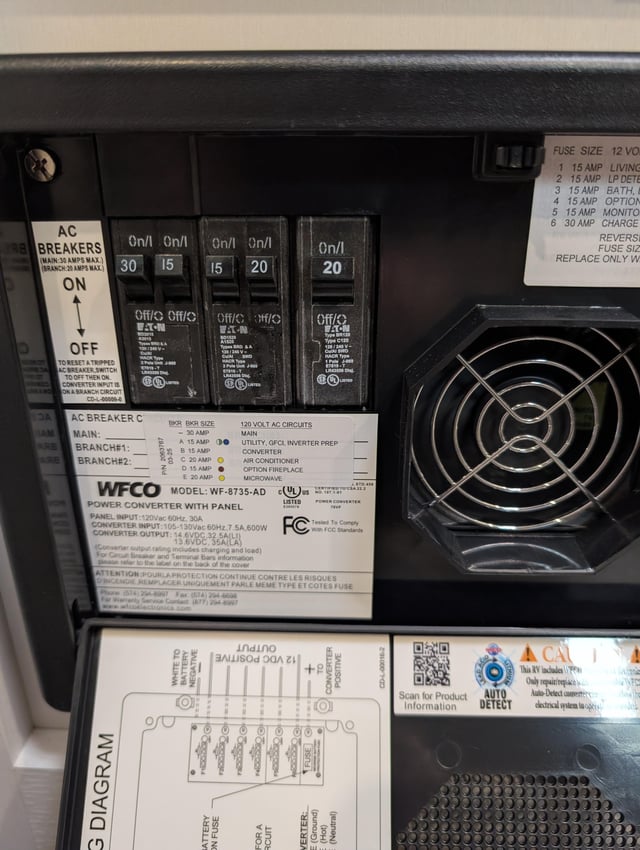
- The RV main breaker or GFCI tripped, often from moisture or overload.
- The transfer switch or EMS/surge protector blocked power due to bad voltage.
- The converter failed, so 12V control boards starve even if plugged in.
- The inverter is in pass-through fault or batteries are dead.
- A loose neutral or burned plug reduced voltage under load.
If you search for ac and fridge not working in camper, start with these shared points first. It saves time and guesswork.
Quick safety checks before you touch anything
Electric and propane are serious. Take a minute to stay safe.
- Unplug shore power. Turn the generator off. Switch appliances off.
- Smell for gas. If you smell propane, close the tank valve and ventilate.
- Look for melted plugs, scorched outlets, or a hot, humming converter.
- Reset GFCI outlets in the bathroom, kitchen, or exterior wet bay.
- Check the main breaker and the AC breaker in the panel.
- Confirm your LP detector and CO detector show normal.
If the ac and fridge not working in camper after these simple checks, move to power testing.
How RV power works in real life
Understanding the system helps you fix it fast.
- 120V AC runs your roof air and many fridges on electric. It comes from shore power, a generator, or an inverter on pass-through.
- 12V DC runs control boards, thermostats, fans, and safety devices. It comes from batteries via the converter or solar/alternator.
- Absorption fridges (Dometic, Norcold) can run on propane or 120V, but still need 12V for the control board.
- 12V compressor fridges draw battery power directly and may use an inverter for 120V models.
If your batteries are weak, control boards can act weird. Low campground voltage makes the AC stall and the fridge heater underperform. That is why ac and fridge not working in camper can share the same root cause: unstable power.

Step-by-step: Diagnose the AC
Follow these steps in order. Take notes as you go.
- Confirm power source
- Check your EMS display or use a voltmeter at an interior outlet.
- You need roughly 108–125V under load. Below 104V is unsafe.
- Breakers, GFCI, and thermostat
- Reset the main and the AC breaker.
- Replace thermostat batteries if you have a battery type.
- Set the thermostat to Cool and Fan High for testing.
- Airflow and filters
- Clean or replace return filters.
- Open all vents. Remove obstructions.
- Dirty filters cause freeze-ups and high amp draw.
- Fan vs compressor test
- If the fan runs but no cold air, the compressor may not start.
- A failed start capacitor or hard-start kit is common.
- A soft-start module can lower startup load and help weak power.
- Icing and coils
- If you see frost on the evaporator, turn AC off but fan on to defrost.
- Check the freeze sensor and coil cleanliness.
- Voltage and amp draw
- Use a clamp meter on the AC circuit if you have one.
- High amps with low voltage is a red flag for bad supply.
- Component issues
- Start capacitor bulges or leaks when bad.
- Loose spade connectors at the control box cause intermittent failure.
- Call a pro for compressor, control board, or sealed system faults.
If the ac and fridge not working in camper together, an AC startup surge often drops voltage, which can crash the fridge heater or board. Solve voltage first.
Step-by-step: Diagnose the fridge
Different fridges need different checks. Start with model type.
Absorption fridge (propane/electric)
- Level matters. Off-level more than a few degrees can stop cooling.
- On electric, confirm the fridge is getting 120V at the rear outlet.
- On propane, check the flame. Blue and steady is good. Yellow is bad.
- Clean the burner, orifice, and flue. Remove soot and insect nests.
- Verify 12V to the control board. Weak batteries cause error codes.
- Thermistor placement affects temperature. Mid to high on the fin is cooler.
- Confirm exterior fans run in hot weather to move chimney heat out.
12V compressor fridge
- Check battery voltage under load. Many units shut off below about 10.5–11V.
- Inspect the DC fuse and wiring to the fridge.
- Ensure proper ventilation around the compressor and condenser.
- Listen for the compressor and fan. Silence with power present suggests a control board issue.
If ac and fridge not working in camper, check the fridge outlet GFCI. A tripped bathroom GFCI often kills the fridge outlet too.
Power management: 30A vs 50A, generators, and low voltage
Real-world power is messy. On a 30A hookup, one AC plus a microwave can push the limits. On hot days, park voltage sags under heavy load.
- Use an EMS or voltmeter. Do not run the AC below 104V.
- Stagger loads. Run water heater and fridge on propane when on 30A.
- Consider a soft-start kit. It reduces AC inrush and prevents breaker trips.
- For generators, size matters. A 2,200W unit may struggle in heat and altitude.
- Keep cords short and heavy gauge. Warm cords mean voltage drop.
This is the heart of many ac and fridge not working in camper cases. Manage loads and keep voltage healthy.
Common real-world scenarios I see (and quick fixes)
I’ve fixed these in campgrounds and driveways many times.
- Hot campground, low voltage: AC hums, fridge warms. Fix by switching fridge to propane, running a soft-start, or changing sites.
- Tripped GFCI: Fridge outlet dead because the bathroom GFCI popped after a shower. Reset it and dry the outlet.
- Converter failure: Lights dim, fridge control flaky. Replace the converter or charge batteries with an external charger to test.
- Off-level parking: Absorption fridge stops cooling. Level the rig and add rear fans to improve draft.
- Dirty AC filter and iced coil: Airflow drops, amps rise, breaker trips. Defrost, clean, and keep filters fresh.
If ac and fridge not working in camper matches one of these, you’re likely close to the fix.
Tools and spare parts I carry for fast fixes
These save trips and food.
- Digital multimeter and a clamp meter
- Non-contact voltage tester and outlet tester
- Infrared thermometer and fridge thermometer
- Spare fuses, GFCI outlet, and a 30A to 15A adapter
- Start capacitor or soft-start kit for the AC
- Thermistor for the fridge, combustion air screens, and a small brush
- Butyl tape, zip ties, and dielectric grease
Keeping this kit prevents most ac and fridge not working in camper panic moments.
Preventive maintenance and simple habits
Small habits prevent big heat waves and warm milk.
- Check and clean AC filters every month in summer.
- Vacuum AC coils and ensure the shroud is intact.
- Inspect and clean fridge burner and flue each season.
- Add rear fridge fans if you camp in heat or slide-mounted installs.
- Test GFCIs and breakers twice a season.
- Use an EMS/surge protector on every hookup.
- Pre-trip: Verify fridge cools overnight and AC holds setpoint.
Do these and you will almost never face ac and fridge not working in camper again.
When to call a pro (and what it may cost)
Know your limits. High-voltage and propane issues can be risky.
- Call a certified RV tech for compressor failures, sealed AC issues, fridge ammonia leaks, or control board diagnosis you cannot confirm.
- Typical costs: AC start capacitor $50–$150; soft-start $250–$400; fridge thermistor $20–$40; control boards $150–$500; pro labor $120–$200 per hour.
If ac and fridge not working in camper persists after the checks above, a mobile tech can test under load and get you cooling faster than guessing.
Frequently Asked Questions of ac and fridge not working in camper
Why do my AC and fridge fail at the same time?
They share the same power path. Low voltage, tripped GFCIs, or a failing converter can take both down at once.
How can I tell if low voltage is the problem?
Test an interior outlet with a meter. If voltage under load drops below about 104V, shut appliances off and protect your gear.
Will a soft-start fix my AC problem?
A soft-start reduces compressor inrush and helps weak power conditions. It will not fix a bad capacitor, bad wiring, or a failed compressor.
Can an absorption fridge run on propane without 12V?
No. It still needs 12V for the control board and safety systems. Dead batteries can stop cooling even with a full propane tank.
My fridge works on propane but not on electric. What now?
Verify the fridge outlet has 120V and is not on a tripped GFCI. If power is good, the heating element or control board may be faulty.
Is it safe to run the AC and microwave together on 30A?
Sometimes, but it is tight in hot weather. Stagger heavy loads and watch voltage with an EMS.
Does being off-level really matter for the fridge?
Yes, for absorption fridges. Off-level operation can stop circulation and damage the cooling unit over time.
Conclusion
When both systems quit, start with power, protection, and airflow. Work step by step, confirm voltage, reset protection, and keep things clean and level. These checks solve most problems fast and keep your food safe.
Put this checklist in your rig and run it the next time things go warm. If you found this helpful, subscribe for more RV fixes, ask a question, or share your own win so others can learn from it.