Can a Chevy Equinox Pull a Camper? (Towing Capacities & Limits Explained)
Yes, a Chevy Equinox can pull a camper, provided the trailer’s fully loaded weight stays within the vehicle’s specific towing limit of 1,500 to 3,500 pounds depending on the engine and model year.
This compact SUV handles lightweight teardrop trailers, small pop-up campers, and basic utility campers with ease when properly equipped. Exceeding these limits risks severe damage to your transmission, brakes, and suspension components.
Key Takeaways
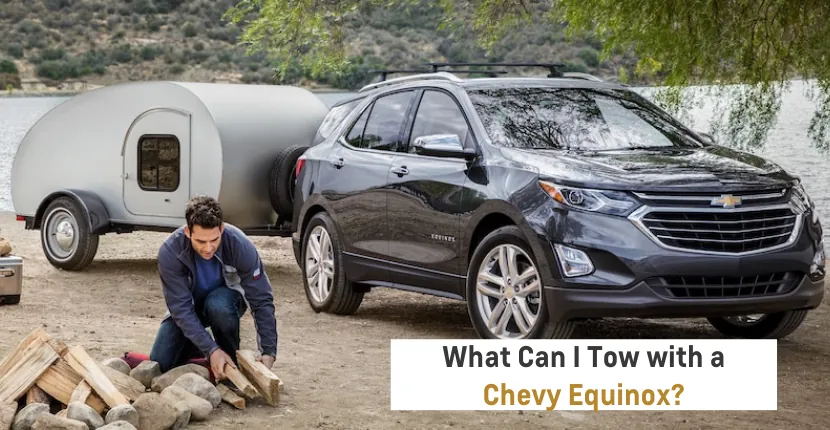
- The base 1.5L turbocharged engine is rated for 1,500 pounds, while the optional 2.0L turbocharged engine allows up to 3,500 pounds.
- Always weigh your camper fully loaded with water, propane, gear, and supplies before hitting the road.
- Installing an aftermarket transmission cooler is essential if you plan to tow near the maximum capacity regularly.
- Check your specific owner’s manual because towing ratings change between different model years and trim levels.
- Electric trailer brakes are highly recommended even for lighter loads to preserve your Equinox braking system.
- Distribute cargo weight carefully inside the camper to prevent dangerous trailer sway during highway driving.
Best 50L Campervan Fridge: Top 7 Off-Grid Coolers Tested & Rated
Can a Chevy Equinox Pull a Camper?
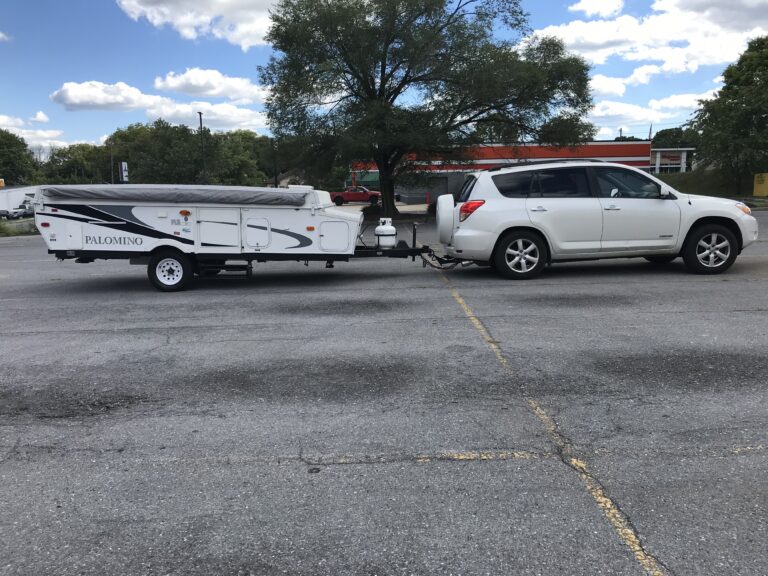
The short answer depends entirely on which engine sits under your hood and how heavy your chosen camper happens to be. A Chevy Equinox pulling a camper safely requires matching the trailer’s gross vehicle weight rating to the SUV’s specific factory limits. Chevrolet designed this compact crossover primarily for daily commuting and light hauling, not for dragging heavy travel trailers across mountain passes.
If you own a recent model with the standard 1.5-liter turbocharged four-cylinder engine, your absolute ceiling is 1,500 pounds when using the proper equipment. Upgrading to the available 2.0-liter turbocharged engine doubles that capability, raising the maximum to 3,500 pounds. You must verify these numbers in your specific owner’s manual, as variations exist between model years.
Attempting to tow beyond these established thresholds will void your powertrain warranty and dramatically increase stopping distances. Stick strictly to lightweight camper categories like teardrops or bare-bones pop-ups to keep your family safe and your drivetrain intact.
Towing Capacity by Engine Type
Understanding your exact engine configuration is the most critical first step before shopping for any camper. The difference between the two available engines dictates whether you can pull a small enclosed trailer or just a basic folding tent camper.
| Engine Option | Max Towing Capacity | Typical Horsepower | Best Camper Match |
|---|---|---|---|
| 1.5L Turbo I4 | 1,500 lbs | 175 hp | Teardrop, small pop-up |
| 2.0L Turbo I4 | 3,500 lbs | 252 hp | Lightweight travel trailer |
These figures assume your Equinox has the factory-installed or dealer-approved trailering package. Without the proper hitch receiver, wiring harness, and software calibration, your actual safe towing capacity drops significantly. Never rely solely on a bumper ball mount for pulling a camper, as the unibody frame can’t handle the tongue weight without a dedicated receiver hitch bolted directly to the chassis.
Always remember that the advertised maximum includes the weight of passengers, cargo inside the SUV, and the trailer itself combined. If you load your Equinox with four adults and luggage, your remaining available towing capacity shrinks considerably below the printed maximum.
Types of Campers Your Equinox Handles
Not every camper on the dealership lot is suitable for a compact SUV. You need to focus exclusively on ultralight designs engineered specifically for smaller tow vehicles. Here are the primary categories that fit within the Equinox limits:
- Teardrop Trailers: Brands like nuCamp TAB 320 or Happier Camper HC1 typically weigh between 1,000 and 1,800 pounds dry. They offer a cozy sleeping space and a rear galley kitchen without adding excessive aerodynamic drag.
- Pop-Up Campers: Models such as the Forest River Flagstaff or Aliner Classic fold flat for transit, reducing wind resistance. Their dry weights usually range from 1,200 to 2,500 pounds, making them ideal for the 2.0L engine.
- Lightweight Travel Trailers: Scamp 13-foot fiberglass trailers or the Casita Spirit are rare exceptions among hard-sided campers that stay under 2,500 pounds. Most conventional box-style travel trailers far exceed what an Equinox can safely manage.
Avoid any camper featuring slide-outs, large holding tanks, or heavy residential appliances. These features add hundreds of pounds that quickly push you past your mechanical limits.
Checking Dry Weight Versus Loaded Weight
A common mistake new owners make is looking only at the dry weight listed on the camper’s brochure. Dry weight means the trailer as it left the factory floor, completely empty. It doesn’t account for fresh water, propane tanks, cooking gear, clothing, or food.
You must calculate the gross trailer weight by adding roughly 400 to 800 pounds to the published dry weight. Water alone weighs over eight pounds per gallon; a thirty-gallon freshwater tank adds 250 pounds before you pack a single suitcase. Always use the cargo carrying capacity sticker located inside the camper doorframe to determine exactly how much gear you can safely load.
Essential Equipment for Safe Towing
Pulling a camper requires more than simply attaching a ball to a hitch. Your Equinox needs specific hardware upgrades to handle the added stress safely and legally.
First, install a Class II or Class III receiver hitch rated for your specific engine’s towing capacity. Pair this with a high-quality wiring harness that connects your camper’s brake lights, turn signals, and running lights to the SUV’s electrical system.
Next, consider adding extended side mirrors. The standard Equinox mirrors often can’t provide adequate visibility around a wider camper body, creating massive blind spots during lane changes. Clip-on towing mirrors solve this problem cheaply and effectively.
Finally, invest in a reliable electronic brake controller if your camper utilizes electric brakes. While surge brakes work mechanically, electric brakes offer proportional stopping power controlled directly from your dashboard, drastically reducing wear on your SUV’s factory rotors and pads.
Warning: Never bypass the factory wiring to splice trailer lights directly into your taillight circuits. Doing so can trigger dashboard error codes, disable stability control systems, or cause electrical fires. Always use a dedicated plug-and-play module designed for your specific model year.
How Do You Calculate Payload Limits?
Towing capacity tells you how much weight the engine can pull, but payload capacity tells you how much downward force the suspension can support. These are two entirely separate numbers, and exceeding either one creates a dangerous situation.
Your payload limit is printed on a yellow and white sticker inside the driver’s side door jamb. It typically ranges from 900 to 1,100 pounds for an Equinox. This number must cover everything placed inside or attached directly to the vehicle.
| Payload Component | Estimated Weight |
|---|---|
| Driver and three passengers | 600 lbs |
| Luggage and interior cargo | 150 lbs |
| Trailer tongue weight (10-15% of total) | 150 – 350 lbs |
| Hitch hardware and accessories | 40 lbs |
As the table demonstrates, loading up your family leaves very little margin for heavy tongue weight. Tongue weight is the downward pressure the camper coupler exerts on your hitch ball. It should generally equal ten to fifteen percent of the total loaded trailer weight. Too little tongue weight causes violent swaying; too much sags your rear suspension and lifts your front tires, destroying steering control.
Does Your Equinox Need a Brake Controller?
Whether you need an aftermarket brake controller depends heavily on your state laws and the specific camper you purchase. However, relying solely on your Equinox brakes to stop an extra two thousand pounds of rolling momentum is a recipe for overheated rotors and faded pedal feel.
Most states require independent trailer brakes for any camper exceeding 1,500 or 3,000 pounds. If your chosen camper features electric drum or disc brakes, you absolutely need a proportional brake controller mounted beneath your dashboard. Devices from reputable brands like Tekonsha or Redarc allow you to adjust the braking force applied to the trailer independently of the SUV.
Pro Tip: When descending steep grades, manually apply the trailer brakes slightly ahead of the vehicle brakes using the controller’s manual slider. This technique keeps the camper pushing back against the hitch rather than slamming forward into your bumper, maintaining straight-line stability.
Even if your camper uses hydraulic surge brakes that activate automatically upon deceleration, ensuring they’re properly bled and adjusted remains vital for safe operation.
Tips for Driving With a Camper
Towing fundamentally changes how your Equinox accelerates, brakes, and handles corners. Adjusting your driving habits prevents accidents and reduces mechanical wear.
- Increase following distance: Allow at least four to six seconds of space between you and the car ahead. Stopping distances double or triple when pulling a loaded camper.
- Widen your turns: The trailer tires track inside the path of your SUV’s rear wheels. Swing slightly wider at intersections to avoid hopping curbs or striking obstacles.
- Manage your speed: Aerodynamic drag increases exponentially above 60 mph. Keeping your speed moderate saves fuel, reduces transmission heat, and minimizes dangerous crosswind effects.
- Use tow-haul mode: If your Equinox features a selectable drive mode for towing, engage it immediately. This alters transmission shift points to prevent constant hunting between gears on inclines.
Never attempt sudden evasive steering maneuvers. Jerking the wheel sharply while towing a camper almost guarantees a catastrophic rollover due to the pendulum effect created by the trailing weight.
What Maintenance Prevents Towing Damage?
Regular maintenance becomes non-negotiable once you start pulling a camper. The added strain accelerates wear on nearly every mechanical component in your drivetrain.
Pay close attention to your transmission fluid. Towing generates immense heat inside the gearbox, causing standard fluid to break down rapidly. Consider upgrading to a synthetic fluid rated for high temperatures, and inspect the color and smell frequently. Dark, burnt-smelling fluid indicates immediate service is required.
Check your rear suspension components, including shocks, struts, and bushings, twice as often as the manual suggests for normal driving. The constant downward pressure from tongue weight compresses these parts relentlessly.
Monitor your tire pressures on both the Equinox and the camper before every single trip. Underinflated tires generate excess heat, leading to blowouts. Always inflate to the maximum cold pressure listed on the sidewall when carrying heavy loads.
For official specifications regarding your vehicle’s capabilities and maintenance intervals, always refer to Chevrolet Equinox owner resources to locate the correct documentation for your specific model year.
Frequently Asked Questions
What is the max towing capacity?
The maximum towing capacity ranges from 1,500 pounds with the 1.5L engine to 3,500 pounds with the 2.0L engine, provided the vehicle has the correct trailering package installed. Always check your door jamb sticker for exact ratings.
Can I tow a travel trailer?
Only very small, lightweight fiberglass models like the Scamp 13 or Casita qualify. Standard box-style travel trailers with slide-outs or heavy appliances far exceed the Equinox limits and are unsafe to tow.
Do I need a special hitch?
Yes, you need a frame-mounted receiver hitch rated for your specific towing capacity. Bumper-mounted ball hitches are unsafe for pulling campers and don’t distribute tongue weight correctly across the unibody structure.
Will towing void my warranty?
Towing within the manufacturer’s stated limits using approved equipment won’t void your warranty. However, documented evidence of exceeding weight limits or neglecting transmission maintenance gives dealerships grounds to deny powertrain claims.
How do I stop trailer sway?
Ensure your tongue weight is between ten and fifteen percent of the total trailer weight. Avoid sudden steering inputs, reduce highway speeds, and consider installing a friction sway control bar on your hitch setup.
Is a transmission cooler necessary?
While not always mandatory for the 1,500-pound limit, adding an auxiliary transmission cooler is highly recommended if you frequently tow near your maximum capacity or drive through mountainous terrain during hot summer months.
Conclusion
Before purchasing any camper, take your Equinox to a certified scale house to weigh it fully loaded with passengers and everyday cargo. Subtracting that real-world number from your Gross Combined Weight Rating reveals exactly how much trailer you can safely pull without guessing or risking mechanical failure on your next camping trip.