Can a Honda Pilot Pull a Camper? (Towing Capacities & Limits Explained)
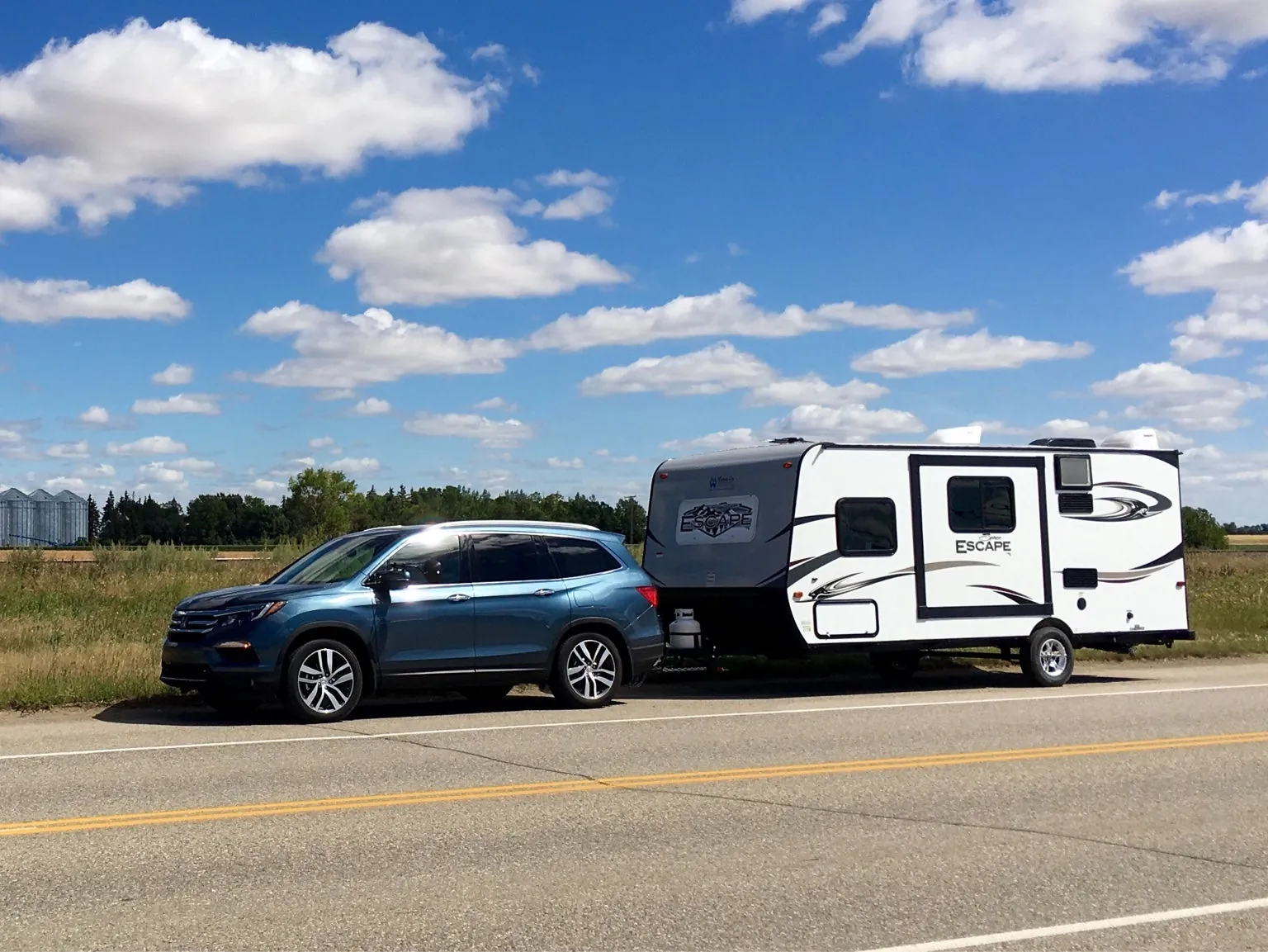
Yes, a Honda Pilot can pull a camper, but only if the trailer weighs less than 3,500 pounds when fully loaded. This limit applies to every model year from 2016 onward, provided you have the factory towing package installed.
You must check your specific vehicle identification number and owner’s manual to confirm your exact rating before hitching up, as engine size alone doesn’t determine your capacity.
What Is the Exact Towing Capacity?
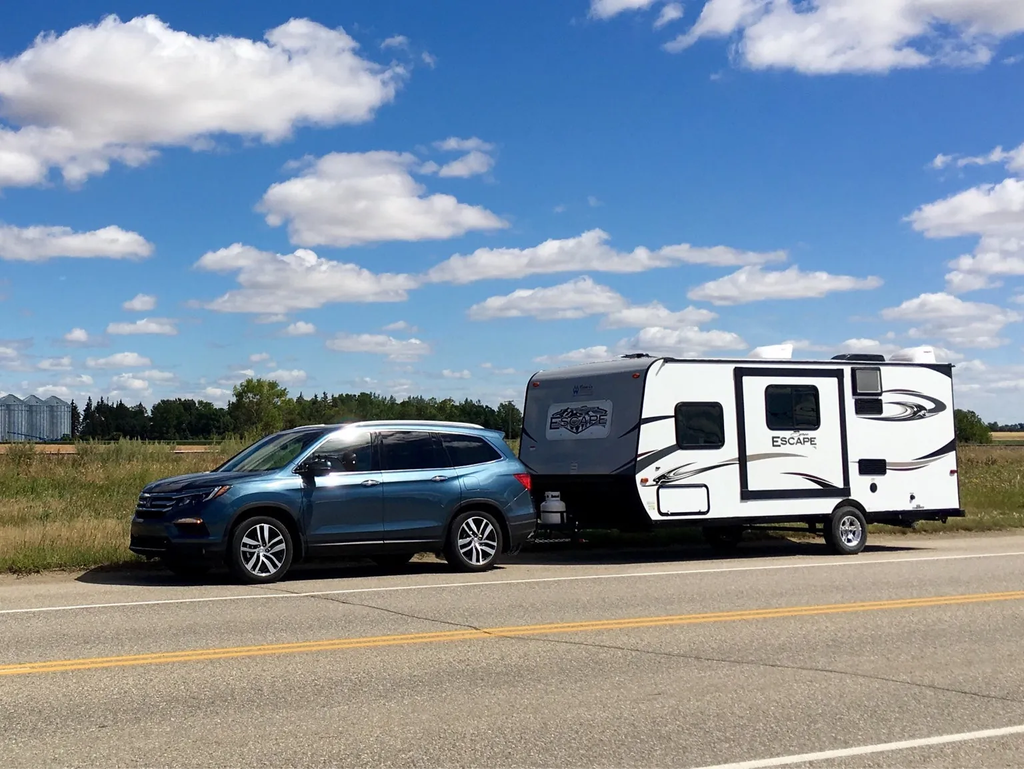
The maximum weight a Honda Pilot can tow is 3,500 pounds for most modern models equipped with the proper gear. This figure represents the Gross Combined Weight Rating minus the weight of your fully loaded vehicle and passengers.
If your truck weighs 4,300 pounds and you add 1,000 pounds of people and cargo, you have very little room left for a heavy trailer tongue weight. Exceeding this number stresses the transmission and brakes in ways the manufacturer didn’t design for, creating a serious safety hazard on downhill grades.
| Model Year Range | Engine Type | Max Capacity (With Package) | Max Capacity (Without Package) |
|---|---|---|---|
| 2003 – 2008 | 3.5L V6 | 3,500 lbs | 1,500 lbs |
The table above shows that the capability has remained consistent for nearly two decades, but the requirement for the factory towing package is mandatory. Always verify your specific trim level and equipment list rather than guessing based on the model year alone.
How Do I Know If My Pilot Has the Towing Package?
Identifying whether your specific Honda Pilot has the required towing package is the single most important step before buying a camper. The most reliable method is to check the vehicle identification number (VIN) with a Honda dealer or look for specific physical indicators under the hood and rear bumper.
Start by popping the hood and looking at the radiator area. Vehicles with the factory towing package include an auxiliary transmission fluid cooler. This looks like a smaller radiator situated in front of or below the main engine radiator, with metal lines running to the transmission.
If you see only the main radiator and no additional cooling unit with fluid lines, your vehicle likely lacks the package. This cooler is essential because towing heavy loads generates immense heat that standard radiators can’t dissipate effectively.
Next, inspect the rear of the vehicle for the electrical connector. A factory-equipped Pilot will have a 7-pin round connector located near the hitch receiver, often covered by a rubber cap. While some aftermarket hitches include a 4-pin flat connector for basic lights, the 7-pin setup is required for trailer brakes and battery charging on larger campers. If your vehicle only has a 4-pin plug or no wiring at all, it doesn’t have the full towing preparation.
The definitive proof, however, comes from the official documentation. Open your glove box and find the owner’s manual or the tire and loading information label usually stuck on the driver’s door jamb. These documents list the specific towing capacity for your VIN.
If the label states 1,500 pounds, you don’t have the package. For absolute certainty, call a local Honda dealership service department, give them your VIN, and ask them to print the build sheet. This free check prevents costly mistakes and ensures you stay within legal and safe operating limits.
10 Best Food for Camping Without Fridge Picks (Easy & Delicious Ideas)
Which Campers Can a Honda Pilot Actually Tow?
Knowing your 3,500-pound limit helps you narrow down the types of campers that are safe for your Honda Pilot. The key metric here is the Gross Vehicle Weight Rating (GVWR) of the trailer, not its dry weight.
Dry weight is what the camper weighs empty from the factory, but once you add water, propane, food, clothes, and gear, the actual weight on the road increases significantly. A trailer with a dry weight of 2,800 pounds can easily exceed 3,500 pounds when packed for a weekend trip, pushing your Pilot beyond its safe limit.
Teardrop trailers are an excellent match for this vehicle class. These compact campers typically weigh between 1,500 and 2,500 pounds fully loaded. Their aerodynamic shape reduces wind resistance, which lowers the strain on the engine and improves fuel economy. Because they’re light, they don’t require complex brake controllers or heavy-duty suspension upgrades on the tow vehicle. Families who need just a place to sleep and cook will find these units ideal for the Pilot’s capabilities.
Small travel trailers and pop-up campers also fit within the range if you choose carefully. Look for models specifically marketed as “lightweight” or “ultra-light.” Many pop-up campers weigh under 2,000 pounds even when fully equipped with water tanks and batteries.
Some small travel trailers come in at around 2,200 pounds dry, leaving you about 800 pounds of margin for your cargo. You must be disciplined about packing; every gallon of water adds 8.3 pounds, and full freshwater tanks can add hundreds of pounds to the total load.
Avoid standard travel trailers, fifth wheels, or multi-axle trailers unless the GVWR is under 3,500 pounds. Most conventional travel trailers start at 4,000 pounds dry, making them unsuitable. Even if the brochure says “2,900 pounds dry,” remember that dealers often display stripped-down models without options. Once you add the mandatory safety equipment, awnings, and supplies, the scale will tip over your limit. It’s better to tow a smaller trailer comfortably than to struggle with one that’s too heavy.
Tip: Always aim for a trailer that weighs at least 20% less than your maximum rating to account for passenger weight and unexpected cargo accumulation during your trip.
Is It Safe to Tow Near the Maximum Limit?
Towing at the absolute maximum of 3,500 pounds is technically allowed but leaves very little margin for error or unexpected conditions. The braking distance increases significantly because the car’s brakes must now stop both the vehicle and the heavy trailer momentum. On flat highways, this might feel manageable, but mountain descents or sudden emergency stops become much more dangerous.
Wind and weather play a huge role in safety when towing near capacity. A 3,500-pound trailer presents a large surface area to crosswinds, which can push the rear of your vehicle sideways. This effect, known as sway, can escalate quickly if the trailer isn’t loaded correctly or if you drive too fast.
Rain reduces tire traction, meaning your ability to accelerate out of a tricky situation or stop safely is compromised. In these conditions, being 500 pounds under the limit provides a crucial buffer that keeps the vehicle stable.
Fuel economy also suffers greatly when towing heavy loads. You can expect your miles per gallon to drop by 30% to 50% compared to normal driving. The engine works harder to maintain speed, especially on inclines, which leads to higher operating temperatures.
While the transmission cooler helps, prolonged steep climbing in hot weather can still push the system toward its thermal limits. If you frequently tow in mountainous regions or extreme heat, staying well below the maximum rating protects your engine and transmission from premature wear.
What Mistakes Ruin Towing Safety?
Improper loading is the most common mistake drivers make when towing with a mid-size SUV like the Pilot. Placing too much weight at the back of the trailer causes the tongue to lift, reducing the downward force on the hitch ball. This lack of tongue weight makes the trailer unstable and prone to violent swaying that the driver can’t correct.
Conversely, putting too much weight on the tongue overloads the rear axle of the Pilot, sagging the suspension and blinding the headlights by pointing them upward. Aim for a tongue weight that is 10% to 15% of the total trailer weight.
Ignoring trailer brakes is another critical error that endangers everyone on the road. Any trailer weighing over 1,000 pounds should have its own braking system, and those over 1,500 pounds legally require brakes in most states.
Relying solely on your Pilot’s brakes to stop a 3,000-pound trailer overheats the brake pads and fluid, leading to fade where the pedals go soft and stopping power vanishes. Ensure your brake controller is installed correctly and adjusted so the trailer brakes engage smoothly before the vehicle brakes lock up.
Driving too fast for conditions creates accidents that mechanical fixes can’t prevent. The stability of a towed combination decreases exponentially as speed increases. What feels stable at 55 mph can become uncontrollable at 65 mph, especially when passing large trucks that create air turbulence.
Many drivers fail to adjust their speed for downgrades, riding the brakes until they fail instead of shifting to a lower gear to use engine braking. The Honda Pilot’s tow mode helps with shifting, but it doesn’t replace the need for active speed management.
Finally, skipping the pre-trip inspection leads to breakdowns and hazards on the highway. Check tire pressure on both the vehicle and trailer every time you leave home, as temperature changes affect inflation levels. Inspect the hitch connection, safety chains, and electrical plugs to ensure lights and signals function properly.
A loose hitch ball or frayed wire might seem minor in the driveway but can cause a detachment or collision miles away. Taking ten minutes to verify these details before every trip prevents the majority of towing incidents.
Frequently Asked Questions
Can I add an aftermarket hitch to increase my towing limit?
No, installing an aftermarket hitch doesn’t increase your vehicle’s rated towing capacity. Limits are determined by engine cooling, transmission strength, and frame design rather than the hitch receiver itself. Without the factory towing package, your safe limit remains 1,500 pounds regardless of hitch brand or strength.
Does the Honda Pilot require a special transmission fluid for towing?
Yes, using the correct Honda ATF DW-1 fluid is essential for maintaining transmission health while towing. The factory towing package includes a cooler that relies on proper fluid viscosity to transfer heat effectively. Using generic or incorrect fluids can lead to overheating and slippage under heavy loads. Always follow the maintenance schedule in your owner’s manual, which may recommend more frequent fluid changes if you tow regularly.
How much does towing a camper affect gas mileage?
Expect fuel economy to decrease by roughly 30% to 50% when towing a camper near the 3,500-pound limit. Aerodynamic drag forces the engine to work harder, burning more fuel to maintain highway speeds. Plan for significantly reduced range and more frequent fuel stops during your trip.
Is a weight distribution hitch necessary for a Honda Pilot?
A weight distribution hitch is highly recommended when towing loads approaching the 3,500-pound maximum capacity. This system spreads the tongue weight across all axles of both the vehicle and trailer, improving stability and steering control. It prevents the rear of the Pilot from sagging and keeps the headlights aimed correctly at the road. While not strictly required for very light trailers, it adds a vital layer of safety for heavier campers.
Can I tow a camper in the rain or snow with a Pilot?
Yes, you can tow in adverse weather, but you must reduce speed and increase following distance significantly. Rain and snow reduce tire traction and increase the likelihood of trailer sway or jackknifing during braking. The all-wheel-drive system in many Pilots helps with acceleration but doesn’t improve stopping distance on slippery surfaces. If conditions become severe, the safest option is to pull over and wait until the weather improves.
What happens if I exceed the towing capacity by a small amount?
Exceeding towing capacity voids your warranty and puts excessive stress on critical components like the transmission and brakes. Insurance companies may deny claims if an accident occurs while the vehicle is overloaded beyond manufacturer specifications. Never exceed the specified limits for your specific VIN to avoid mechanical failure.
Conclusion
Select a camper that leaves you plenty of breathing room under your weight limit so every trip feels relaxed rather than stressful. Prioritize checking your tire pressure and hitch setup before every departure to ensure your family arrives safely at every destination.