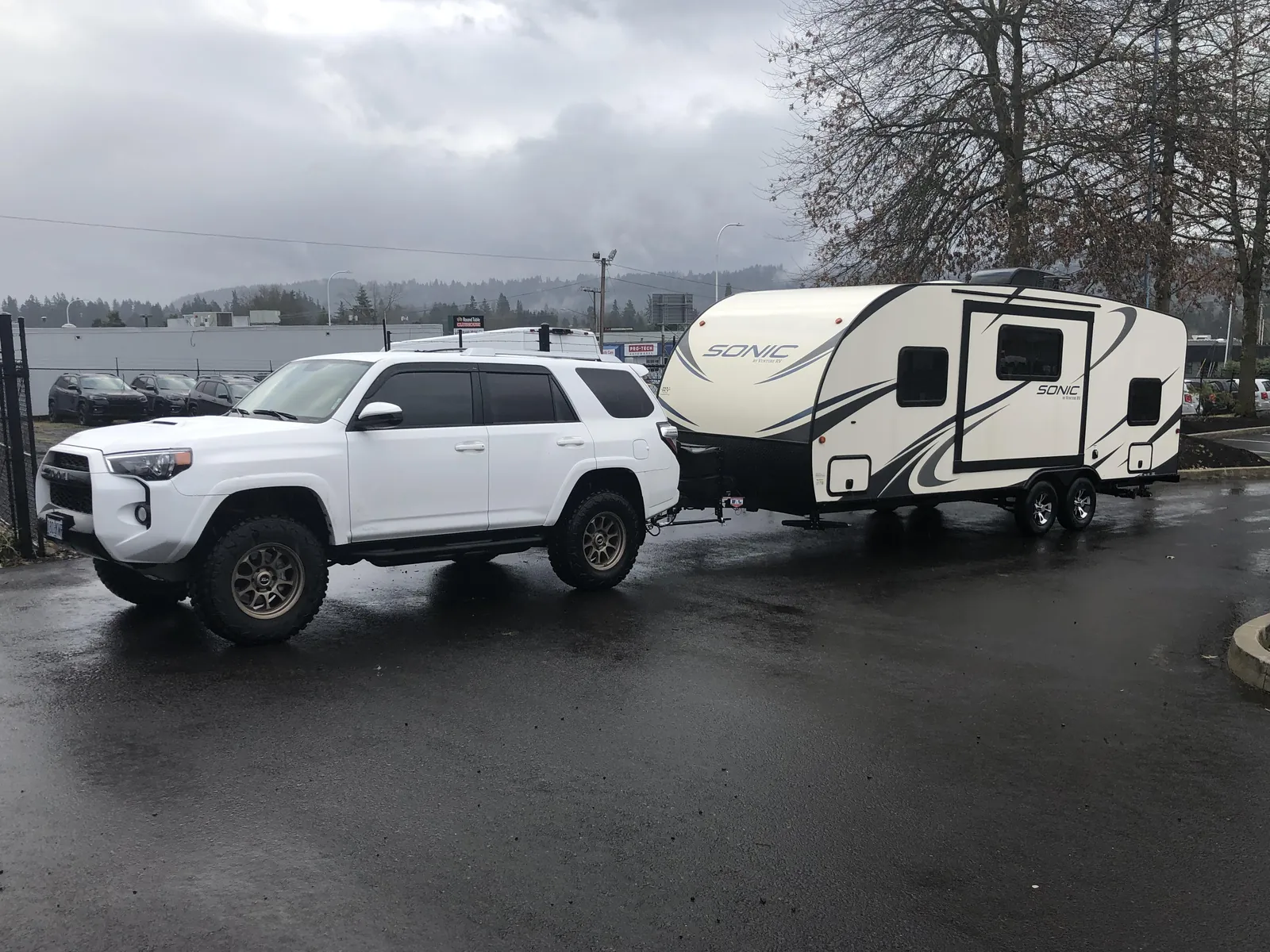
Can a 4Runner Tow a Camper? (Towing Capacity & Limits Explained)
A Toyota 4Runner can absolutely tow a camper, provided the trailer’s fully loaded weight stays safely under the vehicle’s 5,000-pound maximum towing capacity. Fifth-generation models (2010–2024) and the newer sixth-generation trucks share this rating when properly equipped, making them capable partners for lightweight travel trailers, teardrops, and pop-up campers. Exceeding that limit risks severe drivetrain damage, dangerous handling instability, and brake failure on steep grades.
Key Takeaways
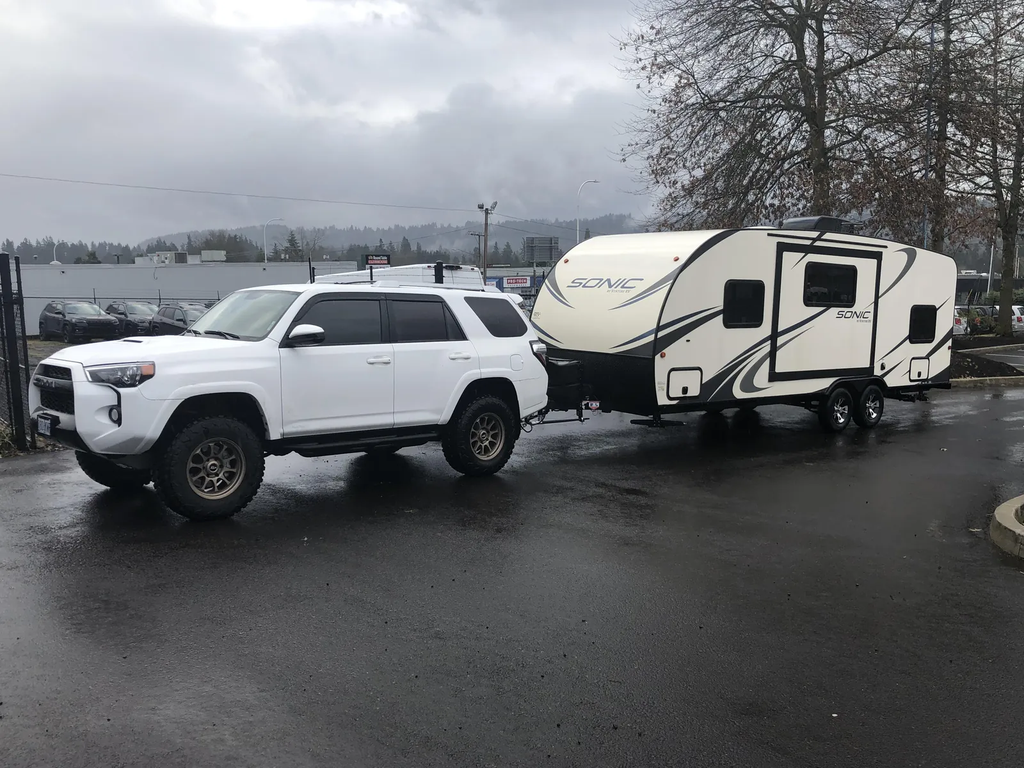
- The 4Runner carries a maximum towing capacity of 5,000 pounds across recent generations when equipped with the factory tow package.
- Always subtract the weight of passengers, cargo, and aftermarket accessories from your available payload before hitching a camper.
- A weight distribution hitch is mandatory for any travel trailer exceeding 3,000 pounds to maintain steering control.
- Pop-up campers, teardrop trailers, and micro travel trailers are the safest and most efficient options for this midsize SUV.
- Verify your specific truck’s limits by checking the driver’s door jamb sticker rather than relying solely on general brochures.
Can a 4Runner Tow a Camper?
The short answer is yes, but the specific type of camper matters immensely. Because the 4Runner is built on a truck-based body-on-frame platform, it handles towing duties far better than unibody crossovers. However, its 5,000-pound limit means you can’t haul massive bunkhouse travel trailers or heavy toy haulers. You must target campers with a Gross Vehicle Weight Rating (GVWR) well below that ceiling.
When calculating what you can pull, you need to account for the dry weight of the camper plus water, propane, gear, and food. A trailer with a 3,800-pound dry weight will easily exceed 4,500 pounds once loaded for a weekend trip. Keeping your total trailer weight around 4,000 pounds provides a necessary safety buffer for mountain driving and sudden stops.
Pro Tip: Never load your camper to the exact 5,000-pound limit. Aim to stay at least 10 to 15 percent below the maximum rating to protect your transmission and ensure predictable braking performance during emergencies.
The 10 Best Camping Fridge for Van Life, Overlanding, and Car Camping
Understanding 4Runner Towing Specifications
To tow safely, you must understand the numbers printed on your vehicle’s certification label. These figures dictate exactly how much mass your specific truck can manage.
| Specification | Definition | Typical 4Runner Limit |
|---|---|---|
| Max Towing Capacity | The heaviest trailer the vehicle can pull | 5,000 lbs |
| Payload Capacity | Total weight of passengers and cargo inside the truck | 1,200 – 1,300 lbs |
| Tongue Weight | Downward force exerted on the hitch ball | 500 lbs max |
| GCWR | Combined maximum weight of truck, passengers, and trailer | ~10,600 lbs |
The payload capacity is often the hidden bottleneck. Every pound of gear you put inside the cabin, every passenger, and the physical weight of the hitch itself eats into this number. If your tongue weight is 500 pounds and you have four adults in the cabin, you might exceed your payload limit long before you hit your towing limit. Always weigh your fully loaded truck at a certified scale to verify compliance.
What Campers Can a 4Runner Pull?
Not all campers are created equal, and choosing the right style ensures a stress-free journey. You should focus on aerodynamic, lightweight designs that respect the midsize footprint of the truck.
Teardrop Trailers
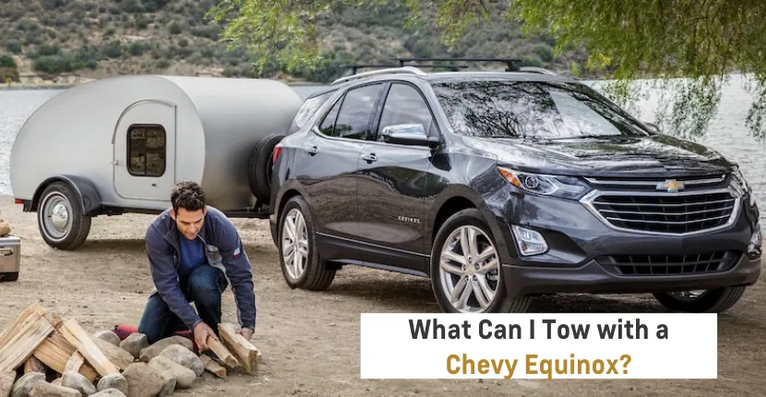
Teardrop campers are arguably the best match for a 4Runner. Brands like nuCamp TAB, Vistabule, and Timberleaf produce models weighing between 1,500 and 2,800 pounds. Their low profile cuts through the wind efficiently, reducing strain on the engine and improving fuel economy. They typically sleep two people and feature an exterior galley kitchen.
Pop-Up Campers
Pop-up tent trailers offer expansive living space while maintaining a featherlight towing weight. Models from Forest River (Flagstaff), Aliner, and Coachmen usually weigh between 1,500 and 3,000 pounds. Because they fold down flat for transit, they eliminate the dangerous sail effect that tall boxy trailers create on windy highways.
Lightweight Travel Trailers
If you require standing room and a bathroom, you must look at ultra-light travel trailers. The Lance 1475, Winnebago Micro Minnie, and Casita Spirit are popular choices. You must strictly monitor their GVWR. Many standard travel trailers claim a dry weight of 3,500 pounds but carry a GVWR of 5,000 pounds, leaving you zero margin for error.
| Camper Type | Average Dry Weight | Pros | Cons |
|---|---|---|---|
| Teardrop | 1,500 – 2,800 lbs | Aerodynamic, easy storage | Limited interior space |
| Pop-Up | 1,500 – 3,000 lbs | Sleeps many, lightweight | Canvas requires maintenance |
| Micro Travel Trailer | 2,500 – 3,800 lbs | Bathroom, standing room | Tall profile catches wind |
Essential Towing Equipment Needed
Hooking up a camper requires more than just sliding a ball mount into the receiver. Proper equipment stabilizes the load and keeps you safe.
You absolutely need a weight distribution hitch if your trailer exceeds 3,000 pounds. Systems like the Equal-i-zer or Blue Ox SwayPro transfer tongue weight away from the rear axle and distribute it evenly across all four wheels of the truck and the trailer axles. This prevents the rear end from sagging and the front tires from losing traction.
Additionally, install a dedicated trailer brake controller. While the 4Runner comes with a wiring harness when equipped with the tow package, the actual electronic controller that modulates the trailer’s electric brakes is often an aftermarket addition. The Tekonsha Prodigy P3 or Redarc Tow-Pro Elite are highly reliable proportional controllers that apply trailer brakes in sync with your vehicle’s deceleration.
Warning: Never tow a camper weighing over 3,000 pounds without functioning trailer brakes. Relying solely on the 4Runner’s brakes to stop a combined mass of 9,000 pounds will cause rapid brake fade and potentially catastrophic failure on downhill grades.
How Does Generation Affect Towing?
The 4Runner has maintained a remarkably consistent towing rating for over a decade, but mechanical differences exist between model years.
Fifth-generation models (2010 through 2024) utilize a naturally aspirated 4.0-liter V6 engine producing 270 horsepower and 278 lb-ft of torque, paired with a five-speed automatic transmission. This powertrain reliably pulls 5,000 pounds, though the older five-speed gearbox can hunt for gears on steep inclines.
The sixth-generation 4Runner, introduced for the 2025 model year, switched to a turbocharged 2.4-liter four-cylinder engine (with an i-FORCE MAX hybrid option). Despite the smaller displacement, torque output increased significantly, yet Toyota maintained the 5,000-pound maximum rating. You can review official specifications directly through Toyota’s published vehicle specs. The modern transmission shifts smoother under load, making the newest models slightly more comfortable towers, even if the hard numerical limit remains identical.
Regardless of generation, the SR5, TRD Off-Road, and Limited trims generally support the full 5,000-pound rating, provided they have the factory tow package installed.
Preparing Your 4Runner for the Road
Towing accelerates wear on every mechanical component. Pre-trip preparation prevents breakdowns in remote areas.
Start by upgrading your cooling capabilities. An auxiliary transmission cooler is vital if your specific trim didn’t include one from the factory. Towing generates immense heat in the transmission fluid, and keeping temperatures down extends the lifespan of the gearbox dramatically. Check your engine coolant levels and ensure the radiator fans operate correctly.
Inspect your suspension. Factory rear coil springs can sag under constant tongue weight. Adding air helper springs, such as those made by Air Lift or Firestone Ride-Rite, allows you to inflate the rear suspension to maintain a level ride height without permanently stiffening the daily driving experience.
Finally, check your tires. Ensure your 4Runner is wearing load-range appropriate tires inflated to the maximum pressure listed on the sidewall for towing. Standard passenger tires may flex dangerously under the added weight of a loaded camper.
Driving Techniques for Safe Towing
Pulling a camper fundamentally changes how your vehicle handles, accelerates, and stops. Adjusting your driving habits is non-negotiable.
Increase your following distance significantly. A loaded 4Runner pulling a camper requires much more distance to stop than the truck alone. Anticipate traffic flow ahead and begin braking early using gentle, steady pressure rather than sudden stomps.
When navigating hills, manually select your gears. Don’t rely on the automatic “Drive” setting for long mountain descents. Shift into fourth or third gear to engage engine braking, which uses the resistance of the motor to slow the vehicle down without overheating the physical brake pads and rotors. On the way up, manual shifting prevents the transmission from constantly hunting between gears, which generates excess heat.
Take corners wider than usual. The trailer’s wheels track closer to the inside of a turn than your truck’s wheels. Failing to swing wide results in clipping curbs, signs, or other vehicles. Practice turning in empty parking lots before hitting the highway.
Troubleshooting Common Towing Issues
Even experienced towers encounter problems. Knowing how to identify and fix them quickly keeps your trip on schedule.
Trailer Sway
If your camper begins fishtailing side-to-side, don’t slam on the brakes. This worsens the sway. Instead, use the manual override lever on your brake controller to apply only the trailer brakes, which pulls the rig straight. Slowing down gradually and ensuring your cargo is loaded with 60 percent of the weight ahead of the trailer’s axles prevents this issue.
Transmission Overheating
Watch your temperature gauges closely. If the transmission fluid temperature spikes, immediately reduce speed, shift to a lower gear, or pull over safely to let the system cool. Continuing to push an overheating transmission causes permanent internal damage.
Rear Suspension Sag
If your headlights point toward the sky and the rear bumper sits noticeably lower than the front, your tongue weight is too high or your suspension is inadequate. Re-distribute cargo inside the camper forward, or install heavier-duty spring components.
Frequently Asked Questions
What size camper can a 4Runner pull?
A 4Runner can comfortably pull campers ranging from 10 to 20 feet in length, provided the fully loaded weight remains under 4,500 pounds. Teardrops, pop-ups, and micro travel trailers fit this profile perfectly. Always prioritize weight ratings over physical length when selecting a camper.
Does a 4Runner need a brake controller?
Yes, a brake controller is legally required in most states if your trailer weighs over 3,000 pounds or has electric brakes installed. It synchronizes the trailer’s braking system with your 4Runner, preventing the camper from pushing the truck during sudden stops.
Will towing a camper damage my 4Runner?
Towing within the manufacturer’s rated limits won’t damage your 4Runner. However, consistently exceeding weight limits, neglecting transmission fluid changes, or failing to use proper cooling equipment will drastically shorten the lifespan of your drivetrain, brakes, and suspension components.
Can I tow a fifth wheel with a 4Runner?
No. Fifth-wheel campers require a specialized hitch mounted inside the bed of a full-size pickup truck. The 4Runner is an SUV without a truck bed, making fifth-wheel towing physically impossible and structurally unsafe regardless of weight.
How much does towing affect gas mileage?
Expect your fuel economy to drop by 30 to 50 percent when towing a camper. A 4Runner that normally achieves 17 miles per gallon will likely drop to 10 or 12 miles per gallon depending on the trailer’s aerodynamics, weight, and the terrain you’re crossing.
Conclusion
Verify your specific truck’s payload sticker, weigh your intended camper fully loaded at a local CAT scale, and invest in a quality weight distribution hitch before your first trip. Taking these concrete steps ensures your 4Runner handles the journey safely and reliably.