What Food Can You Take Camping Without Fridge (8 Best Shelf-Stable Foods)
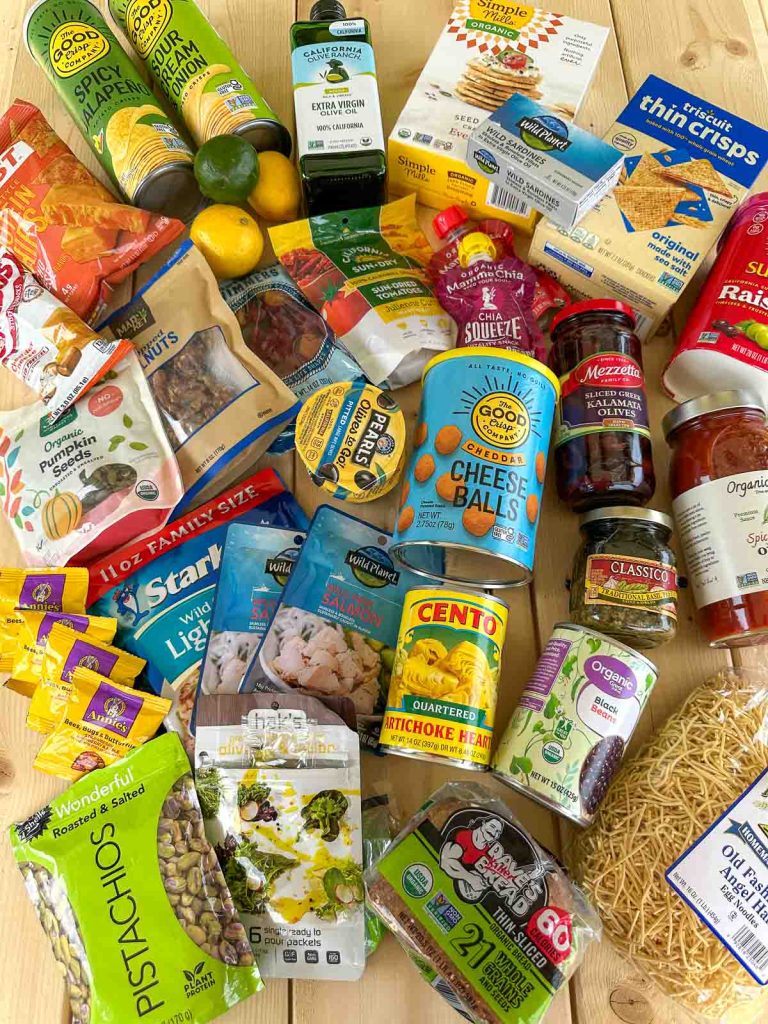
Shelf-stable foods like tortillas, peanut butter, canned meals, nuts, fruit, and jerky work well for camping without a fridge. Choosing what food can you take camping without fridge is easier when you plan around shelf life, heat, weight, and cooking needs.
The best foods are safe at room temperature, easy to pack, filling, and simple to prepare after a long day outdoors.
This guide explains what to bring, how much food you need, how to keep it safe, and which common mistakes to avoid. It also includes simple meal ideas that work for car camping, hiking trips, and emergency-style outings.
How to Choose Food for Camping Without a Fridge
When deciding what food can you take camping without fridge, focus on foods that do not need cold storage before opening. A good camping food should also survive bumps in a backpack or hot weather in a car.
Think of your food supply as a small outdoor kitchen. Each item should have a clear job: provide energy, add protein, supply fiber, or make meals more enjoyable.
Use these five checks before packing:
• Shelf life: Choose food that stays safe at room temperature.
• Weight: Pick light foods for backpacking and heavier cans for car camping.
• Preparation: Favor foods that need little water, heat, or equipment.
• Nutrition: Combine carbohydrates, protein, healthy fats, and produce.
• Packaging: Select sealed, leakproof, and durable containers.
A food may be shelf stable but still unsuitable for extreme heat. Chocolate, soft cheese, and some protein bars can melt or spoil in a hot vehicle. Always read the package label and follow storage instructions.
For food safety, keep unopened shelf-stable food in a cool, dry place. Once opened, treat many foods as perishable unless the label says otherwise. Do not leave opened meat, dairy, cooked grains, or cut produce sitting in the sun.

We Tested 6 Best Electric Coolers Under $200 (Stop Buying Ice in 2026)
Best Shelf-Stable Foods for Camping
The best answer to what food can you take camping without fridge includes a mix of ready-to-eat foods and simple ingredients. This gives you more meal choices without adding much work.
Protein-rich foods
Protein helps you feel full and supports muscle recovery after hiking, paddling, or climbing. Pack several options so every meal does not taste the same.
• Beef, turkey, or salmon jerky
• Tuna or chicken pouches
• Canned beans and lentils
• Roasted chickpeas
• Peanut butter, almond butter, or sunflower seed butter
• Trail mix with nuts and seeds
• Shelf-stable tofu
• Dry hummus mix
• Protein bars
• Powdered milk or soy milk
Tuna and chicken pouches are often lighter than cans. They also make easy wraps when mixed with a small packet of relish, mustard, or hot sauce.
Nut butter is one of the most useful camping foods. It adds protein and fat to toast, tortillas, oatmeal, apples, or crackers. If allergies are a concern, sunflower seed butter is a helpful alternative.
Carbohydrates for energy
Carbohydrates provide quick fuel for active days. They are also easy to cook or eat without preparation.
• Oatmeal packets
• Granola
• Tortillas
• Bagels
• Crackers
• Rice cakes
• Instant rice
• Couscous
• Pasta
• Pretzels
• Popcorn
• Dry cereal
• Instant mashed potatoes
Tortillas are often more practical than bread because they do not crush as easily. They can hold peanut butter, tuna, beans, cheese, or a combination of leftovers from dinner.
Instant rice and couscous are useful for hot meals. Couscous needs very little fuel because boiling water is usually enough. Instant mashed potatoes can become a fast side dish when mixed with canned chicken, beans, or dried vegetables.
Fruits and vegetables
Fresh produce can still be part of your camping menu, even without a cooler. Choose firm produce that handles warmth and travel well.
• Apples
• Oranges
• Bananas
• Carrots
• Bell peppers
• Small cucumbers
• Cherry tomatoes
• Onions
• Potatoes
• Sweet potatoes
• Cabbage
• Dried fruit
• Applesauce cups
• Fruit cups packed in juice
Dried fruit is light and lasts for weeks. Raisins, dates, apricots, mangoes, and banana chips add sweetness to oatmeal and trail mix.
Potatoes, onions, apples, and oranges can last several days when kept dry and shaded. Avoid washing produce until you need it if extra moisture could cause mold.
Canned and pouch foods
Canned food is reliable for car camping because it is filling and easy to store. The main drawback is weight, so it is less suitable for long backpacking trips.
• Canned chili
• Canned soup
• Canned beans
• Canned corn
• Canned fruit
• Canned sardines
• Canned chicken
• Canned pasta
• Shelf-stable curry pouches
• Ready-to-eat rice pouches
Choose cans with pull tabs when possible. If a can needs a manual opener, pack one and test it before leaving home.
Never use a can that is swollen, leaking, badly rusted, or spurting when opened. Those signs may indicate contamination.
Easy No-Fridge Camping Meal Ideas
A useful meal plan makes what food can you take camping without fridge much easier to manage. You do not need fancy recipes. You need meals that use the same ingredients in several ways.
Breakfast ideas
Breakfast should be quick, filling, and easy to eat before camp chores.
• Oatmeal with peanut butter, dried fruit, and seeds
• Bagel with nut butter and banana
• Granola with powdered milk and shelf-stable milk
• Breakfast tortillas with canned beans and hot sauce
• Dry cereal with boxed shelf-stable milk
• Instant grits with tuna or shelf-stable bacon
For oatmeal, add cinnamon, raisins, walnuts, or powdered milk. A spoonful of nut butter increases calories and helps the meal keep you full during a long hike.
Lunch ideas
Lunch does not need cooking. Pack foods that can be assembled beside the trail or at camp.
• Tuna and cracker kits
• Peanut butter and banana tortillas
• Jerky, cheese crackers, and an orange
• Bean and salsa wraps
• Hummus with carrots and pita
• Sardines with tortillas and sliced vegetables
• Trail mix with dried fruit and a protein bar
Use single-serve packets when possible. They reduce the chance of leaving an opened container to spoil.
Dinner ideas
Dinner is a good time to use a stove. A hot meal can improve comfort, especially after a cool or wet day.
• Instant rice with tuna, beans, and seasoning
• Couscous with chickpeas and dried vegetables
• Pasta with tomato sauce and canned meat
• Instant mashed potatoes with chicken and gravy mix
• Canned chili with tortillas
• Lentil soup with crackers
• Shelf-stable curry with rice
A simple seasoning kit adds variety without much weight. Bring salt, pepper, garlic powder, chili flakes, curry powder, or taco seasoning in small sealed bags.
Snack ideas
Active campers often need snacks between meals. Keep them in easy-to-reach pockets or small bags.
• Nuts
• Seeds
• Jerky
• Granola bars
• Dried fruit
• Pretzels
• Crackers
• Popcorn
• Fruit leather
• Peanut butter packets
• Whole fruit
During a strenuous day, combine carbohydrates with protein or fat. For example, pair dried fruit with nuts or crackers with tuna. This can provide steadier energy than eating candy alone.
What Food Can You Take Camping Without Fridge for a Week?
For a week-long trip, what food can you take camping without fridge depends on your menu, storage space, and cooking method. Plan meals before shopping so you do not carry food you will never use.
A basic seven-day plan could include:
• Seven breakfasts with oatmeal, bagels, or cereal
• Seven lunches with tortillas, tuna, beans, crackers, or jerky
• Seven dinners with rice, pasta, couscous, canned meals, or dehydrated food
• Two or three snacks each day
• Extra food for delays, bad weather, or increased hunger
A typical active adult may need more calories than usual, especially during hiking. Calorie needs vary by body size, age, weather, terrain, and activity level. Instead of relying on one number, pack enough food to feel satisfied and add a small emergency reserve.
For backpacking, choose foods with high calories per ounce. Nuts, nut butter, olive oil packets, dehydrated meals, and tortillas provide useful energy without much weight.
For car camping, weight matters less. You can bring canned soup, potatoes, fresh fruit, and larger packages. Still, avoid overpacking foods that create waste or require complicated cooking.
A written meal plan helps prevent two common problems: running out of food and bringing too much. I once planned a trip around snacks but underestimated dinner portions after long hikes. Since then, I pack one extra dinner and divide food into daily bags.
Foods to Avoid Without Refrigeration
Knowing what not to pack is just as important as knowing what food can you take camping without fridge. Some foods spoil quickly or become unsafe when temperatures rise.
Avoid these foods unless you have a properly chilled cooler:
• Raw meat and poultry
• Fresh seafood
• Soft cheese
• Yogurt
• Milk
• Cooked meat
• Cooked rice left at room temperature
• Egg salad
• Potato salad with mayonnaise
• Cream-based dips
• Cut melon
• Opened lunch meat
• Homemade mayonnaise
Perishable food should not remain in the danger zone, which is roughly 40°F to 140°F, for more than two hours. On very hot days, the safe time can drop to one hour.
Cooked rice and pasta deserve special care. They can support bacterial growth when left warm for too long. If you cook them at camp, eat them soon and discard leftovers that have sat out.
Do not assume that a cool night makes unsafe food safe again. Bacteria may grow during the warm part of the day, even if the food later feels cool.
Food Safety Tips for Fridge-Free Camping
Food safety matters even when your meals look simple. A clean setup reduces the risk of stomach illness, which can quickly turn a fun trip into a difficult one.
Store food correctly
Keep food in sealed bags or containers. Store it away from direct sunlight, rain, insects, and animals.
Use separate bags for:
• Ready-to-eat food
• Cooking ingredients
• Trash and wrappers
• Soap and cleaning supplies
Never store food inside your tent. Wildlife may smell food even when it is tightly wrapped. Follow local rules for bear-resistant canisters, food lockers, and hanging food.
Wash your hands
Wash hands with soap and clean water before eating and preparing meals. Hand sanitizer is useful when soap and water are not available, but it does not remove all dirt or grease.
Clean cooking tools after use. If water is limited, use a small scraper first, then wash with hot water and biodegradable soap according to local camping rules.
Protect drinking water
Untreated water can contain harmful germs, even when it looks clear. Use treated, filtered, or boiled water for drinking, cooking, brushing teeth, and making drinks.
When boiling water, bring it to a rolling boil for at least one minute. At elevations above 6,500 feet, boil it for three minutes. A certified filter or purification method can also work when used correctly.
Inspect food before eating
Throw away food with:
• A broken seal
• A leaking package
• A swollen can
• A strange odor
• Mold
• Unexpected gas or bubbling
Do not taste questionable food to test it. A small bite can still expose you to harmful toxins.
How to Pack Food for Camping Without a Fridge
Smart packing keeps food dry, organized, and easy to find. It also helps you control portions and reduce waste.
Start by removing bulky outer packaging at home. Keep cooking instructions, but transfer foods into strong resealable bags when safe to do so. Label each bag with the meal and cooking time.
Use a simple packing system:
- Pack each day’s meals in one large bag.
- Put breakfast items in an easy-to-reach place.
- Keep snacks near the top of your backpack.
- Place heavy cans close to your back when backpacking.
- Protect crackers and bread inside hard containers.
- Carry sauces and oils in leakproof bottles.
- Keep a small emergency meal separate from daily food.
A lightweight food bag can hold most dry goods. For areas with bears or other wildlife, use an approved bear canister or food storage system.
Avoid glass containers for hiking. They are heavy and can break. Aluminum cans are sturdy but add weight, so pouches and dehydrated foods often work better for backpackers.
Bring a trash bag for every meal. Food scraps, oil packets, and wrappers can attract wildlife and harm the environment.
How Much Water and Cooking Fuel Do You Need?
Food planning is incomplete without water and fuel. Dry foods such as oatmeal, rice, pasta, and dehydrated meals require extra water.
Estimate your needs before leaving:
• Drinking water: Plan for your activity, weather, and access to natural water.
• Cooking water: Check how much each meal requires.
• Cleaning water: Reserve enough for dishes and handwashing.
• Fuel: Bring enough for boiling water, cooking, and delays.
Hot weather and hard exercise increase fluid needs. Do not wait until you feel very thirsty. Drink during the day and consider electrolytes during long, sweaty activities.
Fuel use depends on wind, temperature, stove type, altitude, and cooking time. A windscreen can improve efficiency, but it must be used safely and kept away from overheating fuel canisters.
If you use a campfire, check local fire rules and wildfire restrictions. A stove is often cleaner, faster, and more reliable than a fire.
Budget-Friendly Fridge-Free Camping Foods
You do not need expensive freeze-dried meals to eat well outdoors. Many affordable grocery items work for camping without a refrigerator.
Try these low-cost choices:
• Oats
• Rice
• Pasta
• Beans
• Lentils
• Peanut butter
• Popcorn kernels
• Tortillas
• Canned tomatoes
• Tuna packets
• Store-brand trail mix
• Powdered drink mix
Buying larger packages can lower the cost, but divide them into meal-size portions at home. This prevents waste and keeps the food dry.
Dry lentils and beans are inexpensive, but they need more cooking time and fuel. Canned beans cost more per serving and weigh more, but they save time. Choose based on your trip style.
A simple budget dinner could include instant rice, black beans, salsa, and taco seasoning. Another option is pasta, tomato sauce, lentils, and dried Italian herbs.

Vegetarian, Vegan, and Allergy-Friendly Options
Good answers to what food can you take camping without fridge should work for different diets. Plant-based foods are often easy to store and can provide strong nutrition when combined well.
Vegan options include:
• Peanut or sunflower butter
• Beans and lentils
• Chickpeas
• Roasted edamame
• Soy jerky
• Shelf-stable tofu
• Nuts and seeds
• Oatmeal
• Couscous
• Dehydrated vegetables
For balanced meals, combine legumes with grains. Beans and tortillas, lentils and rice, or chickpeas and couscous are simple combinations that provide protein and carbohydrates.
For allergies, read every label. Ingredients and manufacturing practices can change. Keep safe foods separate from shared snacks, and tell your group about serious allergies before the trip.
If you need gluten-free food, choose rice, corn tortillas, potatoes, quinoa, gluten-free oats, and certified gluten-free packaged meals. Check sauces, seasoning packets, jerky, and canned foods for hidden gluten.
Common Mistakes to Avoid
Many camping food problems come from small planning errors. A few minutes at home can prevent discomfort in the woods.
Avoid these mistakes:
• Bringing only sweet snacks
• Forgetting a can opener
• Packing food with too much cooking time
• Underestimating appetite after exercise
• Leaving opened food out
• Storing food in a tent
• Forgetting water for dry meals
• Using weak bags that leak
• Ignoring local wildlife rules
• Packing no backup meal
One of my early mistakes was bringing a meal that needed several pots and a long simmer. After a cold, tiring hike, I wanted food right away. Now I test new camping meals at home and choose recipes that use one pot and finish in about 10 minutes.
Another lesson is to pack food you already enjoy. Outdoor meals are not the best time to experiment with unfamiliar flavors or complicated recipes.
Frequently Asked Questions About What Food Can You Take Camping Without Fridge
What is the best food to take camping without a fridge?
The best choices include tortillas, peanut butter, nuts, jerky, canned beans, tuna packets, oatmeal, instant rice, dried fruit, and shelf-stable meals. They are filling, easy to store, and safe at room temperature when unopened.
Can you take eggs camping without a fridge?
Fresh eggs should stay chilled unless they are specially processed and labeled for room-temperature storage. Powdered eggs are a safer option for camping without a refrigerator.
How long can food stay unrefrigerated while camping?
Perishable food should not stay above 40°F for more than two hours, or more than one hour when temperatures exceed 90°F. Shelf-stable food can last much longer, but follow the package instructions and discard damaged or contaminated items.
Can you bring cheese camping without a cooler?
Hard cheeses may tolerate short trips better than soft cheeses, but they can still become unsafe or unpleasant in hot weather. For trips without a cooler, use sealed shelf-stable cheese products or skip cheese altogether.
What meat can you take camping without a fridge?
Commercially packaged jerky, meat sticks, and unopened shelf-stable meat pouches are suitable choices. Raw meat, cooked meat, and opened deli meat need reliable refrigeration.
Is canned food good for camping?
Yes, canned food is practical for car camping because it is filling, durable, and easy to heat. It is less convenient for backpacking because cans add weight and create bulky waste.
How do you keep food cool without a refrigerator?
Use a properly packed cooler with enough ice if you need to carry perishable food. Without a cooler, choose shelf-stable foods instead of trying to keep unsafe food cool with shade or nighttime temperatures.
Conclusion
The best answer to what food can you take camping without fridge is a balanced mix of shelf-stable protein, grains, fruits, vegetables, snacks, and easy meals. Tortillas, nut butter, jerky, beans, tuna, oatmeal, instant rice, dried fruit, and canned foods are dependable choices for many trips.
Plan each meal, pack extra food for delays, protect food from heat and wildlife, and follow basic food safety rules. Test meals at home before your trip so cooking feels simple when you are tired.
With the right plan, camping food can be safe, tasty, affordable, and satisfying without a refrigerator. Build your meal list today, check your local storage rules, and share your favorite fridge-free camping meal in the comments.