How Do Camper Fridges Work? Absorption and Compressor Cycles
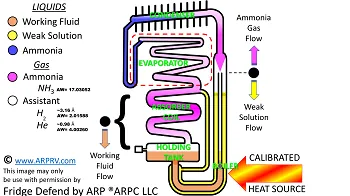
A camper fridge keeps food cold by moving heat out of its insulated box using either a chemical cycle powered by gas or electricity, or a compressor cycle running on 12-volt power; absorption models boil an ammonia solution to absorb heat, while compressor models circulate refrigerant through a pump just like a home refrigerator.
Three things change the way your unit runs. The power source available at your campsite decides if it can run at all. The outside temperature shifts how hard it has to work. The fridge type itself sets the limits on where you can park and still keep things cold.
Who needs this guide about camper fridges
Someone buying their first travel trailer types this question to figure out why the fridge won’t cool when they’re parked on a hill. They don’t own anything yet and need to know the difference between absorption and compressor units before signing a check. This page serves them by explaining the mechanics so they can match a fridge to their camping style.
A second reader already owns a rig but left the fridge off for a week. Their food spoiled, and they want to know if the cooling unit is broken or just slow to start. They need troubleshooting steps tied to the specific technology inside their box, not generic advice about checking the plug.
A third person is thinking about swapping an old gas-electric fridge for a modern 12-volt compressor model. They need to understand the wiring trade-off and whether their battery bank can handle the draw. That job involves electrical work beyond a basic swap. If you’re planning a full conversion that requires cutting into your RV’s DC panel, consult a certified RV technician — rewiring mistakes can cause fires or void your warranty.
This article assumes you have a standard factory-installed RV refrigerator and want to operate, maintain, or lightly troubleshoot it. It doesn’t cover building a custom solar-powered cooling system from scratch.
What actually changes the cooling
The power source matters more than anything else because it dictates whether the fridge runs at all. An absorption fridge needs a steady 120-volt AC connection, propane, or both. A compressor fridge only needs 12-volt DC power. Check your owner’s manual or the sticker inside the door frame to see what your unit accepts.
Outside temperature shifts the workload dramatically. Absorption models struggle when the air hits 90°F (32°C) because they rely on ambient air to condense the ammonia vapor back into liquid. Compressor units handle heat better, but their batteries drain faster as the pump cycles more often. If you camp in desert heat, an absorption fridge will likely fail to hold safe temperatures.
Leveling the rig is critical for absorption units. These fridges use gravity to move the ammonia-water mixture through the boiler, condenser, and evaporator tubes. If your trailer sits tilted more than three degrees side-to-side, the fluid pools instead of flowing. You’ll hear a gurgling sound, and the cooling stops entirely within a few hours. Use a bubble level on the floor near the fridge to check.
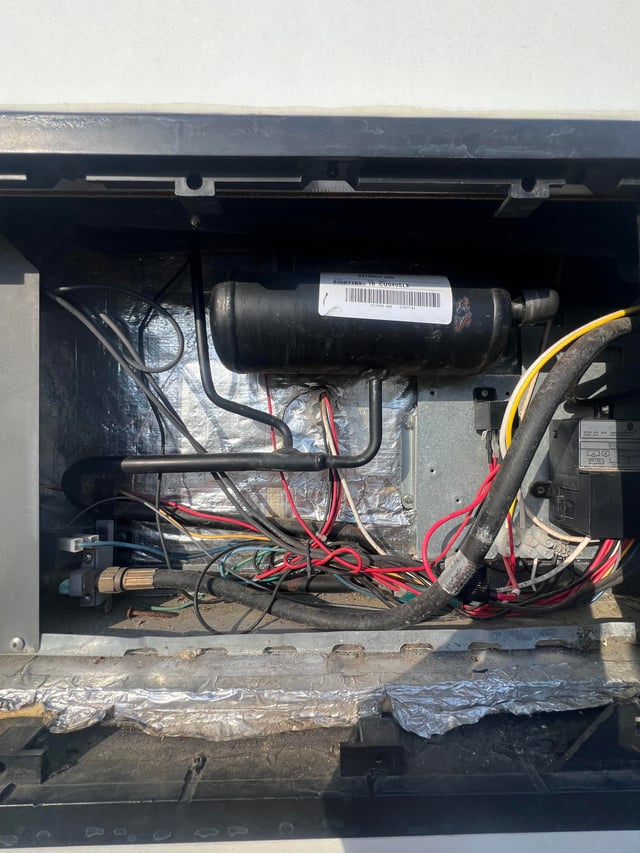
Ventilation behind the exterior access panel is the thing people get wrong most often. The cooling fins must shed heat into the outside air. If leaves, mud dauber nests, or added insulation block the roof vent, the heat stays trapped. The fridge works harder, burns more propane, and eventually overheats. Pull the exterior vent cover off once a season and look for blockages with a flashlight.
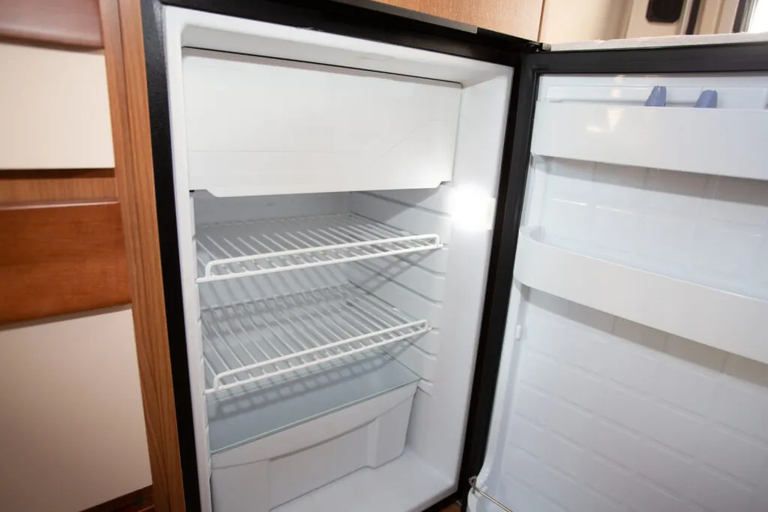
Finally, the amount of food inside acts as thermal mass. A completely empty fridge warms up fast every time you open the door. A fridge packed too tightly blocks the airflow over the internal cooling fins. Leave about one inch of space around items so cold air can circulate.
Best 50L Campervan Fridge: Top 7 Off-Grid Coolers Tested & Rated
How to set up and run your camper fridge
Getting the unit cold takes patience, especially with an absorption model. You can’t just plug it in and load groceries ten minutes later. Follow these steps in order to avoid spoiling your first meal on the road.
- Level the trailer. Place a bubble level on the floor directly in front of the fridge. Adjust your leveling jacks until the bubble sits dead center. If it’s off by more than half a line, the absorption fluid won’t flow correctly.
- Clear the exterior vents. Open the lower and upper access doors on the outside of the RV. Shine a flashlight inside to confirm no debris blocks the burner tube or the chimney. Close the doors securely.
- Choose your power source. Turn the mode selector switch to “Auto” if you have shore power connected; the fridge will use 120-volt electricity automatically. If you’re boondocking, switch it to “Gas” and ensure your propane tank valve is fully open.
- Turn the unit on. Press the main power button. For gas mode, hold the ignition button for 5 to 10 seconds until you hear the spark click and the flame catch. Release it once the indicator light stays solid green.
- Wait for the box to cool. Leave the doors closed for 6 to 12 hours on an absorption fridge, or 2 to 4 hours on a compressor model. Don’t guess the temperature by feeling the air; place a standalone thermometer in a glass of water on the middle shelf.
- Check the temperature reading. The water should read between 34°F and 40°F (1°C to 4°C). If it’s higher after the wait time, increase the thermostat setting by one number and wait another two hours.
- Load your food. Put pre-chilled items in first. Group heavy liquids on the bottom shelf and leave gaps between packages so air moves freely across the back wall.
The single judgment call that separates a working fridge from a failing one is knowing when to stop adjusting the thermostat. If the water test reads above 45°F (7°C) after 12 hours on maximum settings with verified power and perfect leveling, the cooling unit is likely compromised.
Stop trying to force it. Running a damaged absorption fridge continuously can cause the corrosion inhibitor to precipitate and permanently block the sealed cooling tubes. At that point, contact an RV appliance repair shop to evaluate the sealed cooling tubes.
Comparing the different fridge setups
Every situation on the road demands a slightly different approach to keeping food cold. Here is how the common setups compare when you’re deciding what to run and when.
| Situation | What to do | Effort needed | What to watch for |
|---|---|---|---|
| Hooked to shore power | Switch to Auto or AC mode | Flip one switch | Tripped campground breaker |
| Boondocking dry | Switch to Gas or LP mode | Light pilot manually | Propane tank running empty |
| Driving down highway | Run on 12V DC alternator power | Set to DC mode | Draining starter battery if stopped |
| Parking on steep slope | Level with blocks before turning on | 10 minutes setup | Gurgling noise means fluid pooling |
| Extreme summer heat | Add external fan behind vent | Install one 12V fan | Fridge running non-stop without cooling |
| Storing for winter | Turn off and prop doors open | 5 minutes total | Mold growing inside sealed box |
If you’re driving and switch to 12-volt DC power, remember that this usually draws from your vehicle’s alternator. When you stop the engine, turn the fridge off or switch to propane immediately. Leaving it on DC without the engine running will drain your starting battery flat in a matter of hours, leaving you stranded.
Details that separate good cooling from bad
Managing airflow and heat
The space behind your fridge does the actual work of cooling. Heat rises from the burner or compressor, travels up the chimney baffle, and exits through the top roof vent. If that path gets blocked, the heat bounces back into the coils.
You can check this by holding your hand near the top exterior vent while the fridge runs. You should feel warm air pushing out steadily. If the air feels barely warm or stagnant, the baffle inside might be out of place or the vent is clogged.
Installing a small 12-volt exhaust fan behind the upper vent helps pull hot air out faster. This trade-off costs you a tiny bit of battery power but lowers the internal temperature by several degrees on hot days. Just make sure the fan blows outward, not inward.
Loading the shelves correctly
Cold air sinks, and the cooling fins sit at the top back of an RV fridge. Packing tall boxes against those fins chokes the system. The cold air can’t drop down to the lower shelves, leaving your vegetables warm while your top-shelf drinks freeze.
Leave at least an inch of space between items and the back wall. Put dense, pre-chilled liquids on the bottom shelf to act as a cold battery. They hold their temperature longer and help stabilize the box when you open the door.
Don’t put hot leftovers straight inside. Let them cool on the counter first. Dropping a hot pot into a small RV fridge forces the system to run continuously, burning extra propane or draining your house batteries faster than normal.
Fixing common camper fridge problems
When the fridge stops getting cold, the symptom tells you where to look first. Match what you see to the fix below before calling a technician.
| What you notice | What it usually means | What to do first | How to stop it happening again |
|---|---|---|---|
| No cold air at all | Power source disconnected | Check breaker or propane valve | Inspect connections before trips |
| Gurgling sound inside | Trailer parked unlevel | Re-level using jacks immediately | Always level before turning on |
| Frost covering everything | Door seal letting humid air in | Wipe seal clean and test closure | Clean rubber gaskets monthly |
| Burner clicks but won’t light | Air in propane lines | Cycle gas valve off and on | Purge lines after tank swaps |
| Runs constantly, stays warm | Blocked exterior ventilation | Clear debris from roof vent | Inspect vents every season |
| Fridge shuts off randomly | Overheating safety switch tripped | Turn off and let cool completely | Ensure rear airflow stays clear |
If the burner clicks repeatedly but never catches a flame, don’t keep holding the ignition button for minutes at a time. You’ll flood the chamber with unburned gas. Turn the gas mode off, wait five minutes for it to clear, then try again. Persistent failure here points to a dirty burner orifice, which requires a technician to disassemble safely.
Safety rules and operating limits
Propane appliances carry strict rules because a leak inside a small camper is dangerous. The National Fire Protection Association publishes NFPA 1192, the standard for recreational vehicles, which covers how gas appliances must be installed and vented.
Your fridge’s burner assembly and flue must meet these clearance requirements to prevent surrounding wood from catching fire. Never modify the exhaust routing yourself.
Carbon monoxide is the invisible risk. An absorption fridge burning propane produces exhaust that must vent completely outside. If the flue cracks or the seal around the exterior door fails, CO enters the living space. Test yours monthly.
If the alarm sounds, shut off the propane tank at the valve immediately, open all windows, and get everyone outside. Don’t go back in to troubleshoot the fridge.
Electrical limits matter too, and determining the correct current draw for your RV fridge is a job for a technician rather than a home test. Plugging it into a household extension cord or a shared circuit at a campground risks tripping breakers or melting wires. Check your RV’s power distribution panel for the dedicated fuse size listed for the refrigerator circuit.
If you smell ammonia inside or outside the rig, the sealed cooling unit has ruptured. Ammonia is toxic and corrosive. Ventilate the RV, don’t turn on any electrical switches, and contact a professional service center. You can’t patch a cracked absorption boiler. Dometic’s official support documentation outlines specific error codes and safety warnings for their widely used RV cooling units.
What running it actually costs
The cost of running a camper fridge isn’t just the price tag on the unit. It’s measured in fuel, battery wear, and maintenance time.
An absorption fridge running on propane uses roughly 1.5 pounds of LP gas per 24 hours under normal conditions. That means a standard 20-pound tank lasts about two weeks if the fridge is your only gas appliance. Propane prices vary wildly by region and season, so check local refill stations rather than relying on national averages.
Running on shore power adds to your campground electric bill, though the draw is modest. You can find the rated current draw and estimated daily energy consumption on the fridge’s specification plate or in the owner’s manual. To calculate your exact need, compare your fridge’s rated specifications to your battery bank’s usable capacity printed on the battery label. Lead-acid batteries shouldn’t be drained past 50%, while lithium batteries allow deeper discharge.
The hidden cost is replacement. Absorption cooling units eventually burn out after heavy use. Replacing just the cooling unit costs significantly less than buying a whole new fridge, but labor rates at RV shops add up fast. Compressor fridges last longer mechanically but require expensive lithium battery banks to run efficiently off-grid.
Keeping it running after the trip
Maintenance prevents the slow failures that ruin vacations. You don’t need a schedule as much as you need to watch for specific signs.
Clean the burner assembly on gas models once a year. Spiders love building webs inside the burner tube during storage. A web blocks the gas flow, causing a yellow, sooty flame instead of a clean blue one. Remove the exterior access panel, use compressed air to blow out the tube, and inspect the flame color when you relight it.
Wipe down the rubber door seals with mild soap and water as needed depending on use, consulting the owner’s manual for authoritative guidance. Dirt dries out the rubber, creating gaps that let warm air in. Test the seal by closing the door on a dollar bill. If you can pull the bill out easily without resistance, the gasket needs replacing.
When storing the RV for winter, turn the fridge off completely. Prop both the main door and the freezer door open with a rolled-up towel. Closing a damp, turned-off fridge guarantees mold growth. You’ll smell it the moment you open it next spring, and scrubbing mold out of plastic crevices takes hours.
Defrost the freezer compartment whenever ice builds up past a quarter-inch thick. Thick ice acts as insulation, forcing the cooling fins to work harder to transfer cold into the box. Turn the unit off, leave the doors open, and put towels on the floor to catch the meltwater. Never chip ice away with a knife; puncturing the internal cooling fins destroys the fridge instantly.
When this method won’t work
This guide assumes you’re dealing with a functioning, factory-style RV refrigerator. There are times when following these steps is the wrong move.
If your fridge smells strongly of ammonia inside the cabin or around the exterior vent, the sealed cooling unit has cracked. You can’t fix this with leveling, cleaning, or resetting switches. Ammonia leaks are hazardous. Shut the unit off, ventilate the RV, and take it to a certified RV repair facility. Attempting to weld or patch a pressurized ammonia system yourself risks severe injury.
If you’re trying to run a residential 120-volt home refrigerator in a camper using a power inverter, the rules here don’t apply. Home compressors draw massive surge currents on startup that trip RV inverters or flatten batteries in hours. That setup requires a dedicated high-capacity inverter and a large lithium battery bank designed specifically for that purpose.
If your camper uses a thermoelectric cooler box rather than a true fridge, these mechanics don’t exist. Thermoelectric boxes use Peltier plates that only drop the interior temperature about 30 to 40 degrees below the outside air. They don’t use gas, compressors, or ammonia. If you need freezing capability in a thermoelectric box, you’ve bought the wrong equipment for the job. Swap it for a compressor fridge.
Frequently asked questions
Why is my camper fridge not cooling?
Check the power source first. If you’re on gas, verify the propane tank is open and the flame is lit. If you’re on electric, check the 120-volt breaker. If power is confirmed and the trailer is level, the cooling unit may have failed internally.
Can I run a camper fridge while driving?
Yes, but the method matters. Compressor fridges run safely on 12-volt DC power from the alternator. Absorption fridges can run on 12-volt DC, but some regions restrict driving with propane valves open due to crash safety risks. Check your local transport regulations.
How long does it take for an RV fridge to get cold?
Absorption fridges take 6 to 12 hours to reach 34°F–40°F (1°C–4°C), assuming the trailer is perfectly level and the ambient temperature is moderate. Compressor fridges cool much faster, typically reaching safe temperatures in 2 to 4 hours.
Is it safe to leave a propane fridge on overnight?
Yes, provided the RV has functioning carbon monoxide and propane leak detectors installed and tested. The exhaust must vent completely outside through an unblocked flue. Never sleep in a rig with a gas fridge running if your detectors are missing or expired.
What happens if my RV isn’t level?
The ammonia-water mixture inside an absorption fridge relies on gravity to flow through the boiler and condenser tubes. If tilted more than three degrees, the fluid pools at the bottom. Cooling stops, and prolonged operation while unlevel can permanently damage the sealed unit.
Does a camper fridge use a lot of battery?
The precise daily energy consumption of a 12-volt compressor fridge depends on outside heat and how often you open the door, but you can estimate it using the rated amp draw listed in your owner’s manual. An absorption fridge running on its 12-volt setting only powers the control board, drawing very little, but it won’t cool effectively without propane or shore power.
Why is there frost building up so fast?
Rapid frost buildup means warm, humid air is leaking into the box. Check the rubber door gasket for tears or dirt blocking the seal. Leaving the door open too long while cooking also dumps moisture onto the cold cooling fins.
Do I need to defrost my camper fridge?
Yes. When ice on the freezer walls reaches a quarter-inch thick, it insulates the cooling fins from the rest of the box. Turn the fridge off, prop the doors open, and let it melt naturally. Never use sharp tools to scrape the ice off.
Conclusion
Start by leveling your trailer and verifying your power source before turning the fridge on. Expect the box to reach a safe 34°F to 40°F (1°C to 4°C) within 12 hours for absorption models, or 4 hours for compressor types, which you can confirm by placing a thermometer in a glass of water on the middle shelf. If you ever smell ammonia or detect a gas leak, turn the unit off immediately and contact a certified RV technician.