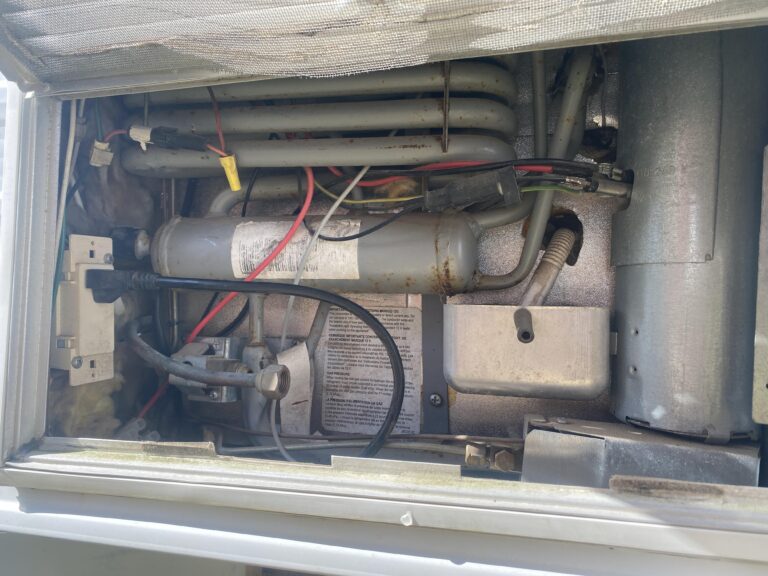
How Much Propane Does a Camper Fridge Use: (Calculated & Explained)
A standard absorption camper fridge uses between 0.5 and 1 pound of propane per 24 hours of operation, depending on the outside temperature and how often you open the door. You’ll find that a typical 5-gallon tank, which holds about 20 pounds of fuel, lasts roughly 2 to 3 weeks if the fridge is your primary propane user.
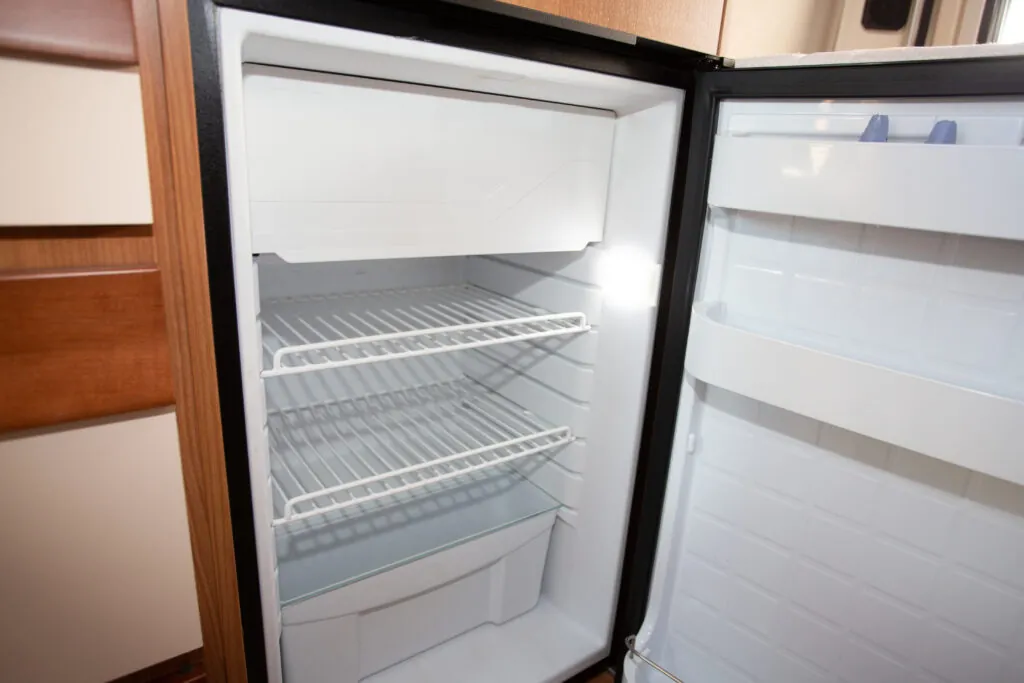
Estimating your camper fridge propane consumption
You can estimate your fuel consumption by understanding that absorption fridges run continuously on a small flame rather than using a compressor. Follow these steps to calculate how much energy your specific appliance requires.
- Check your fridge capacity: Look for the data plate inside the fridge or freezer compartment to find the BTU rating. Most RV fridges consume between 1,200 and 1,800 BTUs per hour when the burner is actively firing.
- Determine your duty cycle: Your fridge doesn’t burn fuel every second of the day. In mild weather, the burner might run 50% of the time, while in extreme heat, it may run up to 80% or 90% to maintain cold temperatures.
- Convert BTUs to pounds: Divide your hourly BTU rating by 21,500 to find the amount of fuel burned per hour of active operation.
- Calculate your daily total: Multiply the hourly fuel usage by the number of hours the burner is active in a 24-hour period. For an average 1,500 BTU unit running 60% of the day, you’ll burn about 1 pound of fuel daily.
- Monitor your tank levels: Track your total propane usage over a full week to see how your specific environment affects consumption. Keep a simple log of the date and the percentage remaining on your tank gauge to identify your own unique burn rate.
We Tested 6 Best Electric Coolers Under $200 (Stop Buying Ice in 2026)
| Usage Scenario | Daily Propane Use (lbs) | 20lb Tank Duration |
|---|---|---|
| Mild Weather (60°F – 70°F) | 0.5 – 0.7 lbs | 28 – 40 days |
| Average Weather (70°F – 85°F) | 0.8 – 1.2 lbs | 16 – 25 days |
| Hot Weather (Above 90°F) | 1.3 – 1.8 lbs | 11 – 15 days |
How Long Does a Tank Actually Last?
The duration of your propane supply depends almost entirely on the ambient temperature and the insulation quality of your RV. When the outside air is hot, the fridge has to work harder to move heat away from the interior, which keeps the burner lit longer.
You’ll also notice that your habits influence this; every time you open the door, cold air escapes and the unit must cycle back on to recover that lost cooling capacity.
Because these units rely on a steady, small flame, they’re incredibly efficient compared to electric compressor fridges, but they aren’t immune to heat soak. If you’re parked in direct sunlight, the side of the RV housing the fridge will heat up, forcing the unit to run more frequently.
You can improve efficiency by keeping your RV level, as absorption fridges require a perfectly level surface to circulate the cooling fluid properly inside the tubes. If the fridge is tilted, the fluid won’t flow, the unit won’t cool, and the burner will stay lit forever trying to force a temperature drop that never happens.
Is It Safe to Leave the Fridge on While Driving?
It’s generally safe to leave your propane fridge running while you drive, provided your RV is equipped with a proper automatic changeover regulator and you follow local safety laws.
Many states and provinces have specific rules regarding propane use in tunnels or on ferries, so you should always check the Department of Transportation guidelines for the regions you plan to travel through.
When you leave the fridge on, ensure your propane tanks are securely mounted and your lines are free of leaks. Some modern RVs come with safety features that automatically shut off the gas flow if they detect a major pressure drop, such as a severed line.
If you’re uncomfortable with an open flame while moving, you can pre-chill the fridge on shore power before you leave and then turn the gas off during transit. A well-insulated fridge will stay cold for several hours if you keep the door closed during the drive.
Common Mistakes That Increase Fuel Use
You might be wasting fuel without realizing it due to simple setup errors. The most common mistake is failing to keep the exterior ventilation clear.
If the intake or exhaust vents on the outside of your RV are blocked by debris, leaves, or bird nests, the fridge can’t vent heat effectively. This forces the burner to run constantly because the cooling unit is trapped in a pocket of hot air.
Another mistake is overpacking the fridge. Absorption fridges rely on internal air circulation to keep items cold; if you pack the shelves so tightly that air can’t move, the fridge will struggle to reach the set temperature. Furthermore, check your door seals periodically.
If the rubber gasket is cracked or no longer sits flush against the frame, cold air will leak out constantly. You can test this by closing the door on a piece of paper; if you can pull the paper out with no resistance, your seal is likely loose and needs adjustment or replacement.
Frequently Asked Questions
Why is my propane usage suddenly much higher?
If your consumption spikes, check for a partial blockage in the burner orifice caused by insect webs. These obstructions disrupt the flame and force the unit to burn fuel inefficiently. Ensure your thermostat is set appropriately, as selecting the coldest setting during moderate weather unnecessarily increases fuel intake.
Can I use a portable tank for my fridge?
Yes, you can connect a portable tank, but you must use a proper low-pressure regulator. Never connect a high-pressure tank directly to your fridge, as this will damage the internal components and create a serious fire hazard.
Always ensure your connections are tight and use a soapy water solution to check for bubbles, which indicate a gas leak that needs immediate attention.
Does altitude affect propane consumption?
Yes, higher altitudes affect how the burner performs. As the air becomes thinner, the air-to-fuel ratio changes, which can cause the flame to burn yellow or produce soot. This reduces the efficiency of the heat transfer, meaning the fridge will have to run longer to achieve the same cooling effect. If you camp at high elevations, you may notice your fuel lasts less time than it does at sea level.
Should I turn the fridge off when I’m not using the camper?
It’s best to turn the fridge off and clean it out whenever you aren’t using the RV for more than a few days. Leaving it on wastes fuel and adds unnecessary wear to the burner assembly. Once you turn it off, prop the doors open slightly to allow air to circulate, which prevents mold and mildew from growing inside the sealed, damp environment.
How do I know if the fridge is working on propane?
You can verify the fridge is working by checking for heat coming from the upper exterior vent. If you feel heat, the unit is actively burning fuel to cool the interior. If the vent is cold and the fridge is warming, the burner may have failed to ignite.
Why does the flame keep flickering out?
If your fridge burner lights but quickly goes out, the thermocouple is likely faulty. This sensor detects the flame and signals the gas valve to stay open; if it’s dirty or misaligned, the system shuts off the gas. You can gently clean the tip, but a persistent issue requires a replacement.
Can I run the fridge on propane while I am parked on a hill?
Never operate an absorption fridge on a significant incline, as the gravity-fed cooling process requires the unit to be nearly level. If the RV is tilted beyond the manufacturer’s limits, cooling fluid can pool and block the pipes. This stops the cooling process and causes the burner to waste fuel.
What happens if I run out of propane while the fridge is on?
If your propane tank empties, the burner will stop and the fridge will begin to warm. Modern units may automatically switch to 120V power if available, but boondockers will lose cooling entirely. After refilling, you may need to bleed air from the gas lines to restore the flame.
Is it normal to smell a faint gas odor near the fridge vent?
Smelling raw propane near your exterior vents is a sign of a potential leak or incomplete combustion. Immediately turn off the propane supply at the tank and ensure the area is well-ventilated. Don’t attempt to relight the fridge until you have inspected all lines for loose connections.
| Troubleshooting Symptom | Most Likely Cause | What to Do |
|---|---|---|
| Fridge not cooling on gas | Burner orifice clogged | Clear debris from the burner tube |
| Burner lights, then shuts off | Faulty thermocouple | Clean or replace the sensor |
| Strong gas smell outside | Loose connection or leak | Turn off gas and check fittings |
| Excessive frost buildup | Damaged door gasket | Replace the rubber seal |
| Fridge warm, vents hot | Poor airflow/vent blockage | Clean exterior vent and clear debris |
How much propane does a fridge use compared to a water heater?
A water heater consumes significantly more fuel per hour than a fridge, though it runs for shorter periods. While a fridge uses a steady, low amount of gas, a water heater uses a high burst of energy. To conserve fuel, prioritize the fridge and only heat water when necessary.
Can I use a different type of gas in my camper fridge?
Your camper fridge is designed specifically for liquid propane, and you must never use other fuels like gasoline or natural gas. The burner nozzle is calibrated for the specific energy density of propane; using an incorrect fuel can cause dangerous carbon monoxide levels. Always follow the data plate specifications.
Does the fridge use less propane if I set it to a warmer temperature?
Adjusting your thermostat to a warmer setting will reduce your daily fuel usage. Absorption fridges cycle the burner less frequently when the target temperature is higher, as the cooling unit works less. In moderate weather, a setting slightly above the coldest point keeps food safe while saving fuel.
What is the purpose of the cooling unit’s chimney baffle?
The baffle is a metal strip inside the chimney that slows exhaust gases to improve heat transfer efficiency. If it’s missing or installed incorrectly, heat escapes too quickly, forcing the burner to consume more propane. Always ensure the baffle is correctly positioned after cleaning the burner assembly.
Conclusion
Keeping your cooling system efficient doesn’t have to be a chore. Before your next trip, it’s a good idea to check your tank’s expiration date and ensure the seals around your door are still airtight. You’ll have peace of mind knowing your food stays fresh while you’re out exploring the great outdoors.