Is the Fridge Colder on the 1 Or 5 Setting?
Ever stared at your refrigerator’s temperature dial, wondering if a “1” is for chilly or a “5” is for frosty? You’re not alone!
Many of us have been there, guessing if a higher number means a colder fridge or just more energy use. It’s a common question, and the answer might surprise you. Let’s clear up the confusion and make sure your food stays perfectly fresh.
Keep reading to find out what those numbers really mean for your groceries.
Dialing In Your Fridge
Your fridge’s temperature dial can be confusing. Higher numbers mean colder. A “5” setting chills more than a “1. “
The temperature dial on your refrigerator might seem simple. It has numbers. But what do they really mean? Understanding this dial helps keep food fresh. It ensures optimal performance. Let’s explore this important feature.
Understanding Fridge Temperature Settings
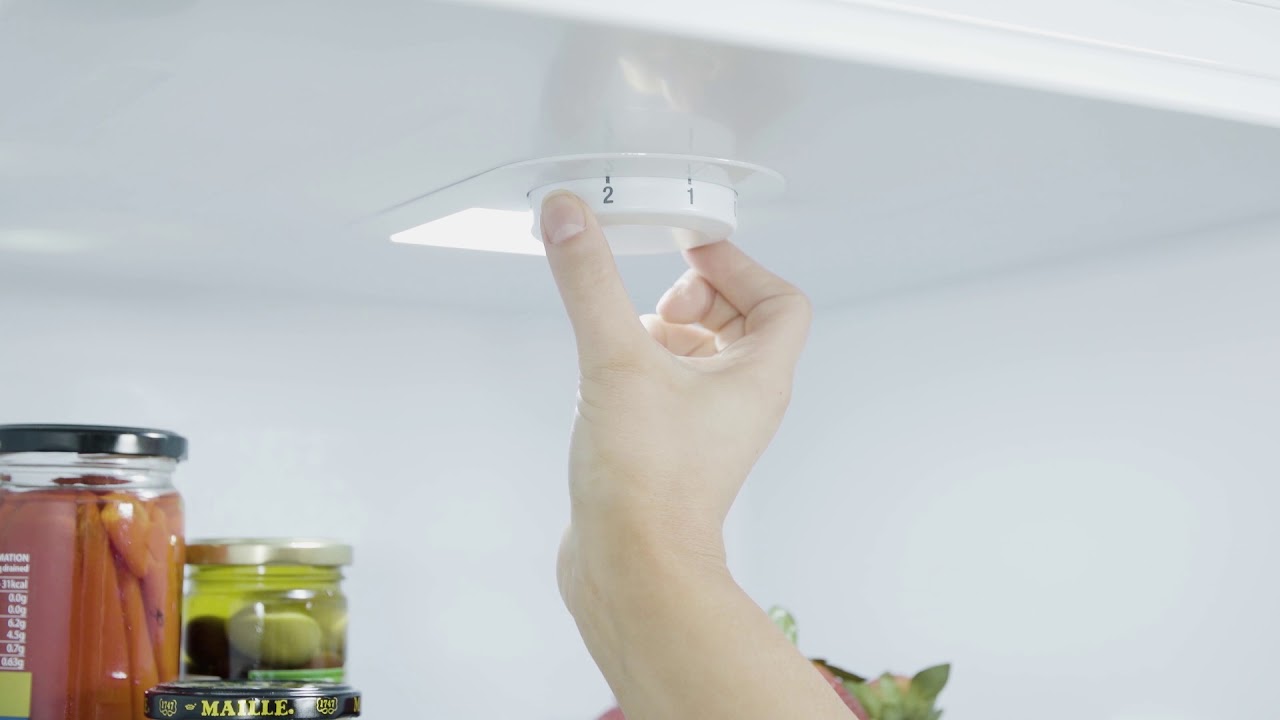
Your fridge has a temperature control. This is usually a dial. It shows numbers. These numbers adjust cooling levels. Higher numbers mean colder. Lower numbers mean warmer.
Setting The Right Temperature
A setting of ‘1’ is often the warmest. A setting of ‘5’ is typically the coldest. This is a common setup. Some fridges use different scales. Always check your manual.
Why Temperature Matters
Food safety depends on temperature. Cold temperatures slow bacteria growth. This keeps food from spoiling. Too warm, and food goes bad. Too cold, and food can freeze.
Finding Your Fridge’s Sweet Spot
Most fridges work well in the middle. Settings ‘2’ or ‘3’ are good starting points. Use a thermometer. Check the actual temperature inside. Aim for 35-40°F (1.7-4.4°C). This range is ideal. Adjust as needed.
The Mystery Of Fridge Numbers
Fridge numbers hold a secret. Many people wonder about them. What do they really mean? It’s a common question.
The mystery surrounds fridge dials. You see numbers inside. They range from one to five. Or maybe one to seven. What setting is best? This causes confusion.
Low numbers mean warmer. High numbers mean colder. It is that simple. A ‘1’ is the warmest setting. A ‘5’ is the coldest. Your fridge works hard. It keeps food fresh. The dial controls its effort. More effort means colder. Less effort means warmer.
5 Best Collapsible 5 Gallon Water Container: Tested for Camping & Emergency Prep
Think of it like a dial. It controls the cooling power. Lower settings use less power. Higher settings use more power. This affects the temperature inside. You want the right temperature. Food spoils too fast if warm. Food can freeze if too cold. Finding the balance is key.
High Number, Cold Air?
High number, cold air? This is a common question. Many people wonder about fridge settings. Does a higher number mean colder food? Let’s explore this. We will uncover the truth. Your refrigerator’s dial can be confusing. It controls how cold your food gets. We will break it down simply.
The dial has numbers. These numbers represent settings. A higher number usually means colder. It tells the fridge to work harder. It keeps the inside very cool. Think of it as a strength setting. More strength equals colder temperatures. This keeps your food fresh longer. It prevents spoilage. Always check your manual. It has specific details. Your fridge model may differ. But the general rule holds true.
Higher numbers mean colder. Lower numbers mean warmer. Setting 1 is the warmest. Setting 5 is the coldest. This is a simple way to remember. It applies to most fridges. Adjust the dial as needed. Your food will be safe. It will stay at the right temperature. This helps avoid food waste. It saves you money too. A properly set fridge is efficient. It runs smoothly. It keeps your groceries perfect.

Credit: www.domex-uk.co.uk
Low Number, Warm Thoughts?
Your fridge settings can be confusing. Does a higher number mean colder? Let’s clear this up. The dial’s number indicates cooling intensity. Higher numbers often mean colder.
You see a dial. It has numbers. Some are low. Some are high. What do they mean? Does a low number mean cold? Or does it mean warm? Let’s explore this. It is a common question. Many people wonder.
What Does A Low Setting Do?
A low number setting seems simple. You might think it means less cold. This is often true. The dial controls the cooling power. A lower number means less power. The fridge will run less. It will not get as cold. So, low numbers mean warmer temperatures. Your food might not stay fresh.
Understanding The Numbers
Fridge numbers are not always direct. They are a guide. A setting of 1 is usually the warmest. A setting of 5 is often the coldest. Some fridges use different scales. Some might have 0 to 9. Always check your manual. It has the exact details.
Why Use A Low Setting?
People sometimes use low settings. They might do this for a reason. Perhaps the fridge is too cold. Food is freezing. The lowest setting stops this. It keeps food from freezing. It also saves energy. The fridge works less. This uses less electricity.
Is Your Fridge Too Warm?
If your food spoils fast, check the dial. A low number might be the cause. Your fridge needs to be colder. Turn the dial up. Aim for a higher number. This will make the fridge colder. Your food will stay fresh longer.
Why The Confusion?
The confusion about fridge temperature settings is common. Many people wonder about the numbers. Does a higher number mean colder? Or does it mean warmer? This uncertainty is understandable. It affects how we store our food.
Fridge dials use numbers. These numbers lack clear labels. They do not show exact degrees. This makes them hard to interpret. People guess what the numbers mean. They want to keep food fresh. Wrong settings can spoil food. This leads to worry and questions.
Numbering Systems Vary
Different brands use different systems. One brand’s “3” is another’s “5.” This inconsistency adds to confusion. There is no universal standard. A low number might be cold. A high number could be warm. It depends on the manufacturer. Users must learn each fridge. This is not always easy.
Perception Vs. Reality
We often think higher numbers mean more. More power. More cold. This seems logical to many. It is a common human tendency. We link numbers to intensity. But fridge numbers work differently. They control a thermostat’s range. A higher number means a wider range. The fridge runs longer. This makes it colder. It is not always intuitive.
The Goal: Optimal Temperature
The main goal is food safety. Food stays fresh at a certain temperature. Too warm, and bacteria grow. Too cold, and food can freeze. Finding the right setting is key. This is why understanding the dial matters. Confusion can lead to food waste. It can also waste energy.
Credit: homewarranty.firstam.com
Optimal Fridge Temperatures
Setting your refrigerator correctly keeps food fresh. It also prevents spoilage. The right temperature is key. This range helps preserve nutrients. It also stops bacterial growth. We explore optimal fridge temperatures. Learn what works best.
Your fridge needs a specific cool zone. This zone is between 35°F and 40°F. This is the safest range. Food stays good here longer. The freezer should be colder. Aim for 0°F in the freezer. These temperatures matter greatly. They impact food safety directly. Check your fridge’s thermometer. Ensure it stays in this zone.
Understanding Fridge Thermostat Settings
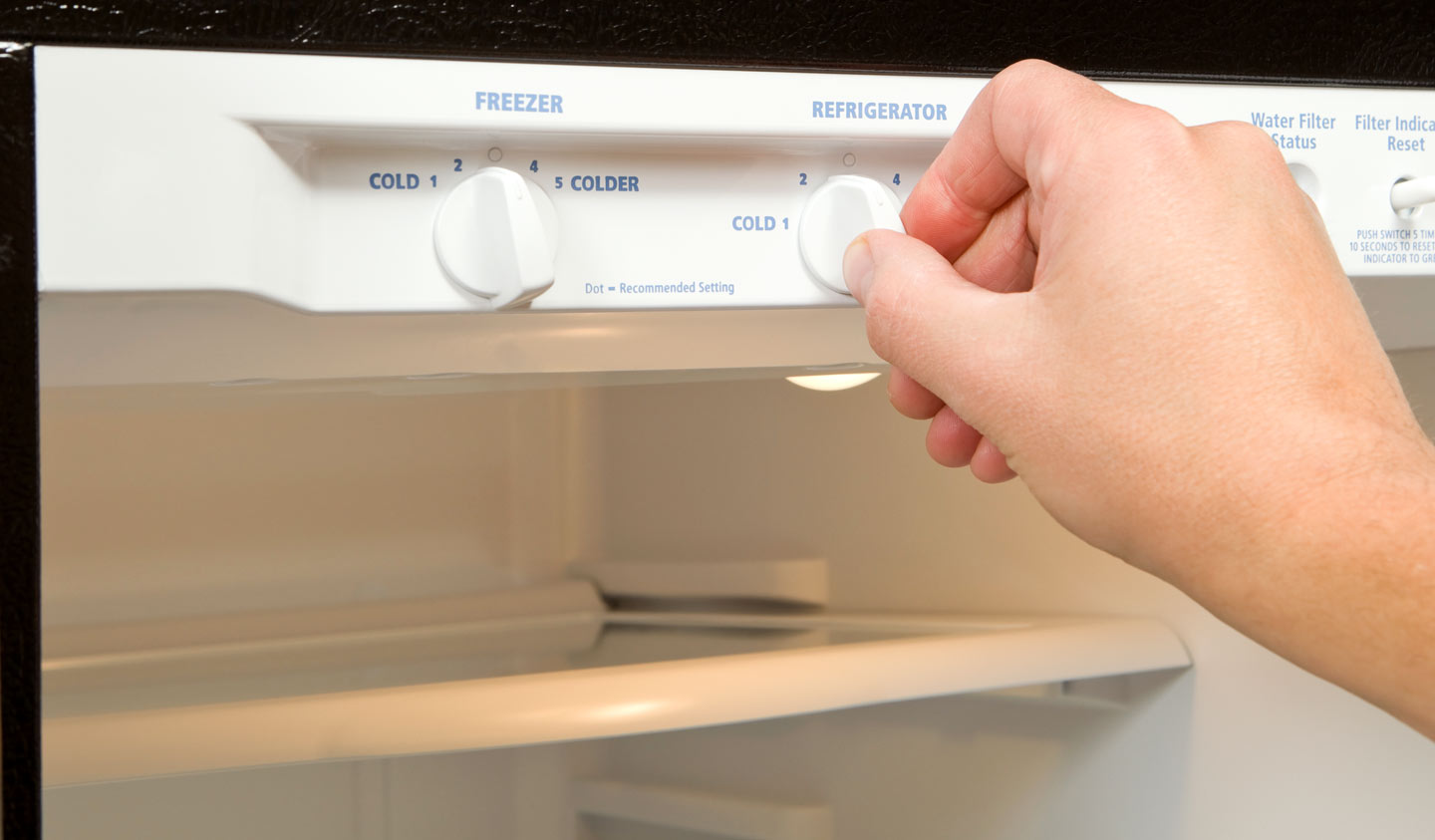
Fridge dials have numbers. These numbers control temperature. Higher numbers mean colder. Lower numbers mean warmer. So, 5 is colder than 1. This can be confusing. Always check your manual. It explains your specific model. Don’t guess the setting. Know what each number does.
The Coldest Setting Explained
The highest number is coldest. This is usually 5. It makes the fridge run more. This lowers the internal temperature. Setting it to 5 makes it very cold. This can freeze some items. It might be too cold for some foods. Check for frost buildup. This indicates it’s too cold. Adjust the dial down if needed.
Checking Your Fridge’s Actual Temp
Do you wonder about fridge settings? Many think a higher number means colder. Actually, the dial controls cooling intensity.
Understanding your fridge’s temperature is key. Settings are not always clear. Numbers can be confusing. Let’s check the real temperature.
Use A Thermometer
A fridge thermometer is helpful. It shows the actual coldness. Place it in the middle shelf. Leave it overnight. This gives an accurate reading.
What Is The Ideal Temp?
Your fridge should be cold. Not too cold, not too warm. The best temperature is 37°F. This keeps food safe. It also prevents spoilage.
Adjust The Dial
Compare your reading to 37°F. Your fridge has a dial. It might be numbers or symbols. A higher number usually means colder. A lower number means warmer. Adjust the dial slowly. Check the temperature again. Repeat until it is right.
Door Seal Check
A leaky door seal causes problems. Cold air escapes easily. Warm air gets inside. This makes the fridge work harder. Check the seal for damage. Ensure it closes tightly. A good seal saves energy. It keeps food fresh longer.
Credit: www.beko.co.uk
Troubleshooting Temp Issues
Troubleshooting fridge temperature issues is important. Your food needs the right cold. This section helps you find problems. It guides you to fix them. Simple steps make a difference. Your fridge will work better.
Is your fridge too warm? Is it too cold? You might have a temperature problem. Check the thermostat first. The dial controls the cold. A higher number means colder. A lower number means warmer. This is a common point of confusion.
Door seals are critical. Check them for damage. Are they torn or worn? A bad seal lets warm air in. Cold air escapes. This makes the fridge work harder. It also affects temperature. Clean them regularly too. This ensures a good seal.
Airflow is also key. Do not overpack your fridge. Food blocks vents. Cold air cannot circulate. This creates warm spots. Rearrange items for better flow. Leave space between food items. This helps maintain even temperatures.
Listen for unusual noises. A humming sound is normal. Grinding or loud clanking is not. These noises can signal a problem. They might relate to the compressor. The compressor is the fridge’s heart. A failing compressor affects cooling.
Check the condenser coils. They are usually at the back. Dust and debris collect there. Dirty coils make the fridge inefficient. They cannot release heat properly. Clean them gently with a brush. This improves cooling performance.
Frequently Asked Questions
What Do Fridge Number Settings Mean?
Fridge numbers typically represent a range of temperatures. Higher numbers usually mean a colder setting. Lower numbers indicate a warmer setting. It’s a simple scale to control your appliance’s cooling power.
Is 5 Colder Than 1 On A Fridge?
Yes, the number 5 is generally colder than 1. Most refrigerators use a scale where higher numbers indicate a colder temperature. This allows you to fine-tune how cold your food gets.
Does Fridge Setting 1 Mean Warmest?
Setting your fridge to 1 usually means the warmest temperature. This setting uses the least cooling power. It’s ideal if your fridge is already too cold or for less sensitive items.
What Is The Coldest Fridge Setting?
The coldest setting on your fridge is typically the highest number. This will be the setting that provides the most cooling. Use this if your food isn’t staying cold enough.
Conclusion
Your fridge number matters. Higher numbers mean colder. Setting 5 is colder than setting 1. Keep food fresh longer. Check your fridge manual. It has more details. Enjoy your perfectly chilled food.