How to Measure a Camper for a Cover: The $500 Mistake
When you’re getting ready to buy a cover for your camper, measuring it the right way is key. A good fit protects your camper from sun, rain, dust, and snow, but a bad fit can let water in or even damage the finish.
Many people guess their camper’s size or just use the manufacturer’s listed length. This leads to covers that are too loose, too tight, or leave parts exposed. The process isn’t hard, but you must know exactly what to measure—and what not to.
This guide will show you exactly how to measure a camper for a cover, step by step. Whether you have a travel trailer, fifth wheel, pop-up camper, or motorhome, you’ll find out what tools you need, which measurements matter most, and what mistakes to avoid.
Plus, you’ll learn a few expert tips most beginners miss, so you get the cover that fits just right.
How To Measure A Camper For A Cover
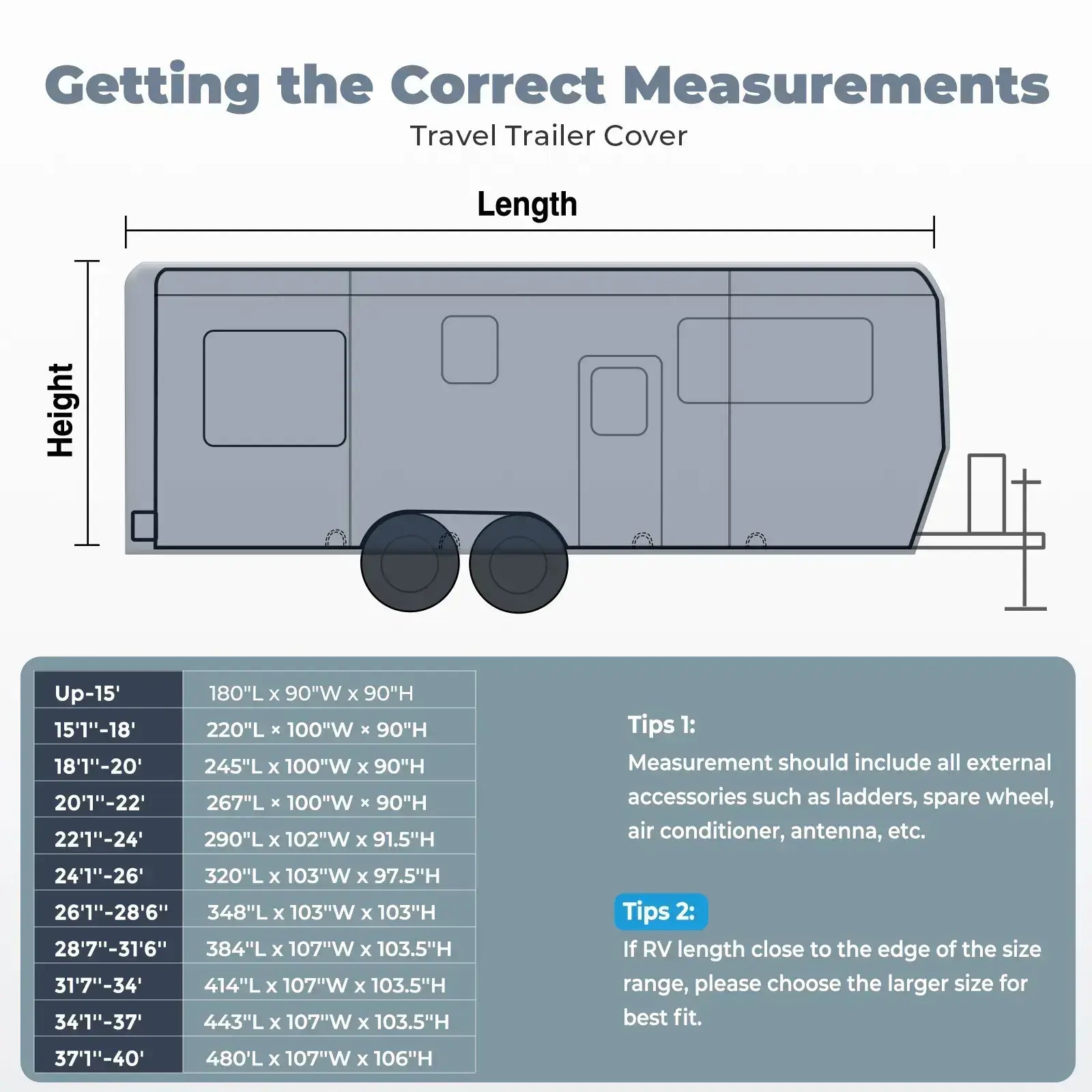
To measure a camper for a cover, use a metal tape measure and measure the length, width, and height of your camper. Always measure from the longest and widest points, including bumpers, ladders, spare tires, and mirrors, unless the cover brand says otherwise.
Do not include the tongue or hitch in the length. Write down all measurements in feet and inches, and double-check before buying a cover.
Let’s break down each step in detail:
Gather Your Tools
You’ll need:
- A metal tape measure at least 25 feet long
- A notepad and pen (or your phone)
- A ladder for tall campers
- A helper if possible
A metal tape measure is more accurate than a soft one, especially for long or high campers. A helper makes it easier to keep the tape straight and read measurements at tricky spots.
Measure The Length
- Start at the rearmost point of your camper (often the bumper or spare tire).
- Stretch the tape to the frontmost point (the front wall, not the tongue or hitch).
- Include anything that sticks out from the main body, like a ladder or rear-mounted spare tire.
- Don’t include the hitch, propane tanks, or tongue jack. Most covers are made for the main box, not the hitch.
Example: If your camper’s main body is 20 feet, but the spare tire adds another foot, your total length is 21 feet.
Measure The Width
- Measure the widest part of your camper.
- Usually, this is from one side wall to the other, including awnings, handles, or side mirrors if they can’t be removed.
- If you have slide-outs, measure with them retracted—covers are designed for storage, not camping mode.
Measure The Height
- Place your tape measure at the ground (not the top of the tire, but the ground).
- Measure up to the highest fixed point on your roof (usually the air conditioner or roof vent).
- Don’t include removable antennas or TV dishes unless they stay up during storage.
Tip: If your driveway isn’t level, try to measure on the flattest spot. Even a small slope can change your height reading by an inch or two.
Record All Measurements
Write down your:
- Total length (in feet and inches)
- Width (at the widest point)
- Height (from ground to highest fixed point)
Double-check each number before moving on. One wrong digit can mean a cover that doesn’t fit.
Compare To Cover Sizing
Covers are usually sold in size ranges (for example, “fits 20–22 ft campers”). Choose a cover where your camper’s length fits inside the range, not at the very edge. If your camper is 22 feet exactly, buy a 22–24 foot cover for a looser fit or a 20–22 foot cover for a snug fit—always check the cover manufacturer’s advice.
How to Level a Pop Up Camper? Pop Up Camper in Half the Time (No Stress Setup)
Key Measurements Explained
Not all measurements matter the same way. Here’s how each one affects the fit:
Length
This is the most important measurement. Covers are designed to go over the entire body, so if you miss a ladder or spare tire, those will stick out and get wet. Never include the tongue or hitch unless the cover says so.
Width
Width matters less than length, but a cover that’s too narrow won’t fit. If your camper is extra wide because of fixed ladders or awnings, make sure to include them. Some covers are designed to stretch a bit, but not all.
Height
Covers need to reach the bottom of your camper’s body (not the wheels). If your camper has roof-mounted AC or solar panels, include them in your measurement. But don’t include things you’ll remove before storage.
Measuring Different Types Of Campers
Not every camper is the same shape. Here’s how to measure each type:
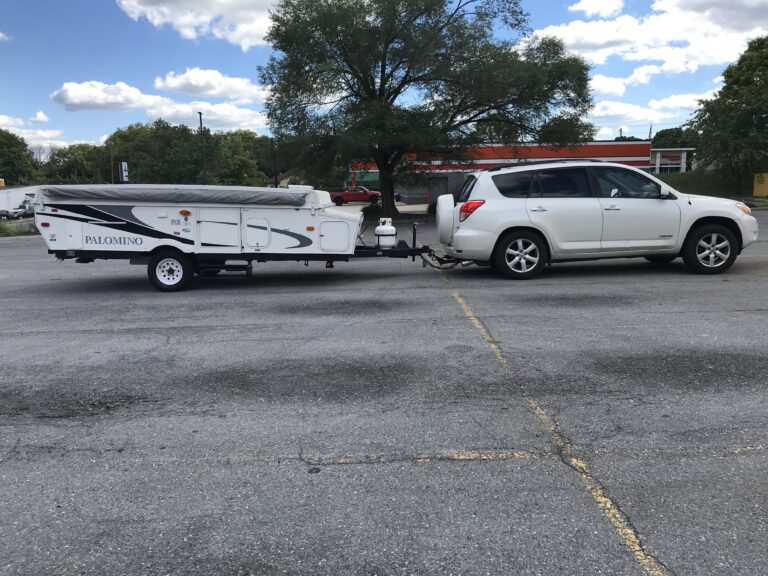
Travel Trailers
- Measure the box only (from the back bumper to the front wall).
- Do not include the tongue.
- Include any rear or side accessories.
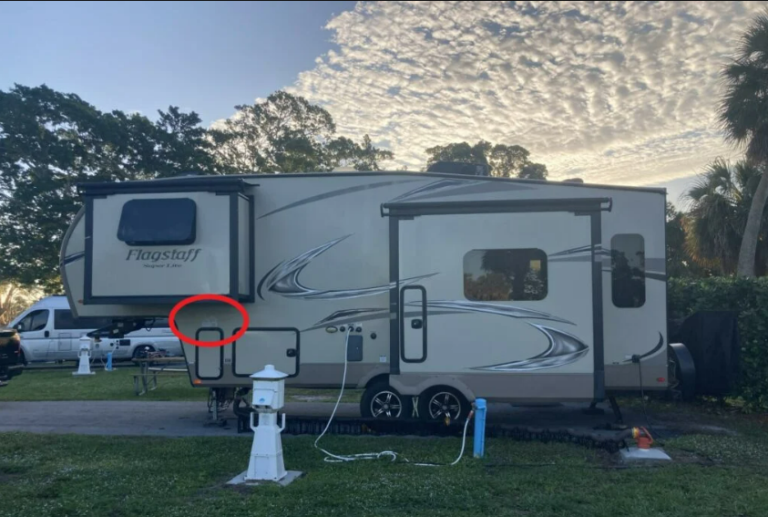
Fifth Wheels
- Start from the rearmost point to the front wall under the overhang.
- Do not include the kingpin or overhang itself.
- Measure the height to the top of the AC or any fixed roof feature.
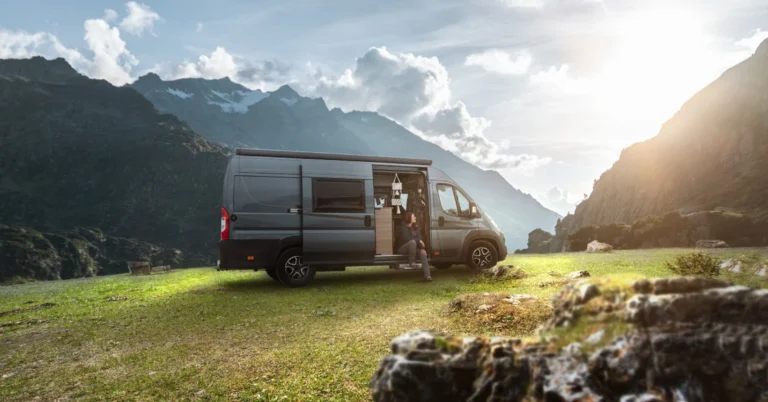
Class A, B, And C Motorhomes
- Measure from the back bumper to the front bumper (including mirrors if they don’t fold in).
- For Class C, include the cab-over portion if it’s fixed.
- Measure height from ground to highest point on the roof.
Pop-up Campers
- Measure the box with the roof closed (not popped up).
- Include spare tires or rear racks if you don’t remove them for storage.
- Width is usually just the main box; don’t include extendable beds.
Truck Campers
- Measure from the front wall (behind the cab) to the rear (including the overhang if it sticks out).
- Measure width at the widest fixed part.
- Height is from the bottom of the camper to the highest point on the roof.
Common Mistakes To Avoid
- Including the Hitch in Length: This can make the cover too long and loose at the front.
- Forgetting Accessories: Spare tires, ladders, or racks all add length or width.
- Not Measuring the Highest Point: Missing the AC or solar panels can leave them exposed.
- Buying “Universal” Covers: These rarely fit well and may flap in the wind.
- Ignoring Manufacturer Instructions: Some covers are designed to cover the hitch or certain accessories—always check the label.

Comparison: Camper Types And What To Include In Measurements
Here’s a quick reference for different campers:
| Camper Type | Include in Length | Include in Width | Include in Height |
|---|---|---|---|
| Travel Trailer | Body, spare tire, ladder | Awnings, handles | AC, roof vents |
| Fifth Wheel | Body under overhang | Fixed accessories | AC, fixed roof items |
| Class A/B/C Motorhome | Front to rear bumpers | Mirrors if fixed | AC, cab-over (Class C) |
| Pop-up Camper | Closed box only | Main box | Roof, closed |
| Truck Camper | Front wall to rear overhang | Widest fixed part | Roof (highest point) |
Example: Measuring A 24-foot Travel Trailer
Let’s walk through a real example. You own a travel trailer with:
- Main box: 23 feet
- Rear bumper with ladder: Adds 1 foot
- Front wall to rear bumper (including ladder): 24 feet
- Width (including awning): 8.5 feet
- Height (ground to top of AC): 11 feet
So, you should look for a cover that fits campers 24 feet long, at least 8.5 feet wide, and 11 feet tall. Double-check the cover’s specs—some are only 8 feet wide or 10 feet tall.
Practical Tips Most People Miss
- Measure twice, buy once. Re-check every measurement, especially if you measured alone.
- Check cover shape. Some covers have rounded corners; if your camper is boxy, make sure the cover won’t be too tight at the edges.
- Add padding at sharp points. Roof racks, solar panels, or sharp accessories can wear through covers over time. Use pool noodles or foam pipe to protect the cover.
- Buy for your climate. If you live in a windy area, a snug fit matters more than in calm places. Extra flapping can rip the cover.
- Consider zipper locations. Some covers have zipper doors—make sure the zippers align with your camper’s doors or storage hatches.
- Store your measurements. Keep them handy for future reference; you won’t want to climb on the roof again next year.
Camper Cover Sizing: Brand Differences
Covers are not all sized the same way. Here’s a quick look at how three popular brands size their covers:
| Brand | Length Sizing | Includes Accessories? | Comments |
|---|---|---|---|
| ADCO | Body only | No | Do not include tongue or bumpers |
| Classic Accessories | Body + rear accessories | Yes (sometimes) | Check model for details |
| Camco | Body only | No | Always measure main box only |
Always read the product’s measurement instructions before buying. If you’re unsure, contact the manufacturer.
What If Your Camper Is Between Sizes?
If your camper is between two sizes, it’s usually best to:
- Size up if you have extra accessories (spare tire, ladder, etc.) Or want a looser fit.
- Size down if you want a snug fit and your accessories are removable.
A cover that’s too big can flap in the wind, which wears out the fabric faster. One that’s too small may not cover everything and could rip.
Storing And Using Your Camper Cover
Once you’ve measured and bought the cover:
- Clean your camper before covering, so dirt doesn’t scratch the paint.
- Pad sharp points with foam or old towels.
- Install the cover on a calm day to avoid fighting the wind.
- Secure straps tightly but don’t overtighten—this can tear the cover.
Inspect the cover and your camper every few weeks, especially after storms or high winds.
Why Precise Measurement Matters
A well-fitted cover:
- Keeps out rain, snow, and dust
- Reduces sun damage
- Stops wind from getting under the cover and ripping it
- Prevents rodents from making nests under loose fabric
A poor fit can do more harm than good. Too much slack means flapping and tearing; too tight means the cover may rip or not reach the bottom.
Where To Find More Help
If you want to see more examples or compare cover brands, check out resources like RV.com for guides and reviews on camper covers.
Frequently Asked Questions
What If My Camper Has A Roof Rack Or Solar Panels?
Always include fixed roof racks or solar panels in your height measurement. Removable items can be taken off before covering, but anything permanent should be part of your measurement.
Should I Measure With The Jacks Down Or Up?
Measure with your camper on level ground and the jacks up (retracted). This gives the most accurate height, especially for covers designed to reach the bottom of the body.
Can I Use A Car Or Truck Cover For My Camper?
No, car or truck covers are not shaped or sized for campers. They won’t fit the corners, accessories, or height of most campers.
Is It Okay If My Cover Is A Little Too Big?
A slightly oversized cover is better than one that’s too small, but too much extra fabric will flap in the wind and wear out faster. Use padding and extra straps to secure any slack.
How Often Should I Replace My Camper Cover?
With normal use, a quality camper cover lasts 3–5 years. Sun, wind, and sharp edges can wear them out sooner. Inspect your cover regularly for rips or thin spots.
Getting your camper cover measurement right takes a few extra minutes but saves you money and hassle for years. Take your time, double-check your numbers, and you’ll keep your camper looking its best—no matter the weather.