Can a Ford Maverick Pull a Camper? (Limits, Weights, and What You Need to Know)
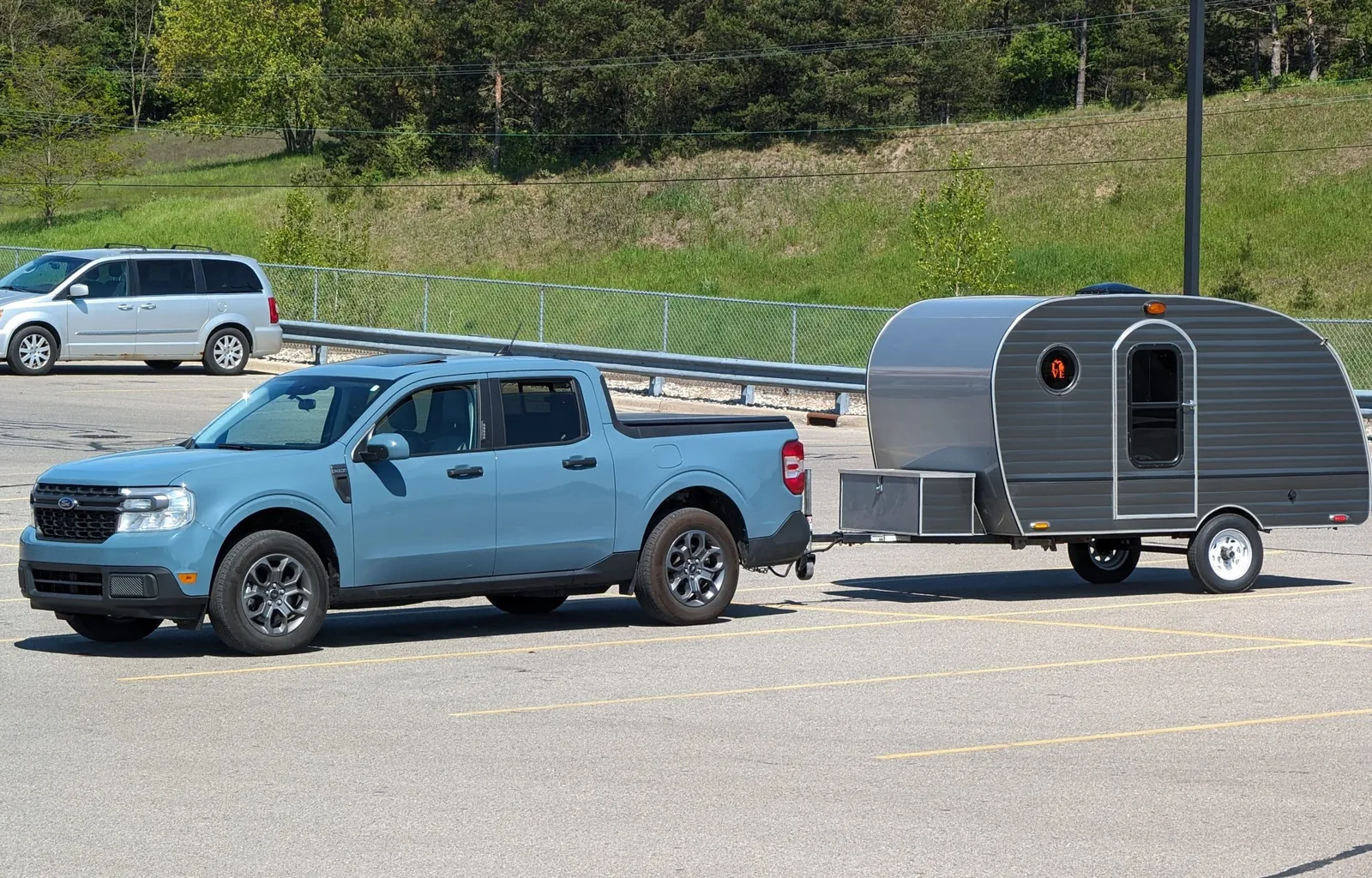
Yes, a Ford Maverick can pull a camper, but the maximum weight depends on your configuration. The standard front-wheel-drive model handles up to 2,000 pounds, while adding the optional 2.0-liter turbo engine and tow package raises that limit to 4,000 pounds.
You must know your exact engine type and check the camper’s dry weight before hitching up, as exceeding these numbers risks damaging the truck or causing an accident.
How Much Can a Ford Maverick Actually Pull
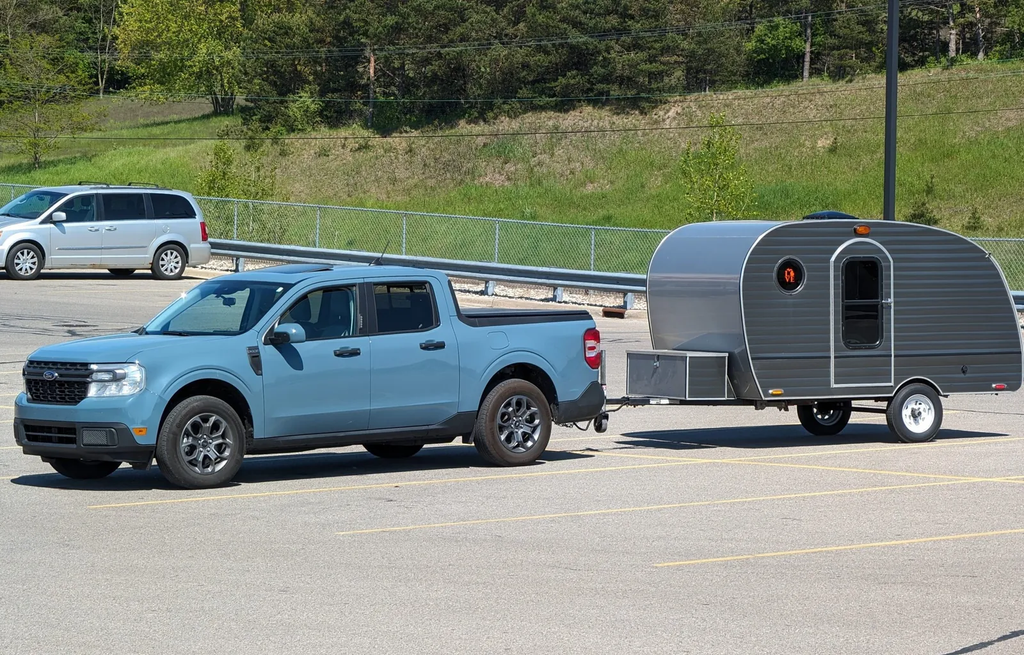
The Ford Maverick towing capacity depends entirely on which engine you have and whether you bought the factory tow package. The base model comes with a 2.5-liter hybrid engine that pairs with front-wheel drive, and this setup allows you to pull a maximum of 2,000 pounds. This configuration works for very small trailers or lightweight pop-up campers, but leaves little room for error.
If you need to pull a heavier camper, you must choose the available 2.0-liter EcoBoost engine. This turbocharged engine connects to an all-wheel-drive system and requires the optional 4K Tow Package to reach its full potential.
With this specific combination, the truck can safely tow up to 4,000 pounds. This higher rating opens the door to small travel trailers, teardrop campers, and larger utility trailers that the hybrid can’t handle. The engine alone doesn’t grant this power; the tow package includes a heavier-duty radiator, upgraded cooling fans, and a different rear axle ratio.
| Engine Configuration | Drive Type | Required Package | Maximum Towing Capacity | Best Camper Types |
| :— | :— | :— | :— :— |
| 2.5L Hybrid | Front-Wheel Drive | None (Standard) | 2,000 lbs | Pop-ups, tiny teardrops, cargo trailers |
| 2.0L EcoBoost | All-Wheel Drive | 4K Tow Package | 4,000 lbs | Small travel trailers, larger teardrops, boat trailers |
You can’t mix and match these parts to get higher numbers. A hybrid truck can’t be upgraded later to tow 4,000 pounds because the transmission and cooling systems differ. Similarly, having the 2.0-liter engine without the tow package usually limits you to 2,000 pounds, depending on the model year and specific equipment list. Check the sticker on your driver-side door jamb for your exact rating. Exceeding the Gross Combined Weight Rating is dangerous and voids warranties.
5 Best Collapsible 5 Gallon Water Container: Tested for Camping & Emergency Prep
How Heavy Is Your Camper Really?
Many new tower make the mistake of looking only at the “dry weight” listed in a brochure, which leads to dangerous overloading situations. Dry weight is the mass of the camper when it leaves the factory, meaning it has no water, no propane, no food, no clothes, and no camping gear inside.
As soon as you fill the fresh water tank, add a battery, and pack your suitcases, the actual weight on the hitch grows significantly. A camper that looks light on paper can easily exceed the 2,000 pound limit of a hybrid Maverick once it’s ready for the road.
Water is the biggest hidden weight factor because one gallon of water weighs roughly 8.3 pounds. If your camper has a 20-gallon fresh water tank, that adds over 160 pounds before you even turn the key. Propane tanks, generators, bicycles, and kitchen drawers add hundreds more.
You need to calculate the “wet weight” by taking the dry weight and adding about 15% to 20% for your personal gear and fluids. For a 4,000-pound rated truck, this buffer gives flexibility, but for a 2,000-pound rated truck, that margin disappears.
Tip: Weigh your fully loaded camper at a public scale before your first long trip to ensure you’re under the limit.
It’s also vital to distinguish between total trailer weight and tongue weight. Tongue weight is the downward force the trailer tongue puts on the hitch ball, and it should generally be 10% to 15% of the total trailer weight. If you have a 4,000-pound camper, the tongue should push down with 400 to 600 pounds of force.
The Ford Maverick has a maximum tongue weight rating that you must not exceed, regardless of the total towing capacity. Overloading the tongue can crush the rear suspension or cause tire failure. Conversely, too little tongue weight makes the trailer sway dangerously from side to side, which can flip the rig at highway speeds.
When shopping for a camper, look for models specifically designed for low-weight towing. Pop-up campers are excellent choices because their canvas sides and lack of heavy insulation keep them light. Teardrop trailers are another popular option, often weighing between 1,000 and 2,500 pounds depending on size and amenities. Avoid large travel trailers with slide-outs or multiple axles, as these exceed the Maverick’s capabilities. The physics of stopping a heavy trailer don’t forgive guesswork.
Is the 4K Tow Package Worth It?
Deciding whether to buy the 4K Tow Package depends on what you plan to haul now and what you might want to pull in the future. If you only intend to drag a small empty cargo trailer for moving furniture or a single dirt bike, the standard hybrid setup might suffice. However, for anyone interested in actual camping with sleeping quarters, bathroom facilities, or kitchenettes, the upgrade is practically mandatory.
The package includes more than just a hitch receiver bolted to the frame. It integrates a trailer brake controller into the dashboard, which lets you apply the trailer’s brakes manually or automatically when you slow down. Stopping a 3,500-pound camper with only the truck’s brakes is terrifying and unsafe, especially on downhill grades. The upgraded radiator and cooling fans prevent the engine from overheating when working hard, which is a common failure point for trucks not built for towing.
Another major benefit is the wiring harness and software integration. The truck’s stability control system adjusts specifically for trailer sway when it detects the tow package is active. It can apply individual brakes or cut engine power if it senses the trailer starting to fish-tail. This electronic help is invisible until you need it, but it provides a safety net that aftermarket hitches can’t match.
Consider the resale value as well. A Maverick equipped with the tow package holds its value better because it appeals to a wider range of buyers. If you plan to keep the truck for five years or more, the initial cost of the package pays for itself in utility and long-term ownership confidence.
Can You Tow Safely Without Experience?
Towing a camper changes how your vehicle drives, and ignoring these changes is the leading cause of accidents for new towers. The most immediate difference is braking distance. A loaded camper adds momentum that the truck’s brakes must overcome, meaning you need much more space to stop than when driving alone. At highway speeds, your stopping distance can double or triple depending on the load. You must start slowing down much earlier for red lights, stop signs, and traffic jams.
Steering also feels different, particularly when backing up. When you turn the steering wheel to the right while reversing, the trailer goes to the left, which is the opposite of normal driving logic.
Small corrections on the steering wheel result in large movements at the back of the trailer, making it easy to jackknife if you move too fast. The best practice is to place your hand at the bottom of the steering wheel; move your hand left to go left, and right to go right.
Wind and passing trucks affect a small vehicle like the Maverick more than a large pickup. A semi-truck passing you at 60 miles per hour creates a pressure wave that can shove your camper sideways. You need to grip the wheel firmly and be prepared to steer slightly into the wind to maintain your lane. Speed is another factor; driving faster than 55 miles per hour increases the risk of trailer sway and reduces your ability to react to emergencies.
Hill climbing requires patience and proper gear selection. The turbo engine has power, but constant climbing generates heat. Use the manual shift mode or lower gears to keep the engine RPMs up, which helps the cooling fan spin faster and keeps temperatures down. On the way down, never ride your brakes, or they will fade and stop working. Shift into a lower gear and let the engine compression slow the truck down, using the brakes only for final stops.
What Mistakes Ruin the Setup?
Why Does the Trailer Sway So Much?
Trailer sway happens when the tongue weight is too low or the load is distributed incorrectly inside the camper. If you pack all your heavy items in the back of the trailer, it lifts the tongue and makes the rear end unstable, causing the trailer to oscillate side to side.
To fix this, move about 60% of your cargo weight toward the front of the trailer, directly over the axle or slightly ahead of it. If sway starts while driving, don’t hit the brakes hard, as this makes it worse; instead, use the manual trailer brake controller if equipped, or gently accelerate to pull the trailer straight.
What Happens If I Exceed the Weight Limit?
Exceeding the weight limit stresses components that weren’t designed to handle the load, leading to premature failure or catastrophic accidents. The transmission can overheat and slip, the brakes may fail to stop the rig, and the frame could bend or crack over time. Insurance companies may deny claims if they discover you were towing above the rated capacity, leaving you personally liable for all damages.
Why Is My Truck Struggling on Hills?
Struggling on hills often indicates that the cooling system is overwhelmed or the gear ratio is too tall for the load. If you don’t have the tow package, the radiator may not be large enough to dissipate the heat generated by climbing steep grades with a heavy load. Using the wrong gear forces the engine to work harder than necessary; drop to a lower gear to increase RPMs and improve cooling airflow.
Frequently Asked Questions
Can I Add a Tow Package Later?
No, you can’t officially add the factory 4K Tow Package after purchase because cooling upgrades and wiring are installed during assembly. Aftermarket hitches don’t provide the official 4,000-pound rating or integrated sway control software. Your legal towing limit remains the original door sticker rating, and exceeding it voids your warranty.
Does the Hybrid Model Have Enough Power?
The hybrid model lacks sustained cooling capacity for heavy towing despite adequate torque for light hauling. It handles 1,200-pound campers on flat roads but struggles near its 2,000-pound limit on mountain climbs. Choose the gas-only EcoBoost engine if your trips involve steep terrain or heavy loads.
What License Do I Need to Tow?
A standard driver’s license covers towing a camper under 10,000 pounds with a Ford Maverick in most US states. Laws vary by jurisdiction, so verify local regulations before crossing borders or towing commercially. Always check with your Department of Motor Vehicles to ensure your license class matches your intended activities.
How Does Towing Affect Gas Mileage?
Towing a camper often cuts fuel economy in half due to aerodynamic drag forcing the engine to work harder. A Maverick getting 30 mpg alone may drop to 12–15 mpg when pulling a 3,000-pound trailer. Plan routes around fuel stations and budget for higher travel costs.
Can I Tow in Rain or Snow?
You can tow in rain or snow, but wet roads reduce traction and increase stopping distances dramatically. Snow hides hazards that could damage equipment, making severe conditions unsafe for travel. Ensure adequate tire tread and postpone trips until weather clears if necessary.
What Is the Best Hitch Class for This Truck?
The Ford Maverick uses a Class II or Class III hitch receiver depending on configuration. A Class III hitch supports the 4,000-pound maximum of the 4K Tow Package and must bolt directly to frame rails. Using a hitch rated lower than your trailer weight violates safety standards.
Conclusion
Choosing the right camper for your Ford Maverick starts with knowing your truck’s specific limits and respecting them completely. Measure your gear honestly, invest in the proper equipment, and drive with the understanding that you’re managing two vehicles, not one. Safe towing lets you enjoy the freedom of the road without worrying about mechanical failure or losing control on the highway.