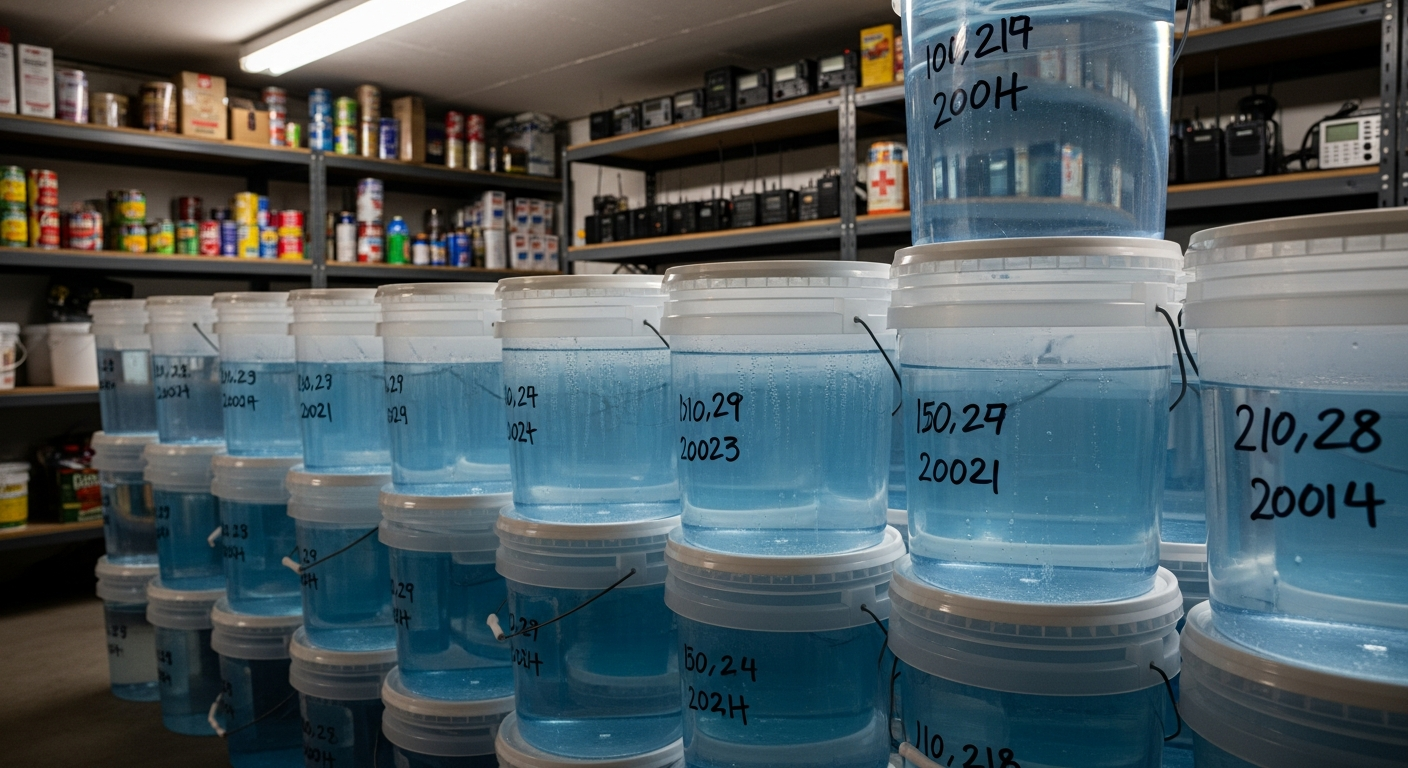
Can You Store Water in 5 Gallon Buckets? Safety, Prep, and Best Practices
Can You Store Water In 5 Gallon Buckets?
The answer is a resounding yes, but with important considerations regarding the type of bucket, preparation, and maintenance. Understanding these nuances is crucial to ensure the water you store remains potable and safe for consumption when you need it most.
5-gallon buckets offer a compelling combination of affordability, accessibility, and capacity, making them an attractive option for many. They are easy to find, often at a low cost, and their size is manageable for most individuals to handle when full.
However, the material of the bucket and how it’s prepared are paramount to preventing contamination and ensuring the water’s longevity. Not all plastic buckets are created equal, and using the wrong kind can introduce harmful chemicals into your stored water, rendering it unsafe. This guide will explore the specifics of using 5-gallon buckets for water storage, covering the best types of buckets to use, proper cleaning and preparation methods, essential storage conditions, and how to maintain your water supply over time.
Basic Of 5 Gallon Buckets For Water Storage
The primary concern when using any container for water storage, especially for drinking, is food safety. Not all plastic products are designed to hold consumables. Many plastic buckets are manufactured for industrial purposes, such as holding chemicals, paints, or non-food-grade materials. These can leach harmful substances into the water, even after cleaning. Therefore, the first and most critical step is to identify the correct type of bucket.
Food-grade Buckets: The Gold Standard
For storing potable water, you must use food-grade 5-gallon buckets. These buckets are specifically manufactured from plastics that are deemed safe for contact with food and beverages. They are made from materials like high-density polyethylene (HDPE), which is typically marked with a recycling symbol #2. Food-grade plastics are designed not to leach chemicals into the contents, even with prolonged contact.
How to identify a food-grade bucket:
- Look for the recycling symbol: A triangle with a number inside. Look for the number 2 (HDPE), 4 (LDPE), or 5 (PP). HDPE (#2) is generally considered the best and most common for water storage.
- Check for labels or markings: Many food-grade buckets will explicitly state “Food Grade” or have symbols indicating their suitability for food contact. These might be embossed directly onto the plastic or on a sticker.
- Source of purchase: Buying buckets from reputable suppliers that sell them specifically for food storage or water storage is a good indicator. Restaurants, bakeries, and food processing facilities often use these buckets and may sell them secondhand.
Warning: Even if a bucket has a #2 recycling symbol, it’s not automatically guaranteed to be food-grade if it was previously used for non-food items like chemicals or cleaning supplies. Always err on the side of caution and purchase new, certified food-grade buckets if possible, or thoroughly clean and sanitize buckets that you know previously held food-grade items.
Previous Use Of Buckets
If you are considering using repurposed buckets, extreme caution is advised. Buckets that previously held non-food items, especially chemicals, pesticides, oils, or strong cleaning agents, should never be used for storing drinking water. Residual contaminants can be impossible to remove completely and can pose serious health risks.
If you acquire used buckets, inquire about their previous contents. If the contents were benign and food-grade (e. g. , pickles, frosting, bulk flour), thorough cleaning and sanitization might make them suitable. However, the safest practice is to use new buckets specifically designated as food-grade.
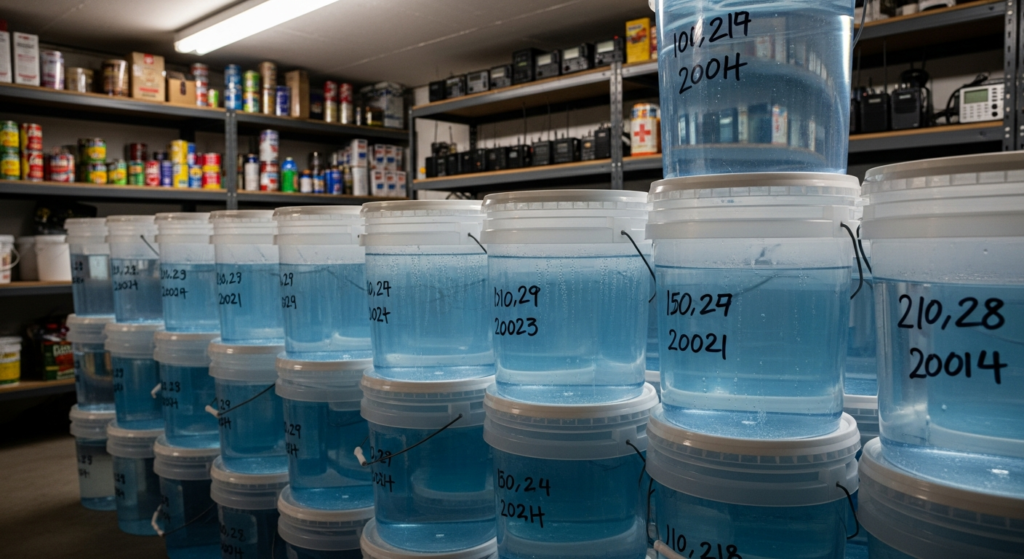
Preparing Your 5 Gallon Buckets For Water Storage
Once you have confirmed you have food-grade buckets, the next crucial step is proper preparation. This involves thorough cleaning and sanitization to eliminate any potential contaminants or bacteria that could compromise the stored water.
Cleaning The Buckets
Begin by washing the buckets with hot water and a mild, unscented dish soap. Use a clean sponge or cloth to scrub the interior thoroughly. Pay attention to any seams or crevices where dirt or residue might hide. Rinse the buckets meticulously with clean water to remove all soap residue, as leftover soap can affect the taste of the water and potentially promote bacterial growth.
Sanitizing The Buckets
After cleaning, sanitizing is essential to kill any remaining microorganisms. A common and effective method for sanitizing is using a diluted bleach solution.
Sanitizing Solution: Mix 1 tablespoon of unscented household bleach (5-6% sodium hypochlorite) with about 1 gallon of water.
Application:
- Pour the sanitizing solution into the bucket, filling it about one-quarter full.
- Secure the lid (if available) and swish the solution around to coat the entire inner surface. If you don’t have a lid, use a clean cloth or sponge to wipe the solution over all interior surfaces, including the rim.
- Let the solution sit in the bucket for at least 5-10 minutes.
- Empty the sanitizing solution and rinse the bucket thoroughly with clean, potable water. Again, ensure all bleach residue is removed.
Pro Tip: After sanitizing and rinsing, allow the buckets to air dry completely upside down on a clean surface. This helps prevent mold or mildew growth before you fill them with water.
Using Water Preservatives (optional But Recommended)
For long-term storage (beyond six months), it is highly recommended to use a water preservative. Even with proper cleaning and sanitization, bacteria can eventually grow in stored water. Water preservers, typically based on sodium hypochlorite (a stabilized form of bleach), help keep the water safe to drink for extended periods.
Dosage: Follow the manufacturer’s instructions carefully. A common guideline is to add 8 drops of a 5-6% sodium hypochlorite solution per gallon of water. If using a commercial water preserver product, adhere strictly to its specific dosage recommendations.
Adding the Preservative: Add the preservative directly to the bucket *after* filling it with water. Secure the lid and gently invert the bucket several times to ensure the preservative is evenly distributed throughout the water.
5 Best Collapsible 5 Gallon Water Container: Tested for Camping & Emergency Prep
Filling And Sealing The Buckets
The process of filling and sealing is critical for maintaining water quality and preventing contamination.
Water Source
Always fill your buckets with clean, potable water. This can be tap water from a municipal supply that has been treated and is safe for consumption. If you are using well water, ensure it has been tested and is safe. Never fill buckets with untreated water from lakes, rivers, or ponds, as these sources can contain harmful bacteria, viruses, and parasites.
Filling Technique
Fill the buckets as full as possible, leaving a small headspace at the top. This headspace allows for expansion if the temperature changes, preventing the lid from being stressed or bursting. Aim to leave about 1-2 inches of space.
Lid Selection And Sealing
5-gallon buckets are typically sold with or without lids. For water storage, it is essential to have a tight-fitting, food-grade lid. There are two main types:
- Snap-on lids: These are the most common. They press down around the rim of the bucket and create a seal. Ensure the lid is firmly pressed all the way around to achieve a good seal.
- Gasket lids (or screw-on lids): These often provide a more robust, airtight seal and are sometimes preferred for long-term storage. They usually have a rubber or plastic gasket that compresses when the lid is screwed or clamped down.
Securing the Seal:
- For snap-on lids, use a rubber mallet or the heel of your hand to firmly tap around the entire rim of the lid until it is fully seated. You should hear and feel it lock into place.
- For gasket lids, ensure the gasket is clean and properly positioned before tightening.
Additional Sealing (Optional): For extra security against leaks or tampering, you can use food-grade plastic wrap over the rim of the bucket before applying the lid. You can also use duct tape or specialized bucket seals around the lid’s edge. However, a properly fitted food-grade lid is generally sufficient.
Storing Your Water Buckets
Where and how you store your filled buckets significantly impacts the water’s quality and the container’s integrity.
Location, Location, Location
The ideal storage location for your water-filled 5-gallon buckets is a cool, dark, and dry place.
- Cool: Temperatures should ideally be between 40°F and 70°F (4°C and 21°C). Avoid extreme heat, which can degrade the plastic and potentially encourage bacterial growth, even with preservatives. Extreme cold can cause the water to freeze and expand, potentially damaging the bucket or lid.
- Dark: Light, especially direct sunlight, can degrade the plastic and encourage the growth of algae and bacteria. Store buckets in a basement, closet, garage, or other areas away from light exposure.
- Dry: While the water is contained, the exterior of the buckets should be kept dry to prevent mold or mildew growth on the containers themselves.
5 Best Collapsible Water Container For Camping: Tested and Rated
Stacking And Stability
5-gallon buckets are designed to be stackable, which is beneficial for saving space. However, when filled with water, they become very heavy (approximately 40-45 pounds each).
- Stacking Limit: Do not stack more than two or three full buckets high. Exceeding this can put excessive stress on the lower buckets, potentially leading to cracks or leaks.
- Stable Surface: Always store buckets on a flat, stable surface. Avoid storing them on uneven ground or surfaces that could shift. Consider using pallets if storing them on a concrete floor in a garage or basement, which can help protect the bottoms from potential moisture.
Protection From Pests And Contaminants
Ensure your storage area is pest-free. Rodents or insects could potentially chew through plastic containers, and their presence indicates a less-than-ideal storage environment. Keep the area clean and free from potential sources of contamination.
Maintaining Your Stored Water Supply
Stored water doesn’t last forever, even with preservatives. Regular rotation and inspection are key to ensuring its safety and usability.
Rotation Schedule
The general recommendation for rotating stored water is every 6 to 12 months.
- Without Preservative: Water stored without a preservative should ideally be rotated every 6 months.
- With Preservative: Water treated with a food-grade preservative can typically be stored for 12 months or longer, but it’s still wise to rotate it annually.
During rotation, empty the old water, then repeat the cleaning, sanitizing, and refilling process. You can use the old water for non-drinking purposes like flushing toilets, watering plants (if no preservatives were used), or cleaning.
Inspection
Periodically inspect your stored water buckets for any signs of damage, leakage, or contamination. Check the lids to ensure they are still sealed tightly. Look for any cloudiness, discoloration, or unusual odors in the water once you open a bucket for rotation. If you notice any of these issues, do not drink the water and proceed with thorough cleaning and refilling.
Is Buying 5 Gallon Water Jugs Worth It: Choose the Right 5-Gallon Setup
Using Stored Water
When it’s time to use your stored water:
- Open Carefully: Open the bucket and check the water for clarity and smell.
- Treat if Necessary: If you haven’t used a preservative or if it’s past the recommended storage time without one, you can treat the water before drinking. You can boil it vigorously for at least one minute (or longer at higher altitudes) or use water purification tablets. If you used a preservative, it should still be safe, but tasting a small amount first is advisable.
- Pour and Enjoy: Pour the water into a clean container for use.
Alternatives And Complementary Storage Methods
While 5-gallon buckets are a popular choice, they are not the only option, and combining methods can enhance your preparedness.
Other Container Options
- Large Water Barrels (50-55 Gallons): These are excellent for larger-scale storage. Like buckets, ensure they are food-grade and have secure lids. They are heavier and harder to move when full.
- Water Bricks or Jugs: Smaller, stackable containers (1-3 gallons) are easier to handle and distribute. They are good for immediate access.
- Water BOB (Bag of Water): An emergency water storage bag that fits inside a bathtub, holding up to 100 gallons. Useful for temporary, large-volume storage during emergencies.
Combining Methods
A balanced approach often involves a combination of storage methods. For instance, you might store the bulk of your water in larger barrels, with several 5-gallon buckets filled and ready for immediate use or for situations where portability is needed.
Smaller jugs can be kept in easily accessible locations within your home.
How Much Water Do You Need?
A common recommendation for emergency water storage is one gallon per person per day. This gallon should cover both drinking and basic sanitation needs.
- Drinking: At least half a gallon per person per day.
- Sanitation: Cooking, hygiene, and cleaning.
For a family of four, this means storing 4 gallons per day, or 28 gallons for a week. 5-gallon buckets can help you reach this target efficiently. For example, six 5-gallon buckets would store 30 gallons of water.
Frequently Asked Questions
Can I Use Buckets That Previously Held Non-food Items?
It is strongly advised against using buckets that previously held non-food items, especially chemicals, paints, solvents, or pesticides. The residues can be extremely difficult, if not impossible, to remove completely and can contaminate your drinking water, posing serious health risks. If you are unsure of the previous contents or if they were non-food-grade, do not use the bucket for water storage.
How Long Does Water Stored In A 5-gallon Bucket Last?
Water stored in a clean, food-grade 5-gallon bucket without any preservative will typically remain safe to drink for about 6 months. With the addition of a proper water preservative (follow manufacturer’s instructions), the safe storage time can be extended to 12 months or even longer. Regular rotation and inspection are always recommended, regardless of whether a preservative is used.
What Is The Best Type Of Lid For A 5-gallon Water Bucket?
The best type of lid for a 5-gallon water bucket is a tight-fitting, food-grade lid that creates a secure seal. Both **snap-on