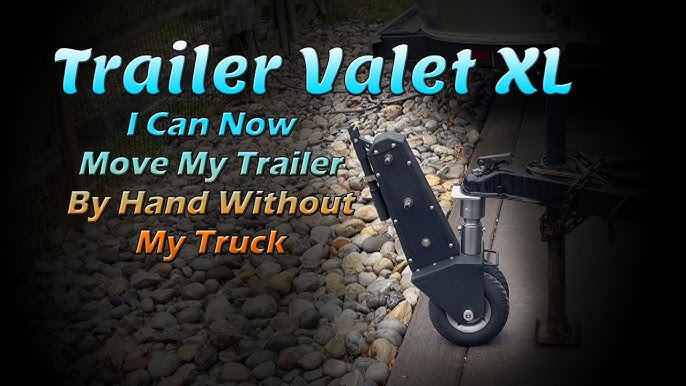
How to Move a Camper Trailer by Hand? Moving a 3,000lb Camper Alone?
How To Move A Camper Trailer By Hand
Moving a camper trailer by hand is possible, but it takes careful planning, the right tools, and a clear understanding of safety. Whether you need to shift your trailer in a tight driveway, reposition it at a campsite, or get it ready for storage, doing it manually can save you time and money.
Let’s walk through exactly how to move a camper trailer by hand, step-by-step, with expert tips for making the process easier and safer.
How Can You Move A Camper Trailer By Hand Safely?
First, check the trailer’s weight and your own strength. Most small camper trailers (under 2,000 lbs) can be moved by hand, especially on flat, smooth ground. But anything heavier or on a slope requires extra caution. You should always use wheel chocks and never attempt to move a trailer alone if you’re unsure. Wear work gloves and closed-toe shoes for grip and protection.
If your trailer is too heavy, use tools like a trailer dolly or a power mover. These devices give you leverage and can make a big difference, especially on uneven surfaces. Always have at least one person guiding and another person watching for obstacles. If you feel resistance or the trailer starts to roll away, stop immediately.
What Equipment Do You Need To Move A Camper Trailer By Hand?
To move a camper trailer by hand, gather these tools:
- Trailer dolly (manual or powered) for easy rolling.
- Wheel chocks to prevent unwanted movement.
- Work gloves for protection.
- Level surface for safety.
- Jack or leveling blocks (optional) for adjusting the trailer height.
- Coupler lock (optional) for security.
A trailer dolly is the most important tool. It’s a small, wheeled device that attaches to the trailer’s hitch and lets you push or pull with less effort. Powered dollies are available for heavier trailers, but manual dollies work for most smaller campers.
| Tool | Purpose | Recommended For |
|---|---|---|
| Manual trailer dolly | Rolls trailer by hand | Lightweight trailers |
| Powered trailer dolly | Motorized movement | Heavier trailers |
| Wheel chocks | Secures wheels | All trailers |
| Work gloves | Protects hands | Everyone |

How Do You Prepare The Camper Trailer Before Moving It?
Preparation is key for safe manual movement. Start by clearing the area around your trailer—remove rocks, sticks, and anything that could block the wheels. Check the tires for air and make sure all wheel chocks are in place until you’re ready to move.
Lower the trailer’s tongue jack so the hitch is at a comfortable height. If you’re using a dolly, attach it securely to the trailer’s coupler. Remove any items from inside the trailer that could shift or add weight. Lock the doors and windows, and secure loose parts.
If your trailer has stabilizer jacks, raise them fully. Make sure the trailer is balanced and not leaning. Double-check the brakes and ensure nothing is dragging underneath.
What Are The Step-by-step Instructions For Moving A Camper Trailer By Hand?
Follow these steps to move your camper trailer by hand:
- Check weight and surface: Make sure the trailer is light enough and the ground is flat.
- Attach trailer dolly: Secure the dolly to the hitch.
- Remove wheel chocks: Only when ready to move.
- Push or pull trailer: Use steady force; don’t rush.
- Guide the trailer: One person steers, another watches for obstacles.
- Stop and re-chock wheels: Once the trailer is in place.
Here’s a detailed breakdown:
- Position yourself at the trailer’s tongue or use the handle of the dolly.
- Push or pull in short, controlled bursts. Avoid sudden movements.
- If you encounter resistance, check for obstacles or uneven ground.
- For tight spaces, turn the dolly’s handle to angle the trailer.
- Once finished, chock the wheels and detach the dolly.
| Step | Action | Tip |
|---|---|---|
| 1 | Check weight | Don’t move heavy trailers alone |
| 2 | Attach dolly | Ensure secure fit |
| 3 | Remove chocks | Only when ready |
| 4 | Push/Pull | Use slow, steady force |
| 5 | Guide | Have a spotter |
| 6 | Re-chock | Always after moving |
Why Is Surface And Slope Important When Moving A Camper Trailer By Hand?
The surface and slope make a huge difference. Moving a trailer on gravel, grass, or uneven ground is much harder than on smooth concrete. Trailers can roll easily on flat surfaces but may stick or slide on slopes. If the slope is more than 5 degrees, it’s risky to move by hand.
Wet surfaces add danger because wheels can slip. Always avoid moving trailers in rain or mud. If you have no choice, use extra wheel chocks and go even slower. For inclined driveways, always push uphill and never let the trailer roll downhill uncontrolled.
A non-obvious tip: trailers with small wheels can get stuck in cracks or holes more easily. Larger tires roll smoother, but require more force.
How to Make a Generator Quiet for Camping: Ways to Make Your Generator Dead Silent
| Surface | Ease of Movement | Safety Risk |
|---|---|---|
| Concrete | Easy | Low |
| Gravel | Medium | Medium |
| Grass | Hard | High |
| Mud | Very hard | Very high |
What Are Common Mistakes To Avoid When Moving A Camper Trailer By Hand?
Many beginners make these mistakes:
- Underestimating weight: Trying to move too heavy a trailer.
- Ignoring safety gear: Skipping gloves or wheel chocks.
- Rushing the process: Moving too fast increases risk.
- Moving on a slope: Always avoid steep or wet surfaces.
- Not having a spotter: Always have someone help.
- Incorrect dolly attachment: Can lead to trailer detachment.
- Forgetting to check tires: Flat tires make movement much harder.
Another non-obvious mistake: not checking the hitch height. If your dolly doesn’t match the trailer’s coupler height, you may damage the dolly or struggle to steer.
How Do You Use A Trailer Dolly Or Power Mover For Easier Movement?
A trailer dolly is a wheeled device that attaches to your trailer’s coupler. Manual dollies use your strength; powered dollies have motors and batteries. To use a manual dolly:
- Line up the dolly with the trailer’s hitch.
- Secure the coupler to the dolly’s ball mount.
- Push or pull using the dolly’s handle.
- Steer with slow, controlled turns.
For powered dollies, follow the manufacturer’s instructions. These tools can move trailers up to 6,000 lbs, but you’ll need to watch battery life and avoid sudden starts.
If you use a dolly on rough ground, go slow. Some dollies have pneumatic tires for better grip; others use solid wheels.
A powered mover is ideal for large trailers, but expensive. If you move trailers often, consider investing in one.
How Can You Move A Camper Trailer By Hand In Tight Spaces?
Moving in tight spaces needs patience and precision. Use a trailer dolly with a swiveling wheel—this lets you turn the trailer in smaller circles. Remove obstacles beforehand, like bikes or lawn chairs.
If you need to rotate the trailer, pull the tongue sideways gently. For extremely tight spots, use turntables (rotating pads under the wheels) or ask a friend to guide you. Go inch by inch, checking clearance often.
A clever trick: place a thin sheet of plywood under the wheels for smoother rolling in garages or gravel. This reduces friction and lets you steer more easily.

What Should You Do After Moving The Camper Trailer By Hand?
Once your trailer is in its new spot:
- Chock the wheels firmly.
- Lower the tongue jack for stability.
- Check the trailer’s level using a bubble level.
- Inspect for any damage or shifted parts.
- Lock the doors and windows.
- If storing, cover the trailer to protect from weather.
Double-check the brakes and make sure nothing is left underneath. Taking these steps keeps your trailer safe and ready for next use.
Frequently Asked Questions
Can I Move Any Camper Trailer By Hand?
No, only lightweight trailers (usually under 2,000 lbs) can be moved safely by hand. Heavier trailers need a powered mover or vehicle. Always check the trailer’s weight and your own strength before attempting.
What Is The Best Tool For Moving A Trailer By Hand?
A manual trailer dolly is best for small campers. For bigger trailers or rough ground, a powered mover is ideal. Choose based on your trailer’s weight and the surface you’re working on.
Is It Safe To Move A Trailer Alone?
It’s safer with at least one helper. Solo movement is possible for very light trailers, but you risk injury or property damage. Always have someone spot you and help with guidance.
Can I Move A Trailer On Gravel Or Grass?
Yes, but it’s much harder. Trailers roll easiest on concrete. On gravel or grass, use a dolly with large wheels and move slowly. Avoid muddy or wet conditions.
Where Can I Find More Information About Trailer Safety?
You can learn more at RVUSA, which covers trailer safety, moving tips, and gear reviews.
Moving a camper trailer by hand is a skill every camper should master. With the right tools, careful planning, and a bit of teamwork, you can reposition your trailer safely and confidently. Take your time, follow the steps, and remember—safety always comes first.