Where Is the VIN Number on a Fifth Wheel Camper? (Complete Owner’s Guide)
Where is the VIN number on a fifth wheel camper?
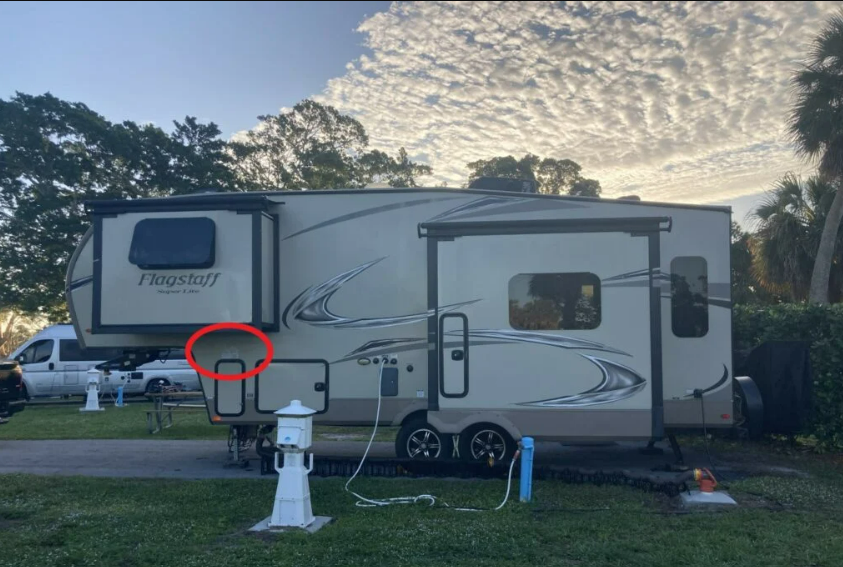
Most fifth wheel campers have the VIN stamped or labeled in a few standard spots: on the front roadside frame near the hitch, inside a kitchen cabinet, on the driver-side exterior wall, or on your official paperwork. If you’re standing outside on a chilly morning before a road trip, start near the pin box—you’ll usually find it there first.
The most common VIN locations (quick checklist)
In my years of towing, I’ve realized that every manufacturer has a favorite “hiding spot.” When I bought my first rig, I spent twenty minutes in the rain searching before finding it right under my nose. Here is where I always look first:
- Front frame near the hitch/pin box: This is the go-to spot for most metal-stamped numbers.
- Driver-side front corner: Look at the lower exterior wall for a large silver or white sticker.
- Inside kitchen cabinet doors: I’ve found many “hidden” labels stuck to the back of the door under the sink.
- Bedroom closet or wardrobe wall: Check the interior side walls of your main closet.
- Near the entry door: Sometimes there is a small metal plate or sticker right on the door frame.
Why your fifth wheel camper has a VIN (and why it matters)
That 17-character string isn’t just bureaucratic clutter—it is your camper’s unique fingerprint. Whether you are registering it, checking for safety recalls, or selling it after a long summer of road trips, the VIN connects everything. Think of it as the quiet hero you only notice when something goes wrong… like during a long, slow “paperwork day” at the DMV.
What a VIN tells you
When I first learned to decode a VIN, it felt like I was reading a secret code. It’s a 100% accurate way to verify exactly what you own. It typically reveals:
- Manufacturer and country of origin: See exactly where your home-on-wheels was built.
- Model year and production plant: Never get fooled by a seller claiming a newer year.
- Unique serial number: This distinguishes your unit from thousands of others.
- Safety and recall history: Crucial for making sure your brakes and lights are up to date.
How to find the VIN step-by-step (even if you’ve never looked before)
Finding the VIN doesn’t require special tools, just a bit of patience—and maybe wiping away some road grime. Start outside, then move inside if needed. It is the kind of task you end up doing on a random Saturday before a big trip, coffee in hand, wondering why the sticker is always slightly harder to reach than expected.
Step-by-step search method
Follow this path to save yourself the headache I had during my last inspection. It usually takes less than five minutes if you follow this order:
- Walk to the front hitch area: This is the most common “roadside” location.
- Check the metal frame for stamping: Use a flashlight if the frame is painted black.
- Move to the driver-side exterior wall: Look for the Federal Certification label.
- Step inside and check cabinets: Specifically, look for the “Weight Information” sheet.
- Cross-check with paperwork: Ensure the number on the frame matches your title or insurance card.
VIN location on different fifth wheel brands (it can vary a bit)
While most manufacturers follow similar rules, every brand has its own quirks. I once spent an hour on a hot Sunday morning searching for a VIN on a friend’s Keystone, only to find it tucked inside a kitchen cabinet. Some brands make you crouch low, while others hide it behind a bedroom door. Knowing these specific habits saves you time and a lot of frustration.
Brand-specific tendencies
I have helped dozens of fellow campers find their IDs over the years. Based on those long days at the campsite, here is where the big names usually hide their numbers:
- Keystone: I usually find these near the front frame or tucked inside an interior kitchen cabinet.
- Forest River: Check the exterior driver-side wall first. If it’s not there, I often find it inside the master wardrobe.
- Grand Design: These are great because they are usually clearly labeled near the hitch and match the paperwork perfectly.
- Jayco: Look for a sticker near the main entry door or a hard-stamped number on the metal frame.
What the VIN plate or sticker looks like
The VIN isn’t always easy to spot at first glance. Sometimes it is stamped into cold metal, while other times it is a faded sticker that has seen ten too many summers. If you aren’t sure what you are looking for, don’t worry. I’ve missed them myself when they were covered in just a thin layer of road dust or grime.
Common VIN formats and appearances
When you are hunting for that “fingerprint,” keep your eyes peeled for these specific visual cues:
- 17-character code: It will always be a mix of letters and numbers.
- Metal plate: These are often riveted directly to the main frame for durability.
- White or silver sticker: These usually include a barcode for easy scanning at the shop.
- Physical wear: Be ready to wipe away dirt or salt to see the characters clearly.
What to do if you can’t find the VIN
If you’ve checked every corner and still see nothing, stay calm. It happens more than you’d think, especially with older rigs that have traveled thousands of miles. I remember a holiday weekend where a neighbor couldn’t find his ID anywhere. We eventually found it by digging through his old service records. There is always a backup plan if you know where to look.
Backup ways to locate your VIN
When the physical labels are gone or unreadable, I always turn to these reliable paper trails:
- Registration documents: This is the fastest way to find the number for legal tasks.
- Insurance paperwork: Your provider will have the 17-digit code on file for your policy.
- Owner’s manual packet: Manufacturers often slip a copy of the build sheet inside the main folder.
- Contact the manufacturer: If you have the model and year, they can often help you track it down.
- Service records: Check old receipts from your local mechanic or dealership.
Tips from real owners (lessons learned the hard way)
After enough road trips, you start picking up little habits—like snapping a photo of your VIN before heading out. It’s one of those “future you will be grateful” things, especially when you’re stuck filling out forms at a campsite office with spotty Wi-Fi. I learned this the hard way during a holiday weekend when I spent 20 minutes crawling under my rig while my family waited to go to the lake.
Practical owner tips
I’ve found that a little prep work goes a long way. Based on my years of towing through rain and dust, here is how I keep my sanity:
- Snap a clear photo: Keep a picture of the VIN plate on your phone. I keep mine in a “Camper Info” album.
- Write it in your notes: Text yourself the 17-character code so you can copy and paste it into forms.
- Clean the area: Once a year, I wipe down the frame label. Dirt and road salt can eat away at the ink over time.
- Verify before buying: If you are buying used, always check that the frame stamp matches the title perfectly.
- Double-check documents: Make sure your insurance card doesn’t have a typo; even one wrong digit can cause huge delays at the DMV.
Common mistakes people make when looking for the VIN
It’s surprisingly easy to miss the VIN, even when it is right there in front of you. Sometimes it is covered in thick road grime, or you are simply checking the wrong side of the trailer. I once spent an hour searching the passenger side of a friend’s fifth wheel before realizing the manufacturer put everything on the driver’s side. A little focus saves you from that “I swear I looked there already” moment.
Mistakes to avoid
We all make them, but you don’t have to. Avoid these common pitfalls that I’ve seen trip up even seasoned travelers:
- Only checking inside: Many people forget that the most “official” number is usually out on the metal frame.
- Ignoring the hitch area: The pin box or the front cross-member of the frame is a prime spot that is often overlooked.
- Overlooking dirty labels: If you see a rectangular patch of mud, wipe it off—your ID is likely hiding underneath.
- Confusing serial numbers: Your fridge and AC have serial numbers too. Make sure the code you find has exactly 17 characters.
When you’ll need your VIN (real-life situations)
You might not think about your VIN often, but when you need it, you really need it. Whether it is a last-minute insurance call before a big holiday trip or verifying details during a sale, it always seems to come up at the most important times. I remember needing mine at a repair shop just to get the right axle seals ordered, and having it ready saved me a full day of waiting.
Situations where VIN is essential
Keep that number handy for these specific moments. In my experience, these are the top five reasons you’ll be glad you found it:
- Registering your camper: The DMV won’t move an inch without a verified Vehicle Identification Number.
- Filing insurance claims: If a storm hits or a fender gets bent, your agent needs that code immediately.
- Selling or buying used: This is the only way to prove the history and ownership of the rig.
- Checking recalls: Safety first! Manufacturers use the VIN to tell you if your unit needs a free repair.
- Ordering specific parts: From brake shoes to custom trim, the VIN tells the parts desk exactly what fits your build.
Final thoughts: make finding your VIN a one-time hassle
Once you’ve found your VIN, take a minute to record it somewhere safe. It turns a mildly annoying scavenger hunt into a solved problem forever. I promise that “future you” will be smiling when you can pull up that info in seconds. Now, with that task checked off your list, you can get back to what really matters—packing the cooler and heading out for your next weekend escape!
Frequently Asked Questions
Where is the VIN number on a fifth wheel camper frame?
The VIN is most commonly stamped directly onto the metal frame near the front hitch or pin box area on the driver’s side. You may need to crouch down and look closely, especially if there’s dust, rust, or road grime covering it. A quick wipe with a cloth usually reveals it.
Can I find the VIN inside my fifth wheel camper?
Yes, many manufacturers place a VIN sticker inside the camper, often in a kitchen cabinet, bedroom closet, or near the entry door. It’s usually easier to read than the exterior stamp—assuming you remember which cabinet you checked already.
Is the VIN always in the same place on every fifth wheel?
No, the exact location can vary by manufacturer and model year. While the front frame is the most consistent spot, some brands also add interior labels or place them near the entry door. That’s why it sometimes feels like a mini treasure hunt.
What does a fifth wheel camper VIN number look like?
It’s a 17-character combination of letters and numbers, often printed on a sticker with a barcode or stamped into metal. It might look a bit worn or faded, especially if it’s exposed to weather over time.
Can a VIN number wear off or become unreadable?
Yes, especially if it’s stamped on an exposed part of the frame. Years of road debris, moisture, and rust can make it harder to read. If that happens, check interior labels or your official documents for a clearer version.
Where can I find the VIN if it’s missing from the camper?
If you can’t locate it physically, check your registration, insurance paperwork, or purchase documents. You can also contact the manufacturer or dealer—they can often help you track it down using other details.
Do all fifth wheel campers have a VIN number?
Yes, every legally manufactured fifth wheel camper has a unique VIN. It’s required for registration, insurance, and identification, much like a car or truck.
Is the VIN the same as a serial number on a camper?
Not exactly. The VIN is a standardized 17-character code used nationwide, while a serial number may be shorter and specific to the manufacturer. Sometimes people confuse the two, especially when labels are close together.
Why do I need my fifth wheel camper VIN number?
You’ll need it for registration, insurance, recalls, selling, and ordering parts. It’s one of those details you don’t think about—until you’re asked for it unexpectedly, usually when you’re in a hurry.
Should I write down or save my VIN somewhere?
Absolutely. Take a photo and store it on your phone or keep it in a notes app. It saves time and frustration later, especially when you’re away from your camper and suddenly need it.