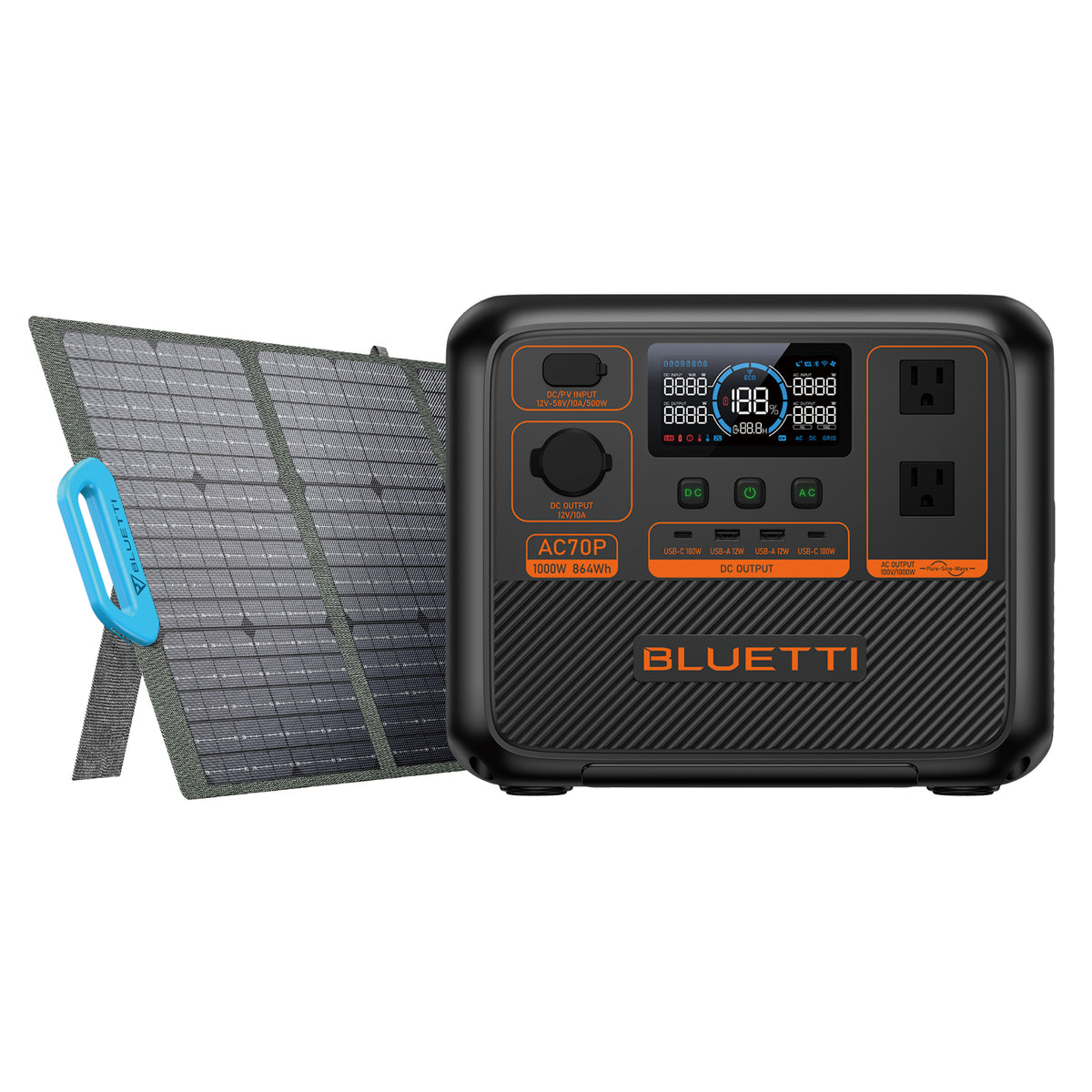
We Tested BLUETTI AC70P Portable Power Station (Compact, Powerful, and Fast-Charging)
Power cuts, long road trips, and days away from a wall outlet can turn a simple task into a small struggle. A dead phone can stop navigation. A low laptop battery can end a work session. Even a small fan or lamp can feel important when the power goes out.
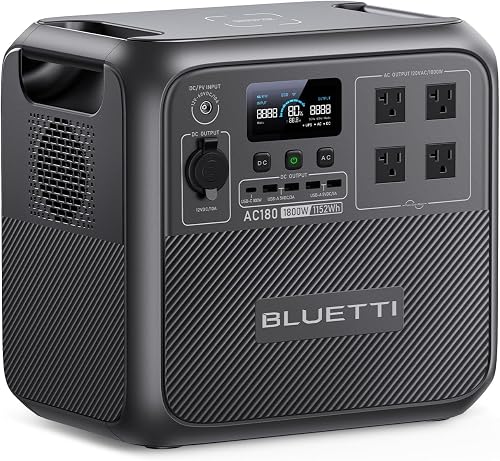
The BLUETTI AC70P Portable Power Station aims to solve that problem in a compact package. It combines a large battery, AC outlets, USB charging, 12V DC power, and several ways to recharge the unit. It can work as a camping power source, a portable battery generator, a solar generator, or emergency backup power for essential devices.
This review looks at what the AC70P can really do. It covers battery runtime, AC output, USB-C PD charging, charging speed, noise, portability, limits, and value. The runtime figures below are calculations based on stated power use, not hands-on test results. Actual results will change with temperature, device efficiency, battery age, and charging loss.

Why I Started Looking at the BLUETTI AC70P Portable Power Station
A portable power station can help when regular power is not close by. You may need to charge a phone at a campsite, power a laptop during travel, or keep lights and a small fan running during a power cut. A basic power bank helps with phones, but it usually cannot run AC appliances or offer much battery capacity.
That is where the BLUETTI AC70P becomes useful. It has a 768Wh battery and a 950W rated AC output. In simple terms, it stores far more energy than a typical phone bank and can support many small appliances. It is still small enough to carry in a car, van, tent, or home office.
The main questions are practical ones:
- How long will the battery last?
- Can it run a mini fridge or coffee maker?
- How fast does it recharge?
- Is the fan loud?
- Can one person carry it with ease?
- Does the price make sense compared with smaller or larger models?
Those questions matter more than a large number printed on a box. A power station is only useful if its real output and battery runtime match your needs.
The AC70P is aimed at users who need more than a phone charger but less than a full home backup system. It sits in a useful middle ground. It can power remote work tools, lights, fans, electronics, and some short-use appliances. It is not designed to run an electric heater, range, or whole house for days.
Check the BLUETTI AC70P Price on Amazon
BLUETTI AC70P Specifications: What Do You Actually Get?
The BLUETTI AC70P is a 768Wh portable power station built around a lithium iron phosphate battery, also called LiFePO4. This battery type is known for strong cycle life and good heat stability. BLUETTI lists the unit with a 950W continuous AC output, while its Power Lifting Mode can support some resistive heating devices up to a higher wattage.
The key specifications include:
- Battery capacity: 768Wh
- Battery chemistry: LiFePO4
- Rated AC output: 950W
- Power Lifting Mode: up to about 2,000W for suitable devices
- AC outlets: two outlets in the US version
- USB-C output: up to 100W PD
- USB-A outputs: two ports
- 12V DC output: 10A vehicle-style outlet
- Solar input: up to 500W, within the supported voltage and current range
- Recharge methods: AC wall power, solar panels, and car charging
- Display: built-in screen
- Control: onboard buttons and BLUETTI app support on compatible versions
- Battery type: LiFePO4
- Weight: about 22.5 pounds
- Size: about 12.4 by 8.8 by 10.2 inches
Exact ports, charging limits, and included accessories can vary by region or bundle. Check the product page before buying, especially if you need a specific solar cable or car charging lead.

BLUETTI AC70P Battery Capacity Explained in Plain English
A 768Wh battery does not give every AC device a full 768Wh of usable energy. The station must change stored DC battery power into AC power. That process creates some loss. The inverter, display, cooling system, and internal controls also use a small amount of energy.
For a rough AC estimate, many users can plan around 600Wh to 680Wh of useful energy from a full battery. The exact figure depends on the load. A small load may have a higher percentage of loss because the station’s own systems use a larger share of the energy. A larger load may use the inverter more efficiently, but it will drain the battery faster.
The basic formula is:
Estimated runtime = usable battery capacity ÷ device wattage
For example, a 50W device using about 650Wh of usable energy could run for roughly 13 hours:
650Wh ÷ 50W = 13 hours
That is an estimate, not a promise. If the device cycles on and off, such as a fridge, the result may be much longer than a simple constant-load calculation. If the device has a motor or heating element, startup demand can also change the result.
Watts describe the rate of energy use. Watt-hours describe the amount of stored energy. A 1,000W appliance uses energy much faster than a 50W light, even though both can connect to the same AC outlet.
See AC70P Specs, Photos and Current Deals

How Well Does the BLUETTI AC70P Power Real Devices?
The most useful question is not how many numbers appear on the box. It is whether the station can run the devices you need during a normal day outdoors or during a power cut.
The AC70P has enough output for many common electronics. Its 950W rated output covers laptops, monitors, lights, fans, routers, small TVs, chargers, and many low-power tools. It may also run a coffee maker or kettle if the appliance stays below the station’s output limit.
However, capacity and output are different. A station can have enough stored energy for an appliance but still fail to run it if the appliance draws too many watts. The reverse is also true. A high-output appliance may start, but it may empty the battery very quickly.
Can It Run a Laptop, Phone, Fan, Mini Fridge, or Coffee Maker?
Phones and tablets are easy loads for the AC70P. A modern phone battery may hold around 10Wh to 20Wh. After charging losses, the AC70P could provide many phone charges. Using a USB port is usually more efficient than plugging a phone charger into an AC outlet.
A laptop may use 30W to 100W while charging and working. The 100W USB-C PD port is useful for compatible laptops because it avoids the AC inverter. A laptop that accepts USB-C charging can often run directly from the USB-C port. Gaming laptops and high-performance workstations may need more than 100W, so they may require their normal AC adapter.
A small LED light may use 5W to 15W. A portable fan may use 20W to 60W, depending on its size and speed. These devices are a good match for the AC70P because they use little energy. They can run for many hours and leave power for phones or laptops.
A mini fridge needs more care. Its compressor may draw a short startup surge that is higher than its normal running power. The AC70P may handle many compact refrigerators, but the fridge’s starting watts must fit within the station’s surge ability. Once running, the compressor cycles on and off, so the average draw can be much lower than the starting draw.
Coffee makers, kettles, toaster ovens, and hot plates are different. They use heating elements, often drawing 700W to 1,500W or more. A model under 950W may run from the normal AC output, but it will use a large share of the battery in a short time. A higher-wattage model may exceed the rated output.
Power Lifting Mode can help with some resistive devices. It lowers the voltage supplied to certain heating loads so they can operate at a higher stated wattage. It does not create extra battery energy. It also does not turn the AC70P into a 2,000W continuous power station. Motors, compressors, and sensitive electronics may not work correctly in this mode.
Example Use Scenario: Laptop and LED Light at a Campsite
Imagine a campsite work session with:
- Laptop: 60W
- LED light: 10W
- Total load: 70W
If both devices run from AC power, a simple estimate using 650Wh of usable energy is:
650Wh ÷ 70W = about 9.3 hours
In practice, the laptop may not draw 60W all the time. It may use 35W while reading and 70W while doing demanding work. The light may also be turned off during the day. If the laptop uses USB-C PD instead of an AC charger, the system may waste less energy.
This example shows why measured device wattage is important. A 768Wh portable power station can support a full workday for modest loads, but it cannot provide the same runtime for a high-power heater.
BLUETTI AC70P Runtime: How Long Does the Battery Last?
The table below gives estimated runtimes. It uses approximately 650Wh of usable energy. These are calculated estimates, not measured test results. Actual runtime may be higher or lower.
| Device or load | Approximate power | Estimated runtime |
|---|---|---|
| LED light | 10W | About 65 hours |
| Wi-Fi router | 12W | About 54 hours |
| Phone charger | 15W | About 43 hours |
| Portable fan | 40W | About 16 hours |
| Laptop | 60W | About 10.8 hours |
| Laptop plus light | 70W | About 9.3 hours |
| Small TV | 80W | About 8.1 hours |
| CPAP machine | 40W–70W | About 9–16 hours |
| Mini fridge average load | 60W average | About 10.8 hours |
| Coffee maker | 900W | About 43 minutes |
| Electric kettle | 1,000W | May exceed normal output |
The fridge estimate needs a special note. A mini fridge may not draw 60W for every minute. It may run at 80W or 100W while the compressor works, then stop for a while. Room temperature, insulation, door openings, and food temperature all affect its battery runtime.
High-power devices drain the battery quickly. A 900W coffee maker could use nearly all available energy in less than an hour. A 10W light could run for several days. This is why the AC70P works best when it supports a mix of low- and medium-power devices.
The battery management system should help protect the pack from overcharge, over-discharge, high temperature, and other unsafe conditions. Still, users should store the station in a dry place, avoid extreme heat, and follow the charging guidance in the manual.
Check If the AC70P Fits Your Power Needs

Charging Speed: How Long Does the BLUETTI AC70P Take to Recharge?
Charging speed matters when you have limited time at home, at a campsite, or between travel stops. A fast charger can turn the AC70P from an empty battery into a useful backup source during a short break.
BLUETTI promotes fast AC charging for the AC70P. Depending on the selected charging mode, input level, and battery state, the unit may recharge from empty to full in roughly one to two hours from a wall outlet. The exact time can vary, and the final part of charging may slow down to protect the battery.
The station can also recharge from solar panels. BLUETTI lists solar input of up to 500W within its supported voltage and current range. That is a strong feature for camping and van use, but a 500W panel setup does not always deliver 500W. Sun angle, clouds, heat, shade, panel placement, and cable losses all matter.

AC Charging vs Solar Charging vs Car Charging
AC wall charging is the fastest and most predictable method. It works well before a trip or after a power outage. You can plug the station into a normal household outlet and use the available charging modes. Some users may prefer a slower mode when charging overnight or when household circuits are limited.
Solar charging gives the AC70P more independence. With suitable solar panels, the station can refill during the day without a wall outlet. A 500W solar input rating does not mean any panel can be connected. The panel voltage, open-circuit voltage, current, connector type, and total wattage must all fit the AC70P’s input limits.
Solar charging is also weather dependent. In strong midday sun, a well-sized panel array may provide useful power. Under clouds, shade, or low winter sun, the input can fall sharply. Solar input may also drop when the battery is nearly full because the charging system reduces power near the top of the charge.
Car charging is useful during road trips. The vehicle outlet can provide a slower refill while driving. This method is convenient between destinations, but it may take several hours to replace a large amount of energy. The result depends on the car outlet, cable, voltage, and charging limit.
Keep the unit ventilated while charging. Do not leave cables where they can be crushed, soaked, or pulled loose. If you use solar panels, place them in full sun and check the connectors before each trip.
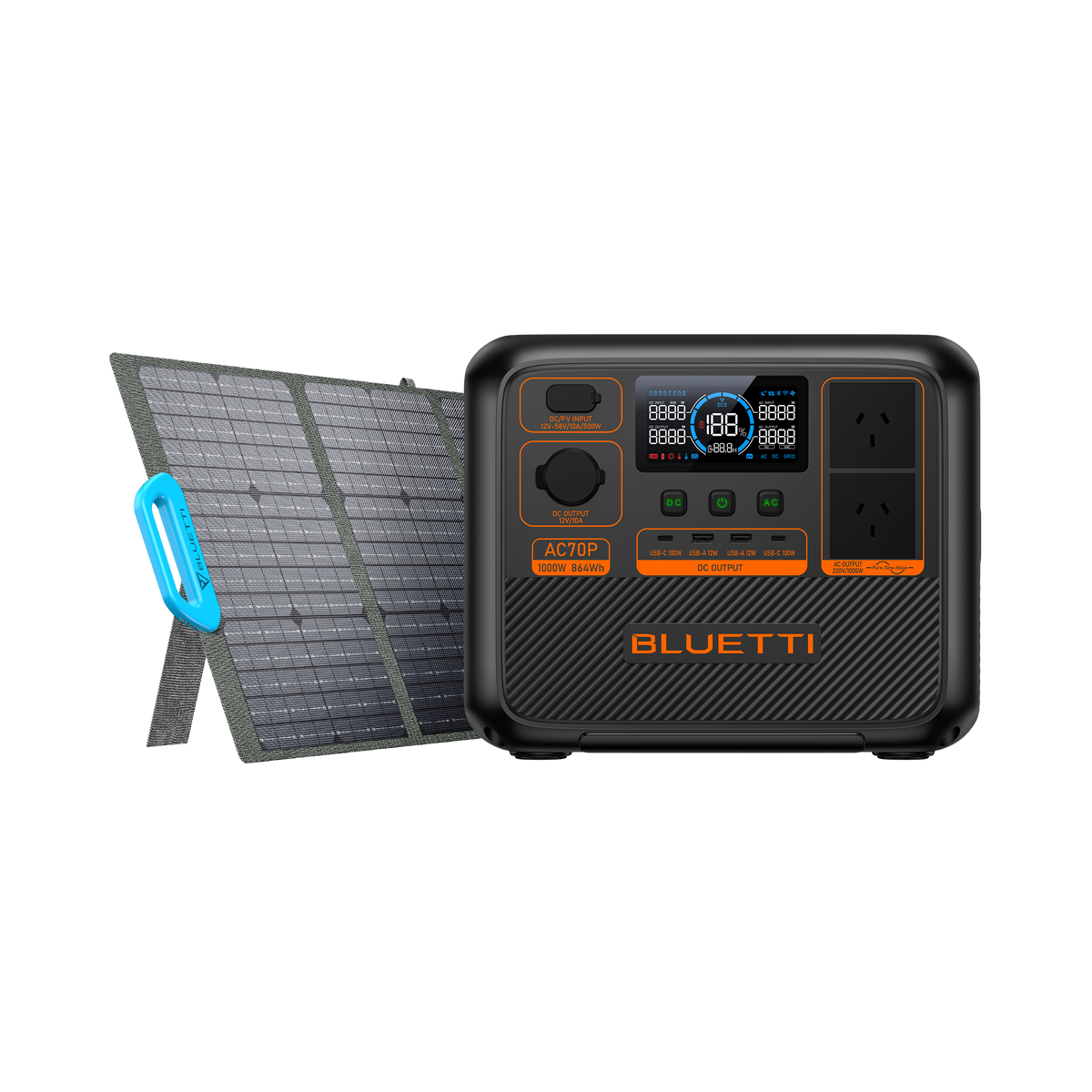
Is BLUETTI’s Fast Charging Useful in Everyday Life?
Fast AC charging is one of the AC70P’s strongest features. If you return from a weekend trip with a low battery, you may be able to recharge the station before the next outing. That is much more convenient than waiting all day.
Fast charging is also useful during a short home power window. For example, if utility power returns for two hours, the AC70P can take in a large amount of energy before the next outage. It can then keep routers, lights, phones, or medical devices running.
Advertised charging times are based on ideal conditions. The wall outlet must supply the needed power. The battery must be within a suitable temperature range. The unit may also reduce charging speed near full capacity. Solar charging varies even more.
A practical charging plan is simple:
- Charge the station at home before travel.
- Carry the correct solar or car cable.
- Use the display to check input watts.
- Keep solar panels clear of shade.
- Avoid storing the battery empty for long periods.
- Follow the manual’s guidance for long-term storage.
Explore AC70P Charging Options on Amazon
What Annoyed Me About the BLUETTI AC70P?
A useful review should explain the compromises, not just the impressive numbers. The AC70P offers a good mix of battery capacity and output, but it is not weightless, silent, or unlimited.
The biggest trade-off is size versus energy. A 768Wh station is far more useful than a small power bank, but it weighs about 22.5 pounds. That may feel fine when moving it from a car to a campsite. It can feel less pleasant when carrying it up stairs or across a large campground.
The second trade-off is appliance choice. The AC70P can support many everyday devices, but it is not a replacement for a gas generator or a large home battery. Users who expect to run heaters, cooking appliances, or power tools for hours may need a larger system.
Portability, Fan Noise, and Storage
The built-in handle should make the AC70P easier to lift than a box with no grip. Still, more than 20 pounds is not a casual carry for everyone. A child, older adult, or user with limited strength may prefer a smaller power station or a wheeled setup.
The unit needs a safe place for storage. You must also store charging cables, solar leads, and adapters. The station itself is compact enough for a vehicle trunk or closet, but the full kit takes more room. Solar panels can add a large amount of space when folded or packed.
Fans may run during fast charging or heavy loads. Fan noise is often less noticeable outdoors, but it can matter in a quiet bedroom, tent, or recording room. Light loads may create less noise, while a high AC load or hot environment can make the cooling system work harder.
The display should show useful information such as battery percentage, input watts, output watts, and operating mode. A screen is helpful, but small icons can take time to learn. The app may offer more control, though app features can depend on the model, firmware, and phone connection.
Running many devices at once can create cable clutter. A laptop, phone, light, fan, and solar input may mean several cords around the station. Good cable planning makes a large difference in a tent or small van.
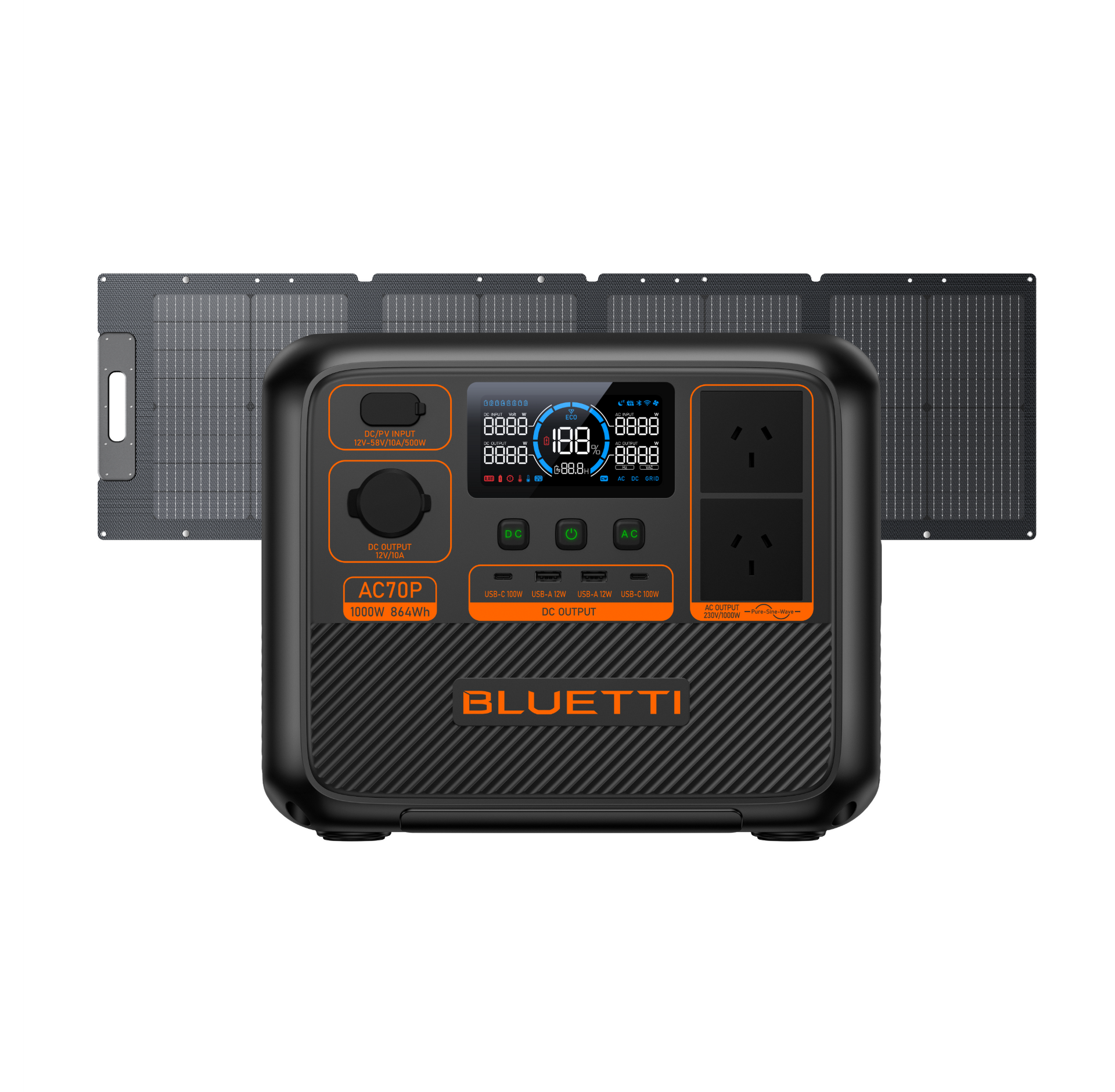
Battery Limitations and Appliances It Cannot Run Reliably
Electric heaters, kettles, hair dryers, hot plates, and toaster ovens are difficult loads. Many draw 1,000W to 1,800W. Some will exceed the AC70P’s normal 950W output. Others may work only in Power Lifting Mode, which is not the same as full rated continuous power.
Motor appliances can also be unpredictable. A compressor, pump, or power tool may draw a strong surge when it starts. Even if its running wattage looks safe, the startup demand could trip the station. Check the appliance label and manufacturer guidance before relying on it.
Long power outages reveal another limit: battery runtime. The AC70P can provide useful emergency backup power, but it cannot make energy disappear. A 60W load can last many hours. A 1,000W load can empty the battery quickly.
LiFePO4 batteries usually offer a long cycle life when used and stored correctly. The battery will still age. High heat, deep discharge, long storage at an empty state, and heavy daily use can reduce capacity over time. Store the station in a cool, dry place and check its charge from time to time.
Power Lifting Mode deserves careful attention. It can help some simple heating loads operate at a higher stated wattage. It does not raise the battery capacity, improve runtime, or guarantee compatibility with every appliance. It should not be treated as a way to run any 2,000W device.
Compare AC70P Availability and Buyer Reviews
BLUETTI AC70P vs Other Portable Power Stations
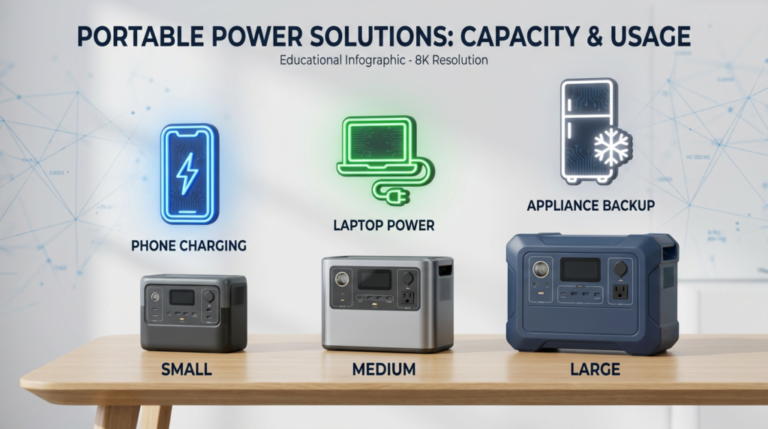
The right choice depends on what you need to power, how often you travel, and how much weight you want to carry. A larger battery is not always better. A smaller unit may be perfect for a phone and laptop. A larger model may be safer for longer outages.
When comparing portable power stations, look beyond capacity. Check continuous AC output, surge output, USB-C power, solar input, recharge time, battery chemistry, warranty, weight, and port layout. Price matters, but the cheapest model may cost more if it lacks the ports or charging speed you need.
BLUETTI AC70P vs Smaller Power Banks
Small power banks are lighter and easier to carry. They are ideal for phones, tablets, cameras, and some USB-C laptops. Many fit in a backpack and can be charged with a common USB adapter.
The AC70P is much larger, but it adds real AC outlets and a 12V DC outlet. It can support devices that a USB power bank cannot run, such as a fan, lamp, router, small TV, or selected mini fridge. It also stores far more energy.
Choose a smaller power bank if your main goal is phone charging. Choose the AC70P if you need AC output, longer battery runtime, or support for several devices at once.
BLUETTI AC70P vs Larger Power Stations
Larger stations may offer 1,000Wh, 2,000Wh, or more. They often have higher continuous output and more AC outlets. That can make them better for home backup, medical equipment, refrigerators, or longer camping trips.
The cost is greater weight and a higher purchase price. A large unit may weigh 30 to 70 pounds or more. It can be hard to move and may take up a large part of a car trunk.
The AC70P is a better fit when you need a balance. Its 768Wh battery can cover essential electronics and modest appliances without becoming a huge piece of home equipment. A larger unit makes more sense when you expect long outages or need to run high-power devices.
BLUETTI AC70P vs Competing 700–1,000Wh Models
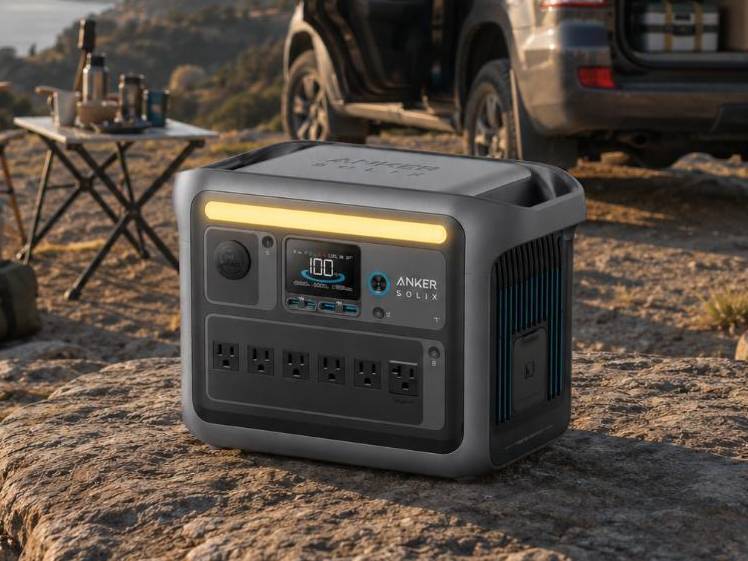
The AC70P competes with models from EcoFlow, Jackery, Anker, and other brands. Comparable products may include the EcoFlow DELTA 2, Jackery Explorer 1000 series, and Anker SOLIX models. Exact specifications and prices change, so compare current listings rather than relying on an old chart.
Important points to compare include:
- Usable battery capacity: advertised watt-hours are not the same as delivered AC energy.
- Continuous output: this matters more than short surge numbers.
- USB-C PD rating: 100W is useful for many laptops.
- Solar input: higher input can reduce solar recharge time in strong sun.
- AC recharge time: fast home charging is helpful before a trip.
- Battery chemistry: LiFePO4 is common in newer long-life models.
- Weight: extra capacity usually means extra weight.
- Warranty: terms, length, and service location matter.
- App support: useful for monitoring, but not essential for basic use.
- Price: discounts can change which model offers the best value.
The AC70P stands out when its combination of 768Wh capacity, 950W output, fast charging, LiFePO4 chemistry, and 500W solar input matches your needs. Another model may be better if it offers more capacity, a lighter body, a stronger inverter, or a lower price.
Do not choose based on advertised wattage alone. A 1,000W power station with poor solar input or slow charging may be less useful than a 950W station that recharges quickly and has the right ports.
Compare Portable Power Station Deals on Amazon
Who Should Buy the BLUETTI AC70P—and Who Should Skip It?
The AC70P makes the most sense when its capacity and output match your daily needs. Think of it as a strong middle-size battery. It can handle many personal electronics and modest appliances, but it is not meant to power a complete house.
Before buying, list the devices you want to run. Write down their wattage. Then estimate how many hours each device must work. This simple exercise can prevent disappointment.
Best for
The BLUETTI AC70P is a strong choice for:
- Campers and weekend travelers: It can run lights, phones, laptops, fans, and selected small appliances.
- Remote workers: The USB-C PD port can charge compatible laptops without using the AC inverter.
- Emergency backup: It can support routers, phones, LED lights, small TVs, and some medical electronics.
- Van-life users: The 12V outlet and solar input suit modest mobile power needs.
- Photographers and creators: It can recharge cameras, batteries, lights, and laptops away from a wall outlet.
- Tailgaters: It can power small speakers, lights, projectors, and charging stations.
- Home office users: It can keep communication devices and work tools running during short outages.
- People who want clean, quiet backup power: It produces no exhaust, unlike a fuel generator.
Check The Latest Price & Deals

Not ideal for
The AC70P may not be the right fit for:
- Whole-home backup: The battery is too small for several days of normal household use.
- High-wattage appliances: Heaters, hair dryers, large kettles, and cooking tools may exceed its output.
- Long refrigerator backup: A fridge may run, but runtime depends on its surge and average energy use.
- Users who need the lightest option: A small power bank is much easier to carry.
- Poor-weather solar charging: Clouds and shade can make solar input slow.
- Users who dislike fan noise: Cooling fans may be audible during charging or heavy use.
- Heavy daily power users: Repeated deep cycles can increase battery wear over time.
- Buyers with a very tight budget: A smaller station may offer better value for basic charging.
You should also skip it if you have not checked the output needs of your most important appliance. A power station is not a magic wall outlet. Its success depends on load size, startup surge, runtime, and charging access.
9 Best Portable Power Station For 12V Fridge:(Tested for Battery Life & Value)
Frequently Asked Questions
Is the BLUETTI AC70P a solar generator?
Yes. The AC70P can work as a solar generator when paired with compatible solar panels. The panels refill the internal battery, and the station then supplies AC, USB, or 12V DC power. It does not create power by itself, so panel size and sunlight conditions affect recharge speed.
How many watts can the BLUETTI AC70P handle?
Its standard rated AC output is about 950W. Power Lifting Mode may support certain resistive devices at a higher stated wattage, sometimes up to about 2,000W. That mode does not provide 2,000W of normal continuous output for every appliance.
Can it run a refrigerator?
It may run a suitable mini fridge or compact refrigerator if the startup surge stays within the station’s limits. Compressor cycling can improve runtime compared with constant-load calculations. Check the refrigerator’s starting watts and average watts before relying on it during an outage.
Can the AC70P charge a laptop?
Yes. A compatible USB-C laptop can use the 100W USB-C PD port. Larger gaming laptops or workstations may need more than 100W and may require the AC outlet and the original charger.
Is 768Wh enough for camping?
For weekend camping, it can be enough for phones, lights, laptops, cameras, fans, and other modest loads. It will not provide long runtime for electric heating or cooking. Your result depends on the total wattage and the number of hours you need each device.
Does it make noise?
The AC70P may use cooling fans during charging or high-power operation. Noise is usually less important outdoors but may be noticeable in a quiet room or tent. Low-power USB use may create less fan activity.
How long does the battery last?
Battery runtime depends on the load. A 10W light may run for many hours or days. A 900W appliance may run for less than an hour. A useful estimate is usable watt-hours divided by device watts, with a margin for inverter and charging losses.
Does it include solar panels?
Some packages may include panels, while others include only the power station and standard charging cables. Check the exact Amazon or BLUETTI bundle before buying. Confirm that the panel voltage and connectors match the AC70P.
Is LiFePO4 better than standard lithium-ion?
LiFePO4 batteries are valued for long cycle life and strong thermal stability. They are often heavier than some other lithium battery types. For a portable power station used for years, the longer cycle rating can be a major benefit.
Final Verdict: Is the BLUETTI AC70P Worth the Money?
The BLUETTI AC70P is worth considering if you need a capable middle-size portable power station. Its 768Wh LiFePO4 battery, 950W AC output, 100W USB-C PD charging, 12V output, fast AC recharge, and solar input give it a flexible feature set.
Its strongest point is balance. It has more capacity and appliance support than a basic power bank, yet it is smaller and easier to move than many large home backup stations. It can suit camping, remote work, travel, van use, and short emergency outages.
The main compromises are clear. At about 22.5 pounds, it is portable but not light. High-wattage appliances can drain it quickly or exceed its output. Fans may be audible, and solar charging depends heavily on weather and panel setup. Power Lifting Mode also does not replace a high-output generator.
Before buying, check the current price, warranty terms, included cables, solar compatibility, and return policy. Compare the AC70P with current EcoFlow, Jackery, and Anker models as well. Prices change often, and a competing unit may be a better deal during a sale.
Buy the BLUETTI AC70P if your real devices fit within its output and your estimated battery runtime meets your needs. Choose a smaller power bank if you only need phone and tablet charging. Choose a larger power station if you need several days of backup or must run high-wattage appliances. The right choice is not the model with the biggest number. It is the one that keeps your most important devices running when the wall outlet is not an option.