What To Wear When Camping In The Summer? Avoid Sunburn, Sweat & Bug Bites
Imagine stepping out of your tent as the sun rises. The air feels soft and warm. Birds chatter. Your coffee steams. You feel good because your clothes help you beat the heat, the bugs, and the chill that sneaks in at night. Summer camping is simple joy—if you dress for it. The right outfit keeps you cool, dry, and safe. The wrong one makes every small task feel hard. Let’s make sure you stay happy out there.
What should you wear when camping in the summer?
On a warm July weekend by the lake, you’ll want breathable, lightweight layers that handle sweat, sun, and sudden temperature drops. Think moisture-wicking shirts, quick-dry shorts or pants, and a light insulating layer for evenings. Comfort matters—but so does protection from bugs, sunburn, and scratchy trails. You’re dressing for changing conditions, not just the forecast.
Core summer camping outfit formula
Build a base outfit you can lean on every day. Keep it light. Keep it dry. Keep it simple. This formula is the heart of a comfy summer camp wardrobe.
- Lightweight moisture-wicking T-shirt or tank
- Quick-dry shorts or convertible pants
- Breathable underwear (no cotton if possible)
- Wool or synthetic socks
- Trail shoes or hiking sandals
Add a hat, sunglasses, and a light jacket at dusk. That is your “all-day, every-day” kit for most summer trips.
Why layering still matters in summer
It is easy to think layers are for winter. But summer swings. Shade, wind, and elevation change the feel fast. You will be glad you can add or remove warmth in seconds.
- Early mornings can feel surprisingly chilly
- Evenings by the fire cool off fast
- Weather shifts happen (wind, shade, storms)
Use thin layers. They weigh little. They pack small. They give you control over comfort from dawn to dark.
Why fabric choice matters more than style
It’s tempting to pack your favorite cotton tee, but after one sweaty hike or humid afternoon, you’ll regret it. Summer camping is all about moisture control—how fast your clothes dry, how they feel when damp, and whether they trap heat. The right fabric keeps you comfortable; the wrong one sticks, smells, and chills you at night.

Best fabrics for summer camping
Choose fabrics that move sweat off your skin. Quick-dry is the goal. Breathable is the secret. Durable is the bonus.
- Merino wool (lightweight, odor-resistant, surprisingly cool)
- Merino is nature’s smart fiber. It pulls sweat away. It controls stink. It keeps you cool in heat and warm in a breeze. A light merino tee can feel cooler than a damp cotton one.
- Look for 120–165 gsm for hot days. These weights feel feather-light. They dry fast too.
- Polyester blends (fast-drying, durable)
- Polyester is a workhorse. It dries in a flash and handles snags. It often costs less than merino. Many brands add anti-odor tech.
- Pick soft knits with some stretch for comfort. A small hit of elastane (spandex) helps.
- Nylon (great for pants and outerwear)
- Nylon is strong and smooth. It resists abrasion. It shines in shorts, pants, and wind shells.
- Quick-dry nylon with a bit of stretch moves well on the trail.
Pro tip: A mix of polyester and merino can blend the best of both worlds. You get odor control and fast dry time.
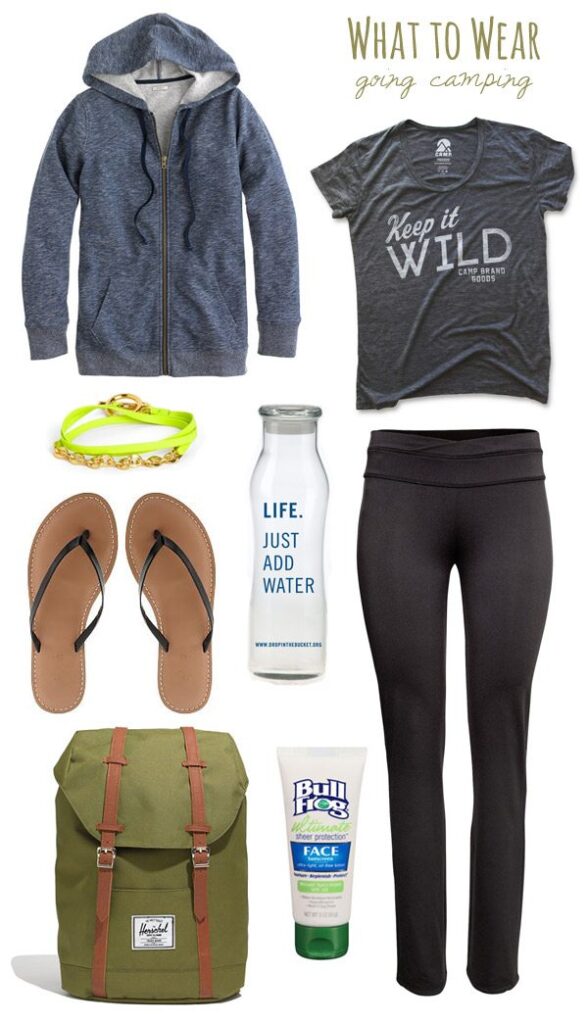
Fabrics to avoid (and why)
Some clothes feel fine in town but fall apart on the trail. The main issue is water. If it soaks and stays, you will stay wet and cold later. Skip these when you can.
- Cotton (holds moisture, dries slowly)
- Cotton is soft but heavy when wet. It can chill you even on a warm night. It also traps sweat and can smell fast.
- Heavy denim (restrictive and hot)
- Denim is tough but not for heat. It blocks airflow. It rubs when damp. It takes hours to dry.
If you love the look of denim or a favorite tee, wear it in camp for photos. Keep it out of your hiking kit.
What tops work best in hot, outdoor conditions
By midday—especially if you’re hiking or setting up camp—you’ll feel the sun working against you. The best tops keep air flowing and sweat moving away from your skin. A loose, breathable shirt often feels better than something tight, even if it looks less “athletic.”

Ideal shirt options
Match your top to your plan. Hiking at noon? Go wicking. Lounging in shade? Go soft and breezy. Lots of sun? Go long sleeves with UPF.

- Moisture-wicking T-shirts
- Polyester or merino tees are great. Pick lighter colors to reflect heat. Look for mesh panels in high-sweat zones.
- Long-sleeve sun shirts (for UV protection)
- UPF-rated shirts block rays better than sunscreen alone. Many have vents and roll-up sleeves. They keep you cooler than you think.
- Tank tops (great for lounging, less for bug-heavy areas)
- Tanks feel nice in camp. But they leave skin bare. In buggy places or scrub, your arms will thank you for sleeves.
A button-up sun shirt can be your most used top. You can pop the collar, roll sleeves, and vent heat fast.
Pro tip from experience
A light long-sleeve shirt can feel cooler than bare skin under direct sun. It creates shade you wear. Your skin stays calm. Your sweat can work as intended. You finish the day less fried and less tired.
The best bottoms for comfort, movement, and protection
After a full day outdoors—sitting on logs, scrambling over rocks, maybe spilling a bit of coffee—you’ll appreciate bottoms that move with you and don’t cling. The right pair handles sweat, dirt, and unexpected weather without becoming uncomfortable.
Top choices
Pick bottoms by activity and bugs. Shorts breathe best. Pants protect better. A convertible solves both needs in one piece.
- Quick-dry hiking shorts
- Choose a mid-thigh to knee length. Add a bit of stretch. A gusseted crotch helps with big steps on rocks.
- Convertible pants (zip-offs are surprisingly useful)
- They look goofy to some. But they shine on changeable days. Zip off for the climb, zip on for brush and bugs.
- Lightweight joggers or leggings
- Slim pants can be perfect for cool mornings. Look for light, stretchy, and breathable knits. Avoid cotton blends.
Cargo pockets are handy for maps, bars, and a small trash bag. Just do not overload them. Heavy pockets can chafe on long walks.
When to choose pants over shorts
Sometimes coverage beats airflow. If nature is scratchy or bitey, pants win.
- Bug-heavy areas
- Dense trails or scratchy terrain
- Cooler evenings
Add a thin base short under pants to reduce rub. You get the comfort of a short and the protection of a pant.
Footwear that won’t ruin your trip
Nothing derails a camping trip faster than sore, blistered feet. Whether you’re wandering around camp or heading out on a trail, your footwear needs to balance comfort, grip, and breathability. Wet socks or poor support can turn even a short walk into a miserable experience.
Best footwear options
Your best shoe depends on terrain, load, and water. Go lighter when you can. Go grippier when you must. Dry feet beat soggy feet every time.
- Trail runners (lightweight and breathable)
- Great for packed trails and warm days. They dry fast after stream crossings. Pair with good socks and you are set.
- Hiking sandals (great for water-heavy areas)
- Sandals shine near lakes and camp. They shake off water and sand. Pick models with toe protection and a solid sole.
- Lightweight hiking boots (if terrain demands it)
- Choose boots when you carry more weight or face rocky ground. Modern boots can be light and airy. Look for mesh panels.
Pack camp shoes. A simple slide, clog, or sandal makes chores easy. Your feet will love the break at night.
Sock strategy
Socks are your foot’s first defense. They move sweat. They add cushion. They help prevent hot spots.
- Wool or synthetic socks only
- Bring extra pairs (trust me, you’ll want them)
Carry one spare pair in a zip bag. Swap at lunch if your feet get damp. Hang the wet pair on your pack to dry.
How to dress for chilly summer nights
Even after a scorching afternoon, temperatures can drop quickly once the sun dips. Sitting around a campfire, you’ll feel that shift almost immediately. Having a warm layer ready—not buried at the bottom of your bag—makes all the difference.
Must-have evening layers
Add a soft, warm midlayer at dusk. Keep it near the top of your pack. You will reach for it almost every night.
- Lightweight fleece or hoodie
- Packable down or synthetic jacket
- Comfortable sweatpants or thermal leggings
Fleece handles sparks and mist better than some puffy jackets. Use your puffy for still air or chillier nights. Slip on warm socks for instant comfort.
Real-life tip
You’ll reach for that hoodie every single night, even if you think you won’t. Toss it on while you cook. Keep it by your chair. You will thank yourself when the breeze picks up.
Sun protection clothing you shouldn’t skip
It’s easy to underestimate the sun when you’re outdoors all day—especially near water or at higher elevations. A bad sunburn can sneak up on you and linger for the rest of your trip (and beyond). Clothing can be your first line of defense.
Key sun-protective items
Think of sun gear as portable shade. It takes no time to “reapply.” It protects where sunscreen often misses.
- Wide-brim hat or cap
- A brim shades your face, ears, and neck. A neck cape or buff adds more cover. Vent panels keep your head cool.
- UV-protective long sleeves
- Look for UPF 30–50+. Loose, vented shirts help sweat evaporate. Sleeves beat sun on long hikes.
- Sunglasses with UV protection
- UV-blocking lenses reduce eye strain. Polarized lenses cut glare off lakes and rock.
If you sweat a lot, choose collars you can pop. Shade your neck during high sun. It helps more than you think.
Bonus tips
Small choices keep you cooler all day. Think of how a white car stays cooler than a black one. Your clothes work the same way.
- Light colors reflect heat better
- Loose fits improve airflow
Add sunscreen to spots clothes do not cover: hands, ears, back of the neck, and calves if you wear shorts. Reapply often.
What to wear to stay protected from bugs
Mosquitoes have a way of showing up right when you’re trying to relax—usually around dusk, when you’re least prepared. The right clothing can reduce bites without needing to constantly reapply repellent.
Bug-resistant clothing strategies
Prevent bites with coverage and fabric choice. You are not trying to look like a beekeeper. You are making it harder for bugs to land and bite.
- Long sleeves and pants in the evening
- Light-colored fabrics (easier to spot ticks)
- Tightly woven materials
Tuck pants into socks if ticks are a concern. It looks dorky. It works. Do tick checks at night, even if you wore long pants.
Optional upgrades
If bugs love you, level up your clothing. Treated items keep pests away without sticky skin.
- Insect-repellent treated clothing
- Neck gaiters or buffs
Permethrin-treated fabrics repel ticks and mosquitoes. You can buy pre-treated gear or spray it at home. Always follow safety directions.
What to sleep in while camping in summer
After a long day outdoors, changing into clean, dry clothes feels incredible—almost like a reset button. What you sleep in should keep you comfortable through shifting nighttime temperatures without overheating or getting clammy.
Ideal sleepwear
Keep a dedicated sleep set. Dry. Soft. Simple. This small habit boosts sleep quality more than you expect.
- Lightweight moisture-wicking shirt
- Soft shorts or thermal bottoms
- Clean socks (underrated comfort boost)
Avoid sleeping in the clothes you sweat in all day. Moisture chills you at 3 a.m. Fresh layers also keep your sleeping bag cleaner.
Comfort tip
Always keep one “sleep-only” outfit dry and separate. Pack it in a small bag at the bottom of your pack. Do not wear it for anything else. You will look forward to this little luxury.
How to pack a simple summer camping wardrobe (without overpacking)
It’s tempting to bring “just in case” outfits, but you’ll end up wearing the same few items on repeat anyway. A smart, minimal packing strategy keeps your bag light and your choices easy.
2–3 day trip packing list
This list covers camps, light hikes, and lazy afternoons by the water. Adjust for your plans. Swap pants for shorts if the area is bug-free.
- 2–3 tops
- 1–2 bottoms
- 1 warm layer
- 1 sleep outfit
- 3–4 pairs of socks
- Underwear for each day
Add a hat, sunglasses, and a light rain shell. Toss in a buff or bandana. They do a hundred small jobs.
Smart packing habits
The best camping wardrobe is mix-and-match. Every top works with every bottom. Neutral colors hide dirt and pair well.
- Choose mix-and-match pieces
- Prioritize quick-dry over variety
- Roll clothes to save space
Make laundry simple. A tiny pack of camp soap and a line lets you wash a shirt at lunch. Things dry fast in summer sun.
Mistakes to avoid when choosing camping clothes
Everyone makes at least one of these mistakes on their first summer camping trip—and usually regrets it halfway through the day. A little planning saves a lot of discomfort later.
Common pitfalls
These errors sound small. They hurt a lot. Skip them and your trip feels smoother from the first mile.
- Wearing cotton in humid or active conditions
- Not bringing a warm layer
- Packing too many clothes
- Ignoring bug protection
Also avoid brand-new shoes on a big hike day. Break them in first. Blisters can end a trip early.
A small reality check
You’ll get dirty. Dress for it, not for Instagram. Pick gear that works, not gear that only looks good. Comfort earns better memories than cute photos.
Extra comfort hacks that make a big difference
Small tweaks pay off every hour. Here are field-tested tricks that keep you happy, dry, and calm when the weather swings or the bugs swarm.
Keep dry with a smart sweat plan
Sweat is the body’s cooling tool. Let your clothes help it do the job. Manage layers as you move.
- Start cool on hikes so you do not overheat in 10 minutes
- Vent early: unzip, roll sleeves, pop collars, loosen cuffs
- Swap a soaked shirt at lunch so you do not chill later
Carry a tiny pack towel. Dab sweat before layering up at dusk. Dry skin equals warm skin.
Create shade on demand
Shade is free AC in the backcountry. Build it with your clothes and a few tiny upgrades.
- Wear a brimmed hat and a light long-sleeve sun shirt
- Use a neck gaiter dipped in water for instant cooling
- Clip a small umbrella to your pack for exposed climbs
A reflective sun umbrella can drop the feel by several degrees in direct sun. It also helps in surprise showers.
Plan for surprise rain without packing heavy
Summer storms come and go. Dress and pack so you can ride them out with a smile.
- Carry a 6–8 oz rain shell or wind shell
- Switch to synthetic layers before rain arrives
- Wear quick-dry shorts and let legs get wet
Skip heavy rain pants unless temps drop. A light shell and fast-dry shorts beat swampy legs in warm rain.
Dressing for different summer destinations
Summer is not the same everywhere. Lakes, deserts, mountains, and coasts each add a twist. Tune your wardrobe to the place, not the month.
Lakes and forests
Moist air and bugs rule here. Plan for shade, damp mornings, and lots of mosquitoes at dusk.
- Long-sleeve sun shirts and pants to fight bugs
- Light fleece for cool, damp evenings
- Treated clothing if ticks are common
Choose shoes that handle mud. Bring a backup pair of socks for each day.
High desert and canyons
Days scorch. Nights cool fast. Sun bounce off rock can double the heat feel.
- UPF shirts with vents and a wide-brim hat
- Neck gaiter or bandana for dust and sun
- Light puffy for nights and early mornings
Drink more water than you think. Pale, loose clothes keep you cooler than black gear.
Alpine camps and mountain valleys
Even in July, alpine air bites at night. Storms can blow in fast.
- Warm midlayer and a light puffy
- Windproof shell for ridgelines
- Merino base under a sun shirt on long hikes
Use wool socks even with trail runners. Pack thin gloves and a beanie for dawn coffee.
Coastal sites and beaches
Sea breeze helps, but fog chills fast. Sand and salt add grit.
- Quick-dry shorts and a sun hoodie
- Wind shell for gusts and fog
- Water-friendly sandals and a rinseable shirt
Rinse salt from skin and clothes at day’s end. Salt rubs and can cause chafe if left.
Chafe prevention and skin comfort
Comfort is not just about temperature. It’s about reducing rub and hotspots. A few smart steps stop chafe before it starts.
Anti-chafe basics
Treat high-friction spots before your hike, not after. Prevention works best.
- Use anti-chafe balm on thighs, underarms, and under straps
- Pick seamless underwear with flat waistbands
- Choose longer inseam shorts if your thighs rub
Reapply balm mid-day if it is very hot. A tiny tube lives in your hip pocket.
Fit and seam check before you go
Chafe often comes from a tiny fit issue. Fix it at home, not at mile four.
- Do a “camp test” in your yard or a park
- Squat, climb stairs, and reach overhead in your kit
- Check pack straps and waist belt over your shirt
If a seam scratches you in 10 minutes, it will break you in three hours. Change it now.
Eco-friendly choices for summer camp clothing
You can care for the wild while you enjoy it. Pick clothes that last and tread lighter on the land.
Smarter buys
Durability beats fast fashion on trail. Look for quality seams and strong fabrics.
- Choose recycled polyester and responsibly sourced merino
- Repair small rips with patches or seam tape
- Wash less and air out more to save water
Buy right, buy once. A solid sun shirt can last many summers.
Responsible treatment use
Bug and sun safety matter. So does how we use chemicals.
- Follow labels for permethrin and keep it off cats
- Use reef-safe sunscreen near water
- Pack out all wipes and trash
Air clothes outside, not in streams. Protect the places that protect us.
Budget-friendly outfit ideas
You can build a great summer camp kit without big costs. Spend where it counts. Save where you can.
Where to spend a little more
Some items pay you back every trip in comfort and safety.
- Good socks (wool or synthetic)
- A UPF sun shirt you love to wear
- Trail shoes that fit your feet
These cut blisters, burns, and fatigue. They are worth it.
Where to save
Plenty of items do not need to be fancy.
- Quick-dry shorts from activewear sections
- Lightweight fleece hoodies on sale
- Generic hats and buffs
Thrift stores often have gems. Look for nylon hiking pants and button-up sun shirts.
Sample daily outfit plans
Here are simple, real-world outfits for common summer camp days. Use them as templates. Adjust to your style and weather.
Hot, exposed hike day
You need max sun cover with max airflow.
- UPF long-sleeve sun shirt, light color
- Quick-dry shorts or convertible pants zipped off
- Brimmed hat, sunglasses, and buff for neck
- Trail runners and wool socks
- Light rain or wind shell in pack
Start cool. Vent early. Keep sipping water all day.
Lazy lake day with a paddle
You will be in and out of water. Keep fabrics light and fast-drying.
- Synthetic tee or sun hoodie
- Water-friendly shorts with liner
- Sandals with good grip
- Hat with neck cape or buff
- Light fleece for after the swim
Rinse gear in fresh water if the lake is salty. Hang dry in shade to protect fabric.
Buggy forest evening and campfire chill
Bugs at dusk, chill by dark. Go for coverage first, warmth second.
- Long-sleeve shirt and long pants (tightly woven)
- Light fleece or hoodie at hand
- Wool socks and camp shoes
- Optional: treated clothing or a light bug net
Add a little repellent to cuffs, socks, and hat. It goes a long way.
Caring for your clothes on the trip
Clothing care on the go adds days of comfort. It also helps gear last longer.
Quick-clean routine
A 10-minute cleanup resets your outfit for the next day.
- Rinse shirts and socks in a gallon bag with a few drops of soap
- Squeeze, rinse, and hang to dry in shade
- Brush dirt from pants with a dry cloth
Avoid scented detergents in bear country. Unscented soap is best for nature and for you.
Drying tricks without a dryer
Air and sun are your friends. Use them well.
- Lay clothes on a rock in dappled sun to avoid UV damage
- Clip socks to your pack to dry as you walk
- Sleep with slightly damp items at your feet to finish drying
Do not put wet clothes in your sleeping bag if they are very damp. You will wake up cold.
Safety and comfort add-ons to wear
A few small items add safety without weight. Wear them or keep them easy to grab.
Micro-gear checklist
Think of these as your wearable toolbox.
- Whistle on a lanyard
- Small headlamp in pocket
- Bandana or buff for sun, sweat, and dust
- Lightweight gloves for chilly dawns
- Compact rain shell
These items cover many “what-ifs” with almost no bulk.
What should you wear when camping in the summer? (Recap)
Let’s wrap the main idea in one neat package. Summer camp clothes should breathe, dry fast, and protect you from sun, bugs, and brush. Mix light layers. Wear wool or synthetics. Keep a warm piece close for night. Bring a hat and good socks. Choose comfort over trend.
Core checklist at a glance
Here is the base you can trust, every time.
- Wicking top
- Quick-dry bottoms
- Wool or synthetic socks
- Trail shoes or sandals
- Hat, sunglasses, and a warm layer
Add bug and sun protection based on your location. Keep extras light. You are now set for most summer trips.
FAQs
Q: Can I wear cotton at all on a summer camping trip?
A: You can wear cotton in camp if the air is dry and warm. But skip it for hikes and sweat-heavy parts of the day. It holds water, gets heavy, and chills you when the breeze hits.
Q: Are hiking sandals okay for real trails?
A: Yes, for many trails. Choose sandals with toe caps and grippy soles. For rocky or rooty ground, trail runners or light boots offer better support.
Q: Do I really need wool socks in summer?
A: Wool works in heat too. It wicks well, resists odors, and helps prevent blisters. Thin merino socks feel great in warm weather.
Q: What is the best shirt weight for hot days?
A: Go for lightweight fabrics. For merino, look for 120–165 gsm. For synthetics, pick thin, airy knits with mesh panels.
Q: How many outfits do I need for a weekend?
A: Two or three tops, one or two bottoms, a warm layer, a sleep set, and socks for each day. You will re-wear items. Quick-dry gear makes this easy.
Q: Are leggings good for summer hiking?
A: Lightweight synthetic leggings can be great in shade or bug-heavy zones. Make sure they breathe well. Avoid cotton blends.
Q: What’s the best hat for sun protection?
A: A wide-brim hat offers the most shade. A cap plus a neck gaiter also works well. Pick breathable materials and a light color.
Q: Should I bring a rain jacket in midsummer?
A: Yes. Storms can roll in fast. A light shell protects you from wind and rain. It also helps with bugs when needed.
Q: How do I stop chafing on long, hot hikes?
A: Use anti-chafe balm before you start. Wear seamless, wicking underwear and longer inseam shorts. Reapply balm mid-hike if it’s very hot.
Q: How can I protect myself from ticks?
A: Wear long pants and light colors. Tuck pants into socks in high-risk areas. Use permethrin-treated clothing and do daily tick checks.
Conclusion
Summer camping outfits should be light, strong, and ready for change. Start with moisture-wicking tops, quick-dry bottoms, and wool or synthetic socks. Add a brimmed hat, sunglasses, and a warm layer for dusk. Choose fabrics that dry fast and breathe well. Wear long sleeves and pants when bugs swarm or trails get scratchy. Pack smart, not heavy.
Dress for sun, sweat, and surprise chills—not just the forecast. If your clothes manage moisture, protect your skin, and move with you, every step feels easier. You sleep better. You smile more. And your trip turns into a string of small, perfect moments: sunrise coffee, a breeze at noon, a fire after dark. Put on the right layers, and summer camping does the rest.