What To Take In A Cabin: Don’t Leave Home Without These Essentials
Pack warm layers, bedding, basic cooking gear, toiletries, lighting, first-aid, and entertainment items.
As someone who has spent many weekends in rented and remote cabins, I know exactly what to take camping in a cabin. This guide breaks down the items that make a cabin stay cozy, safe, and carefree. Read on for a practical, experience-driven checklist and tips to help you pack efficiently and avoid common mistakes when planning what to take camping in a cabin.

Essentials checklist
Start with the basics. These are items you will likely use every day. They cover comfort, safety, and food prep.
- Identification and booking info: reservation confirmation, photo ID, and directions.
- Wallet and keys: cash, cards, and cabin keys or keypad codes.
- Phone and charger: daily use and emergency contact.
- First-aid kit: bandages, antiseptic wipes, pain reliever, and any personal meds.
- Basic tools: multi-tool, duct tape, and a small flashlight.
Choosing what to take camping in a cabin starts with these essentials. They save time and calm nerves before you unpack more gear.
Sleeping and bedding
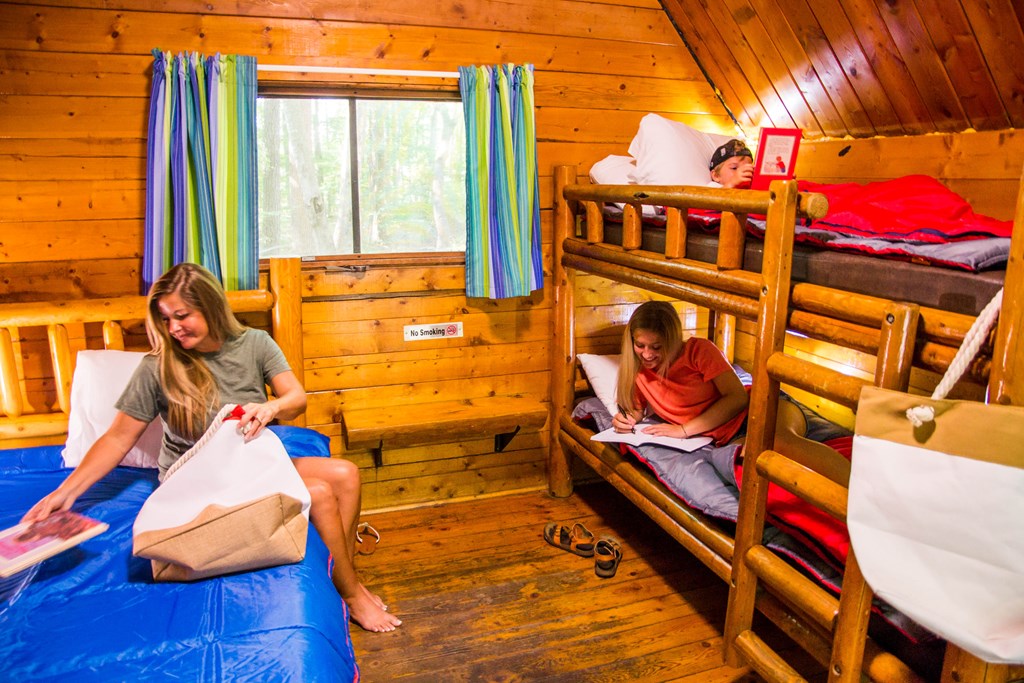
Many cabins provide bedding. Some do not. Always check your rental listing. Bring your own when unsure.
- Sheets and pillowcases: fitted sheet and one pillowcase per person.
- Sleeping bag or comforter: choose by season and cabin heating situation.
- Pillows: one per person for comfort.
- Extra blanket: useful for chilly nights or outdoor star-gazing.
- Sleep mask and earplugs: for light sleepers.
From experience, I always bring a light sleeping bag even if sheets are listed. It doubles as an extra blanket and keeps me comfortable. Packing smart for what to take camping in a cabin reduces late-night cold and restless sleep.
Kitchen and food planning
Plan meals and bring supplies if the cabin kitchen is limited. Think simple and pack for the number of people.
- Meal plan: list of breakfasts, lunches, dinners, and snacks.
- Nonperishable staples: pasta, rice, canned beans, and spices.
- Fresh items: eggs, bread, butter, and produce for the first day.
- Cookware and utensils: skillet, pot, spatula, sharp knife, cutting board, and can opener.
- Plates, cups, and utensils: reusable sets cut down waste.
- Cleaning supplies: dish soap, sponge, trash bags, and paper towels.
I learned to bring my favorite coffee when a cabin’s coffee supply disappointed me. A small cooler kept fresh items fine on arrival. Thoughtful planning makes what to take camping in a cabin stress-free and tasty.
Clothing and footwear
Pack clothing for the weather and layers for changing conditions. Footwear should match planned activities.
- Base layers: t-shirts and long-sleeve shirts.
- Insulating layers: fleece or wool sweater.
- Outer layer: waterproof jacket or windbreaker.
- Pants and shorts: for hikes and relaxing.
- Sleepwear and socks: extra socks for hikes.
- Sturdy shoes: hiking boots or trail shoes.
- Camp shoes: sandals or slip-ons for cabin wear.
A rule I follow: pack one outfit per day plus two extras. That rule helped me when unexpected rain forced outfit changes during a past cabin trip. Knowing what to take camping in a cabin for clothes avoids cold or wet surprises.
What to Pack for Camping in a Cabin? Here’s the List That Saves Every Trip
Safety, first aid, and emergency gear
Safety should be simple and visible. Keep items handy and tell your group where they are stored.
- First-aid kit: adhesive bandages, sterile gauze, tweezers, and blister care.
- Emergency light: headlamp and extra batteries.
- Fire supplies: matches, lighter, and a small fire extinguisher if the cabin lacks one.
- Personal meds and allergy items: antihistamines, inhalers, and prescriptions.
- Local emergency contacts: nearest hospital, ranger station, and property manager.
I once used a headlamp for a late-night walk to the car. That single item made the trip safer. Including essential emergency gear when choosing what to take camping in a cabin is a small effort with big payoff.
Lighting, power, and electronics
Cabins vary widely in power access. Prepare for both connected and off-grid stays.
- Portable chargers and power banks: charge phones and small devices.
- Extension cord and power strip: cabins often have limited outlets.
- Lanterns and flashlights: choose LED for long battery life.
- Extra batteries: for lanterns and flashlights.
- Small fan or heater: only if cabin rules allow and you have safe power.
When a breaker tripped at a winter cabin, my extra LED lantern kept the evening bright and calm. Expect issues and bring backups when you decide what to take camping in a cabin.

Cleaning, hygiene, and toiletries
Cabin standards vary. Pack items that make your stay feel fresh and easy to maintain.
- Toiletries: toothbrush, toothpaste, soap, shampoo, and deodorant.
- Towels and washcloths: check if the cabin provides them.
- Hand sanitizer and masks: for close quarters or public areas.
- Laundry bag: keep dirty clothes separate.
- Small broom or wipes: to leave the cabin tidy.
I always pack a small tub laundry soap for quick washes. It helps when clothes get damp from hikes. These small comforts matter when choosing what to take camping in a cabin.
Outdoor gear and activities
Match your gear to planned activities. Even quiet cabin trips can include hikes and outdoor fun.
- Daypack: for hikes and short outings.
- Water bottles and filter: hydrate on trails.
- Fishing, paddling, or climbing gear: only if you plan to use it.
- Binoculars and guidebooks: for birding or stargazing.
- Games and books: board games and a few paperbacks.
On one trip, we left binoculars at home and missed a great eagle sighting. Always think through planned activities before deciding what to take camping in a cabin.

Cabin-specific considerations
Cabins have unique rules and features. Confirm these before you pack.
- Heating and cooling: know if the cabin has heat, a wood stove, or AC.
- Water source: runs on well, spring, or municipal supply.
- Bathroom type: flush toilet, composting, or outhouse.
- Pet policy: bring pet bedding and bowls if pets are allowed.
- Trash and recycling rules: pack appropriate bags and follow local rules.
I once brought a space heater where the owner forbade extra heaters. That mistake cost a small fee. Always read the listing to refine what to take camping in a cabin.
Packing and organization tips
Pack once and unpack simply. Organization saves time and reduces clutter in small cabins.
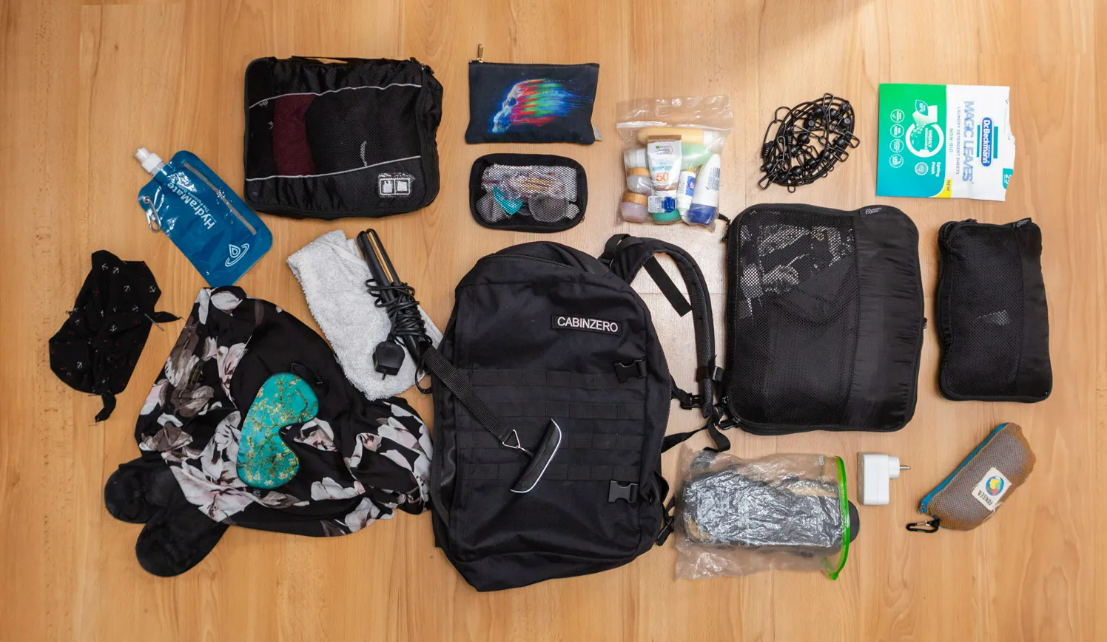
- Use packing cubes: separate clothes, toiletries, and electronics.
- Keep a meal bag: all cooking basics in one tote.
- Label storage: small bins help locate items fast.
- Leave an essentials bag: phone charger, meds, and a light.
I lay out items at home before packing. That visual check catches forgotten items. This step improves how you choose what to take camping in a cabin.
Common mistakes to avoid
Avoid these missteps to keep your trip smooth and safe.
- Relying only on the listing: always confirm what the cabin provides.
- Overpacking heavy gear you won’t use: it adds car clutter.
- Ignoring weather reports: poor planning leads to weak gear choices.
- Forgetting backup batteries and chargers: small tech failures quickly frustrate.
After a trip spoiled by rain and no waterproof boots, I learned to check the forecast and pack for worst-case weather. That lesson shaped my checklist for what to take camping in a cabin.
PAA-style questions
Here are quick answers to common search-style questions about packing for cabins.
Do I need to bring bedding to a cabin?
Some cabins provide bedding but many do not. Check the listing, and bring lightweight sheets or a sleeping bag if in doubt.
Should I bring my own cooking gear?
If the cabin kitchen is basic or unlisted, bring a pot, pan, utensils, and a can opener. Simple gear covers most meals.
How much food should I pack for a weekend cabin trip?
Plan full meals and snacks for the group plus one extra meal. This buffer helps with delays or extra hunger.
Is it safe to use space heaters in cabins?
Only use heaters approved by the cabin owner and follow safety rules. Unapproved heaters can be a fire risk.
What electronics are worth bringing?
Bring phone chargers, a power bank, and a headlamp. Extras like speakers are optional for comfort.
Frequently Asked Questions of what to take camping in a cabin
What are the most essential items to bring to a cabin?
Always bring ID, reservation details, first-aid supplies, basic cookware, and warm layers. These items cover safety, food, and comfort.
How do I pack for a cabin with limited utilities?
Pack battery-powered lights, a portable charger, extra blankets, and nonperishable food. Plan low-tech meals and indoor activities.
Should I bring cleaning supplies to a rented cabin?
Bring basic supplies like dish soap, sponge, and trash bags. Most hosts expect you to leave the cabin tidy.
Are linens usually provided in cabins?
Many cabins list linens as provided, but not all do. Confirm before you go and bring sheets or a sleeping bag if unsure.
What outdoor items are handy for a cabin stay?
A daypack, water bottle, hiking shoes, and binoculars are useful for most cabin locations. Tailor gear to planned activities.
Conclusion
Packing well makes a cabin trip relaxing and fun. Focus on essentials: bedding, basic kitchen gear, safety items, and clothing for the weather. Use a simple meal plan, bring backups for light and power, and check the rental listing for cabin specifics. Take one action today: make a checklist using this guide and pack it the night before your trip. If this helped, leave a comment, share your cabin tips, or subscribe for more packing guides and cabin-tested advice.