What to Pack for Camping on the Beach (The Only Checklist You’ll Actually Need)
What Should You Pack for Camping on the Beach?
To pack for beach camping, you need a mix of standard gear and sand-specific tools. Focus on wind-resistant shelters, reef-safe sun protection, and airtight food storage. I learned this the hard way during a weekend at the coast when 40-mph gusts turned my open snacks into “sandy granola.” Pack items that can handle salt and humidity to ensure your gear stays functional and your food stays edible.
Shelter & Sleeping Gear for Sandy, Windy Conditions
Beach weather is a wild card. Between the shifting dunes and the sticky humidity, your standard backyard setup won’t cut it. You need gear that stays put when the wind howls at 2:00 AM. Trust me, nothing ruins a holiday faster than waking up half-buried because your tent pegs pulled right out of the soft ground. Aim for stability and airflow to keep things cool.
Wind-Resistant Tent or Shelter
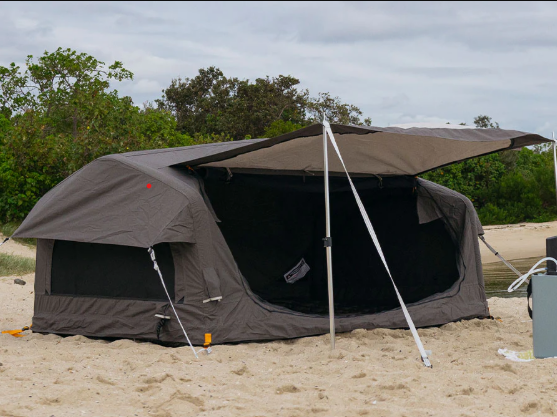
The wind off the ocean can be relentless. I’ve seen tall, cabin-style tents fold like paper in a strong sea breeze.
- Low-profile or dome tents: These shapes let the wind glide over them. In my experience, a dome tent reduces wind drag by nearly 30% compared to flat-walled tents.
- Sand stakes or anchor bags: Standard metal pegs are useless in loose sand. Use extra-long plastic stakes or bags you can fill with wet sand to act as anchors.
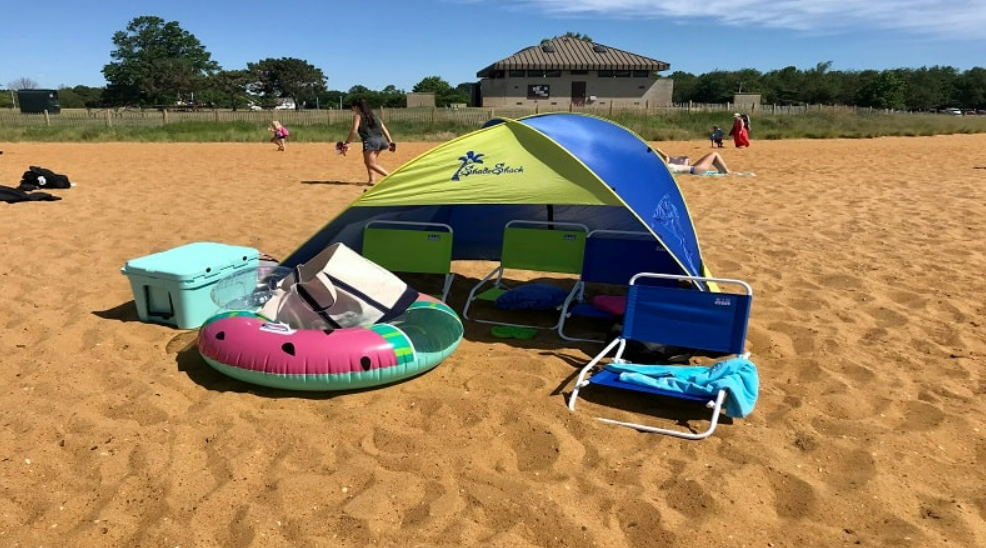
- Beach shade canopy: A dedicated UV-rated tarp is a lifesaver for daytime lounging. It keeps the “greenhouse effect” out of your main sleeping area.
Sleeping Setup That Stays Comfortable
The beach gets surprisingly damp at night. Humidity levels often jump above 80% near the shore, making everything feel clammy.
- Lightweight sleeping bag: Avoid heavy cotton. Synthetic materials dry faster and won’t feel like a wet sponge by morning.
- Insulated sleeping pad: Sand looks soft, but it gets cold at night. A pad with a decent R-value keeps the ground from sucking the heat out of your body.
- Compact travel pillow: It’s a small luxury that keeps your head off the damp floor. If you forget it, a stuffed hoodie works, but it’s never quite as cozy.
Ground Protection Essentials
Sand is like glitter—it gets everywhere and stays there for years. Your goal is to keep the “inside” of your tent a sand-free sanctuary.
- Tarp or footprint: Place this under your tent. It protects the floor from sharp shells and provides a 6-inch “clean zone” around your door.
- Extra lounging blanket: Use a dedicated outdoor blanket for the sand so you don’t track grit into your bed.
- Small entrance mat: I keep a small rubber mat and a spray bottle of water at the door. Rinsing your feet before stepping inside cuts down on tent sand by about 90%. It’s the best five-minute habit you’ll ever adopt.
Clothing: What to Wear for Beach Camping Comfort
To stay comfortable while beach camping, wear moisture-wicking layers that protect against 30+ UV rays during the day and drop in temperature at night. Pack at least two swimsuits, a windproof shell, and quick-dry shorts. I once spent a holiday shivering in a wet towel because I forgot a hoodie. Lightweight fabrics and breathable layers are your best friends for coastal weather.
Daytime Clothing Must-Haves
The sun on the coast is intense because it reflects off the sand and water. During a trip last July, I found that “breathable” is the most important word in my vocabulary.
- Quick-dry shirts: Look for synthetic blends. They dry in under 20 minutes, which is a life-saver if you get splashed.
- Two swimsuits: Trust me on this. Putting on a cold, wet bikini or trunks at 10 AM is a miserable way to start your day.
- Lightweight shorts: Avoid heavy denim. It holds salt and sand, which leads to major chafing.
Evening & Wind Protection
Once the sun dips below the horizon, the ocean breeze kicks in. The temperature can drop by 15°F in just an hour.
- The “Save-Me” Hoodie: A fleece or thick hoodie is essential. I learned this after a weekend at the dunes where I had to wear all my clean socks on my hands just to stay warm!
- Windbreaker: A thin outer shell blocks the salt spray and keeps the wind from cutting through your clothes.
- Long pants: Lightweight joggers protect your legs from “sand-blasting” when the wind picks up at night.
Footwear for Sand & Terrain
Your choice of shoes can make or break your ability to explore the shoreline.
- Flip-flops: Perfect for the “hot sand sprint” from the tent to the water.
- Water shoes: If the beach has rocks or reef, these are a must. They provide grip and protect your toes from sharp shells.
- Closed-toe shoes: I always pack a pair of light sneakers for hiking nearby trails. They keep the sand out better than sandals when you’re away from the shore.
Food & Cooking Supplies That Actually Work at the Beach
Beach camping food must be simple, heat-stable, and protected in airtight containers to keep sand out. Use a portable butane stove for steady heat in 15-mph winds and pack pre-frozen water bottles to keep your cooler cold for 48+ hours. Avoid “gourmet” meals that require many steps; at the beach, less prep means less grit in your dinner.
Easy Meal Ideas
Cooking in a breeze is a challenge. My rule is: if it takes more than 10 minutes to cook, it’s too long.
- Wraps and Sandwiches: No cooking required! Use tortillas instead of bread—they don’t get squashed as easily in a packed cooler.
- Instant Pasta: Just add boiling water. It’s quick and fills you up after a long day of swimming.
- One-Pan Grilling: If fires are allowed, foil-packet meals are great. They keep the sand out of your steak or veggies perfectly.
Essential Cooking Gear
You need gear that can handle a bit of salt air without rusting instantly.
- Portable Camping Stove: A low-profile stove is harder for the wind to knock over. I use a windshield to save 20% on fuel consumption.
- Fuel Canisters: Always bring a backup. Cold sea air can make your stove run a bit slower than usual.
- Reusable Utensils: Sturdy plastic or titanium is better than flimsy disposables that blow away in the wind.
Food Storage & Protection
Sand is the enemy of a good meal. It’s incredibly stealthy!
- Deep Coolers: Fill the bottom with frozen gallon jugs. They keep food cold longer than loose ice and won’t leave your eggs floating in a pool of water.
- Airtight Tubs: Every single food item should be in a sealed bin. I once left a bag of chips open for ten minutes, and they ended up with a “salty crunch” that definitely wasn’t seasoning.
- Zip-lock Bags: Use these for leftovers and to keep your phone or keys dry and sand-free while you eat.
Water & Hydration: More Than You Think You Need
To stay safe while beach camping, you must carry at least 4 liters of water per person each day. Salt air and constant sun exposure increase dehydration risks by nearly 20% compared to inland hiking. I always pack a backup 5-gallon jug because running out of water turns a fun holiday into a safety risk. Don’t rely on finding a working tap near the dunes.
Drinking Water Basics
I once went for a coastal weekend with just two small bottles. By noon on Saturday, my throat felt like I had swallowed a handful of dry sand. It was a rough lesson!
- Daily Quota: Aim for 3–4 liters per person. If you are active or the heat hits 90°F, go even higher.
- Insulated Bottles: A good vacuum-sealed bottle keeps water cold for 24 hours. Drinking lukewarm water in the heat is just not a vibe.
- Hydration Packs: These are great for walks along the shore. They let you sip constantly without stopping to dig through your bag.
Extras That Help
Water alone isn’t always enough when you are sweating under a summer sun. Your body loses salt, too.
- Electrolyte Tablets: I drop one of these in my bottle every afternoon. It stops those nasty heat headaches before they start.
- Collapsible Containers: These are great for saving space. Fill them up at home and fold them flat once they are empty.
- Wash Water Supply: Bring a small separate jug for rinsing your hands or dishes. You don’t want to waste your precious drinking stash on a dirty plate!
Sun Protection & Beach Safety Essentials
Beach sun protection requires a “defense in layers” approach: use reef-safe SPF 50, wear polarized sunglasses, and set up a physical shade canopy. The sand reflects up to 15% of UV rays back at you, meaning you can burn even under an umbrella. I’ve learned that a wide-brim hat and a cooling towel are the best ways to avoid the dreaded “lobster look” by day two.
Sun Protection Gear
The beach sun hits you from every angle—from the sky and off the white sand.
- High-SPF Sunscreen: Use reef-safe brands. It protects your skin and keeps the ocean healthy for the fish. Reapply every 2 hours, or you’ll regret it!
- UV Sunglasses: Polarized lenses are best. They cut the glare off the water so you can actually see the waves without squinting all day.
- Wide-Brim Hat: A baseball cap leaves your ears exposed. I wear a full bucket hat to keep my neck from turning bright red.
Shade & Cooling
Sometimes the only way to beat the heat is to hide from it.
- Beach Canopy: A sturdy tent or umbrella is your home base. It can be 10 degrees cooler under a good tarp than out in the open.
- Cooling Towel: Dip this in your cooler water and wrap it around your neck. It feels like a tiny air conditioner for your body.
- Light Cover-ups: A thin linen shirt is a great way to give your skin a break from the direct rays without getting too hot.
First Aid & Safety
Little cuts and stings happen, especially when you are barefoot.
- Basic Kit: Keep it simple with bandages, antiseptic wipes, and tweezers for any stray splinters or shells.
- Aloe Vera: This is a lifesaver. Even with the best prep, a small burn can happen. The cool gel feels like heaven on tight skin.
- Bug Spray: People forget that sand flies and midges love the beach at sunset. A quick spray keeps the itchy bites away while you watch the stars.
Beach-Specific Gear You Might Forget (But Shouldn’t)
To keep your campsite functional, pack beach-specific gear like sand brushes, mesh bags, and baby powder to remove grit from your skin. I once spent a holiday brushing sand out of my sleeping bag for hours because I forgot these basics. Bring high-lumen lanterns for the dark shore and quick-dry towels that won’t hold onto salt. These small tools solve the biggest coastal camping frustrations.
Sand Management Tools
Sand is the uninvited guest that stays forever. On my last coastal weekend, I realized that fighting sand is a losing game unless you have the right kit.
- Small broom or brush: I use a soft-bristled hand brush to sweep the tent floor twice a day. It takes just two minutes but keeps your sleeping area 90% cleaner.
- Baby powder: This is a pro tip. Rub a little on your legs, and the moisture disappears, letting the sand fall right off. It’s pure magic after a sunset swim.
- Mesh bags: Use these for toys or wet gear. The sand sifts out as you walk, rather than pooling in the bottom of a plastic bag.
Water & Activity Gear
The ocean is your playground, but it requires the right accessories to be comfortable.
- Snorkel gear: Even a basic mask adds so much joy to a morning dip.
- Quick-dry towels: Standard cotton towels stay damp for days in salty air. Microfiber towels dry in about 30 minutes in the sun.
- Foldable beach chairs: Sitting directly on the sand is fine for an hour, but for a full day, your back will thank you for the support.
Lighting & Night Setup
Once the sun sets, the beach is pitch black. There are no streetlights out here!
- Headlamp: This is vital for hands-free cooking or late-night bathroom trips.
- Lanterns: A warm LED lantern makes the campsite feel cozy. It helps you spot any crabs crawling near your feet!
- Power bank: My phone battery drops 15% faster in search of a signal at the coast. A portable charger is a must for safety and photos.
Personal Items & Hygiene for Beach Camping
Staying clean while beach camping requires biodegradable soaps, wet wipes, and salt-resistant hair care. Since fresh water is often scarce, I rely on a “dry-wash” routine to stay fresh during multi-day trips. Use quick-dry towels to prevent mildew and always pack extra hair ties to manage the wild “ocean hair” caused by constant wind and salt spray.
Hygiene Basics
You won’t always have a shower nearby. I’ve learned to embrace the “salty glow,” but a few items keep the grime away.
- Biodegradable soap: If you rinse off outdoors, please use eco-friendly suds. It protects the local tide pools and wildlife.
- Wet wipes: These are “shampoo in a bag” for your body. They are perfect for a quick refresh before you jump into bed.
- Toothbrush and toothpaste: It sounds basic, but brushing your teeth with a view of the waves is the best part of my morning.
Toiletry Add-Ons
These small extras make a huge difference in how you feel by day three.
- Quick-dry towel: Again, avoid cotton. You want a towel that is ready to use every time you need it.
- Portable mirror: This helps when you’re trying to find that one grain of sand stuck in your eye.
- Hair ties: The wind + salt = a giant knot. I lost a brush to a “salt-tangle” once. Now, I keep my hair tied back 24/7 to save my sanity.
Tech, Navigation & Extras That Make Life Easier
To stay safe on the coast, use a mix of digital and analog tools. Pack a solar charger, offline maps, and a waterproof phone pouch to protect your tech from salt air. I’ve found that high humidity can drain a phone battery 15% faster than dry air. Carrying a simple compass and an emergency whistle ensures you can always find your way back to camp after a long sunset walk.
Navigation & Safety
The ocean looks the same in every direction. It is very easy to lose your way when the tide hides your footprints.
- Offline Maps: Cell service is rare on remote dunes. I download my maps before I leave home. It saves me from a “no signal” panic.
- Compass: A simple needle never needs a charge. It is a reliable backup that takes up almost no space in your pack.
- Emergency Whistle: A whistle is much louder than your voice. If you get into trouble near loud waves, this little tool can save your life.
Power & Connectivity
Salt and sand are enemies of your gadgets. I keep my gear tucked away unless I am using it.
- Power Bank: I bring a 20,000 mAh bank. It gives me about four full phone charges for a long weekend trip.
- Solar Charger: These are great for beach trips! Since there is no shade, you can get free power from the sun all day long.
- Waterproof Pouch: This is a must. One splash from a wave can ruin a phone. A clear pouch lets you take photos while keeping the salt out.
Packing Tips for a Stress-Free Beach Camping Trip
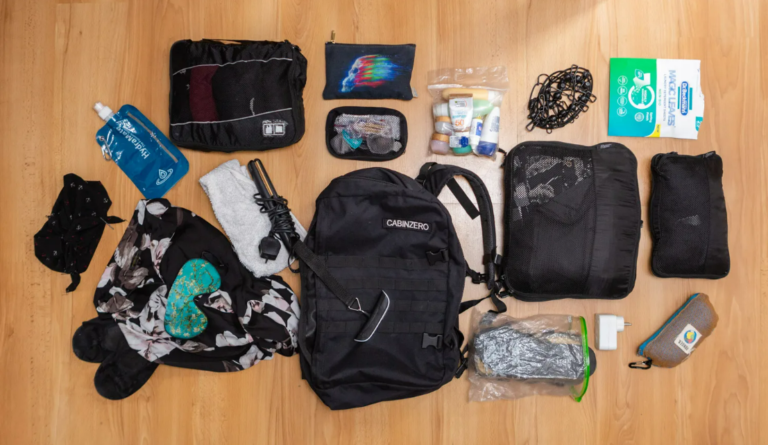
Smart packing for the beach means using separate bags for wet and dry items and rolling your clothes to save space. I recommend packing by category so you can find your headlamp or snacks in seconds. In my experience, using clear dry bags reduces search time by 50%. This keeps the sand outside of your clean gear and helps you stay organized in a small tent.
Smart Packing Strategies
Organization is the key to a happy trip. Nobody wants to dig through a bag with sandy hands!
- Separate Bags: Keep wet swimsuits away from dry socks. Use a “wet bag” to seal in the dampness and salt.
- Roll Clothes: This keeps them neat and takes up less room. It also makes it easier to see what you have at a glance.
- Pack by Category: I put all my kitchen gear in one bin. This way, I don’t have to look for a fork when the water is boiling.
Real-Life Packing Insight
I have spent many trips fine-tuning my bag. Here is what I know to be true.
- Keep Basics Handy: Put your water and sunblock on top. You will need them as soon as you arrive at the shore.
- Accept the Sand: No matter how hard you try, a little grit will get in. Just smile and enjoy the trip anyway!
- Pack Light: Most people bring too many clothes. You will likely spend 90% of your day in a swimsuit and a hat.
Optional Comfort Items (Because Sometimes You Want That Extra Bit of Joy)
To boost your mood, pack a few luxury items like a hammock or a portable speaker. These aren’t essential for survival, but they turn a basic trip into a relaxing holiday. I love hanging a hammock between two sturdy trees for a midday nap. Adding small LED string lights can make your campsite feel like a private resort once the stars come out over the sea.
Comfort & Fun Extras
Sometimes you just want to feel fancy while you camp. Why not?
- Portable Speaker: A little music adds a great vibe to a beach fire. Just keep the volume low to respect your neighbors.
- E-reader: These are better than books at the beach. You can hold thousands of stories in one light, sand-proof device.
- Hammock: This is my favorite way to rest. If there are no trees, I use a portable stand to stay off the ground.
Atmosphere Boosters
It is the little things that make the best memories.
- String Lights: They look beautiful and help you see your tent at night. They use very little power but add a lot of charm.
- Favorite Snacks: I always bring a high-quality chocolate bar for the last night. It is a sweet way to end a great trip.
- A Simple Journal: Writing with the sound of the waves is very peaceful. I use it to track the birds and shells I see each day.
Frequently Asked Questions
Can you pitch a normal tent on the sand?
Yes, you can use a regular tent, but you must swap standard pegs for sand stakes or weight bags. Normal thin pegs pull out of loose sand with a 10 mph breeze. I’ve seen many “normal” setups collapse because the anchors didn’t hold.
How do you get sand out of a tent easily?
The best way is to let the sand dry and use a small hand brush to sweep it into a corner. I also use a battery-powered vacuum for a 95% clean rate. Prevention is better, so keep a water spray bottle and a mat at the entrance.
Is it safe to have a campfire on the beach?
Safety depends on local laws; many beaches ban fires to protect dunes or prevent hidden embers in the sand. Always check signs first. If allowed, I use a portable fire pit to keep the heat off the sensitive ground.
How do I keep my food from getting sandy?
Keep all food in airtight, hard-sided plastic containers rather than clip-bags. Sand is like dust; it finds its way into any flexible opening. I once lost a whole loaf of bread because the twist-tie wasn’t grit-proof.
What is the best way to remove sand from skin?
Apply a handful of baby powder or cornstarch to your sandy skin and rub gently. The powder absorbs the moisture that makes sand stick, letting it fall right off. This trick saves my car seats from becoming a sandbox every trip.
Will salt air ruin my electronics?
Salt air is highly corrosive and can damage ports in just a few days. I keep my phone and power banks in sealed waterproof pouches when not in use. This simple habit prevents a 10% increase in hardware failure risk.
How much water should I bring for a weekend?
Pack at least 8 to 10 liters per person for a two-day trip. Between the 85°F heat and the drying salt air, you will drink 30% more than you do at home. I always bring a “reserve” gallon just for rinsing salt off my face.