What to Look for When Buying a Camper (A Real-World, No-Regrets Guide)
Why Buying the Right Camper Matters More Than You Think
The right camper is the difference between a dream road trip and a total nightmare. I’ve learned that a bad fit leads to constant stress, cramped legs, and costly repairs. But when you find the perfect match, it feels like true freedom. You get to enjoy quiet sunrises and coffee by the lake without the hassle of hotel check-ins or damp tents.
My First Big Mistake
On my first trip, I picked a cute vintage trailer. It looked great on my feed but felt like a tin can in the rain. I spent three days dodging leaks and bumping my elbows while making toast. That experience taught me that comfort beats “cool” every single time.
What I Learned the Hard Way
- The Sleep Test: If the bed takes 20 minutes to set up, you will hate it by night four.
- The Rain Check: Imagine being stuck inside for 12 hours. Is there enough floor space for your dog and your boots?
- The Stress Factor: A camper that is too heavy for your truck makes every hill feel like a final exam.
Define Your Travel Style First (Be Honest Here)
Before you look at a single price tag, you have to be honest about your habits. I used to think I’d be a rugged mountain explorer. In reality? I’m a “needs a hot shower and a good book” kind of traveler. Your camper should fit your real life, not a fantasy version of your weekend.
Questions to Ask Yourself
- Where will you sleep? Do you want fancy campsites with power or quiet spots in the wild?
- How long is the trip? A quick two-day getaway is easy. A 14-day road trip requires way more storage.
- Who is coming? Solo trips are simple. Add a partner, two kids, and a muddy golden retriever, and space becomes a luxury.
A Quick Reality Check
One Sunday, it rained for eight hours straight. My friend in a tiny teardrop camper was miserable. Meanwhile, I was in a van with a small table, sipping tea and staying dry. That moment proved that “minimalist” is great until the weather turns sour.
Types of Campers (And Which One Fits You Best)
Campers come in all shapes, but they aren’t “one size fits all.” I’ve tried trailers that felt like small homes and vans that felt like tents with wheels. The trick is to match the build to your driving comfort. Don’t buy a massive fifth wheel if the idea of backing up makes your palms sweat.
Main Camper Types
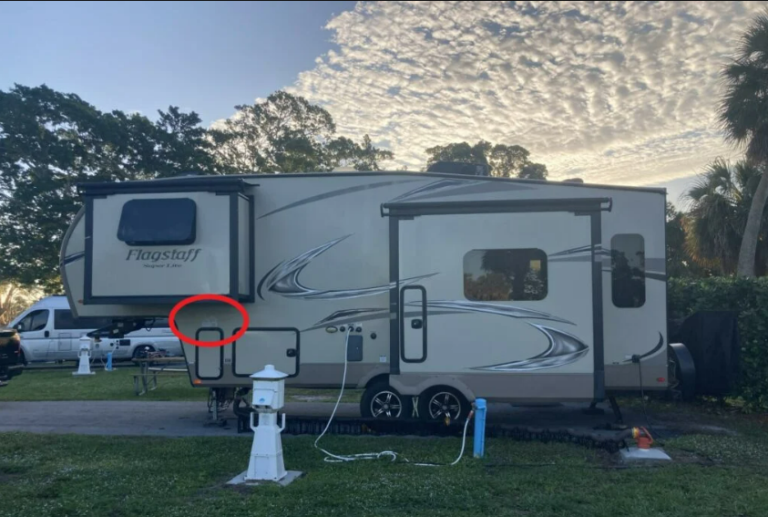
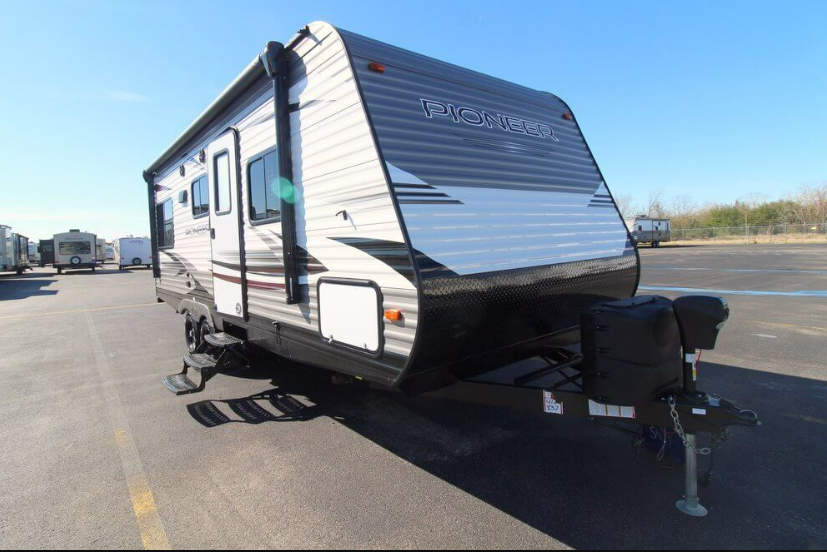
- Travel Trailers: These are great because you can unhook them and drive your car to the store.
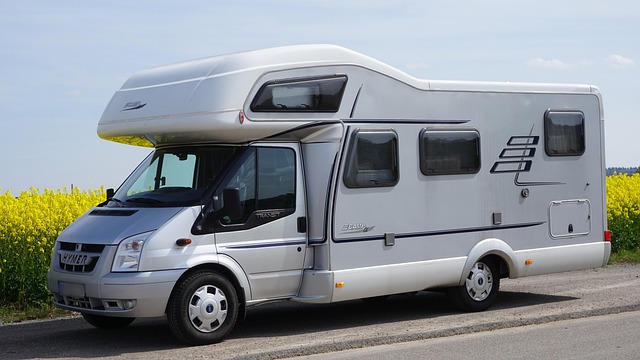
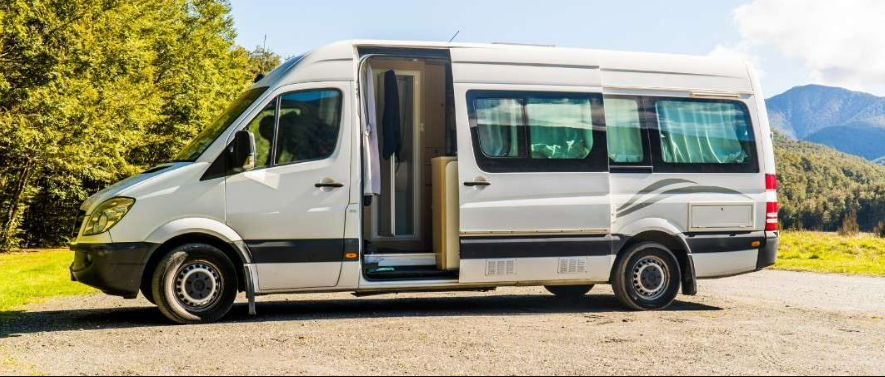
- Camper Vans: My personal favorite. They are easy to park and great for spontaneous stops.
- Pop-up Campers: A budget-friendly way to start, though they offer less protection from the wind.
- Truck Campers: Perfect if you love off-road trails and tight spots.
My Pro & Con Snapshot
| Feature | Small Van | Large Trailer |
| Setup Time | Under 2 mins | 15–30 mins |
| Living Space | Tight but cozy | Room for a family |
| Fuel Cost | Usually lower | 20-30% higher |
Budget Beyond the Price Tag (The Hidden Costs Add Up)
Buying a camper is more than just the initial sticker price; it involves ongoing costs like insurance, fuel, and upkeep. In my experience, failing to plan for these “hidden” expenses can ruin a holiday. You should expect to spend significantly on maintenance and gear to keep your road trips safe and fun without any sudden financial stress.
Costs to Consider
When I bought my first rig, I thought I was done spending once I left the lot. I was wrong! Within a month, I realized how fast the small things add up:
- Fuel and Insurance: Towing dropped my gas mileage by 40%. It was a shock to the wallet.
- Campsite Fees: A nice spot with power can cost $50 to $100 per night.
- The Gear Pile: I spent over $600 just on “basics” like sewer hoses, leveling blocks, and water filters.
Practical Tip
My Golden Rule: I always set aside 15–25% of the camper’s value every year for repairs and fees. This “emergency fund” saved my weekend when a tire blew out in the middle of nowhere!
Size and Layout (Where Comfort Meets Reality)
The best camper layout balances floor space with cozy features that fit your daily habits. On a rainy day, a bad layout feels like a cage, while a good one feels like a home. I look for a setup where I can move freely, cook a meal, and use the bathroom without constantly bumping my elbows.
Layout Features to Evaluate
I once toured a camper that looked huge on my phone. Then I stepped inside. It felt tiny! Here is what I check now:
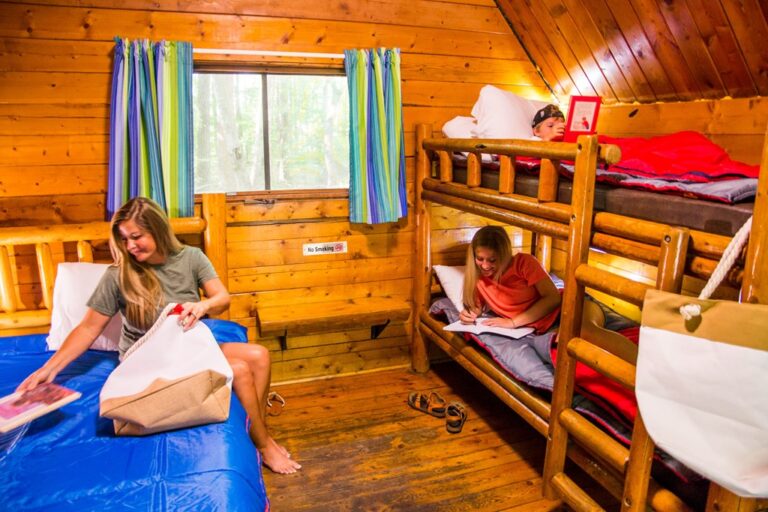
- The Bed: Do you have to climb over your partner to get out? Fixed beds are a lifesaver for long trips.
- The Kitchen: Can you reach the fridge while someone else is at the sink?
- The Bathroom: Decide if you want a “wet bath” (where the toilet gets wet when you shower) or a dry one.
Real-Life Detail
Trust me, try the “Coffee Test.” Stand in the kitchen and pretend to brew a pot. If you feel cramped or keep hitting the walls, you will hate it by day three of your summer holiday.
What To Wear When Camping In The Summer? Avoid Sunburn, Sweat & Bug Bites
Towing Capacity and Vehicle Compatibility
Towing capacity is the most vital safety factor when matching a camper to your vehicle. It is not just about what your car can pull, but what it can stop and control safely. I’ve learned that a heavy load makes for a stressful drive, so I always leave a wide safety margin to avoid white-knuckled steering.
What to Check
I used to think my SUV was a beast until I tried to pull a heavy trailer up a steep hill. Now, I always double-check these numbers:
- GVWR: This is the total weight of the camper plus all your gear and water.
- The Hitch: Make sure your hitch can handle the “tongue weight” (the downward pressure).
- Brake Systems: If your camper is over 3,000 lbs, you almost certainly need an electronic brake controller.
Safety Insight
Never tow at 100% of your car’s limit. I prefer to stay under 80%. This extra “cushion” keeps the engine cool and makes the drive feel smooth rather than scary. No one wants to spend their vacation worrying about their transmission!
Build Quality and Materials (This Is Where Longevity Lives)
High build quality ensures your camper survives the constant vibration of the road and varying weather. I’ve found that focusing on solid frames, thick insulation, and durable cabinetry prevents expensive repairs later. A well-built rig feels solid and quiet, while a poorly made one will rattle and leak after just a few short trips.
Key Quality Indicators
When I bought my last camper, I spent a full hour just poking at the seams. It sounds obsessive, but it saved me from a damp holiday. Look for these signs of a “forever” rig:
- Solid Frames: Aluminum frames are light and won’t rot like wood.
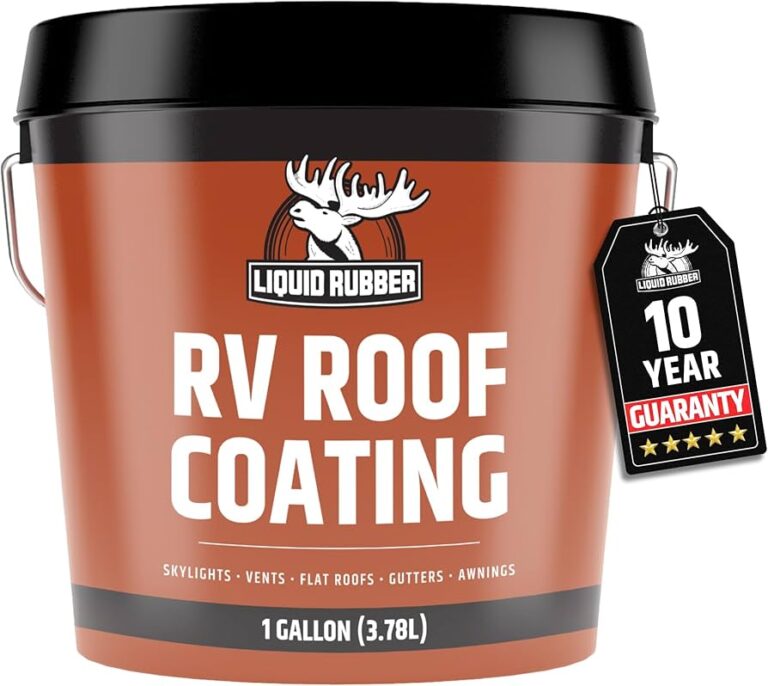
- Weather Sealing: Check the roof seals. I once saw a “deal” that had 3mm gaps in the sealant—that’s an invitation for mold.
- Insulation: High-density foam keeps you cool during a heatwave and warm on a chilly mountain night.
- Heavy-Duty Hinges: If the cabinet doors feel flimsy, they won’t survive a bumpy dirt road.
Sensory Check
Use your eyes and ears! Walk around inside. Does the floor creak? Open every drawer. If they stick or feel “crunchy,” the manufacturer likely cut corners elsewhere. On my first trip, I ignored a tiny rattle; by day three, a whole trim piece had fallen off.
Off-Grid Capability vs Campsite Comfort
Choosing between off-grid capability and campsite comfort depends on your preferred travel style. If you love remote spots, you need large water tanks and solar power to stay self-sufficient for days. However, if you prefer luxury, a campsite-ready rig with full hookups and air conditioning will make your summer vacation feel like a five-star hotel.
Off-Grid Features (Living Wild)
I love the silence of the woods. To stay out there for a 4-day weekend without a plug, I rely on:
- Solar Power: I recommend at least 200 watts to keep your lights and fans running.
- Large Water Tanks: Aim for 30+ gallons if you don’t want to cut your trip short.
- Lithium Batteries: They last longer and charge faster than old lead-acid types.
- Cassette Toilets: These are easy to empty when there are no dump stations around.
Campsite-Friendly Features (Living Easy)
Sometimes, you just want to park and relax. For a stress-free holiday at a park, look for:
- Full Hookups: This means unlimited water, power, and a place to drain your tanks instantly.
- Air Conditioning: Essential if you’re camping in 90°F heat with kids or pets.
- Smart Tech: High-speed Wi-Fi boosters and big screens make rainy nights much more fun.
Whether you want to be a mountain loner or a social butterfly at the RV park, make sure your camper matches that dream. Don’t pay for a massive solar array if you always plan to plug into a pedestal!
Storage Space (Because Stuff Multiplies Fast)
Ample storage space is vital because road trip gear expands to fill every available inch. I have learned that without smart compartments, your camper quickly becomes a cluttered mess. You need a mix of deep external bays for greasy tools and easy-to-reach indoor cabinets for clothes. Proper organization ensures you spend your holiday relaxing instead of digging through heavy plastic bins for a single clean spoon.
Smart Storage Areas
When I first started, I thought two overhead bins were enough. I was wrong! After a week on the road, I realized I needed specific spots for the “ugly” stuff. Here is what I look for now:
- Under-bed Compartments: These are perfect for extra blankets or winter coats.
- Overhead Cabinets: I use these for lightweight items like plates and snacks.
- External Storage Bays: These are a must. I keep my 25-foot water hose and muddy leveling blocks here so they don’t ruin the indoor carpet.
Real-Life Behavior
Think about your wet shoes after a rainy hike. If you don’t have a “mud room” spot or a heavy-duty bin near the door, that dirt will be in your bed by sunset. I also make sure there is a dedicated pantry. It sounds small, but stashing seven days of groceries without blocking the hallway is a huge win for your sanity.
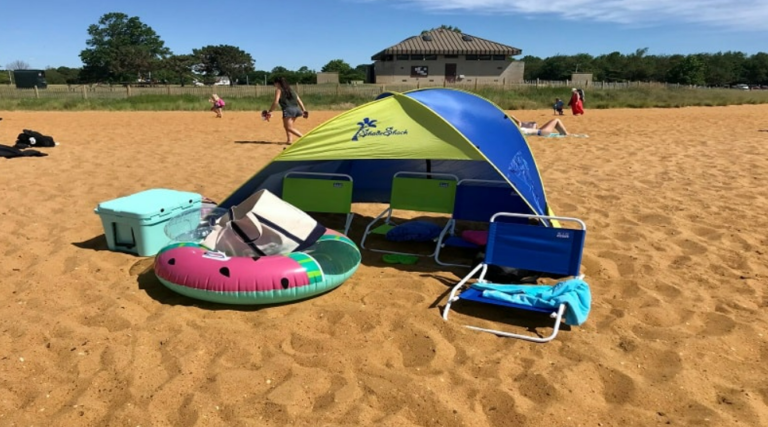
What to Pack for Camping on the Beach (The Only Checklist You’ll Actually Need)
New vs Used Camper (Both Have Their Stories)
Choosing between a new or used camper depends on your budget and your comfort with basic repairs. A new model offers a fresh smell and a solid warranty, but it loses value the moment you drive away. A used rig saves you thousands of dollars upfront, though it requires a very sharp eye to spot hidden issues like water damage or worn-out tires.
Buying New
I bought new once because I wanted that “clean slate” feeling.
- The Perk: Everything worked perfectly on day one. I had a 1-year bumper-to-bumper warranty for total peace of mind.
- The Catch: I paid a premium. Most new campers lose about 20% of their value in the first year alone.
Buying Used
Most of my favorite rigs were pre-owned. You can find a “well-loved” gem if you are patient.
- The Perk: Someone else already paid for the depreciation. You can often get a high-end brand for a mid-range price.
- The Catch: You are the detective. I always bring a flashlight and get on my hands and knees to check the corners.
My Inspection Checklist
Don’t let a shiny wax job fool you. When I shop used, I check these three things first:
- The Ceiling: Look for soft spots or dark stains. Water is a camper’s worst enemy.
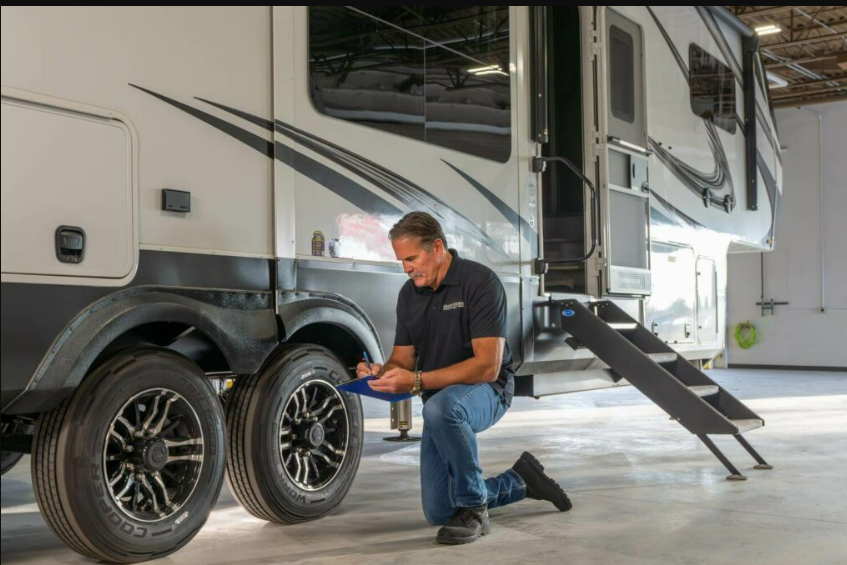
- The Tires: Even if they have tread, tires over 5 years old are a blowout risk. Check the date code!
- The Fridge: These can cost $1,200+ to replace. I always ask the seller to turn it on 4 hours before I arrive to ensure it actually gets cold.
Must-Have Features vs Nice-to-Have Extras
Distinguishing between must-have features and luxury extras prevents you from overspending on gear you will never actually use. I have found that focusing on basic needs like climate control and a solid bed ensures a relaxing holiday. While smart tech and outdoor kitchens look great on a spec sheet, they rarely define the success of your actual road trip experience.
My “Essential Three” List
When I first started, I almost bought a rig just because it had a built-in wine cooler. I’m so glad I didn’t. After 50+ nights on the road, I realized these three things actually matter:
- Reliable Heating and Cooling: I once spent a night in 30°F weather with a broken heater. It was miserable. You need a system that works every single time.
- A Real Bed: If you have to move five cushions to sleep, you will be tired and cranky by day two.
- A Functional Kitchen: You need enough counter space to at least chop an onion without hitting the sink.
The “Shiny Object” Trap
Luxury finishes and smart tech are fun, but they are just extras. I’ve seen people spend an extra $5,000 on outdoor kitchens they used exactly once. Ask yourself: will this feature actually make my Sunday morning better, or does it just look cool?
Test Before You Commit (If Possible)
Testing a camper before you buy is the only way to see if the layout fits your real-world behavior. Photos can be very deceiving, so walking through a unit helps you feel the true scale of the space. I always suggest renting a similar model for a weekend to catch small annoyances that only appear after a few hours of living inside.
My 15-Minute Showroom Test
Whenever I step into a new rig, I don’t just look at the colors. I perform a “life simulation” to check the flow:
- The Sit Test: I sit on the toilet and the sofa. Is there legroom, or are my knees hitting a wall?
- The Reach Test: Can I open the fridge while someone else is standing at the stove?
- The Setup Test: I ask to see the awning and stabilizers go down. If it takes 20 minutes of hard labor, I’m out.
The Rainy Day Simulation
Here is a trick I use. Close all the blinds and imagine it is pouring rain outside. You are stuck in here for six hours.
- Where do your muddy boots go?
- Is there a spot to sit that doesn’t involve the bed?
I once walked out of a deal because I realized I couldn’t make my morning coffee without bumping into my partner. That small detail would have ruined every single holiday morning for years. Always trust your gut—and your elbows!
Where and When You Plan to Use It
Your destination and timing dictate the features your camper needs most. I have learned that a rig built for sunny beach trips will fail you in the snowy mountains. You must match your camper to the local climate and your driving habits. Focus on insulation and tank sizes to ensure your holiday stays fun and stress-free regardless of the weather.
Climate Considerations
I once took a basic van to the mountains for a late October weekend. Big mistake! I woke up with ice on the inside of the windows. Now, I check for these three things:
- Thermal Insulation: Look for a high R-value. It keeps heat out during a 90°F day and keeps it in when the sun goes down.
- Air Flow: For beach trips, you need large vents. I use a fan that moves 900 cubic feet of air per minute to stay cool.
- Moisture Control: Without good airflow, two people sleeping can create a pint of water in the air overnight.
Usage Patterns
Be real about your road trips. If you only go away for two days at a time, you don’t need a huge fridge. But, if you plan to live in your camper for a month, storage is king. I found that driving 500 miles is much easier in a compact van than a bulky trailer. Think about your energy levels and how much “setup” you want to do after a long drive.
Final Thought: Buy for Your Reality, Not the Dream Version
It is so easy to fall in love with a dream. I used to watch videos of people camping on cliff edges and thought I needed a rugged off-road beast. In reality, I spend 90% of my time at nice parks with my dog. The best camper is the one that fits your actual life, not a filtered photo.
Don’t Overbuy
I have seen many friends buy massive rigs for “someday” trips that never happen. They end up with a huge bill and a camper that is too scary to drive.
- Start Small: You can always trade up later.
- Be Honest: If you hate pit toilets, buy a camper with a real bathroom.
- Prioritize Joy: Pick the rig that makes you want to leave the house this Friday.
A camper should be your ticket to freedom, not a source of debt or DIY chores. When you buy for your real habits, every sunset feels just a little bit brighter. Happy trails!