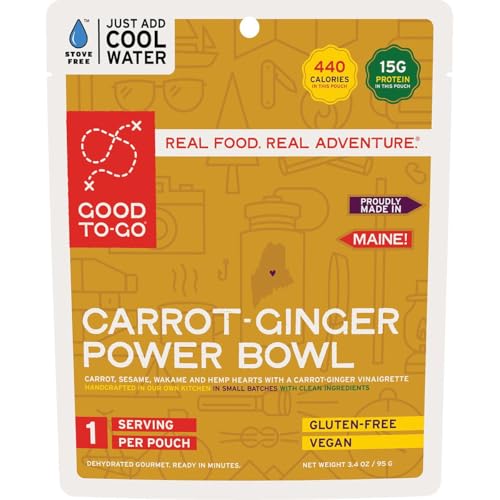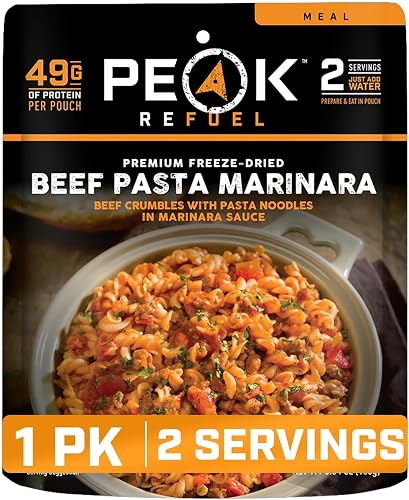
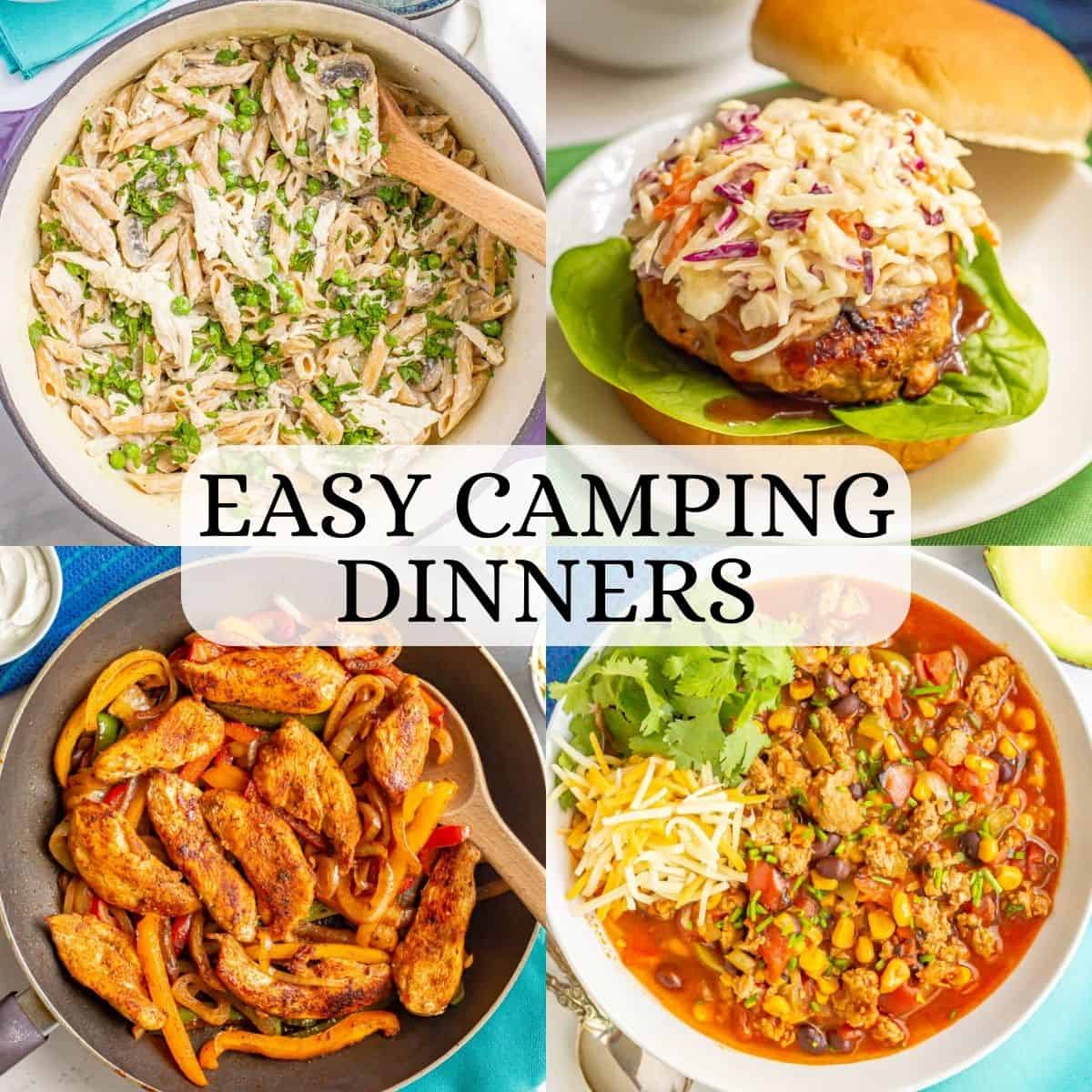
Camping Food: Easy Meal Ideas, Packing Tips, and What to Eat Outdoors
Camping food should be simple, filling, safe, and easy to carry. The best camping meals use a few flexible ingredients, need little cooking, and create very little waste. With a good plan, you can enjoy hot breakfasts, quick trail lunches, hearty dinners, and sweet campfire treats without turning your campsite into a full kitchen.
Good planning also saves money. You can prepare many ingredients at home, pack food in daily portions, and use the same items in more than one meal. This guide covers camping food ideas for car camping, backpacking, families, couples, groups, special diets, cold weather, and no-cook trips. It also explains food safety, cooler packing, cooking gear, and a simple three-day camping menu.
What Is Camping Food? (And What Makes a Good Camping Meal?)
Camping food includes any meal, snack, or drink prepared and eaten outdoors. It may range from a cold sandwich to a Dutch oven stew. A good camping meal is easy to pack, simple to cook, filling, and safe to store.
The best meals also match the trip. A backpacking meal must be light. A family car-camping meal can include a cooler, fresh vegetables, and a cast-iron pan.
Types of Camping Food
Camping food falls into several groups:
- Fresh food, such as eggs, meat, cheese, and vegetables
- Shelf-stable food, such as oats, pasta, canned beans, and tortillas
- Dehydrated food for backpacking
- Ready-to-eat food for busy days
- Snacks for hiking and travel
- Drinks, including water, coffee, tea, and electrolyte mixes
- Campfire desserts and simple treats
Use a mix of these foods. Fresh food adds variety, while shelf-stable food gives you a safe backup.
What Makes Food Suitable for Camping?
Camping food should have a long shelf life and strong packaging. It should also handle bumps, heat, and limited cooking space. Meals with one pot, one pan, or no dishes are often the easiest.
Choose foods that share ingredients. For example, tortillas can serve for breakfast burritos, lunch wraps, and dinner tacos. This lowers waste and reduces the number of items in your food box.

How to Plan Camping Food for a Weekend or Longer Trip
Start with the number of people, trip length, cooking tools, weather, and food storage space. Then plan each meal and snack before shopping. A written plan helps prevent both shortages and excess food.
Plan one simple backup meal for every trip. Instant noodles, canned chili, tuna packets, oatmeal, and trail mix can save the day when rain, delays, or tired hikers change your schedule.

How Much Food Do You Need Per Person for Camping?
Most adults need three meals and two or three snacks each day. Active hikers may need more calories than people relaxing at a campsite. Children often eat smaller meals but need frequent snacks.
As a basic guide, pack:
- Breakfast for each morning
- Lunch for each day
- Dinner for each night
- Two to three snacks per person per day
- Extra food for one meal
- Enough drinking and cooking water
For backpacking, weigh food and focus on calories per ounce. For car camping, focus more on comfort, freshness, and easy storage.
How to Make a Camping Food checklist
divide your checklist into meals, snacks, drinks, cooking items, and safety supplies. Mark each item as fresh, frozen, refrigerated, or shelf-stable.
A useful checklist includes:
- Main ingredients
- Seasonings and oil
- Water and drink mixes
- Fuel and fire-starting tools
- Plates and utensils
- Cooler and ice
- Food containers
- Trash and cleanup supplies
- Allergy-safe foods
How to Plan Meals for One Night, Two Nights, or a Week
For one night, keep the menu very simple. Choose one dinner, one breakfast, and easy snacks. For two nights, repeat ingredients in different meals.
A week-long trip needs more variety. Use shelf-stable staples, dehydrated meals, canned food, and fresh food for the first day or two. Plan meals by day so older perishable foods are eaten first.
How to Plan Camping Food on a Budget
Buy store brands, dried beans, rice, oats, pasta, and seasonal produce. Cook large portions and use leftovers in wraps or bowls. Prepackaged camping meals are convenient but often cost more.
Shop at home before visiting a camp store. A small spice jar, oil bottle, or bag of oats may cost much less in a regular grocery store.
How to Adjust Your Food Plan for Hot or Cold Weather
Hot weather calls for more water, fresh fruit, salty snacks, and foods that do not spoil quickly. Use a well-packed cooler and keep it shaded. Avoid leaving dairy, meat, or cut fruit in the sun.
Cold weather increases the appeal of hot drinks, soup, chili, oatmeal, and stews. Protect liquids from freezing and bring foods that cook well in one pot.
10 Best Food for Camping Without Fridge Picks (Easy & Delicious Ideas)
Easy Camping Breakfast Ideas
A good camping breakfast gives you energy without creating a large pile of dishes. Prepare dry mixes at home and portion toppings in small bags. If mornings are busy, choose foods that can be eaten while packing camp.
Oatmeal With Dried Fruit and Nuts
Oatmeal is cheap, warm, and easy to customize. Pack single portions of oats with cinnamon, dried berries, raisins, nuts, or seeds.
Add powdered milk for more protein and creaminess. Use quick oats when fuel is limited.
Breakfast Burritos With Eggs and Cheese
Cook eggs at camp or prepare them at home for a short trip. Add cheese, beans, potatoes, and salsa to tortillas.
Wrap each burrito in foil. Warm it on a stove or grill, but keep raw eggs cold until cooking.
Pancakes for a Family Camping Trip
Mix pancake ingredients at home and store the batter in a sealed bottle, or pack a dry mix. Bring a flat pan and a small amount of oil.
Serve pancakes with bananas, berries, peanut butter, or syrup. Cook small pancakes because they are easier to flip outdoors.
Granola, Yogurt, and Fresh Fruit
This meal needs no stove. Pack yogurt in a cold cooler and add granola just before eating so it stays crisp.
Use bananas, apples, berries, or peaches. For a longer trip, use shelf-stable yogurt or powdered yogurt.

Peanut Butter Toast or Bagels
Toast bread or bagels in a pan, or eat them cold. Peanut butter adds protein and fat, while jam or sliced fruit adds sweetness.
For nut-free trips, use sunflower seed butter. Check labels if allergies are a concern.
Instant Coffee, Tea, and Hot Chocolate
Instant coffee saves fuel and time. Tea bags and hot chocolate packets are also easy to pack.
Heat only the water you need. A small amount of sugar, cinnamon, or powdered milk can improve a basic camp drink.
No-Cook Camping Breakfasts for Busy Mornings
Try granola bars, fruit, bagels, cereal, shelf-stable milk, overnight oats, or breakfast wraps. These foods work well when you need to leave camp early.
Pack them in individual bags. This makes breakfast easy to grab and reduces cleanup.
10 Best Camping Food No Fridge Or Cooker (That Require Zero Cooking)
Easy Camping Lunch Ideas That Need Little Cooking
Lunch is often eaten during travel, between activities, or on a trail. Choose meals that pack well and stay safe. Cold lunches can be easier than cooking during the middle of a hot day.
Camping Sandwiches and Wraps
Use tortillas, pita bread, bagels, or sturdy sandwich bread. Good fillings include cheese, deli meat, hummus, tuna, chicken, peanut butter, and vegetables.
Keep wet fillings separate when possible. Add tomato, dressing, or salsa just before eating to prevent soggy bread.
Tuna or Chicken Salad Crackers
Tuna or chicken packets are lighter than cans and easy to open. Mix them with mustard, relish, mayonnaise, or mashed avocado.
Serve with crackers, tortillas, or cucumber slices. Keep mayonnaise-based mixtures cold.
Peanut Butter and Banana Wraps
Spread peanut butter on a tortilla and add a banana. Roll it tightly and cut it into small pieces.
This lunch is fast, filling, and affordable. Use sunflower seed butter for nut-free groups.
Pasta Salad for a Day at the Campsite
Cook pasta at home and chill it before leaving. Add vegetables, beans, olives, cheese, and dressing.
Pack pasta salad in a cooler and eat it the same day. Do not leave it in direct sun.
Cheese, Crackers, Nuts, and Fresh Fruit
This simple meal needs no cooking. Choose firm cheese, whole fruit, nuts, and sturdy crackers.
It works well for adults and children. Pack each food in separate containers to protect texture.
No-Cook Camping Lunches for Hot Days
Choose wraps, canned beans, tuna packets, hummus, fruit, jerky, and cold salads. Avoid heavy cooking when the sun is strong.
Drink water with lunch. Salty foods may help replace sodium after sweating, but water remains essential.
Packable Lunches for Hiking Away From Camp
Use lightweight foods with little moisture. Trail mix, tortillas, jerky, bars, dried fruit, nut butter packets, and hard cheese are useful.
Pack food in a soft bag or reusable pouch. Carry out every wrapper and food scrap.
Easy Camping Dinner Ideas for a Campfire or Camping Stove
Dinner is often the main camping meal. Choose recipes that match your fuel, pan size, and skill level. Always check local fire rules before using a campfire.
Foil Packet Meals With Chicken and Vegetables
Place chicken, sliced potatoes, carrots, onions, and seasoning on heavy foil. Add a little oil, then seal the packet well.
Cook until the chicken reaches 165°F. Use a food thermometer, since foil packets can cook unevenly.
One-Pot Camping Pasta
Add pasta, water or broth, canned tomatoes, vegetables, and seasoning to one pot. Stir as it cooks and add beans, sausage, or tuna for protein.
One-pot meals save water and cleanup time. Bring a slightly larger pot than you think you need.
Campfire Chili With Beans
Combine canned beans, tomatoes, corn, spices, and cooked meat or plant-based crumbles. Simmer in a pot over a stove or approved fire grate.
Canned ingredients make chili fast. Serve it with tortillas, crackers, cheese, or rice.
Hot Dogs and Sausages With Simple Sides
Hot dogs and fully cooked sausages need little preparation. Warm them in a pan or on a safe grill grate.
Add buns, mustard, sauerkraut, canned beans, coleslaw, or sliced vegetables. Keep raw sausage separate and cook it thoroughly.
Campfire Tacos and Burritos
Cook seasoned ground meat, beans, or vegetables in a pan. Add the filling to tortillas with cheese, salsa, and lettuce.
For less mess, serve tacos as burritos. Foil wrapping also helps keep food warm.
Grilled Fish With Potatoes and Vegetables
Fish cooks quickly, making it useful for a short camping dinner. Keep it cold and place it in a foil packet with lemon, oil, and vegetables.
Cook fish until it reaches 145°F or flakes easily. Use a clean plate for cooked fish.
Easy Camping Stir-Fry
Slice vegetables and protein at home. At camp, heat oil in a pan and cook the ingredients in small batches.
Serve the stir-fry with instant rice or noodles. Soy sauce, garlic, ginger, and chili flakes add quick flavor.
Instant Noodles With Eggs and Vegetables
Instant noodles become a better meal with an egg, peas, corn, spinach, mushrooms, or leftover chicken. Add vegetables early so they soften.
Cook eggs fully. Use a pot lid to save heat and fuel.
Dutch Oven Stew for Cold Nights
A Dutch oven can turn simple meat, potatoes, carrots, and broth into a warm stew. Brown the meat first, then simmer until tender.
This meal suits car camping and groups. It requires more weight and time than a camping stove meal.
Vegetarian Camping Dinner Ideas
Try bean chili, lentil soup, vegetable pasta, tofu stir-fry, grilled cheese, stuffed potatoes, or foil packets with beans and vegetables.
Canned beans and lentils provide easy protein. Add cheese, seeds, or tofu when you need more energy.
No-Cook Camping Food Ideas When You Don’t Want to Cook
No-cook meals are useful during fire bans, rainy weather, late arrivals, and tired evenings. They also reduce fuel use and dishwashing.
Ready-to-Eat Camping Meals
Choose canned chili, tuna packets, chicken pouches, bean salads, crackers, tortillas, and ready-to-eat rice. Some commercial camping meals only need hot water, while others can be eaten cold.
Check the package before leaving. Bring a can opener if the container does not have a pull tab.
Tortilla Wraps With Shelf-Stable Fillings
Fill tortillas with peanut butter, tuna, beans, chicken packets, hummus, or mashed avocado. Add shelf-stable vegetables such as roasted peppers or corn.
Wrap each meal in paper or foil. This keeps the filling from spilling into your food bag.
Hummus, Crackers, and Vegetables
Single-serving hummus cups are convenient for short trips. Pair them with crackers, carrots, celery, or snap peas.
Use shelf-stable hummus for longer trips. Refrigerated hummus must stay cold.
Canned Beans, Chickpeas, and Tuna
Drain canned foods before leaving home when possible. Pack them in sealed containers and mix with oil, lemon, spices, or salsa.
Tuna and chickpeas work well in wraps. Beans can be eaten with crackers or added to a cold salad.
Trail Mix, Fruit, and Protein Snacks
Trail mix, whole fruit, jerky, bars, and roasted chickpeas make a complete no-cook meal when combined.
Balance sweet foods with protein and salty foods. This helps you stay full longer than eating candy alone.
Emergency Camping Food for Unexpected Delays
Keep one emergency meal in a separate bag. Include bars, instant oats, tuna, tortillas, nuts, dried fruit, and electrolyte powder.
This food can help if a road closes, a hike takes longer, or your stove fails. Replace emergency food after each trip.
Best Camping Snacks for Hiking and Long Days Outdoors
Snacks should be easy to carry, easy to open, and resistant to heat. Use small portions so food is not exposed for too long.
Homemade Trail Mix With Nuts and Dried Fruit
Mix nuts, seeds, dried fruit, cereal, pretzels, and a little chocolate. Make separate blends for different tastes.
Store trail mix in small bags. This prevents one large bag from being opened all day.
Energy Bars and Protein Bars
Bars are useful when you need a quick meal on a trail. Compare labels because some bars are mostly sugar and may not keep you full.
Choose bars with oats, nuts, seeds, or protein. Bring a few extra for delays.
Jerky and Other Shelf-Stable Protein Snacks
Jerky, roasted beans, meat sticks, tuna packets, and soy snacks provide protein without a cooler. Check sodium levels if you eat large amounts.
Keep packages sealed. Moisture can spoil jerky after opening.
Fresh Apples, Oranges, and Bananas
Whole fruit travels better than cut fruit. Apples and oranges are especially sturdy.
Bananas provide quick carbohydrates but bruise easily. Pack them near the top of a food box.
Crackers, Pretzels, and Popcorn
These foods are light and easy to share. Choose whole-grain crackers when you want more fiber.
Popcorn can be eaten plain or mixed with dried fruit. Keep crunchy foods in hard containers.
Chocolate and Sweet Treats for the Campsite
Chocolate, cookies, fruit snacks, and candy can add fun after a long day. In hot weather, choose chocolate-covered items carefully because they melt.
Pair sweets with a meal or protein snack. This helps avoid a quick energy crash.
Snacks for Kids on a Camping Trip
Good choices include cheese sticks, applesauce pouches, granola bars, crackers, fruit, popcorn, and small sandwiches.
Pack familiar foods. A child who is tired, cold, or overwhelmed may not want to try a new meal outdoors.
Best Non-Perishable Camping Food to Pack
Non-perishable foods are useful for long trips, backup meals, and hot weather. They need no cooler until opened, but they still need protection from heat, moisture, and animals.
Canned Beans, Vegetables, and Ready-to-Eat Meals
Cans offer long storage and many meal options. Choose pull-tab cans when possible to reduce gear.
They are heavy, so use them mainly for car camping. Pack out every can and rinse it only where local rules allow.
Rice, Pasta, Couscous, and Instant Noodles
These staples are cheap and filling. Couscous and instant noodles cook quickly and use little fuel.
Add canned fish, beans, vegetables, or seasoning. Measure portions at home to avoid carrying extra food.
Oatmeal, Cereal, and Granola
Oats work for breakfast, snacks, and even savory meals. Granola can top yogurt or be eaten dry.
Use sealed bags or containers. Moisture quickly ruins cereal and oats.
Peanut Butter, Nuts, and Seeds
These foods are high in energy and easy to eat. Peanut butter also improves oatmeal, toast, wraps, and sauces.
Use seed butter for nut-free groups. Never assume a food is allergy-safe without reading the label.
Crackers, Tortillas, and Shelf-Stable Bread
Tortillas resist crushing and work for many meals. Crackers are useful with tuna, cheese, soup, and spreads.
Pack bread in a rigid container or place it above heavier foods. Pressed bread is hard to enjoy.
Dried Fruit and Dehydrated Vegetables
Dried fruit adds flavor to oatmeal and trail mix. Dehydrated vegetables add nutrition to soups, pasta, and rice.
Choose unsweetened dried fruit when possible. Rehydrate vegetables with hot water or cook them in a sauce.
Powdered Milk and Shelf-Stable Milk
Powdered milk is useful for oatmeal, coffee, pancakes, and baking. Shelf-stable milk can stay unopened at room temperature.
Once opened, shelf-stable milk needs refrigeration. Follow the package directions.
Seasonings, Cooking Oil, Salt, and Pepper
A small spice kit can make basic foods taste much better. Pack salt, pepper, garlic, chili powder, cinnamon, and a general seasoning blend.
Use a leakproof bottle for oil. Small portions prevent spills and reduce weight.
Camping Food for Different Types of Trips
The best camping food depends on transport, storage, weather, and group size. A meal that works in a car may be too heavy for a backpack.
Camping Food for Car Camping
Car camping allows coolers, cast-iron pans, fresh food, and larger cooking tools. You can bring eggs, meat, milk, vegetables, and Dutch oven meals.
Still keep the menu simple. More gear does not always make cooking easier.
Lightweight Food for Backpacking
Backpacking food should be light, compact, and high in calories. Choose dehydrated meals, instant rice, oats, nut butter, tortillas, bars, and dried fruit.
Avoid cans and glass. Repack food into lightweight bags and remove extra packaging at home.
Camping Food for Families With Kids
Use familiar foods and offer small portions. Pancakes, hot dogs, tacos, oatmeal, fruit, and pasta are often easy choices.
Pack snacks where children can reach them safely. Keep choking hazards and allergens in mind.
Camping Food for Couples
Couples can share a cooler and cook one-pot meals. Try foil packet fish, pasta, breakfast burritos, or a simple skillet dinner.
Plan leftovers carefully. A large recipe may create more food than two people can safely eat.
Camping Food for Solo Campers
Solo campers should choose single-pot meals and small packages. Oatmeal, couscous bowls, tuna wraps, and instant soup reduce waste.
Pack food that does not require many tools. A small stove, pot, mug, spoon, and knife may be enough.
Camping Food for Groups and Large Gatherings
Assign food jobs before the trip. One person can manage breakfast, another lunch, and another dinner.
Use large pots and simple recipes. Label foods for allergies and create a clear cooler system.
Camping Food for Beach Camping
Protect food from heat, sand, and salt air. Use sealed containers and keep the cooler in shade.
Choose wraps, fruit, pasta salad, grilled fish, and cold drinks. Secure all food because beach birds and other animals are persistent.
Camping Food for Cold-Weather and Winter Camping
Warm meals help morale in winter. Pack soup, chili, oatmeal, cocoa, instant noodles, and high-energy snacks.
Prevent water bottles and wet food from freezing. Use insulated containers and keep fuel warm enough to work as directed.
Camping Food for Rainy Days
Use a stove under a safe, well-ventilated shelter, never inside a closed tent. Choose one-pot meals and foods that need little prep.
Pack dry kindling only where fires are allowed. A no-cook backup meal is valuable during long rain.
Camping Food for Festivals and Road Trips
Choose food that travels well and needs no kitchen. Wraps, bars, fruit, jerky, crackers, and shelf-stable drinks are practical.
Check venue rules before bringing coolers or outside food. Keep food in small portions for easy access.
Healthy Camping Food That Keeps You Full and Energized
Healthy camping food does not need to be fancy. Combine carbohydrates for quick energy, protein for fullness, and fats for lasting fuel.
High-Protein Camping Food Ideas
Use eggs, beans, lentils, tuna, chicken, jerky, tofu, Greek yogurt, cheese, nuts, seeds, and protein bars.
Add protein to breakfast and lunch, not only dinner. This can help reduce constant snacking.
Healthy Camping Breakfasts
Oatmeal with seeds and fruit, eggs with vegetables, yogurt with granola, and whole-grain bagels are balanced choices.
Add a protein source when hiking. A bowl of plain cereal may not last through a long morning.
Easy Ways to Add Vegetables to Camping Meals
Pack carrots, peppers, onions, spinach, cabbage, snap peas, corn, and canned tomatoes. Add them to eggs, pasta, chili, soup, and wraps.
Choose vegetables that need little cutting. Pre-slice them at home and store them safely.
High-Energy Food for Hiking and Backpacking
Use calorie-dense foods such as nuts, nut butter, tortillas, olive oil, cheese, oats, bars, and dried fruit.
Eat small amounts often. Waiting until you are exhausted can make it harder to recover.
Healthy Camping Food for Kids
Offer fruit, yogurt, oatmeal, sandwiches, cheese, beans, eggs, and whole-grain crackers. Keep portions small and allow seconds.
Do not pressure children to eat unfamiliar foods. A few reliable choices can make the trip more enjoyable.
How to Stay Hydrated While Camping
Carry enough water for drinking, cooking, and cleaning. Hikers may need more water in heat, high elevation, or dry air.
Use a filter or treatment method when collecting natural water. The CDC explains that untreated water can carry germs, even when it looks clear.
Vegetarian, Vegan, and Special-Diet Camping Food
Special diets need planning before the trip. Read labels, prevent cross-contact, and bring safe backup foods.
Easy Vegetarian Camping Meals
Vegetarian meals include bean burritos, cheese quesadillas, lentil soup, vegetable pasta, eggs with potatoes, and grilled halloumi or tofu.
Canned beans are one of the easiest camping proteins. Rinse them at home to reduce liquid and mess.
Vegan Camping Food Ideas
Try oatmeal with seeds, tofu stir-fry, bean chili, lentil curry, hummus wraps, couscous bowls, and peanut butter sandwiches.
Use plant-based milk or powdered alternatives. Check instant noodles and sauces for hidden dairy or animal ingredients.
Gluten-Free Camping Food
Gluten-free choices include rice, potatoes, corn tortillas, quinoa, certified gluten-free oats, beans, fruit, nuts, and many canned foods.
Prevent cross-contact with shared cutting boards, knives, and pasta water. Read labels on seasoning mixes and packaged meat.
Dairy-Free Camping Meals
Use oil, avocado, hummus, beans, tofu, and dairy-free cheese. Coconut milk can add richness to curry or oatmeal.
Pack shelf-stable plant milk when possible. Check bread, tortillas, bars, and instant meals for milk ingredients.
Camping Food for People With Nut Allergies
Use seeds, sunflower butter, roasted chickpeas, beans, cheese, and safe protein bars. Keep nut products away from shared surfaces.
Ask every group member to read labels. A small amount of residue can be dangerous for some people.
Low-Carb Camping Food Options
Choose eggs, meat, fish, cheese, tofu, olives, nuts, seeds, leafy greens, and low-carbohydrate vegetables.
Use lettuce wraps instead of tortillas. Bring enough food, since many traditional camping staples are high in carbohydrates.
How to Pack Food for Different Dietary Needs in One Group
Use separate bags and clear labels. Cook allergy-safe food first with clean tools, if practical.
Do not assume that “vegetarian” means dairy-free or that “gluten-free” means safe from cross-contact. Ask each person about their needs before shopping.
Easy Camping Desserts and Campfire Treats
Desserts make a camping trip feel special. Use simple recipes that cook quickly and do not require many tools.
Classic Campfire S’mores
Toast marshmallows over a safe fire and place them between chocolate and graham crackers. Keep a long tool between your hands and the flame.
Use chocolate-free or gluten-free alternatives for special diets. Never leave a fire unattended.
Banana Boats With Chocolate
Slice a banana lengthwise without cutting through the peel. Add chocolate and marshmallows, wrap it in foil, and warm it over coals.
Add nuts or coconut if safe for the group. Eat it with a spoon.
Campfire Apple Packets With Cinnamon
Slice apples and place them in foil with cinnamon, oats, and a little butter or oil. Seal and heat until soft.
This dessert uses simple ingredients and works well on a grill grate or stove.
Grilled Pineapple
Brush pineapple slices with a little oil and grill until warm. Add cinnamon or a small amount of brown sugar.
Fresh pineapple travels well for short trips. Use a sealed container for cut fruit.
No-Bake Camping Desserts
Try cookies, rice cakes with chocolate spread, fruit with honey, pudding cups, or granola clusters.
No-bake desserts are useful during fire bans. Keep dairy-based desserts cold.
Easy Sweet Treats for Kids
Pack mini cookies, fruit leather, marshmallows, cereal bars, or chocolate-dipped fruit. Small portions help limit sticky hands and wrappers.
Let children assemble their own snack mix. Keep ingredients simple and check allergy labels.
Camping Desserts Without a Campfire
Use a stove, grill, or no heat at all. Good choices include pudding, fruit salad, oatmeal cookies, chocolate-covered pretzels, and peanut butter bars.
This is important during dry weather when fires may be restricted. Always check local rules before lighting a fire.
How to Pack Camping Food Without Crushing, Spilling, or Wasting It
Packing food well protects ingredients and makes cooking faster. Group items by use rather than putting everything in one large bag.
How to Organize a Camping Food Box
Use separate boxes for breakfast, snacks, cooking staples, and dinner. Put the foods you need first near the top.
Label every container. Clear labels help when several people share one camp kitchen.
How to Pack Food in a Cooler
Chill food before packing it. Place ice or frozen bottles around the food, not only on top.
Keep the cooler closed as much as possible. Use a separate drink cooler if you have room because it will open often.
How to Separate Raw Meat From Ready-to-Eat Food
Place raw meat in leakproof containers or sealed bags on the bottom of the cooler. Keep ready-to-eat food above it.
Use separate plates and tools for raw and cooked food. Wash hands after handling raw meat.
How to Portion Ingredients Before Leaving Home
Measure rice, pasta, spices, coffee, and snacks into meal-sized bags. Chop vegetables and marinate meat only when safe and practical.
Preportioning shortens prep time and reduces waste. Write cooking directions on each meal bag.
How to Keep Bread, Crackers, and Chips From Getting Crushed
Use hard containers for delicate foods. Pack bread above cans, pots, and heavy bottles.
Tortillas and pita are often stronger than sliced bread. Remove air from bags only when crushing is not a concern.
How to Store Spices and Cooking Oil for Camping
Use small leakproof bottles and jars. Place oil inside a second bag in case the cap leaks.
A simple spice kit can include salt, pepper, garlic powder, chili powder, cinnamon, and Italian seasoning.
How to Reduce Food Waste on a Camping Trip
Plan portions, reuse ingredients, and freeze foods before leaving when possible. Eat the most perishable foods first.
Bring reusable containers for leftovers. Follow local rules for trash, compost, and food scraps.
How to Keep Camping Food Cold and Safe to Eat
Food safety matters even when the meal is cooked outdoors. The USDA advises keeping cold food at 40°F or below and using a food thermometer for cooked foods.
See the USDA food safety guidance for current information on temperatures, storage, leftovers, and safe handling.
How to Pack a Camping Cooler Properly
Pre-chill the cooler and all food. Use enough ice to surround the food, and keep the lid closed.
Pack raw meat at the bottom in sealed containers. Put foods for the first meal near the top.
How Long Does Camping Food Stay Cold?
A full, well-insulated cooler can stay cold longer than a partly empty one. Exact time depends on the cooler, ice, shade, outdoor temperature, and how often it opens.
Do not guess by smell. Use a thermometer. If perishable food has been above 40°F for too long, discard it.
What Camping Foods Need Refrigeration?
Meat, poultry, seafood, eggs, milk, yogurt, soft cheese, cut fruit, cooked leftovers, and many prepared salads need refrigeration.
Canned goods and unopened shelf-stable foods do not need a cooler. Once opened, follow the package directions.
How to Store Raw Meat, Eggs, and Dairy Products
Keep these foods cold until cooking. Put meat in leakproof bags and keep eggs in a firm container.
Cook poultry to 165°F, ground meats to 160°F, and fish to 145°F, according to USDA guidance. Use a clean thermometer.
How to Keep Drinking Water Safe
Bring treated tap water when possible. If using natural water, filter and disinfect it according to the product instructions.
Keep drinking water separate from dishwater. Do not place bottle openings on dirty surfaces.
How to Handle Leftovers at the Campsite
Refrigerate leftovers quickly in shallow containers. Do not leave them sitting beside the fire or in the sun.
If you cannot keep leftovers cold, it is safer to discard them. Wildlife risk is another reason to avoid storing cooked food outside.
What to Do When Your Cooler Ice Melts
Check the food temperature, not just the ice level. Drain meltwater only if it will not remove useful cold air or expose food to heat.
Replace ice as soon as possible. Move the cooler into shade and open it less often.
How to Prevent Cross-Contamination While Cooking Outdoors
Wash hands with soap and clean water. Use separate tools for raw and cooked foods, and sanitize work surfaces.
Never place cooked food on a plate that held raw meat. Keep pets and wildlife away from the cooking area.
Essential Camping Cooking Equipment and Food Supplies
A basic camp kitchen does not need to be large. Choose tools that match your meals and transport method.
Camping Stove, Fuel, and Lighter
A stove gives steady heat and may be safer than an open fire. Bring the correct fuel and a backup lighter.
Check the stove before leaving home. Never use fuel-burning stoves inside a tent or closed shelter.
Pots, Pans, and Cooking Utensils
One pot, one pan, tongs, a spoon, and a spatula can handle many meals. A lid saves fuel and helps food cook faster.
For backpacking, use lightweight cookware. For car camping, cast iron offers strong heat but adds weight.
Plates, Bowls, Cups, and Cutlery
Reusable dishes reduce trash. Choose durable plastic, metal, or lightweight camping dishes.
A bowl can also serve as a mixing container. Bring one utensil that can handle both cooking and eating if needed.
Cooler, Ice Packs, and Food Storage Containers
Use a cooler sized for the trip. Ice packs are reusable, while frozen water bottles provide drinking water as they thaw.
Leakproof containers protect food and limit odors. Hard boxes also help prevent crushing.
Knife, Cutting Board, and Can Opener
A sharp knife is safer than a dull one. Use a small cutting board that can be washed easily.
Bring a can opener unless every can has a reliable pull tab. Test it before leaving.
Dish Soap, Sponge, and Cleaning Supplies
Pack biodegradable soap only when local rules allow it, plus a sponge, towel, trash bags, and hand sanitizer.
Never dump greasy dishwater near a lake or stream. Strain food bits and dispose of wash water as local rules direct.
Food Thermometer and Safe Food Storage Tools
A food thermometer helps confirm that meat, poultry, and fish are safe. Add zip bags, labels, clips, and leakproof containers.
These small tools often matter more than extra cooking gadgets.
Optional Camping Kitchen Gear That Makes Cooking Easier
Useful extras include a coffee press, griddle, Dutch oven, windscreen, collapsible sink, cutting gloves, and a small table.
Bring optional gear only if it supports your meal plan. Extra tools create extra packing and cleaning.
How to Cook Camping Food With Less Mess and Cleanup
Less cleanup means more time to rest, explore, or enjoy the fire. Prep at home and choose meals that use the same ingredients.
Prep Camping Meals at Home Before Leaving
Wash produce, chop vegetables, mix pancake batter, portion spices, and cook grains at home. Cool cooked food quickly before packing it in the cooler.
Do not pre-cook food and leave it warm. Safe cooling matters as much at home as at camp.
Use One-Pot Recipes to Reduce Dishes
Pasta, chili, soup, curry, and rice bowls can all use one pot. Add ingredients in the correct order so each part cooks well.
Serve directly from the pot when safe. Use clean utensils for serving.
Make Foil Packet Meals With Minimal Cleanup
Foil packets keep food contained and make cleanup fast. Use a second layer if the food has liquid or sharp bones.
Foil is not a replacement for safe cooking. Check the thickest food with a thermometer.
Reuse Ingredients Across Breakfast, Lunch, and Dinner
Use potatoes in breakfast hash, lunch bowls, and dinner packets. Use tortillas for burritos, wraps, and tacos.
This keeps the food list short. It also makes extra ingredients easier to use.
Wash Camping Dishes Safely
Scrape food into the trash before washing. Wash with hot water and soap, rinse with clean water, and air-dry when possible.
Follow campsite rules for gray water. Never wash dishes directly in natural water.
Store Food and Dispose of Waste Without Attracting Wildlife
Use bear-resistant storage where required. Keep food, trash, toiletries, and dirty dishes secured whenever you leave camp or sleep.
Do not burn food scraps. Pack out trash unless the site provides a safe, approved disposal system.
Common Camping Food Mistakes and How to Avoid Them
Small errors can make outdoor cooking stressful. A short checklist helps prevent most problems.
Packing Too Much Perishable Food
Fresh food can spoil and create waste. Plan to eat meat, dairy, and prepared salads early in the trip.
Use shelf-stable food later. Bring only the amount your group can safely eat.
Forgetting Drinking Water and Cooking Water
People often plan food but not water. Count water for drinking, coffee, cooking, cleaning, and emergencies.
Check campground rules and nearby water access before leaving. Never assume a natural source is safe.
Bringing Meals That Need Too Much Preparation
Complex recipes require more tools, fuel, time, and cleanup. Save them for trips with a strong kitchen setup.
Choose meals with short ingredient lists. Outdoor cooking should support the trip, not control it.
Underestimating How Much Fuel Cooking Requires
Cold, wind, altitude, and large pots increase cooking time. Bring enough fuel for every planned hot meal plus a backup.
Follow the stove maker’s directions. Never improvise with unsafe fuel systems.
Forgetting Basic Items Like Salt, Oil, or a Can Opener
A perfect meal can fail without one small item. Review every recipe and mark the tools it needs.
Keep a permanent camp kitchen kit. Replace used fuel, matches, and soap after each trip.
Leaving Food Unsecured at Night
Animals can smell food, grease, wrappers, and toiletries. Store all attractants as the campsite requires.
Use lockers, bear-resistant containers, or a vehicle when allowed. Never keep food in a tent.
Ignoring Local Fire Restrictions
Fire bans can change with weather and wildfire risk. Check the land agency, park, or campground website before traveling.
Some bans allow gas stoves but prohibit open flames. Follow the exact local rule.
Packing Food Without Checking Allergies or Dietary Needs
Ask about allergies before shopping. Label shared foods and prevent cross-contact during cooking.
When in doubt, pack a safe personal meal. Food safety includes both contamination and ingredient risks.
A Simple 3-Day Camping Food Menu and Shopping List
This menu suits a short car-camping trip. It uses flexible ingredients and offers stove or no-cook alternatives.
Friday Dinner: Quick Wraps or One-Pot Pasta
For a late arrival, use tortillas with beans, cheese, salsa, and avocado. If you have time, make one-pot pasta with tomatoes, vegetables, and sausage or beans.
Add fruit and water. Keep the first meal simple so camp setup stays easy.
Saturday Breakfast: Oatmeal, Fruit, and Coffee
Cook oats with water or milk and add dried fruit, nuts, cinnamon, and peanut butter. Serve with bananas or apples.
Coffee or tea completes the meal. Pack an instant option in case the stove is busy.
Saturday Lunch: Sandwiches, Snacks, and Fruit
Make sandwiches or wraps with cheese, chicken, tuna, hummus, or peanut butter. Add crackers, trail mix, and whole fruit.
This lunch needs little cooking. It also works well before a hike.
Saturday Dinner: Foil Packet Meals or Campfire Chili
Make chicken and vegetable foil packets, or simmer bean chili in one pot. Serve with tortillas, rice, or crackers.
Use a thermometer for meat. Check fire restrictions before using a campfire.
Sunday Breakfast: Eggs, Toast, or Breakfast Burritos
Scramble eggs with vegetables and serve them with toast. You can also fill tortillas with eggs, cheese, beans, and salsa.
Use oatmeal or bagels as a fast backup. Drink water before packing camp.
Sunday Lunch: Leftover Ingredients and Easy Wraps
Use leftover vegetables, beans, chicken, cheese, or rice in wraps. Add a sauce or seasoning to change the flavor.
Finish the most perishable foods before heading home. Keep food cold until it is eaten.
Complete Camping Food Shopping List
A basic list may include:
- Oats, granola, cereal, and tortillas
- Eggs, cheese, yogurt, or plant-based alternatives
- Beans, tuna, chicken, or tofu
- Pasta, rice, couscous, or instant noodles
- Fresh fruit and sturdy vegetables
- Crackers, bars, nuts, seeds, and dried fruit
- Canned tomatoes, corn, and chili ingredients
- Coffee, tea, cocoa, and drink mixes
- Oil, salt, pepper, and seasonings
- Ice, water, fuel, soap, and trash bags
How to Adjust the Menu for Two, Four, or Six People
For two people, cook smaller meals and use single cans or packets. For four people, double most recipes but check pot size.
For six people, prepare ingredients in batches and assign cooking jobs. Multiply snacks as carefully as main meals because group snack use can be high.
Frequently Asked Questions About Camping Food
What Is the Best Food to Take Camping?
The best camping food is easy to pack, safe to store, and simple to cook. Oatmeal, tortillas, beans, pasta, trail mix, fruit, and one-pot meals are reliable choices.
What Food Is Easy to Cook While Camping?
Oatmeal, eggs, hot dogs, instant noodles, chili, pasta, quesadillas, and foil packet meals are easy. They need few tools and little preparation.
What Camping Food Does Not Need Refrigeration?
Unopened canned food, oats, rice, pasta, tortillas, crackers, nuts, seeds, dried fruit, jerky, and many bars do not need refrigeration. Always follow package directions after opening.
What Are the Best Camping Meals for Beginners?
Start with oatmeal, sandwiches, foil packets, one-pot pasta, chili, and hot dogs. These meals have simple steps and flexible ingredients.
What Food Should You Pack for a 2-Night Camping Trip?
Pack six main meals, snacks for each day, drinks, and one emergency meal. Use fresh food early and shelf-stable food later.
How Much Food Should You Bring Camping for 3 Days?
Plan three breakfasts, three lunches, three dinners, and two or three snacks per person per day. Add food for one unexpected delay.
What Can You Eat Camping Without a Stove?
You can eat wraps, sandwiches, tuna, beans, hummus, crackers, fruit, jerky, trail mix, bars, and ready-to-eat meals without a stove.
How Do You Keep Camping Food Cold Without a Fridge?
Use a well-insulated cooler with plenty of ice or frozen bottles. Keep it shaded, closed, and separate from drinks if possible.
What Are Cheap Camping Food Ideas for a Family?
Oatmeal, pancakes, pasta, beans, rice, hot dogs, peanut butter sandwiches, chili, popcorn, and bananas are affordable choices.
What Food Should You Avoid Taking Camping?
Avoid fragile foods, foods that spoil quickly, glass containers, complicated recipes, and items that require many special tools. Avoid any food you cannot keep at a safe temperature.
How Do You Keep Animals Away From Camping Food?
Store food and trash in approved lockers, bear-resistant containers, or vehicles. Never leave food in a tent or unattended at a picnic table.
What Is the Best Camping Food for Hiking?
Trail mix, bars, tortillas, nut or seed butter, jerky, dried fruit, crackers, hard cheese, and whole fruit are portable and filling.
Camping food works best when it fits the trip. Plan simple meals, pack a safe mix of fresh and shelf-stable ingredients, and prepare as much as possible before leaving home. With the right cooler, cooking tools, water supply, and storage plan, outdoor meals can be easy, nourishing, and enjoyable.