10 Best Food for Camping Without Fridge Picks (Easy & Delicious Ideas)
For most people, Peak Refuel Beef Pasta is the strongest starting point because it delivers 49g of protein per pouch with 100% real meat and no TVP or fillers. Finding the best food for camping without fridge means balancing weight, prep time, and actual nutrition.
Many campers grab whatever’s lightest or lacks fillers, then regret it when they’re hungry, tired, or stuck boiling water in bad weather. This guide breaks down what really matters: protein content, stove dependency, dietary safety, and portion honesty. We’ll show you how to read labels so you don’t waste pack space on meals that won’t sustain you.
What Actually Matters
Protein Source and Quantity
Not all protein counts are equal in shelf-stable camping meals. Some brands use textured vegetable protein (TVP) or soy isolates to inflate numbers, but these lack complete amino acid profiles needed for recovery after hiking or climbing.
Real meat, legumes, or dairy provide more usable protein per gram. Check the ingredient list first—if “chicken” or “beef” appears before any isolate or concentrate, it’s likely whole food. The USDA defines protein quality standards that distinguish complete from incomplete sources, which matters when your body can’t afford inefficiency.
Stove Dependency vs. Cold Soak
Needing hot water isn’t just about fuel weight—it’s a failure point in rain, wind, or fire bans. Cold-soak meals eliminate this risk entirely by rehydrating in ambient-temperature water over 10–30 minutes.
But not all dehydrated foods cold-soak well; some require heat to fully rehydrate or become palatable. Listings that explicitly say “cold soak” or “no stove required” have been formulated for it. If it doesn’t state this, assume heat is necessary—even if it says “just add water.”
Dietary Safety and Allergen Control
Gluten-free or vegan claims mean little without third-party verification or clear facility statements. Cross-contamination risks are high in shared manufacturing spaces, and a reaction miles from medical help is dangerous.
Look for specific certifications (e.g., GFCO, Vegan Action) or explicit “made in dedicated facility” language. Absence of allergens in ingredients doesn’t guarantee safety—only production controls do. When listings omit this detail, treat the claim as unverified, not false.
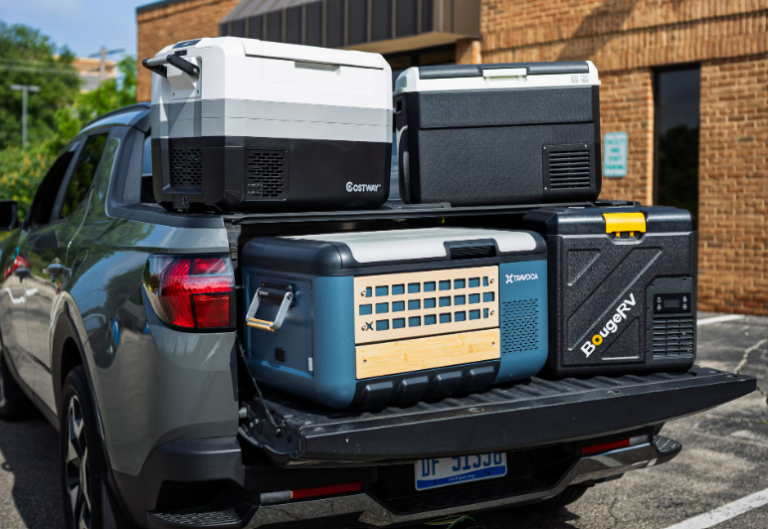
We Tested 6 Best Electric Coolers Under $200 (Stop Buying Ice in 2026)
Portion Honesty and Caloric Density
“Serves 2” often means “technically feeds two sedentary people,” not two active campers. Active adults typically need 2,500–4,000 calories daily, yet many meals provide under 600 per pouch.
Compare stated calories and protein against your actual needs, not the label’s serving suggestion. A meal marketed as “hearty” but offering only 400 calories will leave you hungry within hours. Trust numbers, not adjectives like “generous” or “filling.”
| # | Product | Best for | Price |
|---|---|---|---|
| 1 | Peak Refuel Beef Pasta | Highest Protein | Check price on Amazon |
| 2 | Good To-Go Peanut Chicken | No Stove Required | Check price on Amazon |
| 3 | Backpacker’s Pantry Mac Cheese | Best Comfort Food | Check price on Amazon |
| 4 | StarKist Tuna Salad Kit | Best Ready-To-Eat Kit | Check price on Amazon |
| 5 | Packit Gourmet Big’un Burrito | Largest Portion | Check price on Amazon |
| 6 | 2026 Inspection MRE | Self-Heating Meal | Check price on Amazon |
| 7 | Nomad Nutrition Shepherd’s Pie | Best Allergy-Friendly | Check price on Amazon |
| 8 | Quinoa Sweet Potato Skillet | Best Vegetarian Skillet | Check price on Amazon |
| 9 | Mountain House Breakfast Entree | Best Breakfast Entree | Check price on Amazon |
| 10 | Good To-Go Whiskey BBQ | Best Cold Soak Dinner | Check price on Amazon |
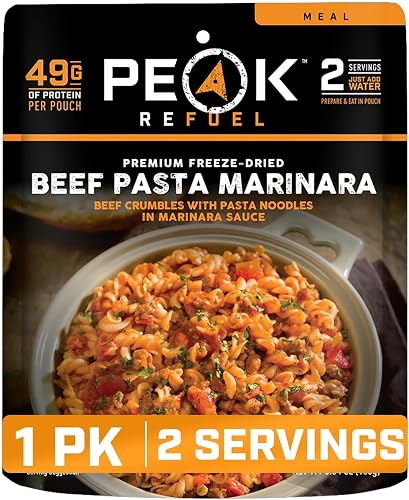
1. Peak Refuel Beef Pasta Marinara Freeze-Dried Meal
Best for: High-protein meals with real meat
This meal stands out because it uses 100% USDA-inspected beef instead of TVP, delivering 49g of protein across two servings—a ratio rarely matched in freeze-dried camping food. That protein density supports muscle repair after strenuous days, and the meal is ready in 10 minutes or less.
Pros:
- 49g protein from real beef
- No TVP or meat fillers
- Non-GMO, no artificial preservatives
- Ready in under 10 minutes
- Made and packaged in USA
Cons:
- Requires boiling water
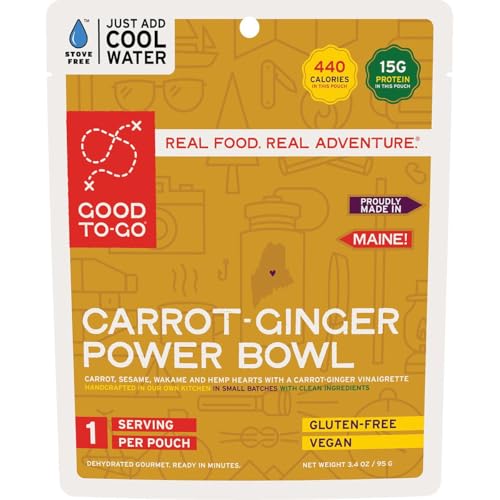
2. GOOD TO-GO Peanut Chicken Salad

Best for: Stove-free cold-soak lunches
Designed specifically for cold soaking, this meal rehydrates in cool water without any heat source, making it reliable during fire bans or wet conditions. The handcrafted dehydration method retains texture better than standard freeze-drying, but the single-serving size limits its use as a full dinner for active adults. It’s ideal for day hikers or lunch breaks, not multi-day treks where calorie density matters more.
Gluten-free and made without preservatives in Maine, it suits sensitive diets, though the listing doesn’t specify allergen facility controls. The minimum two-year shelf life is shorter than freeze-dried alternatives, reflecting its fresh-food approach. Flavor comes from real ingredients, not lab-created enhancers, but protein content isn’t listed—so verify it meets your needs before relying on it as a primary meal.
Pros:
- No stove or hot water needed
- Handcrafted dehydration preserves texture
- Gluten-free, no preservatives
- Made in USA with real food
- Minimum two-year shelf life
Cons:
- Single serving may be insufficient
- Shorter shelf life than freeze-dried
3. Backpacker’s Pantry Three Cheese Mac & Cheese

Best for: Comfort food with kid appeal
With 510 calories and 24g of protein per pouch, this mac and cheese offers familiar comfort that kids and adults both accept willingly after long days outdoors.
Freeze-dried for portability and shelf stability, it requires hot water and minimal prep. The listing emphasizes emergency use alongside camping, suggesting reliable consistency across storage conditions. Kid-friendly doesn’t always mean adult-satisfying for high-output activities.
Pros:
- 510 calories per pouch
- 24g protein from cheese and pasta
- Kid-approved comfort flavor
- Shelf-stable for emergencies
- Lightweight and portable
Cons:
- High carbohydrate content
- Requires precise hot water temp
- Not suitable for low-carb diets
4. StarKist Snack-To-Go Classic Tuna Salad

Best for: Ready-to-eat protein without prep
This kit needs zero water, heat, or waiting—open and eat immediately with included crackers and spoon. Each unit provides 10g of protein and 130 calories from wild-caught tuna, making it a reliable snack or light meal when cooking isn’t possible. But 130 calories won’t sustain an active camper beyond a short break, so it functions best as part of a larger food strategy, not a standalone dinner.
The 12-pack format ensures consistent supply, and dolphin-safe sourcing aligns with ethical preferences. It’s perfect for car camping or office backups, less so for ultralight backpacking where every ounce must justify its caloric return.
Pros:
- Zero prep or water needed
- Includes crackers and spoon
- Wild-caught, dolphin-safe tuna
- 10g protein per kit
- Bulk pack ensures availability
Cons:
- Only 130 calories per kit
- Generates multiple waste items
- Mayo base sensitive to heat
5. Packit Gourmet Big’un Burrito With Fajita Chicken

Best for: Large portions with real chicken
Marketeted as truly sized for one hungry person, this burrito filling delivers 25g of protein from cage-free chicken plus beans, rice, and roasted vegetables in a single pouch. The combination of complex carbs and protein supports sustained energy, but it requires tortillas (sold separately) to become a complete meal.
Fifteen-minute hot-water prep yields restaurant-style Tex-Mex flavor without artificial ingredients, and the freeze-drying preserves nutrient integrity. Made in Texas by a family business, it emphasizes homestyle quality over industrial efficiency. However, the need for additional wraps adds planning complexity and pack weight. Ideal for car campers or base camps, less practical for thru-hikers minimizing gear.
Pros:
- 25g protein from real chicken
- Includes beans, rice, and veggies
- All-natural, no preservatives
- Designed as true single serving
- Made in USA by family business
Cons:
- Requires separate tortillas
- Needs 15 minutes hot water
- Not self-contained meal
6. 2026 Inspection MRE

Best for: Self-heating meals in emergencies
Each MRE provides 1,000–1,300 calories with a flameless heater, eliminating external fuel needs entirely in critical situations. The 2026 inspection date confirms freshness within military shelf-life standards, and the variety pack prevents flavor fatigue over extended use. But MREs are heavy and bulky compared to freeze-dried meals, making them impractical for anything beyond vehicle-based or stationary camping.
Designed for U.S. military specs, they include entree, side, dessert, and accessories in waterproof packaging. Some units may lack heaters due to random case selection, so verify contents upon receipt. They are suited for disaster prep or hunting camps where reliability trumps weight, but recreational backpackers will find the calorie-to-weight ratio inefficient. Best reserved for scenarios where failure isn’t an option.
Pros:
- 1,000–1,300 calories per meal
- Flameless heater included (some)
- 10-year shelf life verified
- Complete meal with accessories
- Waterproof, military-grade packaging
Cons:
- Heavy and bulky per calorie
- Heater inclusion not guaranteed
- Overkill for casual camping
7. Nomad Nutrition Shepherd’s Pie

Best for: Allergy-sensitive plant-based eaters
Vegan, gluten-free, dairy-free, and palm oil-free, this shepherd’s pie uses lentils and mushrooms for protein without common allergens. REVdry technology preserves nutrients and flavor while achieving a 36-month shelf life without preservatives. It’s one of few camping meals safe for multiple dietary restrictions simultaneously, but plant-based protein may digest differently than animal sources during intense activity.
Requires boiling water and delivers hearty texture uncommon in vegan shelf-stable foods. Made with non-GMO ingredients, it avoids synthetic additives entirely. However, the listing doesn’t specify protein grams, making it hard to compare against meat-based options. Ideal for allergy-conscious campers or ethical vegans, less predictable for athletes needing precise macro tracking.
Pros:
- Vegan, gluten-free, dairy-free
- Palm oil-free, non-GMO
- 36-month shelf life
- No artificial preservatives
- Hearty texture from lentils/mushrooms
Cons:
- Protein amount not listed
- Requires boiling water
- Plant protein may vary in efficacy
8. Quinoa Sweet Potato Skillet

Best for: Gourmet vegan skillet meals
Winner of a 2025 Men’s Journal award, this skillet combines quinoa, sweet potato, and spices into a chef-crafted vegan dish that elevates camp dining beyond utilitarian fare. Small-batch production in California ensures quality control, and the three-year best-by date balances freshness with practicality. But gourmet preparation demands 20 minutes of boiling water—longer than most competitors—and the artisanal approach means limited scalability.
Entirely plant-based and gluten-free, it uses recognizable ingredients without excess sodium or preservatives. Michelin-trained chefs designed it for flavor first, not just survival. However, the premium positioning may not justify the wait time for campers prioritizing speed over experience. Best for car campers or food-focused adventurers who view meals as part of the journey, not just fuel.
Pros:
- Award-winning vegan recipe
- Chef-crafted small-batch quality
- Gluten-free, no preservatives
- Recognizable whole ingredients
- Three-year freshness window
Cons:
- 20-minute rehydration time
- Requires boiling water
- Premium effort for backcountry
9. Mountain House Freeze-Dried Breakfast Entree

Best for: Reliable breakfast with long shelf life
Scrambled eggs with uncured bacon offer familiar morning comfort backed by a 30-year taste guarantee—the longest shelf life in this lineup. Four servings per pouch support groups or multiple solo mornings, and gluten-free formulation broadens accessibility. But breakfast-specific meals limit versatility, and egg-based proteins can develop sulfurous notes if rehydrated improperly.
Made in the USA with no artificial flavors or colors, it reflects decades of refinement in freeze-dried breakfasts. Quick prep works in cold conditions, though texture depends heavily on water ratio. Ideal for preppers and family campers storing long-term, less useful for minimalist backpackers needing multi-purpose meals. Recycling program via TerraCycle reduces environmental impact post-use.
Pros:
- 30-year taste guarantee
- Four servings per pouch
- Gluten-free, no artificial additives
- Quick hot-water prep
- Recyclable packaging program
Cons:
- Breakfast-only utility
- Texture sensitive to water ratio
- Bulkier than single-serve options
10. GOOD TO-GO Whiskey BBQ Pork (Two Servings)

Best for: Cold-soak dinner with high protein
Delivering 31g of protein in a pouch meant to be shared, this BBQ pork meal supports cold-soak dinners without sacrificing muscle-repair nutrients. Like its peanut chicken counterpart, it’s formulated for stove-free rehydration, making it viable for fire-restricted areas or ultralight setups. But whiskey-infused flavor may not appeal to all palates, and the generous portion means splitting or saving half.
Dehydrated by hand in Maine without preservatives, it retains moisture and tenderness better than freeze-dried meats. The absence of artificial smoke flavor suggests real culinary technique, though shelf life details aren’t specified here. Suited for pairs or hearty solo eaters, not minimalists. Cold-soak capability makes it rare among high-protein dinners, but verify personal taste preference before committing.
Pros:
- 31g protein per two servings
- Cold-soak compatible dinner
- Handcrafted dehydration method
- No preservatives or artificials
- Real whiskey-infused flavor
Cons:
- The large portion may be excessive
- Niche flavor profile
- Shelf life not specified
Who Should Buy Camping Food Without a Fridge
Peak Refuel Beef Pasta suits active campers needing maximum protein from real meat without fillers. Good To-Go Peanut Chicken is ideal for day hikers or fire-ban zones where stove use is impossible. Backpacker’s Pantry Mac Cheese works for families seeking crowd-pleasing comfort that kids will actually eat.
StarKist Tuna Salad Kit fits car campers or office workers wanting instant protein with zero prep. Packit Gourmet Big’un Burrito serves base-camp cooks willing to carry tortillas for restaurant-style meals. 2026 Inspection MRE is reserved for emergency kits or hunting camps where failure isn’t tolerable. Nomad Nutrition Shepherd’s Pie accommodates multiple dietary restrictions safely.
Quinoa Sweet Potato Skillet appeals to food-focused campers valuing culinary experience over speed. Mountain House Breakfast Entree benefits preppers storing decades-long supplies. Good To-Go Whiskey BBQ Pork targets cold-soak users wanting substantial dinner protein.
Mistakes That Catch Buyers Out
Assuming “just add water” means cold water when only hot water achieves proper rehydration leads to inedible meals and wasted resources. Choosing meals based solely on protein grams ignores bioavailability—plant isolates don’t equal whole meat for recovery.
Trusting “serves 2” labels without checking actual calories results in chronic underfueling during multi-day trips. Believing “gluten-free” implies allergen safety without verifying facility controls risks dangerous cross-contamination in remote settings.
For most campers, Peak Refuel Beef Pasta offers the best balance of real protein, clean ingredients, and reliable prep. Before ordering, measure your daily calorie and protein needs against the pouch’s stated values—not the serving suggestion—to ensure it actually sustains your activity level.
Frequently Asked Questions
Can I cold-soak any freeze-dried meal?
No, only meals explicitly labeled “cold soak” or “no stove required” are formulated for ambient-water rehydration. Standard freeze-dried foods often need heat to fully rehydrate and achieve safe texture.
Attempting to cold-soak non-compatible meals risks incomplete rehydration, poor digestibility, and potential bacterial growth if held at unsafe temperatures too long. Always follow the manufacturer’s prep instructions precisely.
How do I verify real meat versus TVP?
Check the ingredient list: real meat appears as “beef,” “chicken,” or “pork” before any protein isolate or concentrate. Textured vegetable protein (TVP), soy protein isolate, or pea protein indicate plant-based substitutes even if the product name suggests meat.
The USDA regulates meat labeling strictly, so accurate listings will distinguish whole meat from analogs. When uncertain, contact the manufacturer directly for clarification.
Are MREs worth the weight for camping?
Only for vehicle-based camping, emergency prep, or scenarios where heating fuel is unavailable. MREs provide reliable shelf stability and complete nutrition but weigh significantly more per calorie than freeze-dried meals.
For backpacking or weight-sensitive trips, their bulk outweighs benefits. Reserve MREs for situations where convenience and certainty trump pack efficiency, such as hunting camps or disaster kits.
Do vegan camping meals provide enough protein?
Some do, but many lack sufficient quantity or complete amino acid profiles for active recovery. Lentils, quinoa, and soy can provide adequate protein when combined properly, but listings often omit exact grams.
Verify protein content matches your needs—typically 20–30g per meal for active adults. Without this data, assume insufficiency and supplement with nuts, seeds, or protein powder.
How should I store camping food long-term?
Keep meals in a cool, dry place away from direct sunlight and temperature fluctuations. Most freeze-dried and dehydrated foods last years when stored below 70°F with low humidity.
Avoid attics, garages, or vehicles where heat accelerates degradation. Check expiration dates periodically and rotate stock using first-in-first-out principles. Proper storage preserves both safety and flavor integrity within the stated shelf life.
Conclusion
You’ll feel the difference when your meals actually fuel your adventures instead of just filling space. Start by swapping one processed option on your next trip for something with real ingredients, and you won’t look back. Your body will thank you when the trail gets tough.