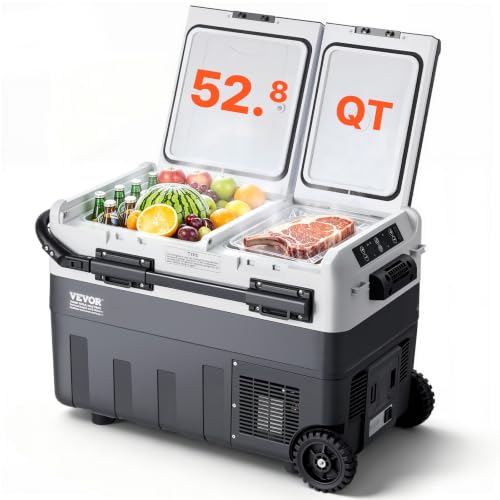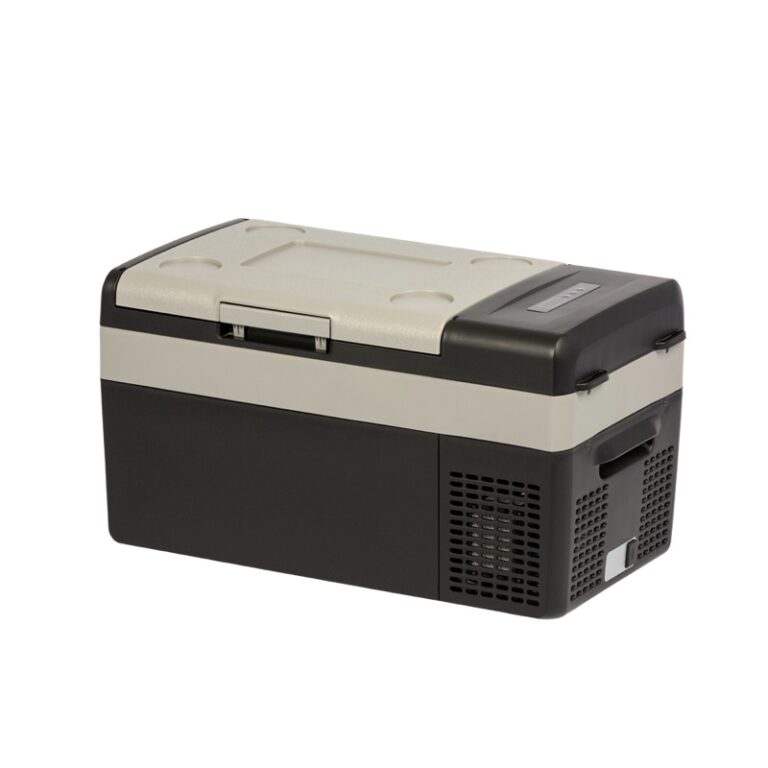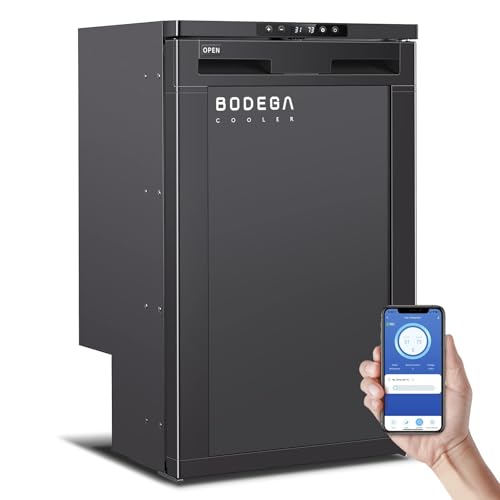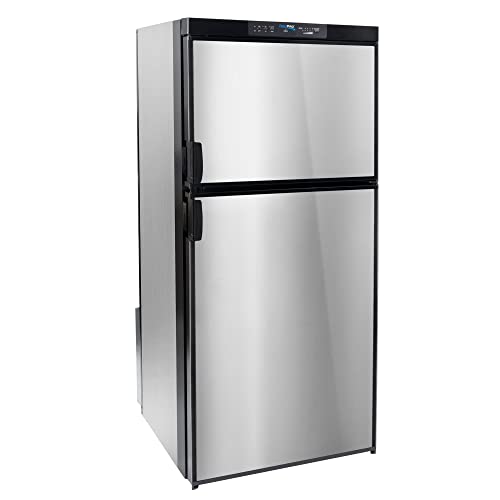
How Does a Camper Fridge Work: Compressor vs Absorption Explained
A camper fridge operates by removing heat from an insulated interior cabinet and transferring it to the outside environment, typically utilizing either a compressor-based vapor-compression cycle or an absorption process.
These appliances are engineered to maintain safe food storage temperatures in mobile environments, often dealing with significant vibrations, varying tilt angles, and limited power availability from batteries or propane systems. The underlying physics and electrical requirements of your specific unit is essential for preventing food spoilage and extending the lifespan of your mobile refrigeration hardware.
Key Takeaways
- Compressor fridges function like home units, using an electric motor to circulate refrigerant for high efficiency.
- Absorption fridges use a chemical reaction involving heat to cool, making them ideal for off-grid propane use.
- Voltage drops in 12V DC systems are the most common cause of cooling performance failure.
- Proper airflow around the condenser coils is critical to preventing the unit from overheating during hot weather.
- Leveling your camper is mandatory for absorption models to ensure the internal chemical circulation continues effectively.
How Does a Camper Fridge Work?
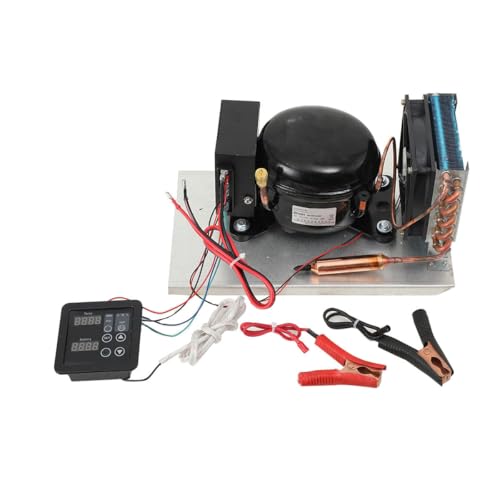
At the core of most modern camper refrigeration is the vapor-compression cycle. This process uses a compressor to pump a refrigerant gas through a series of coils. As the gas is compressed, it becomes hot and is pushed into condenser coils on the exterior of the fridge, where it releases heat into the surrounding air and turns into a liquid.
This liquid then flows through an expansion valve, where the sudden drop in pressure causes it to evaporate into a cold gas inside the evaporator coils located within the fridge cabinet. As the refrigerant absorbs heat from the interior, the food stays cold.
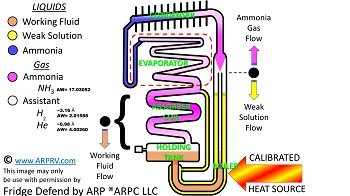
Absorption refrigerators operate on a fundamentally different principle, often called the ammonia-hydrogen cycle. These units don’t have a mechanical compressor. Instead, they use a heat source—usually a propane flame or a 120V heating element—to drive a chemical solution of ammonia, water, and hydrogen gas through a system of tubes.
This chemical reaction creates the cooling effect without any moving parts, which is why these units are completely silent. However, they’re sensitive to gravity and require the vehicle to be parked on a level surface for the fluids to circulate correctly through the gravity-fed piping.
Comparing Fridge Power Technologies
Choosing the right technology depends on your travel style and power setup. The following table illustrates the primary differences in operation and efficiency between the two dominant types of camper cooling systems.
| Feature | Compressor Fridge | Absorption Fridge |
|---|---|---|
| Power Source | 12V/24V DC Battery | Propane, 120V AC, 12V DC |
| Efficiency | High (cycles on/off) | Low (constant heat needed) |
| Performance | Works in extreme heat | Drops in high temperatures |
| Maintenance | Minimal | Seasonal burner cleaning |
| Noise Level | Quiet hum | Silent operation |
Best 50L Campervan Fridge: Top 7 Off-Grid Coolers Tested & Rated
Essential Components of Cooling Systems
Every camper fridge relies on a set of critical cooling components to maintain internal temperatures. The evaporator is the plate or set of fins inside the fridge where the actual cooling occurs.
The condenser is the heat exchanger located on the back or side of the fridge that dissipates heat into the camper’s interior or the external vent. The thermostat acts as the brain, monitoring the internal temperature and signaling the power source to activate when the cabin gets too warm.
For compressor-based units, the electronic control unit (often referred to as the ECU) manages the motor speed and protects the battery from deep discharge. In absorption units, the boiler assembly is the most vital part, as it must reach a precise temperature to initiate the ammonia cycle.
If the boiler becomes obstructed by rust or debris, the fridge will fail to cool regardless of the fuel source. Regular inspection of these components ensures the system remains operational throughout your travels.
Why Is My Fridge Not Cooling?
When your fridge stops cooling, the issue is rarely a broken cooling unit and almost always related to power or airflow. The first step is to check your DC voltage levels. If your battery bank drops below a certain threshold—typically 10.5 to 11 volts—the compressor will shut down to protect the battery from permanent damage. Use a digital multimeter to measure the voltage directly at the fridge’s power input terminals rather than at the battery, as wire gauge size can cause significant voltage drops.
Another common culprit is obstructed airflow. Camper fridges require a clear path for air to enter from the bottom vent and exit through the top vent. If the area behind the fridge is packed with insulation, dust, or debris, the heat from the condenser can’t escape, causing the internal temperature to rise. Always ensure the external vents are free of bird nests, spiders, or debris that might block natural convection.
Managing Voltage for 12V Fridges
Most 12V compressor fridges are designed to operate within a specific voltage range, usually between 10.5V and 17V for 12V systems. If your fridge keeps cutting out, check the wiring gauge.
Using thin, undersized wire over a long distance creates resistance, which causes the voltage to drop under the heavy load of the compressor starting. Upgrading to thicker gauge wire, such as 10 AWG or 8 AWG, can resolve these issues permanently.
Pro Tip: If you suspect a voltage issue, turn on your interior lights while the fridge is running; if the lights dim significantly when the compressor kicks in, you have a high-resistance connection or an undersized wire that needs immediate attention.
Maintaining Absorption Fridge Performance
Absorption fridges are highly dependent on the ambient air temperature. Because they rely on the difference between the heat in the boiler and the temperature of the outside air, they often struggle when the outside temperature exceeds 90°F.
To improve performance, many owners install small 12V computer-style fans behind the upper exterior vent to force hot air out, which creates a stronger draft and improves the heat exchange process.
Warning: Never attempt to repair the sealed cooling unit of an absorption fridge yourself, as it contains pressurized ammonia, which is toxic and dangerous if released.
Proper Loading and Air Circulation
How you pack your fridge significantly impacts its efficiency. Cold air must be able to circulate around your food items to keep them at a consistent temperature. If you pack the fridge too tightly, you create cold spots and warm zones, leading to frozen lettuce or spoiled milk.
Leave at least a half-inch of space between items and the walls of the fridge. Furthermore, avoid placing hot leftovers directly into the unit, as this forces the compressor to run continuously to dump that extra heat.
Understanding Energy Consumption Rates
Energy usage varies wildly based on the model and external conditions. According to the U.S. Department of Energy, efficiency is heavily dependent on maintaining proper seals and keeping the condenser coils clean. For a typical 12V compressor fridge, you can expect the following daily energy consumption ranges based on your climate:
| Condition | Daily Amp-Hours (Ah) | Power Draw (Watts) |
|---|---|---|
| Cool Weather (60°F) | 20 Ah – 30 Ah | 30W – 45W |
| Mild Weather (75°F) | 35 Ah – 50 Ah | 45W – 60W |
| Hot Weather (90°F+) | 60 Ah – 90 Ah | 60W – 80W |
Troubleshooting Common Fridge Faults
When diagnosing issues, follow a logical path to isolate the failure. First, verify the power supply integrity. Check the fuse box to ensure the fridge circuit hasn’t tripped. If the fridge has power but won’t turn on, check the thermostat sensor. If the unit runs but doesn’t get cold, you’re likely dealing with a gas leak or a blocked cooling circuit.
Troubleshooting Checklist
- Check the battery voltage at the fridge terminals.
- Inspect the fridge fuse and main circuit breaker.
- Verify the thermostat is set to the desired cooling level.
- Ensure the unit is level if it’s an absorption model.
- Clean the condenser coils of dust and lint.
- Check the door gasket for a tight, airtight seal.
Frequently Asked Questions
Why does my fridge freeze everything?
This is usually caused by a faulty thermostat or a thermistor that has become detached from its mounting point. When the fridge can’t accurately sense the air temperature, it will continue to run the compressor or burner indefinitely.
Ensure the sensor probe is firmly attached to the evaporator plate or in its designated housing to allow the system to cycle off correctly once the desired temperature is reached.
Should I turn my fridge off while driving?
For compressor fridges, it’s perfectly safe to keep the unit running while driving, as they’re designed for mobile use. For absorption fridges, you must ensure the vehicle is level when parked, but operating on propane while moving is generally discouraged due to fire risks during refueling or potential flame blowouts.
Always consult your owner’s manual regarding the safety of operating your specific model’s propane burner while in transit.
How do I clean the fridge coils?
To clean the condenser coils, first disconnect all power sources to the fridge. Use a soft-bristled brush or a vacuum with a hose attachment to gently remove dust, cobwebs, and debris from the cooling fins located on the back or side of the unit.
Be careful not to bend the delicate metal fins, as this restricts airflow and reduces the efficiency of the heat transfer process.
Can I replace an absorption fridge with a compressor model?
Yes, replacing an absorption unit with a compressor fridge is a common upgrade for off-grid travelers. Compressor fridges are more efficient in hot weather and don’t require the vehicle to be level.
However, you must ensure your battery bank and solar charging system can handle the increased electrical load, as compressor fridges rely entirely on battery power rather than propane for cooling.
What is the ideal temperature for a camper fridge?
The ideal temperature for food safety is between 35°F and 40°F. Temperatures above 40°F allow bacteria to grow rapidly, increasing the risk of foodborne illness. If your fridge struggles to maintain this range, try shading the side of the camper where the fridge vents are located, or add an internal battery-powered circulation fan to move cold air around the cabinet more effectively.
Conclusion
Regular maintenance is the most effective way to ensure your fridge remains a reliable asset during your outdoor adventures. Start by cleaning your condenser coils this weekend to improve airflow, and then use a multimeter to verify that your batteries are consistently delivering the voltage your fridge requires to run at its peak performance level.