How Long Can a Camper Fridge Run on Propane: The Real Estimate
A typical RV refrigerator will run for approximately 14 to 30 days on a standard 20-pound propane tank, depending on the ambient temperature and the efficiency of your cooling unit.
Because these appliances function by heating an ammonia solution rather than using an electric compressor, they consume very little fuel, usually ranging from 0.5 to 1.5 pounds of propane per day. This longevity makes propane an incredibly reliable fuel source for boondocking or long-term camping trips where shore power is unavailable.
Key Takeaways
- Standard 20-pound propane tanks provide fuel for roughly two to four weeks of continuous refrigeration.
- Ambient temperature significantly impacts fuel consumption; higher external heat forces the burner to work harder.
- Leveling your RV is critical for the proper circulation of the cooling unit’s ammonia-based absorption process.
- Cleaning the burner and flue annually prevents soot buildup and improves overall thermal efficiency.
- Always perform a leak test on your connections using a soap and water solution before travel.
How Long Can a Camper Fridge Run on Propane?
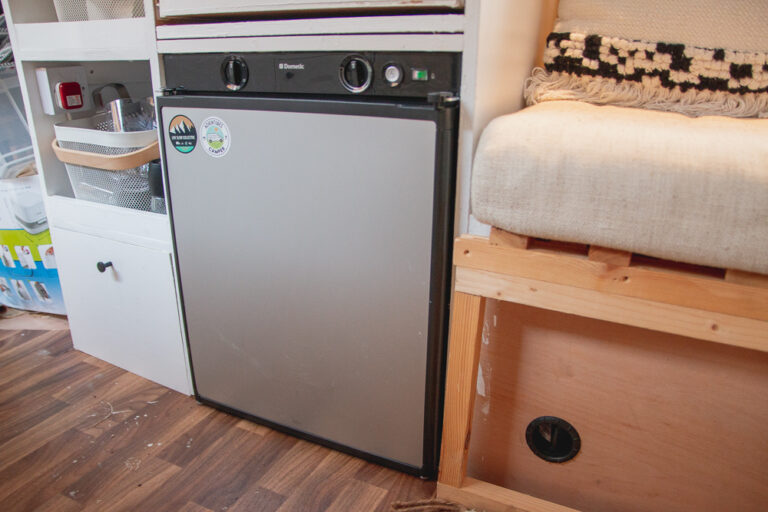
The duration a camper fridge remains operational on propane depends heavily on the size of the refrigerator and the outside temperature. Most absorption refrigerators found in travel trailers and motorhomes are designed to be extremely fuel-efficient.
A standard 20-pound tank contains about 4.7 gallons of propane. When you convert this volume to weight and apply the average consumption rates provided by manufacturers like Dometic or Norcold, you can estimate your specific burn rate. In mild weather, a mid-sized RV fridge might consume roughly 0.6 pounds of fuel per day, while in extreme heat, that usage can climb toward 1.2 pounds as the unit struggles to maintain a consistent internal temperature.
Understanding Absorption Cooling Technology
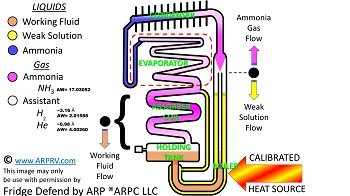
Unlike the compressor-based fridges in your home, RV refrigerators use absorption cooling technology. This system utilizes a heat source—usually a small propane flame—to circulate a mixture of ammonia, water, and hydrogen.
Because there are no moving parts like motors or pumps, the system operates silently and requires very little energy input. The heat generated by the propane burner is directed into a boiler, which initiates the refrigerant cycle. If the flame is adjusted correctly, the thermal efficiency remains high, allowing the unit to maintain safe food storage temperatures for weeks on a single tank of fuel.
Fuel Consumption Comparison Table
| Propane Tank Size | Estimated Run Time (Days) | Usage Rate (Lbs/Day) |
|---|---|---|
| 20 lb (Standard) | 14 – 30 Days | 0.6 – 1.4 lbs |
| 30 lb (Large) | 21 – 45 Days | 0.6 – 1.4 lbs |
| 40 lb (Dual) | 28 – 60 Days | 0.6 – 1.4 lbs |
Factors Affecting Your Propane Usage
Several environmental and mechanical factors dictate how quickly you’ll cycle through your fuel supply. The most significant factor is the ambient temperature differential. If the air outside is 95°F and you’re trying to keep the interior of your fridge at 38°F, the propane flame must stay lit for a much higher percentage of the day.
Proper ventilation behind the refrigerator is also vital; if the heat generated by the burner can’t escape through the exterior roof or sidewall vents, the cooling unit will lose efficiency, forcing the burner to stay active longer to compensate for the trapped heat.
Essential Maintenance Tips
- Burner Cleaning: Use compressed air to blow out the burner tube and remove spider webs or debris.
- Leveling: Ensure the RV is within 3 degrees of level to prevent cooling unit damage.
- Seal Inspection: Check the rubber gaskets on the door to ensure they’re tight and airtight.
- Flame Inspection: A healthy flame should appear blue; a yellow or orange flame indicates poor combustion.
Maintaining Your Cooling Unit Efficiency
Efficiency isn’t just about fuel conservation; it’s about protecting the longevity of your cooling unit. Absorption refrigerators are sensitive to blockages in the flue. Over time, rust flakes or carbon deposits can accumulate inside the chimney, obstructing the heat flow.
Many experienced RV owners recommend an annual inspection of the thermal chimney to ensure that the heat from the propane flame is being transferred effectively to the boiler. When the heat transfer is inefficient, the fridge will struggle to cool, leading to spoiled food and wasted fuel.
7 Best Low Power Camping Fridge: Tested For Energy-Efficient
Why Does My Fridge Stop Cooling?
If your refrigerator stops cooling while on propane, the most common culprit is a blocked burner orifice. If the small jet that delivers gas to the burner becomes clogged with debris, the flame will be too weak to drive the ammonia cycle. Another frequent issue is a failed thermocouple.
This safety device detects the presence of a flame; if it fails, the gas valve will remain closed to prevent a leak, effectively shutting down the fridge. Always consult the Propane Safety Guidelines provided by the National Fire Protection Association to ensure your installation adheres to current safety standards regarding gas appliances.
Troubleshooting Common Propane Issues
When troubleshooting, start with the simple items before moving to the complex mechanical components. First, verify that your propane tank isn’t empty and that the manual shut-off valve is fully open. Then, check the gas regulator on your RV; if it’s failing, it may not be delivering the consistent pressure required to keep the fridge flame lit.
If the burner tries to ignite but fails, you may have air in the lines, which often happens after a tank exchange. Lighting a stove burner for a few minutes can help purge that air and get the gas flowing to the fridge.
Troubleshooting Flowchart
| Symptom | Likely Cause | Suggested Action |
|---|---|---|
| No Flame | Empty Propane Tank | Check tank gauge or weight |
| Yellow Flame | Dirty Burner Tube | Clean with compressed air |
| Fridge Not Cold | Poor Ventilation | Clear debris from exterior vents |
| Clicking Sound | Igniter Failure | Check battery or 12V supply |
Best Practices for Boondocking
When you’re camping off-grid, propane management becomes a priority. To extend your fuel life, avoid opening the refrigerator door frequently, as this allows cold air to escape and forces the system to work harder.
Consider using a small battery-powered fan inside the fridge to circulate air, which helps maintain a uniform temperature and reduces the workload on the absorption system. Additionally, keep your RV in the shade whenever possible; reducing the solar gain on the side of the trailer where the fridge is located can significantly lower your daily fuel consumption.
Safety Precautions for Propane Use
Warning: Never attempt to repair or modify the internal gas lines of your refrigerator unless you’re a certified technician, as gas leaks can lead to dangerous accumulations of flammable vapor inside your living space.
Always install a functional propane leak detector in your RV and test it monthly. If you smell the distinct “rotten egg” odor associated with propane, immediately shut off the main tank valve, extinguish all open flames, and evacuate the vehicle until the source of the leak is identified and repaired.
How to Prepare for Long Trips
Before embarking on a long journey, perform a “burn test” at home. Fill your propane tanks, turn the fridge on, and monitor how long it takes to reach the target temperature. If it takes more than 24 hours to cool down, you may have a minor blockage or an aging seal that needs attention.
Keeping a log of fuel usage over a weekend trip will give you a baseline for your specific unit, allowing you to calculate exactly how much propane you need to carry for a month-long excursion without fear of running dry.
Frequently Asked Questions
Can I leave the fridge on while driving?
Yes, most RV refrigerators are designed to run while driving, but you must exercise caution. Many modern RV manufacturers recommend turning off the propane supply before entering fuel stations or tunnels. Ensure your fridge is switched to “Auto” or “Gas” mode so it can maintain temperature while you’re on the road. Always check local regulations, as some jurisdictions prohibit propane appliances while in transit.
How do I know if my fridge is level?
Absorption refrigerators rely on gravity to circulate the ammonia solution. If the RV isn’t level, the solution can pool in the pipes, causing a blockage that leads to permanent damage. Use a standard bubble level on the floor of the refrigerator or on the counter. If the bubble is centered, you’re safe. If it’s significantly off, the fridge won’t cool properly.
Does the fridge run on 12V electricity?
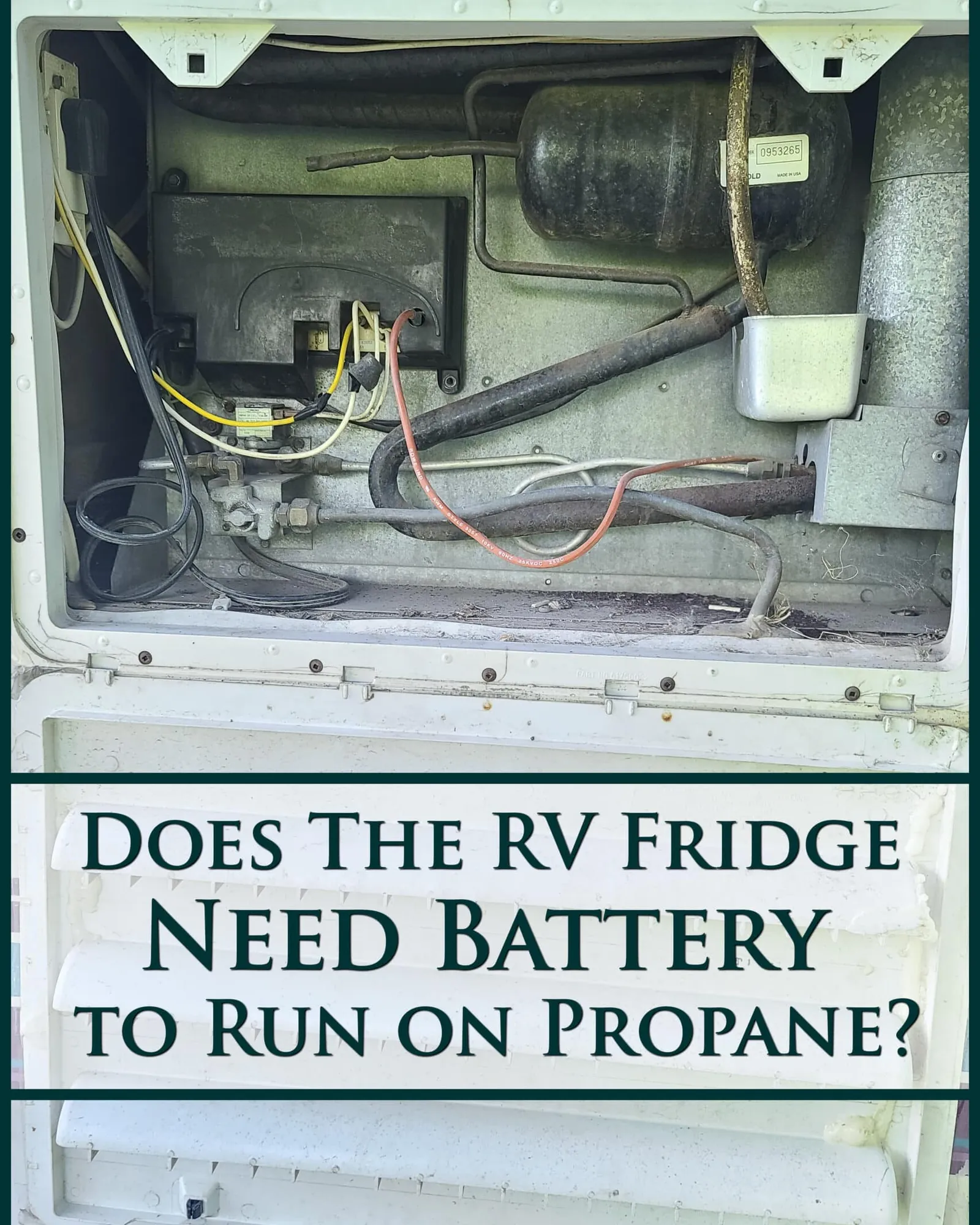
Most RV refrigerators use 12V DC electricity to power the control board, igniter, and interior light, even when running on propane. If your 12V house battery dies, the fridge will stop working, even if you have a full tank of propane. Ensure your batteries are charged to keep the control electronics active throughout your trip.
What causes the yellow flame in the burner?
A yellow flame indicates incomplete combustion, usually caused by a dirty burner or a restricted air intake. This results in soot buildup on the flue, which creates an insulating layer that prevents heat from reaching the cooling unit. You should clean the burner orifice and the flue tube annually to ensure a clean, blue, and efficient flame that provides maximum cooling power.
Is it cheaper to use propane or electricity?
Propane is typically the most cost-effective way to run an RV refrigerator when boondocking. While electricity is often included in the price of a full-hookup campsite, the cost of a propane refill is relatively low compared to the convenience of having a working fridge in remote areas. Propane provides the best balance of cooling performance and energy independence for the average RVer who travels to varied locations.
Conclusion
Make sure to inspect your propane regulator and burner assembly before your next trip to ensure maximum efficiency. If you notice any unusual sounds or a weak flame, clean the burner tube with compressed air to clear out any debris. By maintaining these simple components, you’ll ensure your food stays cold and your fuel lasts through the entirety of your next long-term adventure.