What To Use To Seal A Camper Roof: Best Way to Seal a Camper Roof (Fast & Leak‑Proof)
Use self-leveling lap sealant for seams and roof tape or silicone for larger areas.
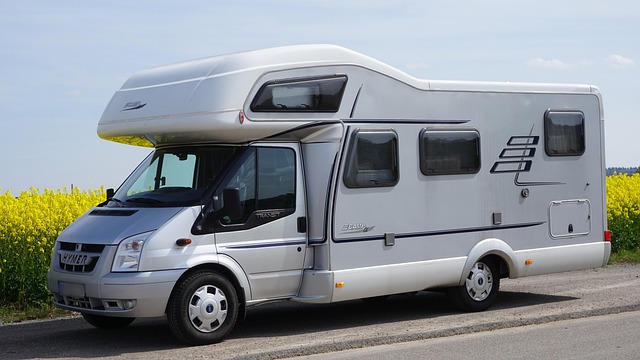
Sealing a camper roof is not guesswork. It is a system. In this guide, I break down what to use to seal a camper roof by roof type, climate, and problem area. I have sealed EPDM, TPO, aluminum, and fiberglass roofs on my own rigs and for friends. You will learn what works, what fails, and how to get a clean, long-lasting seal the first time.

Why sealing your camper roof matters
A dry roof protects your walls, wiring, and frame. A small gap around a vent can let in water and cause mold or rot. That can turn into a big repair bill fast.
Good sealant adds a flexible barrier. It moves with heat and cold. It blocks UV and rain. If you want peace on the road, start at the roof.
If you wonder what to use to seal a camper roof, you are in the right spot. By the end, you will know the right product for your roof and how to apply it like a pro.
Know your roof: materials and matching sealants
The best answer to what to use to seal a camper roof depends on the roof skin. Different materials need different chemistry for good grip.
- EPDM rubber roof: Use self-leveling lap sealant for horizontal seams. Use non-sag lap sealant for vertical edges. Use butyl tape under flanges. Use roof tape for long seams. Avoid petroleum products and some solvents.
- TPO or PVC roof: Similar to EPDM. Use lap sealant rated for TPO/PVC. Some brands need a primer for tapes.
- Fiberglass roof: Use polyurethane or a compatible silicone roof coating. Use butyl tape for hardware. Avoid harsh abrasives while prepping.
- Aluminum roof: Use polyurethane sealant for seams and fasteners. Use roof tape on long seams. Use acrylic or silicone coatings to refresh the field.
Tip from the field: I test a small hidden spot first. I check for peel or cure issues. Ten minutes here can save a weekend.
If you are still asking what to use to seal a camper roof, start by finding the roof label near a vent or check your owner’s manual. The right match stops failures before they start.
The best products to use to seal a camper roof
Here is a clear map of what to use to seal a camper roof, plus when to use each.
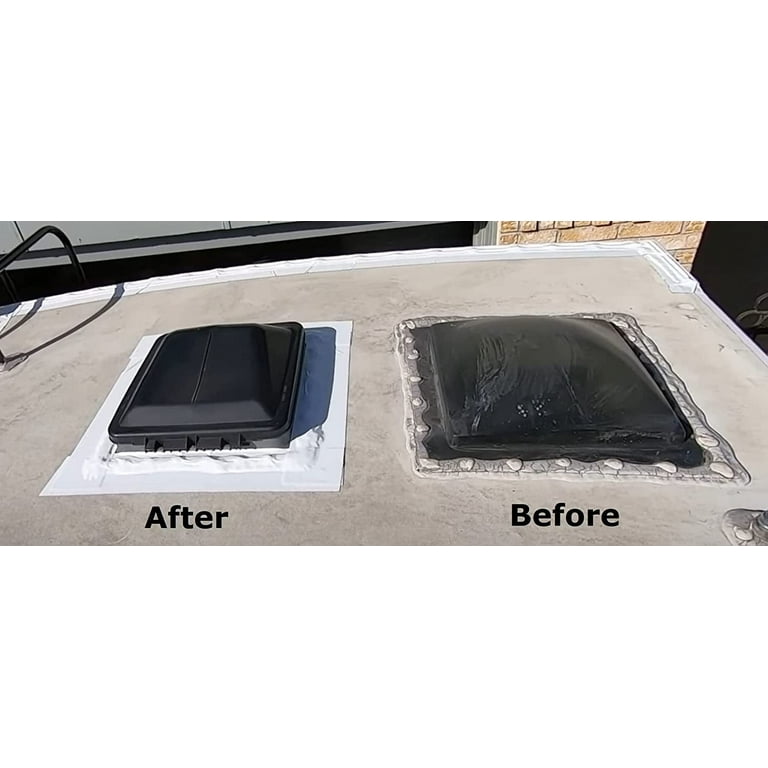
Self-leveling lap sealant (for horizontal seams)
Great for vents, skylights, and roof fixtures. It flows into small gaps and smooths itself.
- Use on EPDM, TPO, and many fiberglass roofs.
- Not for vertical joints. It will sag.
Real tip: On my EPDM roof, self-leveling made the vent base watertight in one pass. I circled the flange and let it settle like syrup.
Non-sag lap sealant (for vertical joints)
Use on edges, front and rear caps, and sidewall joints.
- Stays put on vertical surfaces.
- Pairs well with butyl tape behind trim.
Roof repair tapes (Eternabond-style butyl-backed tape)
Fast, strong, and flexible. Great for seams, tears, and old screw lines.
- Clean, prime if needed, and roll it hard.
- Works on EPDM, TPO, aluminum, and fiberglass.
Lesson learned: Tape fixed a stubborn front cap seam on my trailer. The leak stopped at once. Three years later, still dry.
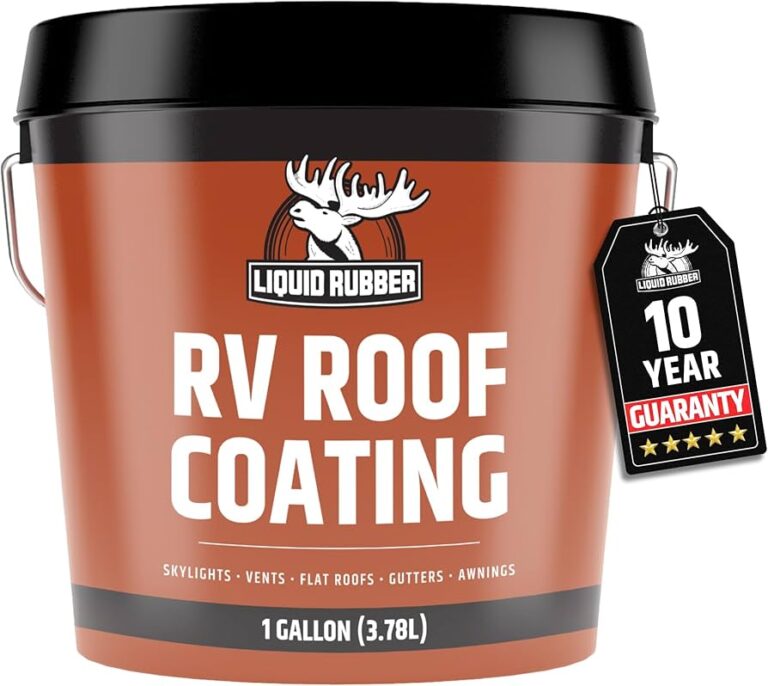
100% silicone roof coatings (high-solids)
Best for full field coats and ponding areas on many substrates.
- UV-proof and stays flexible.
- Check compatibility with EPDM/TPO and use primer if required.
Acrylic elastomeric coatings
Budget-friendly for large areas in dry climates.
- Reflects heat. Easy to recoat.
- Needs good drainage. Not ideal for standing water.
Polyurethane sealants
Tough and adhesive. Great for metal and fiberglass seams.
- Paintable and durable.
- Some versions are not ideal on EPDM without primer.
Butyl tape
A must under flanges, trim, and solar mounts.
- Creates a pressure seal under hardware.
- Use lap sealant over the top for weather.
If you still need clarity on what to use to seal a camper roof, combine methods: butyl tape under, lap sealant over, and roof tape for long seams. That stack has saved more trips than I can count.

Step-by-step: how to seal a camper roof like a pro
Follow these steps to get a leak-free, clean finish.
- Inspect and plan
- Mark problem spots: vents, skylights, AC, antennas, and edges.
- Note roof type to choose the right products.
- Clean and prep
- Sweep off dust and leaves.
- Wash with mild soap and water. Rinse well.
- Use a roof-safe cleaner for tough grime.
- Let it dry fully. Moisture kills adhesion.
- Remove loose old sealant
- Lift cracked or failed caulk with a plastic scraper.
- Leave well-bonded sealant in place and feather edges.
- Prime if needed
- Some tapes or coatings need a primer on EPDM/TPO or fiberglass.
- Read the label and follow cure times.
- Apply butyl tape under flanges
- For vents or solar mounts, lay butyl tape under the flange.
- Tighten screws evenly until it squeezes out slightly.
- Seal seams and fixtures
- Use self-leveling lap sealant on horizontal seams.
- Use non-sag on vertical joints and edges.
- Aim for a smooth, continuous bead with no gaps.
- Use repair tape for long seams or tears
- Cut tape to size with rounded corners.
- Peel and stick, then roll hard with a seam roller.
- Coat large areas if needed
- For aging roofs, apply silicone or acrylic coating per label.
- Work in sections. Watch for ponding spots.
- Cure and check
- Respect cure times. Many need 24–48 hours.
- After rain, inspect again. Touch up thin spots.
If you wonder what to use to seal a camper roof during a trip, carry a small tube of lap sealant and a roll of roof tape. That kit can save a weekend.

Tapes vs liquid coatings: when to use each
Use roof tape when:
- You have a seam, tear, or puncture.
- You need an instant, strong patch that moves with the roof.
Use lap sealant when:
- You are sealing around fixtures and screws.
- You need a bead that self-levels into gaps.
Use coatings when:
- The field of the roof is chalky or worn.
- You want UV and heat relief and to extend service life.
A simple rule for what to use to seal a camper roof: tape for lines and holes, lap sealant for edges, coating for the big field.

Weather, cure times, and application tips
Weather can make or break a seal. Work in dry, mild conditions if you can.
- Ideal temperature: 50–90°F. Cold slows cure. Heat can thin products.
- Dry time: Many lap sealants skin in 20–30 minutes and cure in 24–48 hours.
- Rain: Keep the roof dry until cured. Use a tarp if a storm rolls in.
- UV: Coatings like silicone shine under strong sun. Acrylic needs good drainage.
A smart take on what to use to seal a camper roof in wet regions: lean toward silicone coatings and high-quality tapes. They handle water better over time.

Personal pro tips and mistakes to avoid
Here are lessons from my own rigs and shop days.
- Tip: Warm the tube in a bucket of warm water for a smoother bead.
- Tip: Round tape corners. Square corners lift first.
- Tip: Use painter’s tape to mask clean edges, then pull while wet.
- Mistake: Using household silicone around EPDM. It can fail fast.
- Mistake: Rushing prep. Dirt is the enemy of adhesion.
- Mistake: Over-torquing screws. You can crush the flange and force leaks.
If you still ask what to use to seal a camper roof after reading tips, keep it simple: match the roof, prep well, and use a system, not a single product.

Maintenance checklist and leak detection
A good seal needs care. Check it twice a year and after big storms.
- Look for cracks, gaps, bubbles, or lifting edges.
- Check around vents, ladders, awning brackets, and roof edges.
- Clean light chalking before it turns heavy.
- Touch up thin spots with the same product.
Water can hide. If you smell must or see soft spots, check the ceiling, cabinets, and corners. Early action keeps the fix cheap.
This routine also helps answer what to use to seal a camper roof next season. You will know what failed and what held.
Costs, coverage, and when to hire a pro
Budget helps plan the job.
- Lap sealant: 10–15 dollars per tube. One tube covers several fixtures.
- Roof tape: 3–5 dollars per foot for quality tape.
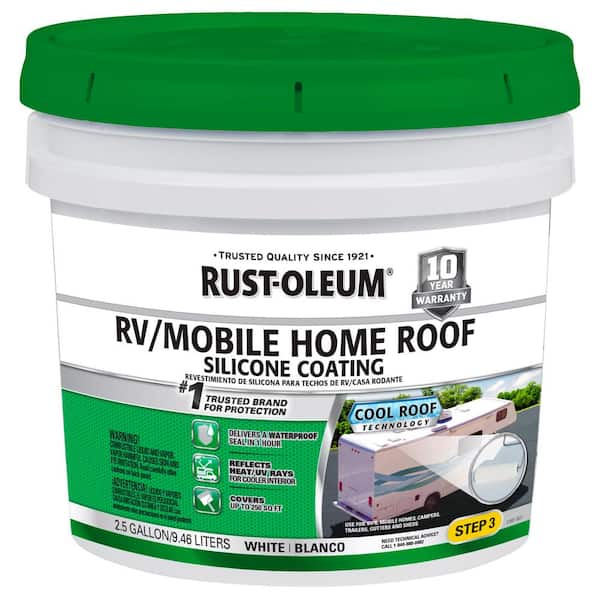
- Coatings: 50–300 dollars per gallon. Coverage varies by brand and mils.
- Tools: Rollers, scrapers, brushes, caulk gun, and cleaner.
DIY is great for seams and small patches. Hire a pro when:
- You have soft decking or hidden rot.
- You need a full membrane replacement.
- You need warranty service or complex prep.
If you need a fast plan for what to use to seal a camper roof on a budget, start with tape and lap sealant. Add a coating later when time and funds allow.
Frequently Asked Questions of what to use to seal a camper roof
What to use to seal a camper roof if I have an EPDM membrane?
Use self-leveling lap sealant for horizontal seams and non-sag for vertical edges. Pair it with roof tape for long seams or small tears.
What to use to seal a camper roof around vents and skylights?
Lay butyl tape under the flange, then apply self-leveling lap sealant around the base. Smooth the bead and let it cure fully.
What to use to seal a camper roof for a long seam that keeps leaking?
Use a high-quality roof repair tape over a clean, dry seam and roll it hard. Seal the tape edge with compatible lap sealant if the maker suggests it.
What to use to seal a camper roof if I park in heavy sun and heat?
A silicone roof coating resists UV and stays flexible in heat. Use lap sealant for fixtures and tape for seams, then coat the field.
What to use to seal a camper roof if I need a quick road fix?
Carry roof tape and a tube of lap sealant. Tape stops active leaks fast, and lap sealant finishes the edge when the surface is dry.
What to use to seal a camper roof if it has aluminum panels?
Use polyurethane sealant for seams and screws, plus roof tape for long joints. Consider a reflective acrylic or silicone coating for the field.
What to use to seal a camper roof to handle ponding water?
High-solids silicone coatings perform well under standing water. Improve drainage where possible and reinforce seams with tape first.
Conclusion
A dry, quiet coach starts with the right seal, matched to your roof. Choose a system: butyl under flanges, lap sealant on edges, tape on seams, and a coating for the field when needed. Prep well, work in good weather, and give products time to cure.
Start small today. Inspect the roof, pick one area, and seal it right. If this guide helped you decide what to use to seal a camper roof, share it with a friend, subscribe for more DIY tips, or drop your questions in the comments.